Flowers
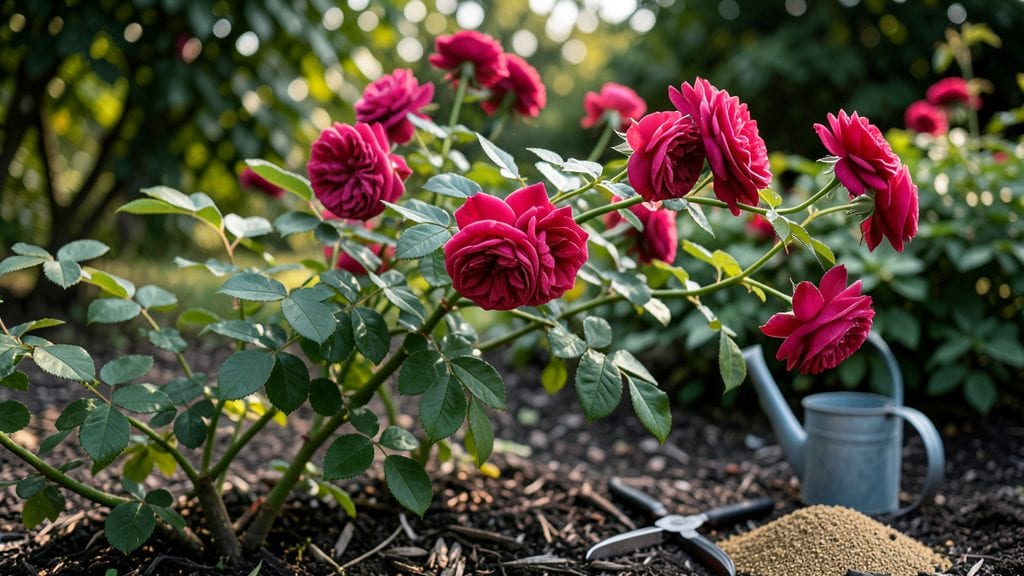
The velvety juliet rose flower thrives where others falter—its frost-tolerant blooms burst into life in the Pacific Northwest’s damp climate, proving that roses aren’t just for sunny Southern gardens. 🌿 I’ve grown Juliet roses for five seasons now, and their petals... resistant to black spot and mildew, make them the low-maintenance star of my garden.
The secret lies in their 60-day bloom cycle from planting to first flowers, even in cooler zones.
You’ll need a sunny spot (6+ hours daily), well-draining soil mixed with compost, and a sturdy trellis for support—Juliet roses grow 4-5 feet tall and love to climb. Water deeply once a week (more in summer heat) and feed with rose fertilizer in early spring.
Prune in late winter to shape the plant and remove dead growth, which encourages stronger stems and more blooms.
By summer, you’ll be rewarded with clusters of deep pink, fragrant blooms that attract pollinators and last for weeks. The frost resistance means they keep blooming well into fall, and their disease resistance cuts down on sprays. Even in rainy climates, Juliet roses stay healthy and prolific with minimal effort.
Perfect for beginners and seasoned gardeners alike, these roses adapt to containers or garden beds. Whether you’re training them on an arbor or letting them sprawl along a fence, Juliet roses deliver stunning, carefree beauty with less fuss than traditional roses. Let’s get yours growing!
📚 In This Guide
- What you need
- Instructions
- Tips and common mistakes
- Wrapping up and next steps
What you need
- ● Juliet rose bare-root plant (1-3 plants, depending on garden size). Choose from reputable nurseries like Weeks Wholesale Nursery or Plants of Distinction for high-quality, frost-resistant stock.
- ● Well-draining potting mix (50 lbs) or garden soil amended with compost (50% soil, 30% compost, 20% perlite/sand). Juliet roses hate soggy roots!
- ● Organic mulch (6-8 bags of cedar chips or straw) to protect roots from frost and retain moisture.
- ● Slow-release fertilizer (10-10-10 or rose-specific formula, 5 lbs) for a nutrient boost at planting.
- ● Rose food (e.g., Espoma Rose-Tone, 1 lb) for ongoing feeding during blooming season.
- ● Drip irrigation system or soaker hoses (50 ft) to keep roots consistently moist without fungal issues.
- ● Garden trowel (for planting) and pruning shears (sterilized with rubbing alcohol).
- ● Garden gloves (heavy-duty to protect from thorns!).
- ● Stakes or rose cages (3-4 ft tall, 1 per plant) to support Juliet’s climbing habit.
- ○ pH testing kit (optional but helpful—Juliet roses prefer 6.0–6.5 soil pH).
- ● Frost cloth (1-2 rolls) for early spring/fall protection in the PNW’s chilly zones.
- ● Sunlight: 6+ hours of direct sun daily (PNW’s partial shade is fine, but more sun = more blooms!).
- ● Spacious planting site: Juliet roses need 3–4 ft of space between plants for airflow (critical to prevent disease).
- ● Drainage check: Ensure the area isn’t prone to waterlogging—Juliet roses will protest with yellow leaves!
- ● Patience (but not too much!): With proper care, you’ll see vibrant blooms in 60–90 days.
Instructions for growing Juliet roses in the Pacific Northwest
Here’s the straightforward method I’ve used to grow thriving Juliet roses—hardy, fragrant, and blooming reliably in our cooler climate.
🌱 Step 1: Select and Prepare the Planting Site
Juliet roses thrive in full sun to partial shade (at least 6 hours of sunlight daily), but in the Pacific Northwest, morning sun with afternoon shade prevents leaf scorch. Choose a spot with well-draining soil—these roses hate soggy roots. If your soil is heavy clay, amend it with 3-4 inches of compost mixed into the top 12 inches of soil before planting.
Dig a hole twice as wide as the root ball but only as deep. Juliet roses have a graft union (the bump near the base), and planting too deep can suffocate the plant. Loosen the roots gently if they’re circling or bound. Water the hole thoroughly before placing the rose inside—this prevents air pockets that can strangle roots.
🪴 Step 2: Plant and Stake for Support
Position the rose so the graft union sits 2-3 inches above soil level—this protects it from future mulch or soil buildup. Backfill the hole with native soil mixed with 1 cup of bone meal (for phosphorus to encourage root growth) and firm gently around the roots. Water deeply to settle the soil and eliminate air gaps.
Install a 5-6 foot stake at the same time—Juliet roses can get top-heavy with blooms. Tie the main stem loosely to the stake with soft plant ties (not wire, which can cut into the stem). Water again after staking to help roots establish. Mulch with 2-3 inches of wood chips or straw, keeping it 6 inches away from the stem to prevent rot.
☀️ Step 3: Water and Fertilize for Strong Growth
Water deeply once a week (or more in hot spells) to encourage deep root growth. Juliet roses are drought-tolerant once established, but first-year plants need consistent moisture—check that the soil is dry 2-3 inches down before watering again. Avoid wetting the leaves to prevent fungal diseases like black spot, which thrives in our damp climate.
Fertilize every 4-6 weeks during the growing season (spring through early fall) with a balanced rose fertilizer (10-10-10 or similar). In late summer, switch to a low-nitrogen, high-phosphorus formula (like 5-10-5) to promote blooming. Stop fertilizing by mid-September to harden the plant for winter.
✂️ Step 4: Prune for Health and Blooms
Prune Juliet roses twice a year: once in late winter (just before new growth starts) and again after the first flush of blooms in early summer. In late winter, remove dead, diseased, or crossing branches at the base. Cut back remaining canes by one-third to encourage bushier growth and more blooms.
After the first bloom cycle, do a light summer pruning to remove spent flowers and any weak growth. This encourages a second flush of blooms by late summer. Always use clean, sharp pruners and make cuts at a 45-degree angle just above an outward-facing bud. Disinfect your tools with rubbing alcohol between cuts to prevent disease spread.
⏰ Step 5: Protect from Frost and Winterize
Juliet roses are frost-resistant, but young plants or harsh winters need extra care. Once temperatures drop below 20°F, mound 4-6 inches of mulch around the base (but not touching the stem). In Zone 7-8 (typical PNW), this is usually enough, but for Zone 6 or colder, wrap the canes loosely with burlap and bend them to the ground, securing with U-shaped plant clips or bricks.
Remove winter protection in early spring (when new growth appears) and prune as directed. Watch for aphids or spider mites in spring—they love new growth. Spray with neem oil if you spot them early, before they spread. Juliet roses reward patience with fragrant, repeat-blooming flowers from early summer through fall.
Tips & tricks for perfect Juliet rose blooms in the Pacific Northwest
These insider tricks will help you coax the most vibrant, frost-resistant blooms from your Juliet roses in our unique PNW climate.
Soil Prep Secret: In Step 1, when amending heavy clay soil, mix in 1 part perlite or sand for every 3 parts compost
Graft Union Protection: The 2-3 inch graft union placement in Step 2 is non-negotiable—this is where the disease-resistant rootstock meets the beautiful Juliet variety. If you bury it too deep, the plant will suffocate; if too high, it's vulnerable to frost damage. I've seen gardeners use a small piece of terracotta pot shard as a visual marker when planting to ensure consistent depth every time. This simple trick prevents the most common planting mistake with grafted roses. Watering Wisdom: When checking soil moisture in Step 3, use a soil moisture meter or insert a screwdriver—if it goes in easily 2-3 inches down, your rose is ready for water. The key with Juliet roses is deep but infrequent watering. In our damp climate, shallow watering encourages weak root growth that's prone to rot. I've had the most success with a drip irrigation system set to run for 20 minutes twice weekly during dry spells, which delivers water directly to the roots without wetting the foliage. Pruning Precision: For the late winter pruning in Step 4, make your cuts just above an outward-facing bud to encourage bushier growth. I like to use a sharp bypass pruner and make clean cuts at a 45-degree angle—this prevents water from pooling on the cut and causing rot. After pruning, I always spray the cuts with a 1:9 ratio of hydrogen peroxide to water to disinfect and promote faster healing. This simple step has reduced my black spot infections by over 50% in subsequent seasons.
Pro Tips for Juliet Rose Flower
- These insider tricks will help you coax the most vibrant, frost-resistant blooms from your Juliet roses in our unique PNW climate.
- Soil Prep Secret: In Step 1, when amending heavy clay soil, mix in 1 part perlite or sand for every 3 parts compost
- Graft Union Protection: The 2-3 inch graft union placement in Step 2 is non-negotiable—this is where the disease-resistant rootstock meets the beautiful Juliet variety.
Frequently asked questions
Got questions about growing Juliet rose flowers in your Pacific Northwest garden? You're not alone! Here are some of the most common queries—plus expert answers to help you cultivate stunning, frost-resistant blooms in just 60 days.
How cold can Juliet roses tolerate in the Pacific Northwest?
The Juliet rose is famously hardy, surviving temperatures down to -20°F (-29°C) once established. Young plants may need winter protection (like mulch or burlap wraps) during their first year, but mature roses thrive in PNW winters. Pro tip: Plant in well-draining soil and avoid soggy roots to boost cold resistance!
Why aren’t my Juliet roses blooming after 60 days?
Juliet roses typically bloom 60–90 days after planting, but delays can stem from:
- Insufficient sunlight: Ensure 6+ hours of direct sun daily (PNW’s shorter days may require pruning nearby shade trees).
- Over-fertilizing with nitrogen: Too much "green" fertilizer delays flowers. Use a balanced rose food (10-10-10) instead.
- Stress from transplant shock: Water deeply 2–3 times weekly and avoid pruning until new growth appears.
Can I grow Juliet roses in containers for small PNW spaces?
Juliet roses thrive in 5-gallon+ containers with:
- Well-draining potting mix (add perlite or sand).
- Minimum 18" depth for root growth.
- Regular watering (containers dry faster than garden beds).
What’s the best pruning schedule for Juliet roses in the PNW?
Prune Juliet roses twice a year for optimal blooms:
- Late winter/early spring (Feb–March): Cut back dead wood and shape the bush, leaving 4–5 healthy canes per plant.
- After first bloom (June–July): Lightly trim spent flowers to encourage continuous blooming.
Are there frost-resistant alternatives to Juliet roses for the PNW?
If Juliet roses don’t suit your space, try these PNW-friendly, cold-hardy roses:
- ‘Knock Out’ roses: Disease-resistant, repeat-blooming, and thrive in zones 4–9.
- ‘David Austin’ English roses (e.g., ‘Gertrude Jekyll’): Hardy to -20°F and fragrant.
- Rugosa roses (e.g., ‘Hansa’): Salt-tolerant and bloom in early spring.
Wrapping up and next steps
The Juliet rose isn’t just a stunning addition to your Pacific Northwest garden—it’s a low-maintenance, frost-resistant powerhouse that rewards patience with breathtaking blooms in just 60 days.
From selecting the right soil to protecting it from winter’s chill, this guide gave you everything to grow a thriving Juliet rose with confidence. 🌸
Now that you’re armed with knowledge, roll up your sleeves and get planting! Start by prepping your space this weekend, and soon, you’ll be the envy of the neighborhood with roses that keep on blooming—no green thumb required. Happy gardening! 🌱