
Pests
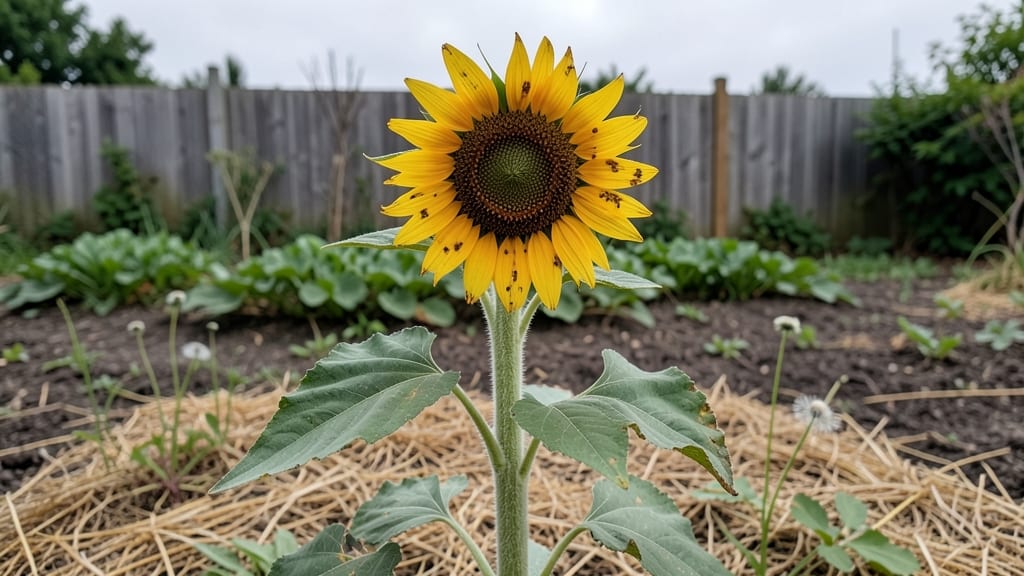
Growing Hopi dye sunflowers unlocks a vibrant tradition right in your backyard—these drought-tolerant beauties produce seeds that yield stunning golden, orange, and red dyes. I first planted them in my high-desert garden after struggling with water-guzzling annuals, and they’ve become my go-to for both color and conversation starters.
Their deep roots make them perfect for dry climates, while their striking seed heads add texture to any landscape. The real magic? Those seeds transform into natural dyes that rival commercial products.
You’ll need full sun (at least 6 hours daily), well-draining soil, and minimal fuss—these sunflowers thrive where others fail. Start seeds indoors 6-8 weeks before last frost or sow directly after soil warms, spacing plants 12-18 inches apart.
Water deeply once a week once established; they’re tough enough to handle drought once rooted. The key to dye extraction lies in the seeds: harvest them when fully mature (brown and dry), then crush them for rich, earthy hues that work on fabric, paper, or even yarn.
By midsummer, you’ll have towering plants with seed heads that catch the light like golden lanterns. The dye process is simple: soak crushed seeds in hot water for 2-4 hours, strain, and use the liquid on natural fibers.
It’s a hands-on way to connect with Native American traditions while creating something uniquely yours. Plus, the plants attract pollinators and add a cultural touch to any garden.
Works in USDA zones 3-9, making them versatile for most gardeners. Even in containers, they’ll reward you with both beauty and utility. Ready to grow your own dye source? Let’s get those seeds in the ground!
📚 In This Guide
- What you need
- Instructions
- Tips and common mistakes
- Wrapping up and next steps
What you need
- ● Hopi dye sunflower seeds – Purchase from a trusted seed supplier (e.g., Native American Seed or Baker Creek Heirloom Seeds). Aim for 5-10 seeds per plant if starting indoors or 10-20 seeds for direct sowing in the garden.
- ● Well-draining soil mix – A blend of 60% native soil, 30% compost, and 10% perlite or coarse sand to mimic arid conditions. Hopi sunflowers thrive in sandy or loamy soil with a pH of 6.0-7.5.
- ● Containers or garden space – For indoor starts: 4-6 inch biodegradable pots (or 2-3 seeds per 6-pack cell) with drainage holes.
- ● For direct sowing: A sunny spot in your garden with at least 6-8 hours of sunlight daily and 18+ inches of spacing between plants (they grow 4-6 feet tall).
- ● Watering can or hose with a gentle spray nozzle – Hopi sunflowers are drought-tolerant but need consistent moisture during germination (1/2 inch per week once established).
- ● Organic mulch – Straw or shredded leaves (1-2 inches thick) to retain moisture and suppress weeds.
- ○ Fertilizer (optional but helpful) – A low-nitrogen, balanced fertilizer (e.g., 5-5-5 or 3-4-6) to encourage strong root and flower growth. Apply once at planting and again after 6 weeks.
- ● Compost tea or worm castings for a natural boost.
- ● Hand trowel or transplanting spade – For digging holes or gently moving seedlings.
- ● Garden gloves – Protect your hands from prickly stems and thorns.
- ● Pruning shears – To trim dead foliage or harvest seeds later.
- ○ Sunflower trellis or stakes (optional) – If your sunflowers lean, a 3-4 foot bamboo stake can provide support.
- ● Row cover or shade cloth (for early planting) – Helps protect young seedlings from wind or pests in cooler climates.
- ● Seed-starting kit (if starting indoors) – Includes heating mats (70-75°F) for faster germination.
- ● Pest deterrents – Neem oil spray – For aphids or beetles.
- ● Diatomaceous earth – To combat soil-dwelling pests.
Step-by-step guide to growing Hopi dye sunflowers
Here's how to cultivate these stunning native sunflowers that thrive where others struggle.
Select the Right Location for Maximum Sun Exposure
Hopi dye sunflowers demand full sun—at least 6-8 hours of direct sunlight daily—to reach their full 3-4 foot height and vibrant yellow-orange blooms. Choose a spot with southern or western exposure, as these sunflowers originate from arid regions where intense light is essential. I always test a site by observing how long it stays dry between waterings; these sunflowers despise soggy soil.
Clear the area of weeds and loosen the top 6 inches of soil with a garden fork. The native roots appreciate well-draining soil, so avoid compacted clay. If your soil drains poorly, amend with 2-3 inches of coarse sand or perlite mixed into the top layer. This prevents root rot, which is the number one killer of young plants in heavy soils.
Plant Seeds at the Correct Depth and Spacing
Sow seeds ¼ inch deep in early spring, 2-3 weeks before your last frost date, once soil temperatures reach 60°F. I plant 4 seeds per hole, spaced 12-18 inches apart in rows 2 feet apart—this gives mature plants room to establish strong taproots without competing. The seeds are large, so I use my thumb to make a small furrow rather than a seedling tray.
Cover lightly with soil and water gently to settle without displacing seeds. Press the soil surface lightly with your hand to create firm contact—this prevents seedlings from blowing away in dry winds. Mark each row with small stakes to avoid disturbing roots during later watering. Hopi dye sunflowers germinate in 7-14 days, depending on soil warmth.
Water Deeply but Infrequently to Encourage Drought Tolerance
After germination, water deeply once a week rather than frequent shallow waterings. The goal is to encourage deep root growth—1-2 inches of water per week is ideal, delivered at the base of the plant. I use a soaker hose to avoid wetting foliage, which reduces fungal risks. Let the top 2 inches of soil dry out between waterings; wilting leaves are normal and signal the plant is accessing stored moisture.
Once plants reach 12 inches tall, reduce watering to every 10-14 days unless your region experiences extreme heat. Overwatering causes weak stems that flop under their own weight. You'll know moisture is right when the soil 1 inch below the surface feels dry but not powdery.
Provide Minimal Support and Monitor for Pests
Hopi dye sunflowers rarely need staking, but if your plants exceed 3 feet in windy conditions, insert 3-foot stakes at planting and tie stems loosely with soft twine. Avoid tight bindings—they restrict growth. The blooms are heavy, so check stems weekly for signs of bending or leaning.
Watch for sunflower beetles and aphids, which target young leaves. I spray plants with neem oil at the first sign of infestation, focusing on the undersides of leaves where pests hide. Native pollinators like bees and butterflies will visit—leave some flowers unsprayed to support them.
Harvest Seeds for Future Plantings or Enjoy Dried Blooms
When flower heads turn brown and papery, cut entire stems and hang them upside down in a dry, well-ventilated area. The seeds mature in 4-6 weeks. I place stems in paper bags to catch falling seeds—this prevents cross-contamination with other varieties. Once seeds rattle inside the dried heads, remove them and store in a cool, dark place for up to 2 years.
For dried arrangements, harvest fully open blooms in the morning when moisture levels are lowest. Remove leaves and stems, then dry upside down in a shady, airy space for 2-3 weeks. The vibrant petals retain their color beautifully, making them perfect for native-themed bouquets or wreaths.
Tips & tricks for perfect Hopi dye sunflower cultivation
Mastering these sunflowers' unique needs transforms your garden into a thriving native oasis. Here's what I've learned after years of growing them successfully.
Location is Everything: The 6-8 hours of direct sunlight requirement is non-negotiable for these desert-adapted plants. I've found that southern-facing slopes get even more intense light—perfect for Hopi dye sunflowers. If your yard has limited sun exposure, consider growing them in large containers where you can move them to follow the sun's path throughout the day. This mimics their natural arid environment where they receive maximum light exposure.
Soil Preparation Secret: When amending heavy clay soils, I mix in 2-3 inches of coarse sand or perlite to create that ideal loose, well-draining texture. The key is to work this amendment into the top 6 inches of soil—this matches the depth where Hopi dye sunflowers establish their primary root system. I always test drainage by pouring water into a hole; if it doesn't drain within 30 minutes, I need to add more amendments.
Planting Precision: The ¼-inch depth for planting seeds might seem shallow, but it's crucial for these sunflowers. Too deep and they'll struggle to emerge; too shallow and they'll dry out. I make a small furrow with my thumb rather than using a trowel to avoid disturbing the soil structure. Planting 4 seeds per hole gives you insurance against germination failures, and the 12-18 inch spacing prevents overcrowding that leads to weak stems.
Watering Wisdom: The once-weekly deep watering routine might seem counterintuitive, but it's what creates those strong taproots these sunflowers are known for. I use a soaker hose to deliver the 1-2 inches of water per week directly to the base, avoiding wetting the foliage. This prevents fungal issues while encouraging roots to grow deeper in search of moisture. The wilting you'll see is completely normal—it's how the plant signals it's accessing stored water from those deep roots.
Pro Tips for Hopi Dye Sunflower
- Mastering these sunflowers' unique needs transforms your garden into a thriving native oasis.
- Location is Everything: The 6-8 hours of direct sunlight requirement is non-negotiable for these desert-adapted plants.
- Soil Preparation Secret: When amending heavy clay soils, I mix in 2-3 inches of coarse sand or perlite to create that ideal loose, well-draining texture.
Frequently asked questions
Got questions about growing and using Hopi dye sunflowers? You’re in the right place! Here are answers to the most common queries—from planting to dye extraction—so you can confidently embrace this traditional, drought-tolerant beauty.
How long does it take for Hopi dye sunflowers to mature and produce flowers?
Hopi dye sunflowers typically mature in 80–100 days from seed, depending on your climate. In arid regions, they may take slightly longer but thrive with minimal water once established. Look for bright yellow petals with dark centers—the perfect sign they’re ready for dyeing!
Can I use Hopi dye sunflowers for anything other than dye?
Beyond their natural dye properties, these sunflowers are:
- Edible seeds: Roast them like snack seeds (rich in protein!).
- Pollinator magnets: Attract bees and butterflies to your garden.
- Drought-resistant cut flowers: Long-lasting in bouquets.
When is the best time to harvest sunflowers for dye?
Harvest fully open flowers in the morning for the brightest yellow dye. Cut stems at the base, strip petals, and dry them in a shady, well-ventilated spot (like a screen or mesh bag). Pro tip: Freeze fresh petals if you can’t dry them immediately—they’ll keep their vibrancy!
Are Hopi dye sunflowers truly drought-tolerant? How much water do they need?
Yes! Once established, they thrive on rainwater alone in arid climates. Water deeply 1–2 times per week during germination (first 2–3 weeks) and when flowering. Mulch around the base to retain moisture—this mimics their native Hopi environment.
What if my sunflowers aren’t producing much dye? Troubleshooting tips?
Try these fixes:
- Sun exposure: Ensure they get 6+ hours of direct sunlight daily.
- Soil health: Amend with compost if soil is rocky or poor-draining.
- Overcrowding: Space plants 12–18 inches apart for better airflow.
- Pest check: Watch for aphids or beetles—spray with soapy water if needed.
If all else fails, more flowers = more dye—just plant extra!
Wrapping up and next steps
Growing Hopi dye sunflowers isn’t just about cultivating a stunning, drought-resistant plant—it’s a celebration of Native heritage and sustainable beauty. Whether you’re drawn to their vibrant blooms, cultural significance, or resilience in arid climates, these sunflowers offer a rewarding experience for gardeners of all levels. 🌻
Ready to bring a touch of Hopi tradition to your garden? Start small—plant a few seeds or share this guide with fellow plant enthusiasts! Your next step could be experimenting with natural dye techniques or even gifting cuttings to friends.
The earth will thank you, and so will your soul. 💚