
Flowers
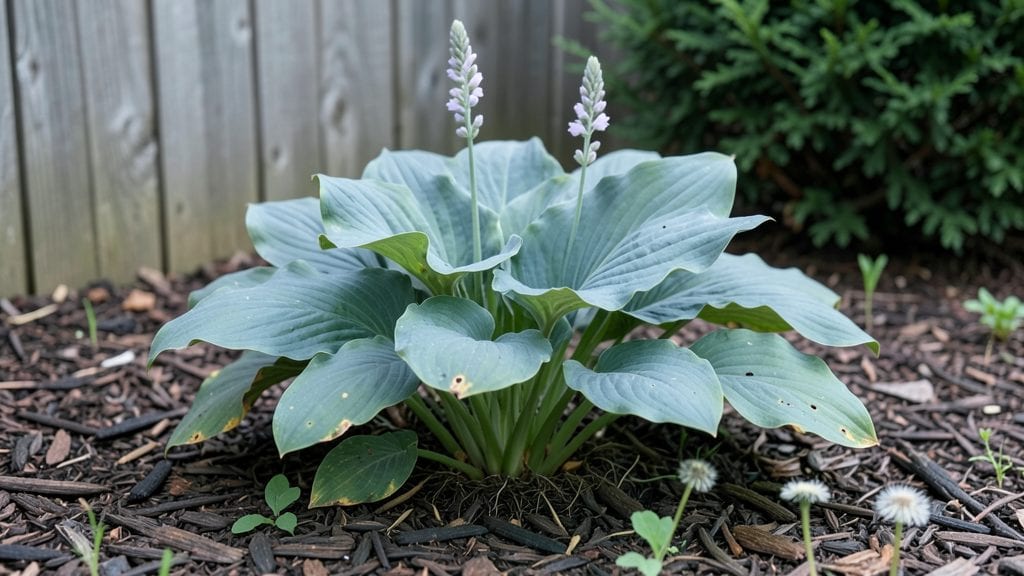
A hosta flower bed transforms shady corners into lush, low-maintenance paradises—exactly what my first garden needed after years of struggling with high-light plants. 🌿 The secret isn’t just the hostas themselves, but how they pair with other shade-lovers to create texture and color that lasts all season long.
I designed mine around a simple color scheme (silver-blue hostas with deep purple foliage) that pops against the green, and the result is a garden that feels alive even in winter.
Here’s what makes it work: hostas thrive in partial to full shade, so you can fill those tricky spots most plants avoid. Pair them with ferns, heucheras, and astilbes for height and seasonal blooms, plus a few evergreen shrubs like boxwood or pieris for structure.
The soil mix is the real game-changer—rich, well-draining compost blended into your native soil keeps roots happy without demanding constant care. Once established, these beds need only one pruning session per year and minimal watering.
What you’ll end up with is a garden that’s shockingly lush with almost no effort. The hostas’ broad leaves create a dramatic backdrop, while the complementary plants add movement and seasonal interest—spring blooms, summer foliage, and fall color.
Even in winter, the structure stays intact, and the texture keeps the space from feeling flat. The best part? You’ll spend more time admiring than weeding.
This design works for any shade garden, from small city plots to large woodland edges. The key is playing with height, texture, and foliage colors to create depth, while keeping the hostas as the star. Let’s break down how to make it happen in your space!
📚 In This Guide
- What you need
- Instructions
- Tips and common mistakes
- Wrapping up and next steps
What you need
- ● Hosta plants: Choose 3–5 varieties (e.g., Hosta 'Blue Angel', 'Halcyon', or 'Francee') for texture and color contrast. Plan for 6–12 plants per 4’x4’ bed (adjust based on mature size).
- ● High-quality soil: 2–3 cubic yards of well-draining, organic-rich soil (amend with compost for moisture retention).
- ● Mulch: 2–3 bags of shredded bark or wood chips (3–4 inches deep) to suppress weeds and retain moisture.
- ● Fertilizer: Slow-release balanced fertilizer (10-10-10) or organic options like composted manure.
- ● Garden trowel (for planting)
- ● Garden fork or spade (for soil prep)
- ● Wheelbarrow (for hauling soil/mulch)
- ● Measuring tape & stakes (to mark bed layout)
- ● Pruners or shears (for cleanup)
- ● Watering can or hose with nozzle (for gentle watering)
- ● Edging material (stone, brick, or metal) to define the bed.
- ● Decorative rocks or pebbles for a polished look.
- ● Drip irrigation system for low-maintenance watering.
- ● Shade-tolerant companions: Ferns, astilbes, or heucheras to fill gaps.
Step-by-step instructions for creating a hosta flower bed
Here's how to craft a stunning, low-maintenance hosta garden that thrives year-round.
🪴 Step 1: Choose and Prepare Your Planting Site
Hostas love shade to partial shade, so pick a spot that gets 3-6 hours of morning sun or dappled light all day. Avoid areas with hot afternoon sun, which can scorch their leaves. I always test the soil first—hostas prefer moist, well-draining soil with a pH of 6.5-7.5. If your soil is heavy clay, mix in 2-3 inches of compost to improve drainage and fertility.
Mark the bed area with stakes and string to visualize the space. Hostas grow in clumps, so space them 18-24 inches apart for mature size. For a lush look, plant 5-7 hostas per square foot in varying sizes and leaf colors. This creates instant visual interest and fills in quickly.
🌱 Step 2: Plant Hostas at the Right Depth and Spacing
Dig holes twice as wide as the root ball but only as deep as the top of the root system. Hostas hate being buried too deep—this can cause rot. Gently remove the plant from its container and loosen the roots if they're circling. Place it in the hole so the top of the root ball sits 1 inch below soil level.
Fill the hole with soil, pressing lightly to remove air pockets. Water deeply to settle the soil and eliminate gaps. I always add a handful of slow-release fertilizer to the backfill soil to give the hostas a nutrient boost as they establish. Mulch around the base with 2-3 inches of shredded bark or wood chips to retain moisture and suppress weeds.
☀️ Step 3: Water and Maintain Through the Growing Season
Water newly planted hostas deeply 2-3 times per week until they're established, which takes about 4-6 weeks. You'll know they're settled when new growth appears and the soil stays moist but not soggy. Hostas are drought-tolerant once established, but they'll reward you with bigger leaves if you keep the soil consistently moist.
Fertilize in early spring with a balanced, slow-release fertilizer to encourage lush foliage. I use a 10-10-10 formula and follow the package instructions for application rates. Avoid high-nitrogen fertilizers—they promote leaf growth at the expense of flower production, which is one of hosta's charms.
✂️ Step 4: Prune and Care for Year-Round Beauty
Hostas are one of the easiest perennials to grow because they require minimal pruning. In early spring, remove any dead or damaged leaves to make room for new growth. Cut back any flower stalks after they've faded to keep the bed tidy. This also redirects the plant's energy into foliage production for the next season.
Divide mature hostas every 3-4 years in early spring or fall to prevent overcrowding. Dig up the clump, separate the smaller crowns, and replant them immediately. This rejuvenates the bed and gives you free plants to share with friends. Hostas spread quickly, so dividing them keeps the center of the clump from becoming bare.
🌿 Step 5: Protect and Enjoy Year-Round Interest
In late fall, cut back any remaining dead foliage to 2 inches above the soil line. This prevents disease and makes it easier to spot new growth in spring. Hostas are generally pest-free, but keep an eye out for slugs and snails, which love their tender leaves. A barrier of diatomaceous earth or copper tape around the bed deters these pests without chemicals.
Hostas offer year-round interest—even in winter, their sturdy foliage adds texture to the garden. In early spring, you'll see new shoots pushing through the soil, and by summer, their lush leaves create a stunning green carpet. With minimal care, your hosta flower bed will be the envy of the neighborhood.
Tips & tricks for perfect hosta flower beds
Creating a stunning hosta bed doesn't require a green thumb—just these pro gardening tricks to make your shade garden shine.
Sunlight Strategy: That 3-6 hours of morning sun is critical for hostas, but don't be fooled by partial shade labels. Test your spot for a full week first—hostas will thank you with bigger leaves and fewer brown spots. I've seen hostas struggle in areas that seemed perfect until I did this test. Morning sun is ideal because it's gentler than harsh afternoon rays.
Soil Science: The 6.5-7.5 pH range is non-negotiable for happy hostas. If your soil tests lower, sprinkle dolomitic lime into the planting hole before adding backfill soil. For heavy clay soil, mix in that 2-3 inches of compost right into the planting area—not just the hole—so the roots get consistent nutrition throughout. Think of it like giving your hostas a nutrient-rich blanket to grow in.
Planting Precision: When placing those 18-24 inch spaced hostas, use a garden hose to trace the outline of your bed first. This visual guide prevents uneven spacing that can make your garden look haphazard. Pro tip: Plant slightly deeper than the container level—about 1 inch below soil line—as this helps prevent crown rot while keeping the roots cool.
Watering Wisdom: Those 2-3 deep waterings per week should happen in the morning so leaves dry quickly. I use a rain gauge to measure exactly 1 inch of water per session—hostas hate soggy feet but love consistent moisture. A soaker hose buried slightly in the mulch delivers water right to the roots without wetting the leaves, which helps prevent fungal issues.
Pro Tips for Hosta Flower Bed
- Creating a stunning hosta bed doesn't require a green thumb—just these pro gardening tricks to make your shade garden shine.
- Sunlight Strategy: That 3-6 hours of morning sun is critical for hostas, but don't be fooled by partial shade labels.
- Soil Science: The 6.5-7.5 pH range is non-negotiable for happy hostas.
Frequently asked questions
When is the best time to plant hostas in my flower bed?
The ideal time to plant hostas is in early spring or early fall when soil temperatures are cool but not frozen. This gives roots time to establish before extreme heat or cold. Avoid planting in summer—hostas hate drought stress! If you’re adding them to an existing bed, choose a cloudy day to reduce transplant shock.
How often do I need to prune hostas, and when should I do it?
Hostas are low-maintenance, but a light cleanup in early spring (before new growth appears) keeps them tidy. Remove any yellowed or damaged leaves with clean pruners. Skip summer pruning! Cutting back foliage mid-season can stress the plant. Fall cleanup (after frost) is optional—just tidy up dead leaves for a fresh spring start.
Are hostas deer- or slug-resistant? What can I do if pests attack?
Hostas are deer magnets but slug magnets too—especially in damp climates. To deter deer, try repellent sprays or plant them near thorny companions like roses or barberry. For slugs, set up beer traps or use copper tape barriers. If damage occurs, trim affected leaves and keep soil dry to discourage pests.
Can I mix hostas with other plants in my flower bed?
Hostas thrive in shady or partially shady beds and pair beautifully with:
- Ferns (e.g., maidenhair or ostrich fern)
- Hydrangeas (for height and color contrast)
- Heucheras (for foliage variety)
- Astilbes (for airy, feathery blooms)
How much water do hostas need, and how do I keep them happy in drought?
Hostas prefer consistently moist (not soggy) soil. Water deeply 1–2 times per week during dry spells, aiming for 1 inch of water. For drought tolerance, choose thicker-leaved varieties (like ‘Blue Angel’ or ‘Halcyon’) and mulch heavily. Avoid overhead watering—it encourages slugs and fungal diseases.
Do hostas survive winter, and how do I protect them?
Most hostas are hardy to USDA zones 3–9, but young plants or tender varieties may need protection. In extreme cold (below 0°F), mulch with 4–6 inches of straw or leaves after the ground freezes. Avoid heavy mulch in mild winters—it can rot leaves. In spring, remove mulch once new shoots appear.
Wrapping up and next steps
Creating a hosta flower bed is a rewarding way to add year-round lushness to your garden with minimal effort! 🌿 These shade-loving plants thrive with basic care, offering vibrant foliage and occasional blooms that bring life to any space.
Whether you're a seasoned gardener or just starting out, a well-planned hosta bed delivers beauty and tranquility.
Ready to transform your outdoor space? Start by selecting your favorite hosta varieties, prepping the soil, and planting with confidence. Take the next step today—grab your gardening gloves and turn your vision into a thriving, low-maintenance oasis!