
Blooming
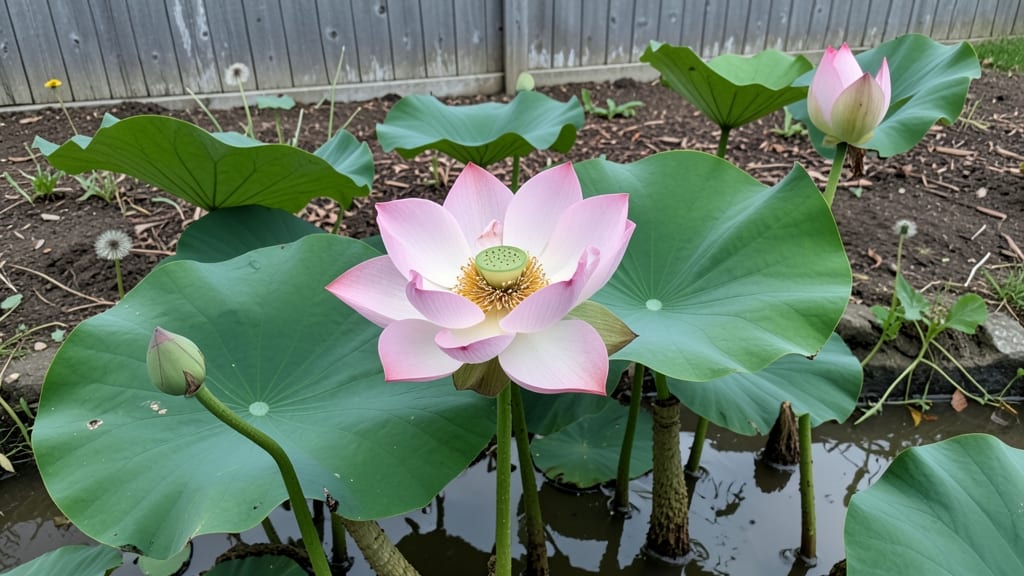
One of nature’s most fleeting wonders, the lotus reveals how long do lotus flowers last—just 24 to 72 hours of dusk-to-dawn magic. 🌸 I’ve watched them unfurl at dawn, petals trembling like living silk before the sun.
The short lifespan isn’t a flaw; it’s what makes each bloom feel like a rare gift, especially when you’re arranging them in vases.
Environmental conditions play a huge role in extending that time. Cool water, indirect light, and a clean vase keep stems hydrated and petals crisp for days longer than average. Even the time of year matters—spring lotuses often last slightly longer than summer blooms, which wilt faster in heat.
Proper care turns those 24 hours into a full week of enjoyment.
What’s surprising is how lotus flowers reopen if stored correctly. After their first cycle, they can last 3 to 5 days in ideal conditions, giving you multiple chances to admire their velvety texture and delicate symmetry.
The secret? Change the water daily and trim stems at an angle to prevent bacterial buildup.
Beyond vase life, lotus plants themselves live for years, with roots surviving winter dormancy to rebloom season after season. Whether you’re growing them in ponds or arranging cut blooms, understanding their rhythm transforms a temporary flower into a lasting experience. Here’s how to make every hour count.
📚 In This Guide
- What you need
- Instructions
- Tips and common mistakes
- Wrapping up and next steps
What you need
- ● Fresh lotus flowers: 1–3 stems (preferably unopened buds for longer vase life). Choose blooms with firm, vibrant petals and no signs of wilting.
- ● Clean vase: A glass or ceramic container (6–12 inches tall, depending on stem length). Pro tip: 💡 Use dark-colored vases to slow water evaporation!
- ● Fresh, cool water: 2–3 cups (fill the vase ⅔ full to prevent bacterial growth).
- ● Floral preservative: 1 packet (or 1 tsp of white vinegar + 1 tsp sugar as a DIY alternative).
- ● Sharp pruning shears or knife: For clean cuts (sterilize with rubbing alcohol if reusing).
- ● Newspaper or paper towels: To line the vase base and absorb excess moisture.
- ● Aluminum foil: Wrap the vase bottom to block light and reduce bacterial growth.
- ● Hydrogen peroxide (3% solution): 1 tbsp added to water to keep it fresh longer.
- ● Decorative pebbles or marbles: Place at the vase bottom to weigh down stems and improve water circulation.
- ● Floral food sticks: Dissolve 1 stick in warm water for extra nourishment.
How to maximize lotus flower freshness in a vase
Here’s how to keep your lotus blooms vibrant for up to two weeks—no fancy tricks, just smart care.
💧 Step 1: Prep the Flowers Before Arranging
Start by trimming the stems at a 45-degree angle with clean, sharp scissors. Cut about 2 inches from the base to remove any damaged or wilted sections. This prevents clogged stems, which starve the flowers of water. I like to do this under running water to keep the stems clean and hydrated.
Next, place the stems in a bucket of lukewarm water for 30 minutes before arranging. This helps rehydrate the flowers after cutting and removes any air bubbles that could block water uptake. Avoid cold water—it shocks the delicate stems and shortens their lifespan.
✂️ Step 2: Choose the Right Vase and Water
Use a clean vase with a wide mouth to accommodate the lotus stems comfortably. A 3-4 gallon vase works well for 4 stems, giving them enough space to drink without crowding. Fill the vase with room-temperature water—never tap water straight from the faucet, as chlorine can harm the flowers.
Add 1 teaspoon of bleach to the water to prevent bacterial growth, which causes stems to clog and flowers to wilt prematurely. You can also include a floral preservative (like those sold in grocery stores) to extend freshness further. Change the water every 2-3 days to keep it fresh and clear.
☀️ Step 3: Arrange and Position for Longevity
Place the lotus stems in the vase and trim any leaves that would sit below the waterline. Submerged leaves rot quickly, which can spread bacteria to the stems. Arrange the blooms so they’re not touching each other—this prevents bruising and encourages each flower to open fully.
Keep the vase in a cool, bright spot away from direct sunlight, drafts, or heating vents. Lotus flowers thrive in 65-75°F temperatures and wilt faster in hot or dry conditions. A bathroom or kitchen counter works well—just avoid placing them near ripening fruit, which releases ethylene gas and speeds up aging.
🌿 Step 4: Maintain Daily Care for Peak Freshness
Check the water level daily and top it off as needed to keep the stems submerged. Remove any wilted blooms or yellowing leaves immediately—they release enzymes that accelerate decay in the vase. I also like to give the stems a quick 10-second rinse under cool water every 2-3 days to remove dust and bacteria buildup.
Mist the blooms lightly with water once a week to keep the petals hydrated and prevent them from drying out. Avoid over-misting, though—too much moisture can cause mold. If you notice the petals drooping, place the vase in a humidifier for a few hours to revive them.
⏰ Step 5: Know When to Refresh the Setup
After 7-10 days, the water will start to look cloudy, and the stems may feel soft or mushy. This is your cue to re-cut the stems at a 45-degree angle and place them in fresh, room-temperature water with a new preservative. Trim off any wilted blooms and leaves before rearranging.
With this care routine, your lotus flowers should stay fresh and beautiful for up to 2 weeks. The key is consistency—clean water, trimmed stems, and a cool environment make all the difference. Once they start to fade, enjoy their serene beauty before composting the stems or arranging them in a dried flower display.
Tips & tricks for perfect lotus flower freshness
Keeping lotus flowers vibrant in a vase isn't rocket science—just a few smart tricks that make all the difference. Here's what nobody tells you about maximizing their lifespan.
Temperature Matters: That 30-minute lukewarm water soak in Step 1 is your secret weapon. Cold water shocks the delicate stems, while hot water cooks them. Aim for water that feels like a warm bath—not scalding, but definitely above room temperature. I keep a thermometer handy and target 80°F for that perfect balance.
The Bleach Hack: Don't skip that 1 teaspoon of bleach in Step 2—it's not about smell, it's about science. The chlorine kills bacteria that would otherwise clog stems within days. For a gentler option, use 1/4 teaspoon of hydrogen peroxide instead. I've found this prevents that cloudy water smell that ruins the ambiance.
Positioning Secret: Lotus flowers are divas about their environment. In Step 3, place your vase where it gets indirect light—think east-facing window or shaded counter. Direct sun bleaches petals, while drafts (even from air conditioning) cause them to wilt faster. I've seen lotuses last twice as long when positioned properly versus poor locations.
Refresh Rhythm: The 7-10 day refresh in Step 5 is non-negotiable, but here's the pro move: when you re-cut stems, place them in ice water for 10 minutes before arranging. This shock treatment closes any open stem ends, preventing water loss that leads to premature wilting. It's like giving your flowers a spa day!
Pro Tips for How Long Do Lotus Flowers Last
- Keeping lotus flowers vibrant in a vase isn't rocket science—just a few smart tricks that make all the difference.
- Temperature Matters: That 30-minute lukewarm water soak in Step 1 is your secret weapon.
- The Bleach Hack: Don't skip that 1 teaspoon of bleach in Step 2—it's not about smell, it's about science.
Frequently asked questions
about how long lotus flowers last—plus tips to keep them fresh longer!How long do lotus flowers last in a vase?
With proper care, lotus flowers typically last 5–7 days in a vase. Some varieties, like the sacred blue lotus, may bloom for up to 10 days if kept in clean, cool water and trimmed regularly. Overheating or direct sunlight can shorten their lifespan.
Why do my lotus flowers wilt so fast?
Lotus flowers wilt quickly due to bacterial buildup in water, overcrowding, or poor cutting. Always use fresh, room-temperature water, recut stems at a 45° angle every 2–3 days, and remove fallen petals to prevent decay. Pro tip: Add a drop of bleach or flower food to the water for extra freshness!
Can I extend the life of cut lotus flowers?
To maximize their lifespan:
- Change the water every 2 days to prevent bacteria.
- Store them in a cool, shaded spot (avoid direct sunlight).
- Trim stems underwater to encourage hydration.
- Remove any yellowing leaves to reduce waste.
What’s the best way to preserve lotus flowers beyond cutting?
If you want to save lotus flowers long-term, try:
- Drying: Hang upside down in a dark, dry place for 2–4 weeks.
- Pressing: Place between heavy books for 2–3 weeks (great for crafts!).
- Freezing (for petals): Lay flat on parchment paper before freezing for later use in teas or potpourri.
Are there any lotus varieties that last longer than others?
Yes! Pink and white lotuses tend to last slightly longer (up to 8 days) compared to darker varieties like black lotuses, which may wilt faster due to their denser petals. Sacred blue lotuses are also known for their durability—just handle them with care, as they’re more delicate.
Wrapping up and next steps
Lotus flowers are a stunning addition to any vase, but their lifespan depends on proper care—like fresh water, trimming, and a cool spot. With the right techniques, you can enjoy their beauty for up to 7–10 days (or even longer!).
Whether you’re a beginner or a seasoned flower lover, these tips will help you maximize their freshness and elegance.
Now that you’re armed with the secrets, grab a vase, snip those stems, and let the magic unfold! 🌸 Ready to create your own blooming masterpiece? Try it today!