Propagation
Discover how to keep cats from flower beds naturally—my once-trampled blooms now thrive with these clever, cruelty-free tricks that stop them in their tracks within a day. 🌱 I tried everything from citrus peels to prickly plants, and some solutions actually make your garden look better while keeping kitties away.
You’ll need just a few supplies: chicken wire (for physical blocks), mulch (to disguise barriers), and citrus peels or coffee grounds (for scent deterrents). Motion-activated sprinklers are another game-changer—they startle cats without harming them. The best part? These methods blend into your landscape instead of looking like a DIY fail.
Within days, you’ll see fewer claw marks and more blooms thriving where they belong. Your flowers will grow taller, the soil stays undisturbed, and your cats stay happy elsewhere. The secret is combining physical barriers with scent-based deterrents—cats avoid both instinctively.
Works for any yard size, from small urban gardens to sprawling landscapes. Once you set up the right mix, you’ll wonder why you didn’t do this sooner. Let’s get those flower beds back to their full glory!
📚 In This Guide
- What you need
- Instructions
- Tips and common mistakes
- Wrapping up and next steps
What you need
- ● Chicken wire or hardware cloth: 1 roll (at least 18" tall, 1/2" mesh size) to deter digging and climbing.
- ● Stakes or U-shaped pins: 6–10 (for securing wire in place).
- ● Garden twine or zip ties: For extra reinforcement if needed.
- ● Pebbles, marbles, or smooth stones: 1–2 gallons (for creating a noisy, uncomfortable surface).
- ● Mulch (cypress or pine straw): 2–3 bags (to smother soil and deter digging).
- ● Pruners or scissors: For trimming plants or adjusting barriers.
- ○ Gloves (optional but recommended): To protect your hands while handling materials.
- ● Citrus peels or coffee grounds: Sprinkle around the bed for a natural deterrent.
- ● Plastic bottles with water and pebbles: 3–5 (create DIY "noise bombs" to scare cats away).
- ● Commercial cat repellent spray: (Check for pet-safe formulas like vinegar-based sprays).
- ● Decorative rocks or edging: To blend barriers into your garden’s aesthetic.
Step-by-Step instructions for creating natural cat deterrents in flower beds
Here's how to protect your blooms without resorting to harsh chemicals or expensive fencing.
🪴 Step 1: Assess Your Flower Beds and Cat Activity
First, identify the most vulnerable spots in your flower beds—cats typically target areas with soft soil, fresh mulch, or their favorite scent markers. Walk around your garden at dawn and dusk when cats are most active and look for claw marks, disturbed soil, or concentrated urine smells. These are your priority zones for deterrents.
Note the size of the area you need to protect. For small beds (3 feet wide), you can use targeted deterrents. Larger areas may require a combination of methods. I always start by mapping out the perimeter with chalk or a garden marker to visualize where barriers will go.
🌿 Step 2: Install Physical Barriers Using Natural Materials
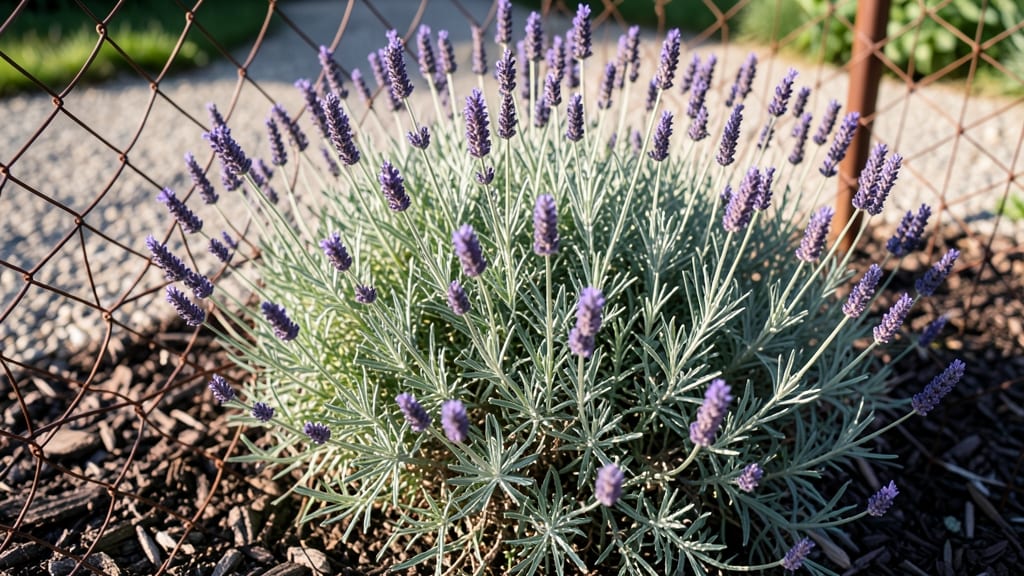
For immediate protection, create a physical barrier using prickly plants like rosemary, lavender, or ornamental grasses. Plant these in a 1-foot-wide band around the perimeter of your flower beds. Cats dislike the texture and scent of these plants, and their spiky stems discourage digging. Space them 6-8 inches apart to create a dense, uninviting border.
If planting isn't an option, use landscape fabric or hardware cloth buried 2-3 inches deep around the edges of the bed. Leave a 1-inch border exposed above ground to prevent cats from digging underneath. This method works instantly and can be hidden beneath mulch or decorative rocks for a clean look.
✂️ Step 3: Apply Scent Deterrents Strategically
Cats have sensitive noses, so strong, unpleasant scents are highly effective. Mix citrus peels (lemon, orange, or grapefruit) with crushed red pepper flakes and sprinkle the blend along the edges of your flower beds. Refresh every 3-4 days or after rain, as the scent fades quickly. I like to use a small mesh bag filled with this mixture and place it near high-traffic areas for a longer-lasting effect.
Another natural option is coffee grounds. Sprinkle used grounds around the perimeter of your flower beds—the strong, bitter smell repels cats while also enriching the soil. Reapply after watering or heavy rain. For a stronger deterrent, combine coffee grounds with vinegar (1 part vinegar to 3 parts water) and spray lightly along the edges. The smell dissipates quickly but is enough to keep cats away temporarily.
💧 Step 4: Use Motion-Activated Deterrents for Stubborn Cats
If your cats are particularly persistent, motion-activated sprinklers can be a game-changer. These devices detect movement and release a gentle spray of water when triggered. Place them around the perimeter of your flower beds, ensuring they cover the most vulnerable areas. The sudden spray startles cats without harming them, and it works instantly to train them to avoid the space.
For a low-tech alternative, try wind chimes or aluminum pie pans. Hang them near the flower beds or place them on the ground where cats dig. The noise and movement disrupt their focus and encourage them to seek quieter spots. I’ve found that a combination of wind chimes near the edges and pie pans buried slightly in the soil works best for deterring digging.
☀️ Step 5: Maintain and Reinforce Deterrents Regularly
Check your deterrents every 3-5 days to ensure they’re still effective. Refresh scent-based deterrents, replant any displaced prickly plants, and adjust physical barriers if cats find a way around them. Cats are clever and may adapt to static deterrents, so rotate methods seasonally to keep them guessing.
Incorporate catnip or silver vine in a separate area of your garden to distract them. Plant these herbs or place them in a container away from your flower beds. The scent will lure cats to a designated spot, giving your flowers a chance to thrive. This method works best for cats that are curious but not aggressive diggers.
Tips & tricks for natural cat deterrents in flower beds
Here's what I've learned from years of keeping my flower beds cat-free without harsh chemicals.
Location Matters: When mapping your perimeter in Step 1, focus on the softest soil areas—cats target these spots for digging. I've found that areas near fences, patios, or shaded corners are especially vulnerable. Use a garden marker to outline these zones before applying any deterrents, as this helps visualize where to concentrate your efforts.
Layer Your Defenses: In Step 2, combine physical barriers with scent deterrents for maximum effectiveness. For example, plant your 1-foot-wide band of prickly plants along the perimeter, then add the citrus-pepper blend right at the base. This multi-layered approach creates a sensory barrier that's much harder for cats to navigate around. I've seen cats completely avoid areas where both physical and scent deterrents are present.
Maintenance is Key: The 3-5 day check** mentioned in Step 5 is crucial—cats are smart and will eventually find ways around single deterrents. I recommend setting a phone reminder or tying the refresh schedule to your watering routine. For instance, if you water every 4 days, use that as your cue to refresh scent deterrents. This consistency keeps your flower beds protected without requiring constant attention.
Distraction Strategy: For cats that are particularly determined, incorporate the catnip or silver vine distraction mentioned in Step 5. Place these in a designated "cat garden" area at least 10 feet away from your flower beds. This gives cats a safe space to explore while keeping your prized blooms untouched. I've had success with silver vine, which is even more effective than catnip for many cats.
Pro Tips for Keep Cats From Flower Beds
- Here's what I've learned from years of keeping my flower beds cat-free without harsh chemicals.
- Location Matters: When mapping your perimeter in Step 1, focus on the softest soil areas—cats target these spots for digging.
- Layer Your Defenses: In Step 2, combine physical barriers with scent deterrents for maximum effectiveness.
Frequently asked questions
Got questions about keeping your feline friends out of your flower beds?
You’re not alone! Here are some of the most common concerns—and practical solutions—to help you protect your garden without stressing over scratches or dug-up dirt.
What’s the fastest way to stop cats from digging in flower beds immediately?
For instant results, try a physical barrier like chicken wire (buried 6–8 inches deep) or prickly plants such as lavender or rosemary. Cats dislike the texture and scent. Spraying citrus peels or vinegar (1:1 water ratio) also deters them within hours.
Will commercial cat repellents (like sprays or granules) actually work?
Yes, but effectiveness varies. Natural sprays (e.g., citrus, peppermint oil, or predator urine) are safer and often more reliable than chemical repellents. Reapply every 2–3 days or after rain. Pair them with barriers for best results.
Are there any plants that naturally repel cats?
Cats avoid strong-smelling herbs like:
- Coleus canina (safe, non-toxic, and effective)
- Lavender (calming for humans, repellent for cats)
- Rue or rue anemone (toxic to cats—use with caution)
How long does it take for cats to stop digging in treated areas?
Most cats adjust within 3–7 days if the deterrent is consistent. Start with a combination of barriers + repellents for faster results. If your cat keeps returning, try moving the barrier slightly or adding motion-activated sprinklers (like ScareCrow) for extra deterrence.
What should I do if my cat keeps digging despite the barriers?
First, check for underlying issues—boredom, stress, or instinctual behaviors (e.g., marking territory). Provide:
- A digging box filled with sand or cat-safe soil
- More playtime and scratching posts (15+ mins/day)
- Vertical space (cat trees or shelves) to redirect energy
Wrapping up and next steps
Keeping your feline friends out of your flower beds doesn’t have to be a battle—just a few simple, natural barriers can make all the difference! 🌿 From prickly plants to taste deterrents and clever landscaping tricks, there’s a solution that fits your garden’s style and your cat’s curiosity.
Start with one method, observe how your cat reacts, and adjust as needed.
Now that you’re armed with these effective, pet-friendly strategies, it’s time to give your flowers the care they deserve. Try one today, and watch your garden—and your cat—thrive! 🐾