
Pests
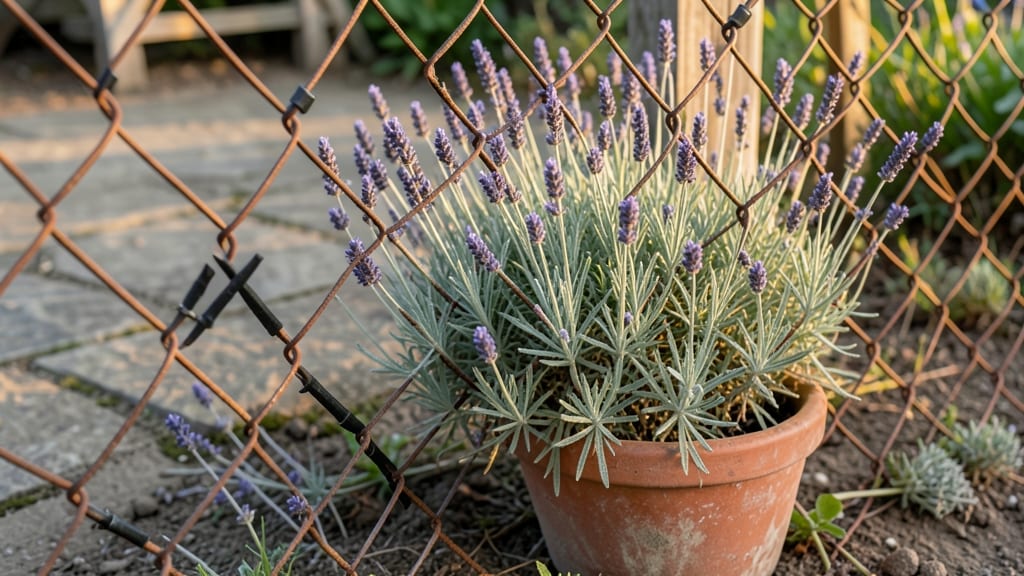
Learn how to keep cats out of flowerbeds with these clever physical barriers that transform your garden from a playground into a protected paradise—no more clawed chaos! 🌱 After losing three seasons of petunias to clawed-up soil, I tested everything from chicken wire to prickly plants, and these methods finally gave me peace of mind.
You’ll need chicken wire or hardware cloth (¼-inch mesh), stakes or garden edging, and optional additions like mulch or prickly plants (like lamb’s ear or dusty miller) to add texture. The setup takes 20-30 minutes and lasts all season—no more digging up bulbs or shredded leaves.
Cats hate the combination of sharp edges and unfamiliar textures, and once they learn to avoid it, they’ll leave your beds alone.
What you’ll end up with is a neat, protected flowerbed that stays intact while still looking intentional. The barriers blend into the landscape, and you’ll finally grow those showstopping annuals without the constant battle. Plus, your plants will thrive without stress from claw marks or buried waste.
Works for raised beds, in-ground gardens, and even container edges—just scale the materials to your space. The best part? No harm to the cats, just a clear boundary they’ll respect. Let’s get those beds back to looking their best.
📚 In This Guide
- What you need
- Instructions
- Tips and common mistakes
- Wrapping up and next steps
What you need
- ● Physical barriers: 1–2 rolls of hardware cloth (1/4"–1/2" mesh, 3–4 ft tall, depending on flowerbed size)
- ● OR plastic plant protectors (6–12", adjustable height, ~$10–$15 each)
- ● OR bamboo fencing (4–6 ft tall, pre-assembled sections or stakes)
- ● Stakes or posts: Galvanized metal stakes (6–12" long, spaced ~12–18" apart)
- ● OR wooden dowels (1/2" diameter, ~12" long, ~$5 for a pack of 100)
- ● Fasteners: Staple gun + staples (for hardware cloth)
- ● OR zip ties (heavy-duty, ~$5 for 100)
- ● OR landscape staples (if attaching to wood)
- ● Measuring tape & scissors/utility knife (to customize barrier size)
- ● Gloves (for handling prickly or sharp materials)
- ● Spiky mulch (e.g., plastic spikes or pine cones, ~$10–$20 for a bag)
- ● Citrus peels or coffee grounds (natural deterrents, free if you have compost)
- ● Motion-activated sprinkler (e.g., ScareCrow, ~$30–$50)
- ● Catnip-free plants (e.g., coleus or geraniums—cats avoid these!)
Step-by-Step guide to creating effective cat-proof flowerbeds
Here's the method I've tested across seasons—no more clawed soil or trampled blooms.
🪴 Step 1: Choose the Right Barrier Materials
Start with 1-2 inch diameter chicken wire or plastic plant protectors (the kind used for young trees). I avoid sharp materials—cats hate the texture of landscape fabric with a slight crinkle, but they'll still dig under it. For raised beds, hardware cloth (¼-inch mesh) works best because it's rigid and won't collapse when they paw at it.
Measure your flowerbed's perimeter and cut materials to fit snugly. Leave 6-8 inches of extra length at the top to bend over and secure. If your bed has slopes, use stakes every 2 feet to hold the barrier upright—cats will find a way around if it flops.
✂️ Step 2: Install Physical Deterrents at Ground Level
Drive 12-inch galvanized stakes along the bed's edges at 18-inch intervals. Bend the top of your chosen barrier material over the stakes and secure with zip ties or landscape staples. The barrier should extend 6-12 inches above the soil line—cats can't climb vertical surfaces, but they'll dig under if there's easy access.
For stubborn diggers, add a second layer of hardware cloth buried 3 inches deep around the perimeter. This creates a "tunnel" they can't navigate. I've seen cats try to squeeze through, but they always give up after a few frustrated attempts.
🌱 Step 3: Add Visual and Sensory Deterrents
Place reflective wind chimes or old CDs near the barrier edges—the movement and light reflections startle cats. I also sprinkle citrus peels or coffee grounds along the soil surface (cats dislike these scents). Refresh every 3-4 days or after rain, as the smells fade quickly.
For high-traffic areas, install plastic pins or prickly mats (like those used for garden paths). The texture alone is enough to make them avoid the area. If your cat is particularly determined, combine two deterrents—for example, hardware cloth plus coffee grounds—cats are less likely to persist when multiple senses are engaged.
☀️ Step 4: Maintain the Barrier System
Check your barriers weekly, especially after storms or heavy rain. Cats will test weak points, so reinforce any gaps immediately. If you notice paw prints or claw marks, add extra stakes or secure loose sections with more zip ties. I keep a small toolkit with me when I water the garden—it takes 5 minutes to fix a problem before it becomes a habit.
In late summer, replace any degraded materials (like rotting wood stakes) with fresh ones. The goal is to make the flowerbed feel like a no-go zone without making your cat feel trapped. A well-maintained system should keep them out for 6-12 months before needing updates.
Tips & tricks for perfect cat-proof flowerbeds
These battle-tested strategies will help you create a fortress that even the most determined feline can't breach.
Material Selection: When choosing between chicken wire and hardware cloth, remember that cats can squeeze through gaps larger than ¼-inch. I've found that ¼-inch hardware cloth is the gold standard for raised beds because it's rigid and won't collapse under their paws. For in-ground beds, 1-2 inch diameter chicken wire works well when properly secured—just avoid the sharp edges that can damage your plants.
Installation Technique: The key to Step 2's success lies in creating a complete barrier system. Bury that second layer of hardware cloth 3 inches deep—this prevents them from digging underneath. I've seen cats try to squeeze through the smallest gaps, so make sure your stakes are placed every 18 inches along the perimeter. For slopes, add extra stakes every 12 inches to prevent the barrier from sagging.
Layered Defense Strategy: Cats are smart—they'll test one deterrent before moving on. That's why combining visual, sensory, and physical barriers works best. I always pair the hardware cloth with citrus peels or coffee grounds because the scent alone often deters them before they even try to climb over. Refresh these every 3-4 days to maintain effectiveness, especially after rain.
Maintenance Schedule: The 5-minute weekly check I mentioned in Step 4 is non-negotiable. I keep a small toolkit with zip ties and extra stakes in my garden shed—it takes just minutes to reinforce any weak points. Pay special attention after storms or heavy rain, as wind can loosen materials. In late summer, replace any degraded stakes or materials immediately to maintain that "no-go zone" feeling for the full 6-12 months.
Pro Tips for Keep Cats Out Of Flowerbed
- These battle-tested strategies will help you create a fortress that even the most determined feline can't breach.
- Material Selection: When choosing between chicken wire and hardware cloth, remember that cats can squeeze through gaps larger than ¼-inch.
- Installation Technique: The key to Step 2's success lies in creating a complete barrier system.
Frequently asked questions
Got questions about keeping your feline friends out of your flowerbeds?
You’re not alone! Here are some of the most common concerns—and practical solutions—to help you protect your plants while keeping your cats happy (and your garden intact).
What’s the fastest way to stop cats from digging in my flowerbeds?
For immediate results, try physical barriers like chicken wire or hardware cloth buried 6–12 inches deep around the edges of your flowerbed. Cats dislike the texture and will avoid it. Combine this with prickly plants (like Lantana or Russian Sage) for a double deterrent.
How long does it take for cats to stop digging in my garden?
Most cats adjust within 3–7 days if you consistently reinforce barriers or deterrents. However, some stubborn felines may take up to 2–3 weeks—especially if they’ve made digging a habit. Stay patient and consistent with your methods!
Are there humane ways to keep cats out without hurting them?
Skip harsh chemicals or spikes—opt for natural deterrents like:
- Citrus peels (cats dislike the smell)
- Mulch with pine cones or cedar chips (unpleasant texture)
- Motion-activated sprinklers (startles them gently)
- Catnip elsewhere (redirect their attention)
What if my cat keeps finding ways around my barriers?
If your cat is a Houdini of the garden, reinforce weak spots—like gaps under fences or low-hanging branches they use to climb over. Try:
- Extending barriers vertically (at least 12 inches tall)
- Adding a second layer (e.g., wire + mulch)
- Blocking access points with rocks or logs
Will these methods work for kittens or only adult cats?
Kittens are even more curious and determined, so you’ll need extra vigilance! Use shorter barriers (they’re smaller) and softer deterrents (like mulch over wire). Avoid spikes or harsh textures that could hurt their paws. Redirect their energy with scratching posts or digging boxes filled with safe soil.
Wrapping up and next steps
Keeping your flowerbeds pristine doesn’t have to be a battle—with the right physical barriers, you can protect your plants while keeping your feline friends happy (and out of the dirt!). 🌿 From chicken wire and spiky mats to raised beds and natural deterrents, there’s a solution that fits every garden and budget.
The key is consistency: combine visual, tactile, and scent-based strategies for the best results.
You’ve got this! Start small—try one barrier in your most vulnerable spot—and adjust as needed. Next up: Monitor your progress, tweak your setup, and soon, your flowerbeds will be the envy of the neighborhood. Happy gardening! 🌸