Shrubs
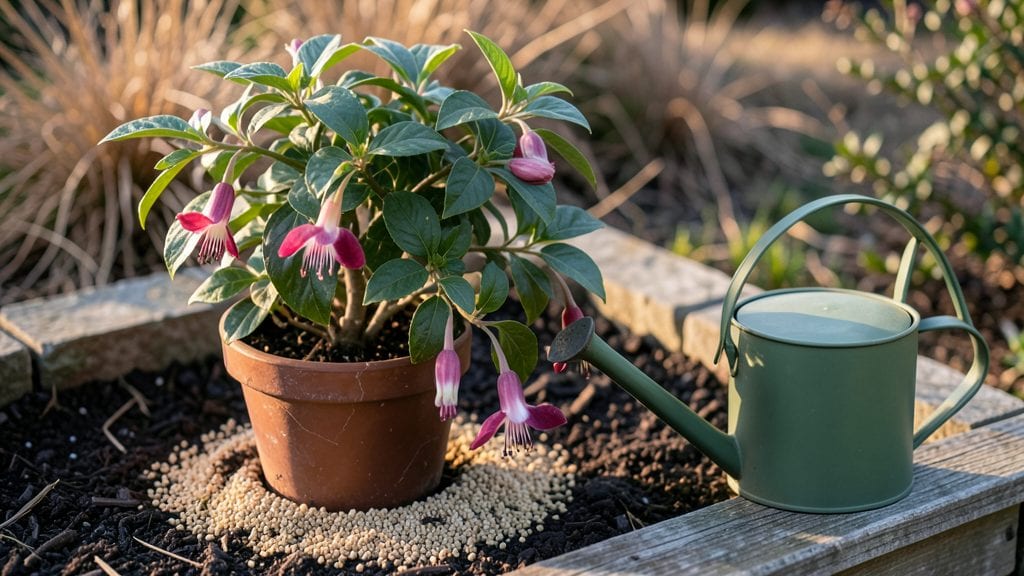
Keeping fuchsias flowering all season is easier than you think—it’s all about deadheading and a few simple tweaks. 🌸 I’ve turned my once-sparse fuchsias into blooming powerhouses by mastering just three key habits: when to trim, how much light they crave, and the right feeding schedule.
The secret isn’t complicated, but skipping these steps means fewer flowers and more leggy stems.
Start with deadheading spent blooms right after they fade—this signals the plant to produce new buds instead of wasting energy on seed heads. Pair that with morning sun and afternoon shade (especially in hot climates) to prevent stress, and you’ll see fresh flowers in just 2-3 weeks.
Overwatering is the silent killer here, so let the top inch of soil dry between waterings.
Feed them every 4-6 weeks with a balanced organic fertilizer (like 10-10-10), but cut back in late summer to encourage fall blooms. My plants now flower from spring through frost, and the secret isn’t fancy—just consistent care. The payoff? Clusters of velvety blooms that last longer and multiply each year.
Works for both hanging baskets and garden beds, and even revives struggling plants. Let’s get those flowers back in full force—no guesswork required.
📚 In This Guide
- What you need
- Instructions
- Tips and common mistakes
- Wrapping up and next steps
What you need
- ● Fuchsia plant – Choose a healthy, mature plant (1-3 years old) with at least 3-5 stems for optimal blooming.
- ● Pruning shears or sharp scissors – Sterilized (rubbing alcohol wipe) to prevent disease. Look for bypass-style shears (e.g., Felco #2 or Fiskars) for clean cuts.
- ○ Gloves (optional but recommended) – Nitrile or leather to protect hands from thorns (some varieties have them!) and sap.
- ● Compost or balanced fertilizer (10-10-10 or 20-20-20) – 1 tbsp per plant after deadheading. Organic options like fish emulsion or worm castings work too!
- ● Watering can with a rose or fine-spray nozzle – Fuchsias hate soggy roots but love consistent moisture.
- ● Sunlight – Partial shade (4-6 hours of morning sun). Avoid harsh afternoon rays (especially in hot climates).
- ● Well-draining soil – Mix 50% potting soil with 50% perlite or orchid bark for aeration. pH 5.5–6.5 (slightly acidic) is ideal.
- ○ Protective cover (optional for outdoor plants) – Frost cloth or shade cloth (30-50%) if temperatures drop below 32°F (0°C) or exceed 90°F (32°C).
- ● Timing is key! Deadhead right after flowers fade (before seed pods form) for continuous blooms. Best time: Early morning when plants are hydrated.
- ● Mulch lightly with 1 inch of organic mulch (e.g., shredded bark) to retain moisture and regulate soil temp.
- ● Rotate pots (if container-grown) every 2-3 weeks to ensure even sunlight exposure.
Step-by-Step instructions for keeping fuchsia flowering nonstop
Here’s the method I’ve used to keep fuchsias blooming for months—no tricks, just consistent care.
✂️ Step 1: Master the Art of Deadheading
Deadheading is the single most important step for continuous blooms. When a flower fades, pinch off the entire stem just above the first set of healthy leaves below the bloom. This prevents the plant from wasting energy on seed production. I use clean, sharp pruners to avoid crushing stems—crushed stems invite rot.
Timing matters too. Deadhead in the morning when stems are firm and dry. If you wait until evening, the plant may already be redirecting energy toward seed development. Watch for new buds forming at the base of the stem—these are your signal that deadheading worked.
🌿 Step 2: Prune for Bushier Growth
Fuchsias naturally grow leggy if left unchecked. To encourage dense, bushy growth, trim back stems by about one-third after the first flush of flowers. Cut just above a leaf node where new growth will emerge. This isn’t just about shape—it’s about redirecting energy toward more blooms.
I prune in stages: first after the initial bloom, then again when new growth reaches about 4-6 inches. Avoid cutting into old wood—new growth should be green and flexible. If you see brown or brittle stems, those won’t produce new blooms, so skip them.
💧 Step 3: Water and Feed Strategically
Fuchsias need consistent moisture but hate soggy roots. Water deeply when the top 1-2 inches of soil feel dry—this encourages strong root growth, which supports more flowers. I water at the base in the morning to reduce evaporation and fungal risks. Avoid wetting the leaves, as this can lead to powdery mildew.
Feed every 2-3 weeks during the growing season with a balanced, water-soluble fertilizer (10-10-10 works well). When buds form, switch to a low-nitrogen, high-phosphorus feed (like 5-10-5) to boost flowering. Overfeeding with nitrogen will give you lush leaves but few blooms.
☀️ Step 4: Position for Optimal Light
Fuchsias thrive in morning sun and afternoon shade. Too much direct afternoon sun scorches the delicate blooms, while too little light results in sparse flowering. I place mine near a north- or east-facing window or under a sheer curtain if growing indoors. Outdoors, a spot with dappled shade works best.
Rotate the plant a quarter turn weekly to ensure even light exposure. You’ll notice stems leaning toward the light—this is your cue to adjust. If buds drop before opening, it’s a sign of too much heat or light stress. Move the plant to a cooler, shadier spot immediately.
Tips & tricks for keeping fuchsia blooming nonstop
Here's what nobody tells you about keeping fuchsias in constant bloom—these are the details that make all the difference.
Deadheading Precision: When you're deadheading in Step 1, look for the first set of healthy leaves below the faded bloom—this is your cutting point. The key is to make clean cuts with sharp pruners to avoid damaging the stem. I've seen beginners cut too high, which removes potential new growth points. Also, don't pull stems—pinch or cut them to prevent tearing.
Pruning Strategy: In Step 2, focus on cutting back to leaf nodes where new growth will emerge. These nodes are usually visible as small bumps or buds along the stem. When you see brown or brittle stems, skip them—they won't produce new blooms. Think of each cut as redirecting the plant's energy toward more flowers rather than just more foliage.
Watering Wisdom: The 1-2 inch soil check in Step 3 is crucial, but don't rely solely on your finger. I use a moisture meter for accuracy, especially in containers where moisture levels can vary dramatically. Watering at the base in the morning prevents fungal issues and gives roots time to absorb moisture before evening. Remember, soggy roots are the enemy of continuous blooming.
Light Positioning: For Step 4, if you're growing indoors, consider using a grow light for 4-6 hours daily if natural light is insufficient. Fuchsias need bright but indirect light—think of it as a gentle sunbath, not a full-on tanning session. I've noticed that plants near west-facing windows often get too much afternoon sun, causing buds to drop before opening.
Pro Tips for Keep Fuchsia Flowering
- Here's what nobody tells you about keeping fuchsias in constant bloom—these are the details that make all the difference.
- Deadheading Precision: When you're deadheading in Step 1, look for the first set of healthy leaves below the faded bloom—this is your cutting point.
- Pruning Strategy: In Step 2, focus on cutting back to leaf nodes where new growth will emerge.
Frequently asked questions
Got questions about keeping your fuchsias blooming like clockwork? We’ve got answers! Here are some of the most common concerns and quick fixes to keep those vibrant flowers coming back all season long.
Why aren’t my fuchsias blooming at all?
If your fuchsias are putting out leaves but no flowers, they might be getting too much nitrogen (think lush foliage, not blooms!). Switch to a low-nitrogen, high-phosphorus fertilizer (like a 5-10-10 blend) and deadhead regularly. Overwatering or poor light can also stunt flowering—ensure they get 4–6 hours of morning sun and well-draining soil.
How often should I deadhead fuchsias for continuous blooms?
Deadhead every 1–2 weeks (or immediately after flowers fade) to encourage new blooms. Use clean pruners to snip just above a set of leaves or a node—this redirects energy to fresh buds. Pro tip: Morning deadheading prevents pests like aphids from hiding in spent blooms!
Can I keep fuchsias blooming in hot summer weather?
Fuchsias hate extreme heat—they’ll often go dormant or stop blooming when temps exceed 85°F (29°C). Move potted plants to partial shade and mulch container soil to retain moisture. For garden fuchsias, plant them where they get dappled shade (like under trees) and water deeply at the base to avoid stress.
What’s the best way to revive a fuchsia that’s stopped flowering?
Give it a reset! Prune back leggy stems by 1/3 to encourage bushier growth, then fertilize with a bloom-boosting formula. Check for pests (like spider mites) and adjust watering—soggy soil = no blooms. If it’s been in the same spot for years, repot or refresh the soil to prevent nutrient depletion.
Are there any fuchsia varieties that bloom longer than others?
Yes! Trailing varieties (like ‘Grafton Beauty’) and hardy fuchsias (such as Fuchsia magellanica) tend to bloom longer. Dwarf fuchsias (e.g., ‘Little Doll’) also thrive in containers and reward you with near-constant blooms if deadheaded regularly. Choose based on your climate—some tolerate cooler temps better than others!
Wrapping up and next steps
Keeping your fuchsia blooming beautifully is all about consistent care, patience, and a little extra love—like deadheading, proper sunlight, and balanced feeding.
With these simple steps, you’ll enjoy nonstop color and maybe even attract pollinators to your garden! 🌸 Now that you’re armed with the know-how, grab those shears and get ready to turn your fuchsia into a year-round showstopper.
Ready to take it further? Experiment with different varieties or share your blooming tips with fellow gardeners—your green thumb is about to shine even brighter! 🌿