
Shrubs
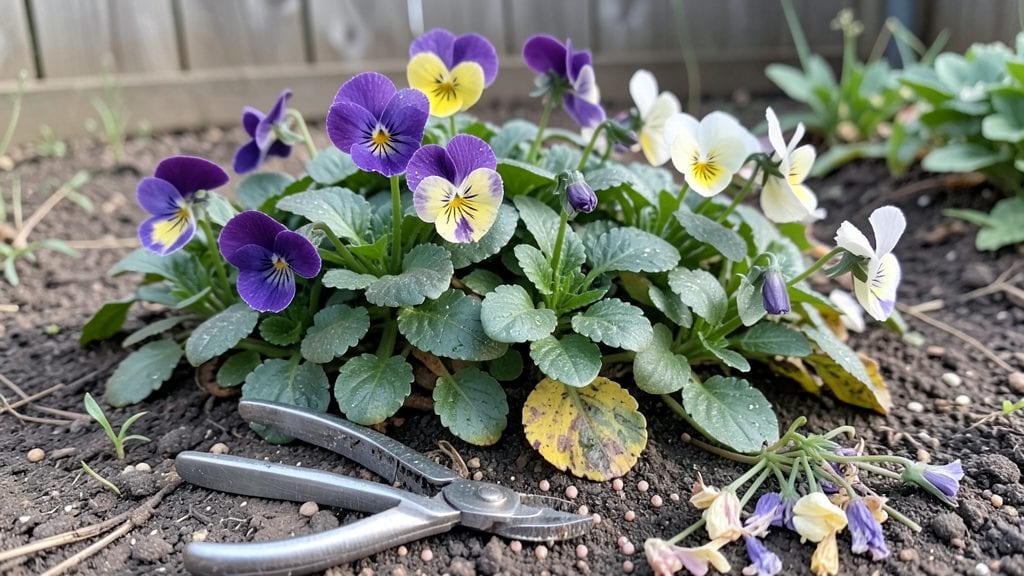
Keeping pansies flowering all season is easier than you think—it just takes a few simple tricks I’ve perfected over years of growing them in my own garden. 🌸 The secret isn’t complicated: deadheading spent blooms, feeding them right, and giving them the perfect balance of sun and water.
My pansies still look vibrant in late fall when most flowers have given up, and I’ll show you exactly how to make that happen.
You’ll need a pair of clean pruners, a balanced fertilizer (like 10-10-10), and a watering can with a gentle spray nozzle. The real magic happens when you remove faded blooms regularly—this isn’t just about looks, it’s about telling your pansies, “Keep going!”
A little extra care here prevents leggy stems and keeps those cheerful faces popping up for weeks longer than store-bought plants ever would.
By following these steps, you’ll end up with a carpet of blooms that stays fresh and colorful, even through cooler weather. The flowers will multiply, the colors will deepen, and you’ll have more cuttings to share than you know what to do with.
Trust me, once you see how easy this is, you’ll never buy pansies from a florist again—they’ll be too expensive compared to what you grow yourself.
This works for containers, window boxes, or garden beds, and it’s just as effective in partial shade as it is in full sun. Whether you’re a first-time gardener or a seasoned pro, these techniques will give you the longest-lasting pansies you’ve ever grown. Let’s get those blooms going!
📚 In This Guide
- What you need
- Instructions
- Tips and common mistakes
- Wrapping up and next steps
What you need
- ● Pansies: Healthy, established plants (choose cold-hardy varieties like Viola × wittrockiana for best results). Quantity: 5–10 plants for a small bed or container.
- ● Pruning shears or sharp scissors: Clean, sterilized tools (rubbing alcohol works!) to avoid spreading disease. Tip: Avoid dull blades—they crush stems instead of cutting cleanly!
- ○ Gloves: Lightweight gardening gloves (optional but handy for messy deadheading sessions).
- ● Compost or slow-release fertilizer: Balanced 10-10-10 or organic options like fish emulsion. Quantity: 1–2 tbsp per plant every 4–6 weeks.
- ● Mulch: Organic mulch (straw, shredded bark) to retain moisture and suppress weeds. Thickness: 2–3 inches.
- ● Watering can or hose with a gentle nozzle: For deep, even watering (aim for 1 inch per week, including rain).
- ● Deadheading scissors: Small, ergonomic clippers for quick snips between blooms.
- ● Plant markers: To label varieties if you’re growing a mix (e.g., "Heavenly Blue" or "Sorcerer").
- ● Epsom salt: A spoonful dissolved in water monthly for magnesium boosts (great for leggy pansies!).
- ● Shade cloth (30–50% coverage): For hot climates to protect pansies from afternoon sun stress.
Step-by-Step instructions for prolonging pansy blooms
Here’s how I keep my pansies flowering like crazy all season—no fancy tricks, just consistent care.
✂️ Step 1: Deadhead Regularly for Continuous Blooms
Snip off spent flowers as soon as they fade. Use clean, sharp scissors or your fingers to pinch back the flower stem just above the first set of leaves. This prevents the plant from wasting energy on seed production, redirecting it to new buds instead.
I check my pansies every 2-3 days during peak bloom season. If you wait until the flowers drop their petals, the plant will already be shifting focus away from blooming. Watch for buds that look slightly open—those are your next blooms, so protect them.
🌿 Step 2: Feed Lightly for Long-Lasting Color
Apply a balanced, water-soluble fertilizer every 3-4 weeks during the growing season. I use a 10-10-10 formula mixed at half-strength to avoid burning the delicate foliage. Pansies are light feeders—too much fertilizer leads to lush leaves but fewer flowers.
After the first feeding, I switch to a low-phosphorus fertilizer (like 5-10-5) to encourage more blooms instead of foliage. Always water the soil first to help the fertilizer absorb evenly. You’ll see new buds forming within 7-10 days after feeding.
☀️ Step 3: Keep Them in Bright, Indirect Light
Pansies thrive in full sun to partial shade, but too much direct afternoon sun can scorch their petals. I place mine where they get morning sun and afternoon shade, especially in hotter months. In cooler climates, they can handle full sun all day.
If your pansies start looking pale or leggy, they’re stretching for light. Rotate the pots a quarter turn weekly so they grow evenly. You’ll notice the stems stay sturdy and the flowers remain vibrant when light is balanced.
💧 Step 4: Water Consistently Without Overdoing It
Keep the soil evenly moist but never soggy. Water at the base of the plant in the morning to let excess moisture evaporate during the day. I test soil moisture by sticking my finger 1 inch deep—if it feels dry, it’s time to water.
Pansies hate wet feet, so ensure pots have drainage holes. If you’re growing them in the ground, choose a spot where water doesn’t pool. Yellowing leaves or wilting flowers are signs of overwatering or poor drainage—adjust your routine immediately.
⏰ Step 5: Refresh the Plants Mid-Season
By mid-summer, pansies often look tired and produce fewer blooms. I give them a mid-season boost by trimming back one-third of the plant just above a set of leaves. This encourages fresh growth and a second flush of flowers.
After pruning, I fertilize lightly and increase watering slightly to support new growth. Within 2-3 weeks, you’ll see compact, bushier plants with fresh buds. This is the secret to keeping pansies flowering until frost!
Tips & tricks for prolonging pansy blooms
Here's what nobody tells you about keeping pansies in peak bloom for weeks—these tricks make all the difference.
Timing Secret: In Step 1, don't wait until flowers look completely wilted to deadhead. Instead, snip off blooms when petals start to curl at the edges—this is your cue that energy is already shifting away from the flower. I check my pansies every morning during peak season, and you'll notice new buds forming within 3-4 days.
Fertilizer Strategy: The 3-4 week feeding schedule in Step 2 works best if you fertilize in the morning after watering. This gives roots time to absorb nutrients before the heat of the day. I've found that adding a handful of compost to the soil at each feeding gives an extra nutrient boost without risking burn.
Light Management: For Step 3, if you notice your pansies stretching toward light, they're telling you they need more. In hot climates, move them to a spot with morning sun and afternoon shade, but in cooler areas, full sun is perfect. I rotate my pots weekly to ensure even growth on all sides—this prevents leggy stems and keeps flowers vibrant.
Mid-Season Rescue: When you trim back one-third of the plant in Step 5, focus on removing any yellow or damaged leaves along with the tired blooms. This isn't just about aesthetics—it's about redirecting the plant's energy to fresh growth. After pruning, I always water thoroughly and add a light mulch to retain moisture while new buds develop.
Pro Tips for Keep Pansies Flowering
- Here's what nobody tells you about keeping pansies in peak bloom for weeks—these tricks make all the difference.
- Timing Secret: In Step 1, don't wait until flowers look completely wilted to deadhead.
- Fertilizer Strategy: The 3-4 week feeding schedule in Step 2 works best if you fertilize in the morning after watering.
Frequently asked questions
Got questions about keeping pansies blooming like a pro? Here are answers to some of the most common concerns—so you can enjoy those cheerful faces all season long!
Why aren’t my pansies flowering as much as last year?
Pansies naturally slow down blooms in extreme heat (above 80°F) or drought. They also need 6+ hours of sunlight daily—if they’re shaded, they’ll focus on leaves instead. Try moving them to a sunnier spot or providing afternoon shade in hot climates. Overcrowding can also stunt flowers, so thin plants if needed.
How often should I deadhead pansies?
Deadhead every 2–3 days during peak bloom (spring/fall) to encourage more flowers. In summer, reduce to once a week since they’ll naturally slow down. Use clean pruners or just pinch spent blooms with your fingers—no need to be fancy! Just avoid cutting into the foliage too much.
Can pansies rebloom after a heatwave?
Yes! Pansies often rebloom in cooler weather (below 75°F). After a heatwave, trim back leggy stems by ⅓, water deeply, and fertilize lightly with a balanced 10-10-10 formula. They’ll perk up once temps drop—think of it as a reset button for your plants!
What’s the best alternative if pansies stop flowering?
If your pansies give up, try violas (their cool-weather cousins) or snapdragons for long-lasting blooms. For heat lovers, swap in petunias, geraniums, or zinnias—they thrive in summer heat. Just remember: Pansies are annuals in warm climates, so plan to replant them in fall for next year’s show!
Why do my pansies have holes in the leaves?
Those pesky holes? Likely cabbage loopers or aphids. Spray plants with neem oil or a soapy water mix (1 tsp dish soap per quart of water) to deter pests. For severe infestations, use insecticidal soap. Keep your garden weed-free too—pests love hiding in debris!
Wrapping up and next steps
Keeping pansies blooming nonstop is all about consistent care—deadheading spent flowers, providing the right soil and light, and staying mindful of water and nutrients. With these simple steps, your garden will stay vibrant and full of color all season long! 🌸
Ready to make your pansies shine? Start today by grabbing your pruners and giving those blooms a little TLC—your garden will thank you!