
Pruning
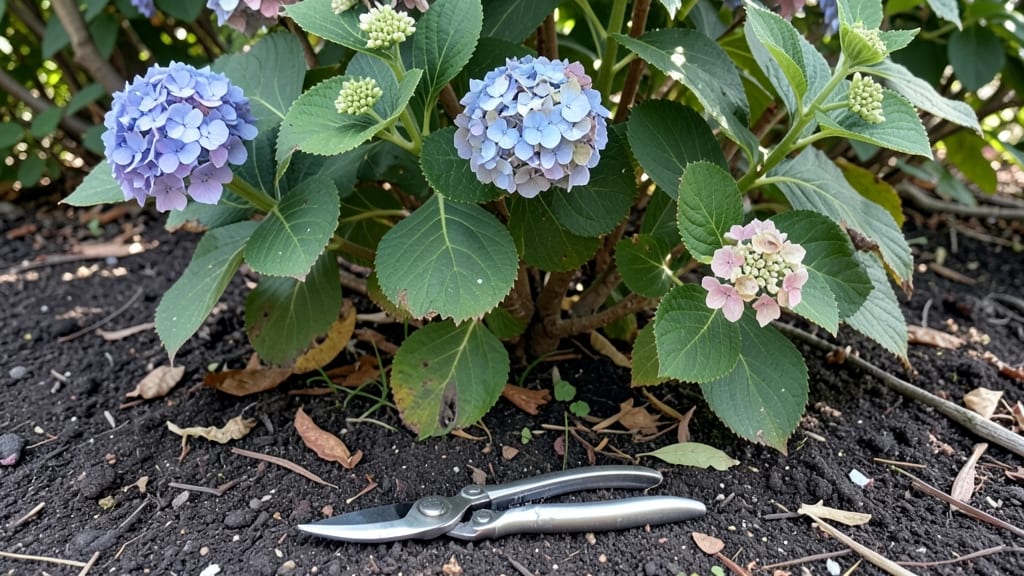
Pruning flowering shrubs isn't just about shaping plants—it's about unlocking their full potential for longer, more abundant blooms every season. I learned the hard way that timing matters more than technique, and a single misstep can leave your shrubs bare for months.
The key is understanding whether your shrub flowers on old wood (spring bloomers like lilacs) or new wood (summer bloomers like hydrangeas), then pruning at the right moment to encourage fresh growth without sacrificing next year's flowers.
You'll need just three basic tools: sharp bypass pruners for clean cuts, loppers for thicker branches, and a small pruning saw for stubborn stems. The real secret isn't fancy equipment—it's knowing where to cut. For spring bloomers, prune right after flowering; for summer bloomers, wait until late winter.
And always cut just above a bud or leaf node, at a 45-degree angle to prevent water pooling. This simple technique keeps plants healthy and encourages stronger growth.
What you'll end up with is shrubs that burst with vibrant blooms for weeks longer than before. My hydrangeas now produce two full seasons of flowers instead of one, and my lilacs are denser with more abundant clusters.
The transformation happens gradually, but once you master the timing, you'll notice the difference immediately. The best part? You'll spend less time struggling with overgrown branches and more time enjoying your garden's showstopper displays.
This method works for nearly any flowering shrub—from roses and azaleas to spirea and butterfly bush—so you can apply these same principles across your entire landscape. The only real limitation is knowing your plant's blooming habit, which we'll cover in detail.
Let's get those shears ready and turn your shrubs into blooming powerhouses!
📚 In This Guide
- What you need
- Instructions
- Tips and common mistakes
- Wrapping up and next steps
What you need
- ● Bypass pruners: Sharp, high-quality bypass pruners (7–9 inches) for clean cuts on small stems (up to ½-inch thick). Example: Felco F-2 or Corona Classic.
- ● Loppers: Sturdy bypass loppers (18–24 inches) for thicker branches (½–1½ inches). Example: Fiskars X27 or Bahco.
- ● Pruning saw: A curved-tooth pruning saw for branches thicker than 1½ inches. Example: Felco F-3 or Bahco Razor Pro.
- ● Garden gloves: Cut-resistant, breathable gloves (e.g., Mechanix or Dr. McGill’s) to protect your hands from thorns and sharp tools.
- ○ Disinfectant: Rubbing alcohol (70%+) or a pruning sealant (optional but recommended) to sterilize tools between cuts and prevent disease spread.
- ● Step stool or ladder: For reaching higher branches safely (ensure it’s stable and rated for your weight).
- ● Pruning shears for detail work: Small, precision shears (e.g., Felco F-1) for trimming delicate flowers or shaping.
- ● Twine or zip ties: To temporarily secure branches during heavy pruning.
- ● Trash bags or bucket: For collecting pruned debris (line the bucket with a bag for easy disposal).
- ● Safety glasses: To shield your eyes from debris, especially when using a saw.
- ● Know your shrub: Research the specific type of flowering shrub (e.g., hydrangea, lilac, rose of Sharon) to understand its pruning needs—some bloom on old wood, others on new!
- ● Check the season: Prune at the right time (e.g., early spring for spring bloomers, late winter for summer bloomers).
- ● Weather prep: Choose a calm, dry day to avoid spreading disease or damaging the plant.
- ● Plan your cuts: Sketch a rough outline of what you want to achieve (e.g., shape, height, or encouraging new growth).
How to prune flowering shrubs for healthier growth
Pruning isn't just about shaping—it's about extending bloom time and keeping shrubs vibrant for years.
Identify the Right Time for Each Shrub Type
Timing matters more than technique when it comes to flowering shrubs. Early bloomers like forsythia and lilac set buds the previous fall, so prune them immediately after flowering to avoid cutting off next year's blooms. Late bloomers such as hydrangeas and butterfly bush, however, can handle pruning in early spring before new growth emerges.
Here's the thing—if you're unsure about your specific shrub, check its bloom time. Most nurseries list this information, and it's worth the quick search. For example, if your shrub flowers in spring, wait until after the blooms fade completely before making any cuts. You'll know it's safe when you see spent flowers turning brown and dropping naturally.
Gather Tools and Prepare the Workspace
You'll need sharp, clean pruning shears for clean cuts, and loppers for thicker branches. Disinfect your tools with rubbing alcohol between cuts to prevent spreading disease. I always lay down a tarp or old sheet beneath the shrub to catch fallen debris and make cleanup easier.
Wear gloves to protect your hands from thorns and sap. The right tools make all the difference—dull blades tear rather than cut, leaving jagged edges that invite infection. Test your shears by making a clean cut through a small branch before starting. If the cut isn't smooth, sharpen or replace your blades.
Remove Dead, Diseased, or Crossing Branches First
Start by eliminating any branches that are dead, diseased, or rubbing against others. These are the first to go—they're either already compromising the plant's health or will soon. Cut back to a healthy bud or lateral branch, making your cut at a 45-degree angle just above the bud to encourage water runoff.
Look for branches that cross or grow inward—they'll compete for space and light, weakening the shrub. You'll see these as crowded stems growing toward the center. Remove up to one-third of the oldest stems to encourage new growth and maintain an open, airy shape. This step is non-negotiable for long-term shrub health.
Thin Out Overcrowded Areas for Better Airflow
Next, focus on thinning out the interior to improve airflow and sunlight penetration. Aim to remove 10-20% of the total branches, prioritizing those that are weak or overcrowded. You want to create an open framework that lets light reach the center of the shrub.
Step back frequently to assess your progress. The goal is to see light-colored bark and green leaves throughout the shrub, not just at the edges. If you're unsure whether to cut a branch, ask yourself if it's contributing to the overall shape or health. If not, it's time to remove it.
Shape and Encourage New Growth
Now, shape the shrub by trimming back overgrown branches to maintain its natural form. For most flowering shrubs, avoid heavy pruning—focus on light shaping to preserve the plant's energy for blooming. Cut just above a outward-facing bud to encourage growth in the direction you want.
If your shrub looks leggy, you can prune back some of the oldest stems to encourage new growth from the base. This is especially useful for shrubs that have become top-heavy. Remember, the more you prune, the more energy the plant will divert to new growth rather than flowering. Balance is key—aim for a 20-30% reduction in overall size if needed.
Tips & tricks for perfect flowering shrub pruning
Here's how to elevate your pruning game and keep your flowering shrubs thriving for seasons to come.
Timing is Everything: I can't stress this enough—knowing your shrub's bloom cycle is the foundation of successful pruning. For early bloomers like forsythia and lilac, prune immediately after flowers fade to preserve next year's buds. For late bloomers like hydrangeas, wait until early spring before new growth appears. Pro tip: Mark your calendar with bloom dates from your nursery records to avoid common mistakes.
Tool Maintenance Matters: Your pruning shears and loppers deserve the same care as your shrubs. Always disinfect blades between cuts with rubbing alcohol to prevent disease spread. I sharpen my tools annually and test them on small branches before starting—dull blades tear plant tissue, creating wounds that invite infection. Consider investing in bypass pruners for clean cuts on live branches and anvil pruners for dead wood.
The 45-Degree Rule: When making cuts in Step 3, that 45-degree angle above the bud isn't just aesthetic—it's functional. This angle prevents water from pooling on the cut surface, which could rot the branch. Make sure your cut slopes away from the bud to direct water runoff properly. For thicker branches, use your loppers and maintain this same angle for optimal healing.
Visual Assessment Technique: Step back frequently during Steps 4 and 5 to evaluate your progress. The goal is to see light-colored bark and green foliage throughout the shrub's interior, not just at the edges. I use the "light test"—if sunlight can pass through the center of the shrub when viewed from above, you've achieved proper thinning. This open framework prevents fungal diseases by improving airflow.
Pro Tips for Prune Flowering Shrubs
- Here's how to elevate your pruning game and keep your flowering shrubs thriving for seasons to come.
- Timing is Everything: I can't stress this enough—knowing your shrub's bloom cycle is the foundation of successful pruning.
- Tool Maintenance Matters: Your pruning shears and loppers deserve the same care as your shrubs.
Frequently asked questions
Got questions about pruning flowering shrubs? You’re not alone! Here are some of the most common concerns—plus clear, actionable answers to keep your shrubs thriving and blooming beautifully.
When is the best time to prune flowering shrubs?
The ideal timing depends on your shrub’s bloom cycle. Prune spring-bloomers (like lilacs or forsythia) right after flowering to avoid cutting off next year’s buds. For summer- or fall-bloomers (e.g., hydrangeas or abelia), prune in late winter or early spring before new growth starts. Always check your specific shrub’s needs!
Can I prune flowering shrubs in winter?
It’s not recommended unless your shrub is dormant and pruning is urgent (e.g., damaged branches). Winter pruning can expose tender wood to cold damage or disease. If you must prune, do it on a mild day and avoid heavy cuts. Wait until late winter for most shrubs—just before buds swell.
What if I prune at the wrong time?
Don’t panic! A light prune at the wrong time won’t kill your shrub, but heavy cuts can reduce blooms or stress the plant. If you’ve already pruned too late, focus on light maintenance (removing dead or crossing branches) and adjust your timing next year. Over time, your shrub will bounce back.
How do I know how much to prune?
Start with no more than 1/3 of the shrub’s total growth in one season. For shaping, aim for an open center—remove dead wood, suckers, and branches that rub together. Use clean cuts at a 45-degree angle just above a leaf node or bud. Pro tip: Step back often to check your progress!
What if my shrub isn’t blooming after pruning?
Several factors could be at play:
- Pruning too late (cutting off next year’s buds).
- Over-pruning (reducing energy for flowers).
- Nutrient or water stress (fertilize lightly in spring!).
- Age or disease (older shrubs may bloom less; check for pests).
Can I use hedge trimmers for all flowering shrubs?
Hedge trimmers work for formal shapes (like boxwoods or topiary), but they’re not ideal for most flowering shrubs. Why? They can shear off flower buds and create an unnatural look. Instead, use hand pruners or loppers for precision—especially for delicate bloomers like roses or hydrangeas.
Wrapping up and next steps
Pruning flowering shrubs doesn’t have to be intimidating—with the right timing, tools, and techniques, you can encourage longer, healthier blooms and keep your garden thriving! Remember to prune at the right season, use sharp tools, and focus on shape and growth for the best results.
Now that you’re armed with these seasonal tricks, grab those shears and give your shrubs the care they deserve—your garden will thank you with vibrant, lush blooms all year!
🌿 Next step: Pick a sunny day, gather your tools, and start pruning! For extra confidence, bookmark this guide or share it with fellow gardening enthusiasts. Happy pruning! 🌸