
How To
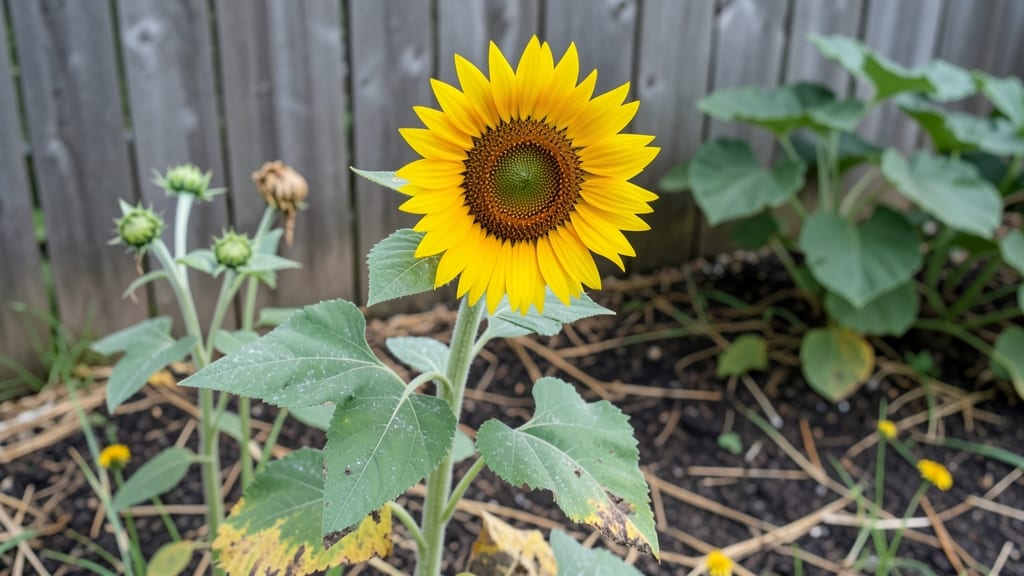
Taking care of sunflowers means watching them grow from tiny sprouts into towering giants that brighten any garden. 🌻 I’ve grown sunflowers for years, and the secret isn’t complicated—just consistent care and a little patience.
The right soil, water, and sunlight can turn a handful of seeds into a sun-drenched spectacle that lasts all summer.
Sunflowers thrive in full sun, at least 6-8 hours a day, and need well-draining soil rich in nutrients. Most varieties grow 6-12 feet tall, so sturdy stems and strong roots are key.
Water them deeply once a week (more in extreme heat) to encourage deep root growth, and avoid overhead watering to prevent mildew. With these basics, even beginners can grow sunflowers that stand taller than their neighbors.
Pruning isn’t usually needed, but you can pinch back the tips of young plants to encourage bushier growth. Watch for pests like aphids or birds, which love the seeds—cover plants with netting if needed.
By late summer, you’ll have vibrant blooms that attract pollinators and add a pop of color to any space. The best part? They’re low-maintenance once established.
Whether you’re growing sunflowers for cut flowers, birdseed, or just beauty, the effort is minimal but the payoff is huge. Try different varieties—some reach 10 feet, while others stay compact. With these tips, your sunflowers will be the talk of the neighborhood. Ready to get started?
📚 In This Guide
- What you need
- Instructions
- Tips and common mistakes
- Wrapping up and next steps
What you need
- ● Sunflower seeds: Choose a variety suited to your climate (e.g., Helianthus annuus for standard types). Aim for 5–10 seeds per plant if starting indoors or 1–2 seeds per hill for direct sowing.
- ● Well-draining potting mix or garden soil: A 5-gallon bag of high-quality potting mix (for containers) or amended garden soil (for in-ground planting). Mix in compost (1 part compost to 3 parts soil) for nutrients.
- ○ Containers (optional for indoor starts): 4–6 inch diameter pots with drainage holes (1–2 per seed). Alternatively, use biodegradable seedling pots.
- ● Watering can or hose with a gentle spray nozzle: Sunflowers need deep but infrequent watering—aim for 1–2 gallons per plant weekly, depending on heat.
- ● Fertilizer: Balanced fertilizer (10-10-10): 1 tbsp per plant at planting and again when stems reach 12 inches.
- ● Organic option: Fish emulsion or compost tea (follow package instructions for dilution).
- ● Stakes or cages (for tall varieties): 6–8 foot bamboo stakes or tomato cages (1 per plant) to support stems as they grow.
- ● Pruners or sharp scissors: For trimming dead blooms or harvesting.
- ● Mulch: Straw or wood chips (2–3 inches thick) to retain moisture and suppress weeds.
- ● Drip irrigation kit: For automated watering in larger gardens.
- ● Epsom salt: 1 tbsp dissolved in a gallon of water every 4–6 weeks for magnesium boosts (especially in clay soils).
- ● Sunflower-specific trellis: For varieties like Giant Russian that need extra support.
- ● Bird netting: To protect seeds from hungry birds once blooms appear!
Step-by-step instructions for growing sunflowers to their fullest potential
Sunflowers thrive with surprisingly little effort—just focus on these key steps for bold, towering blooms.
🌱 Step 1: Plant Seeds in Well-Drained Soil at the Right Depth
Sunflower seeds need warm soil to germinate, so wait until the last frost date in your area has passed. Plant seeds 1 inch deep in loose, well-draining soil—sunflowers hate soggy roots. I like to space them 6 inches apart in rows 18 inches apart to allow airflow and prevent disease.
Press the soil gently around each seed to ensure good contact with the earth. If you're planting multiple rows, stagger them like a brick wall to maximize sunlight exposure. Water lightly after planting, keeping the soil consistently moist but not waterlogged until germination. You’ll see sprouts in 7-10 days—that’s your first sign of success.
☀️ Step 2: Provide Full Sun and Support for Tall Varieties
Sunflowers demand at least 6-8 hours of direct sunlight daily—no compromises here. If your garden gets partial shade, choose dwarf varieties like 'Teddy Bear' instead of giants like 'Mammoth'. For tall varieties, install sturdy stakes or cages at planting time to prevent flopping later.
Watch for leggy growth—thin stems with leaves spaced far apart—this means your sunflowers aren’t getting enough light. If this happens, move them to a sunnier spot immediately. Once stems reach 2 feet tall, tie them loosely to supports with soft garden twine. This ensures they grow straight toward the sky without snapping.
💧 Step 3: Water Deeply at the Base and Fertilize Sparingly
Sunflowers are drought-tolerant once established, but young plants need 1 inch of water per week during dry spells. Water deeply at the base in the early morning to prevent fungal diseases. Avoid wetting the leaves—this invites mildew and weakens stems.
Fertilize lightly with a balanced 10-10-10 formula at planting and again when buds form. Too much nitrogen makes plants grow lush foliage but small blooms. I skip fertilizer entirely in the second year—sunflowers are heavy feeders and will tell you if they’re hungry by bolting (shooting up too fast with tiny flowers).
✂️ Step 4: Deadhead and Harvest for Continuous Blooms
Once the central disk of a sunflower turns brown, cut the stem 2-3 inches below the flower head to encourage more blooms. This deadheading trick works best on varieties like 'Autumn Beauty' that produce multiple flowers per stem. Save the seeds for next year’s planting—let them dry completely on the stem before harvesting.
For cutting flowers, harvest when 10-20% of the petals open—this ensures the longest vase life. Hold the stem under cool water while cutting to prevent air bubbles from blocking the xylem. Change the water daily and place stems in a deep vase to keep them hydrated for up to 10 days.
⏰ Step 5: Prepare for Winter and Save Seeds for Next Season
After the first frost blackens the foliage, cut stems down to 6 inches tall and compost the debris. Sunflowers are annuals, but their seeds are your free plants for next year. Collect seeds from the driest flower heads, rub them between your palms to remove chaff, and store them in a cool, dry place until spring.
Here’s the thing—sunflowers self-sow prolifically. If you leave some seed heads on the stems over winter, you’ll get a surprise garden of volunteers next spring. Just thin them early to avoid overcrowding. With minimal care, you’ll have sunflowers reaching for the sky year after year.
Tips & tricks for perfect sunflower care
Here's what nobody tells you about growing sunflowers that'll make all the difference in your garden.
Soil Warmth is Non-Negotiable: I learned this the hard way after planting too early—sunflower seeds need soil temperatures of at least 55°F to germinate. Use a soil thermometer if unsure, or wait until nighttime temperatures stay above 50°F. In cooler climates, consider using black plastic mulch to warm the soil faster. The 7-10 day germination window starts only when these conditions are met.
Sunlight Strategy for Maximum Height: Those 6-8 hours of direct sunlight aren't optional—they're the foundation for towering blooms. If your garden gets partial shade, opt for dwarf varieties like 'Teddy Bear' that can handle 4-6 hours instead of struggling giants. For full sun locations, rotate your sunflowers every few weeks to ensure even light exposure on all sides, which prevents lopsided growth toward the sun.
Support System Secret: Don't wait until stems are flopping to install supports! In Step 2, when you're planting tall varieties, drive stakes 6 inches deep and attach them to the main stem at planting time. Use soft garden twine to loosely tie stems when they reach 2 feet tall—this prevents stem damage from tight binding. I've seen sunflowers snap completely when tied too tightly during windy conditions.
Watering Wisdom: The 1 inch per week guideline is perfect, but timing matters more than quantity. Always water deeply at the base in the early morning—this gives leaves time to dry before evening, preventing fungal diseases like powdery mildew. I've found that using a soaker hose or drip irrigation system delivers water directly to roots without wetting foliage, which is especially important during humid summers.
Pro Tips for Take Care Of Sunflowers
- Here's what nobody tells you about growing sunflowers that'll make all the difference in your garden.
- Soil Warmth is Non-Negotiable: I learned this the hard way after planting too early—sunflower seeds need soil temperatures of at least 55°F to germinate.
- Sunlight Strategy for Maximum Height: Those 6-8 hours of direct sunlight aren't optional—they're the foundation for towering blooms.
Frequently asked questions
Got questions about growing sunflowers?
You’re not alone! Here are answers to the most common queries to help you cultivate happy, healthy blooms with ease.
How often should I water sunflowers?
Sunflowers need about 1–1.5 inches of water per week, especially during their first month of growth. Water deeply at the base (not the leaves) to encourage strong roots. Once established, they’re drought-tolerant, but consistent moisture prevents wilting and bolting. Mulch around the base to retain moisture!
How long does it take for sunflowers to grow?
From seed to bloom, sunflowers typically take 80–100 days, depending on the variety. Dwarf varieties may flower in 50–60 days, while giant types can take up to 120 days. Keep an eye on your plants—once the buds form, they’ll open in 1–2 weeks!
What pests should I watch out for?
Sunflowers are hardy, but watch for aphids, beetles, and birds (who love the seeds!). Use neem oil or insecticidal soap for pests, and cover seeds with netting if birds are a problem. Healthy soil and spacing (12–24 inches apart) reduce stress, making plants less appealing to pests.
Can I grow sunflowers in containers?
Choose dwarf or medium varieties (like ‘Teddy Bear’ or ‘Moulin Rouge’) for containers. Use a 5-gallon pot or larger with drainage holes, and fill it with well-draining potting mix. Place in full sun and fertilize lightly every 2–3 weeks. Just avoid giant varieties—they’ll outgrow their space!
Do sunflowers need full sun?
Yes! Sunflowers thrive in 6–8 hours of direct sunlight daily. While they can tolerate partial shade, blooms will be smaller and stems weaker. If your garden is shady, opt for shade-tolerant varieties like ‘Autumn Beauty’ or grow them near taller plants for dappled light.
Wrapping up and next steps
Caring for sunflowers is a rewarding journey that brings joy and beauty to your garden with minimal effort! 🌻 By choosing the right variety, providing ample sunlight, well-draining soil, and consistent watering, you’ll watch these cheerful blooms reach their full potential.
Don’t forget to support their sturdy stems and protect them from pests—your hard work will pay off with vibrant, towering sunflowers that brighten any space.
Now that you’re equipped with these tips, go ahead and plant those seeds! Whether you’re a beginner or a seasoned gardener, every sunflower you grow is a step toward a happier, greener outdoor space. Happy gardening! 🌱