
Flowers
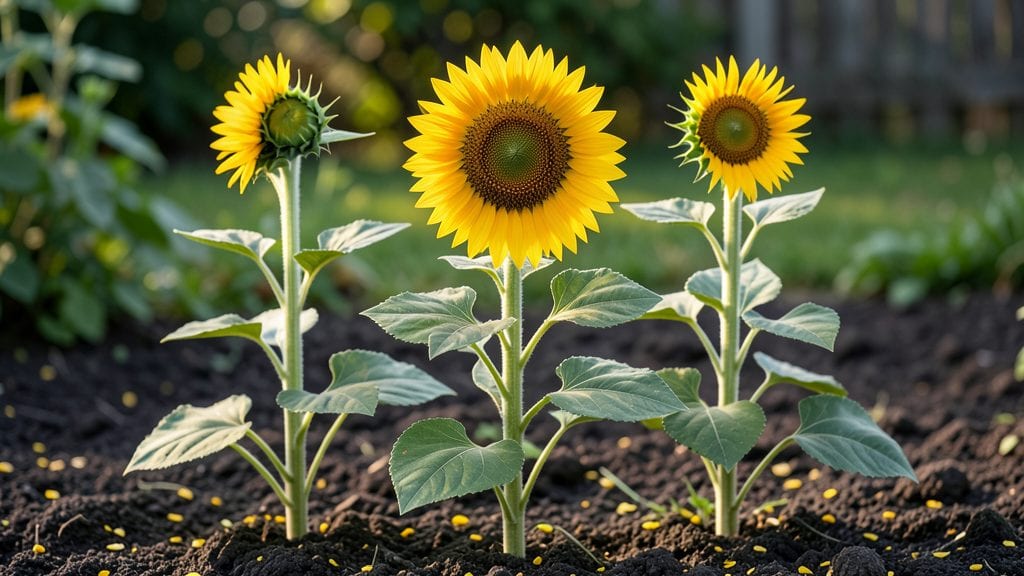
Growing sunflowers with multiple flowers per stem turns a single plant into a dramatic focal point that steals the show—no field needed. 🌻 I used to think sunflowers were all about one giant bloom, but varieties like 'Moulin Rouge' and 'Russian Giant' defy that myth by producing clusters of smaller, vibrant flowers on a single stalk.
The secret lies in choosing the right variety and giving them proper care. These sunflowers thrive in full sun, need well-draining soil, and benefit from regular watering—especially during their first few weeks.
Unlike single-bloom types, these varieties naturally branch out, creating a bushier, more abundant display that lasts longer in the garden.
Imagine a border bursting with gold, red, and bronze blooms that attract pollinators all summer long. You can prune back spent blooms to encourage more flowers, and their sturdy stems make them perfect for cut arrangements too.
The best part? They grow just as tall and striking as traditional sunflowers but with far more impact.
Whether you're designing a bold flower bed, a rustic border, or a cut-flower garden, these sunflowers deliver field-worthy drama in any space. Let’s get growing!
📚 In This Guide
- What you need
- Instructions
- Tips and common mistakes
- Wrapping up and next steps
What you need
- ● Sunflower Seeds: Choose a variety known for branching, like ‘Moulin Rouge’ or ‘Autumn Beauty’. Buy 3-5 seeds per plant for best results.
- ● Potting Soil: 5-10 gallons of high-quality, well-draining potting mix (or garden soil if planting outdoors).
- ● Containers or Garden Plot: For containers: 5-gallon pots or larger (at least 12" deep) with drainage holes.
- ● For gardens: A sunny spot with 6+ hours of sunlight daily and loose, fertile soil.
- ● Fertilizer: A balanced 10-10-10 or 5-10-10 granular fertilizer (follow package instructions for application rates).
- ● Gloves & Gardening Tools: Pruners, trowel, and a small shovel for planting.
- ● Watering Can or Hose: With a gentle spray nozzle for even moisture.
- ○ Plant Stakes or Trellis (Optional): To support tall varieties and encourage branching.
- ○ Mulch (Optional): Straw or shredded leaves to retain moisture and suppress weeds.
- ● Patience! Sunflowers take 60-90 days to bloom, depending on the variety.
- ● Consistent care: Regular watering (especially during dry spells) and occasional pruning to encourage multiple blooms.
How to grow sunflower varieties that produce multiple flowers
Here’s how to coax those dramatic, multi-blooming sunflowers—no field required.
🌱 Step 1: Select the Right Multi-Flower Varieties
Not all sunflowers produce clusters. Look for ‘Moulin Rouge’ (deep red blooms), ‘Autumn Beauty’ (multi-colored petals), or ‘Teddy Bear’ (compact, prolific blooms). Start with 4 plants—each variety behaves differently. I always check seed packets for terms like "branching" or "prolific"—these indicate multiple stems and flowers.
Skip single-stem varieties like ‘Russian Giant’ unless you’re okay with one dramatic bloom per plant. The key is choosing biennial or perennial types—they’ll rebloom if deadheaded properly. Plant in full sun (6+ hours daily) for maximum branching. Shade reduces flower production, so avoid north-facing spots.
☀️ Step 2: Plant for Maximum Branching
Sunflowers need space and consistent moisture to develop side shoots. Space plants 18-24 inches apart in well-draining soil—they hate soggy roots. I mix in 1 cup of compost per planting hole to encourage strong root systems. The deeper the roots, the more energy the plant has for side branches.
Water deeply once a week (2-3 gallons per plant) rather than daily shallow watering. This mimics natural rainfall and prevents stress that stunts branching. Mulch with 2 inches of straw to retain moisture and suppress weeds—competition drains energy from flower production.
✂️ Step 3: Prune Strategically for More Blooms
Here’s the secret: Pinch back the main stem when it reaches 3 feet tall. Use clean pruners to snip just above a leaf node (where leaves attach). This redirects energy to side shoots. You’ll see 3-5 new branches within 2-3 weeks—each capable of producing its own flower cluster.
Deadhead spent blooms by cutting the stem 1-2 inches below the flower head. This prevents seed production and encourages the plant to focus on new blooms. I repeat this every 10-14 days during peak flowering. Avoid over-pruning—leave at least half the plant’s height intact to maintain structure.
💧 Step 4: Feed for Continuous Blooming
Sunflowers are heavy feeders. After the first flush of blooms, apply a balanced 10-10-10 fertilizer (1 tablespoon per plant) mixed into the soil. Water it in immediately—fertilizer burns roots if dry. I repeat this every 4-6 weeks to sustain flower production.
Watch for yellowing leaves—a sign of nitrogen deficiency. If you see this, switch to a higher-nitrogen fertilizer (like 12-4-8) for a month. Over-fertilizing with phosphorus or potassium can stunt blooms, so stick to balanced ratios. Always water before and after feeding to protect roots.
⏰ Step 5: Extend the Season with Proper Care
Most sunflowers bloom for 4-6 weeks, but with the right care, you can stretch this to 8-10 weeks. After the first frost, cut back half the plant to ground level. The remaining stems often produce late-season blooms the following spring if you live in a mild climate.
In colder zones, dig up 4-6 plants before the first frost and pot them in 10-gallon containers. Overwinter them in a cool garage (40-50°F) with minimal light. Resume normal care in spring—they’ll rebloom like perennials. This trick works best with ‘Autumn Beauty’ and ‘Teddy Bear’ varieties.
Tips & tricks for growing sunflowers with multiple flowers
These pro tips will help you transform your garden into a sunflower spectacle with clusters of bold blooms instead of single stems.
Variety Selection Matters: Beyond the three recommended varieties, look for seed packets labeled "prolific" or "branching"—these terms guarantee multiple stems. I've found that 'Autumn Beauty' produces the most consistent clusters, while 'Teddy Bear' offers the most compact, bushy growth. For maximum impact, plant all three varieties together—their different heights and colors create a stunning layered effect.
Pruning Precision: When pinching back the main stem at 3 feet tall in Step 3, make your cut just above a leaf node where you can see new buds forming. I've ruined several plants by cutting too high—always look for those tiny side buds before snipping. The 2-3 week window for new branches to appear is critical; if you wait too long, the plant may have already allocated energy to flowering.
Fertilizer Timing: The 4-6 week feeding schedule in Step 4 is non-negotiable for continuous blooming. I've learned the hard way that skipping this step leads to rapid leaf growth with few flowers. For best results, apply your first feeding when you see the first buds forming, not after the initial blooms appear. This timing shift makes all the difference in sustained production.
Season Extension Strategy: For overwintering in Step 5, choose your 4-6 plants carefully—select the healthiest, most vigorous ones with multiple stems. I've had success with 'Autumn Beauty' reblooming the following spring, but 'Teddy Bear' sometimes struggles with the transition. Pot them in 10-gallon containers with drainage holes to prevent root rot during their winter nap.
Pro Tips for Sunflower With Multiple Flowers
- These pro tips will help you transform your garden into a sunflower spectacle with clusters of bold blooms instead of single stems.
- Variety Selection Matters: Beyond the three recommended varieties, look for seed packets labeled "prolific" or "branching"—these terms guarantee multiple stems.
- Pruning Precision: When pinching back the main stem at 3 feet tall in Step 3, make your cut just above a leaf node where you can see new buds forming.
Frequently asked questions
Got questions about growing sunflowers with multiple blooms? You're not alone! Here are some of the most common queries—and their answers—to help you cultivate a stunning display of sunflower varieties with multiple flowers.
Can you grow sunflowers with multiple flowers in home gardens?
Varieties like 'Moulin Rouge' or 'Teddy Bear' naturally produce multiple blooms per stem. Just ensure they get full sun (6+ hours daily) and well-draining soil. For extra blooms, prune spent flowers to encourage new growth.
How long does it take for these sunflowers to bloom?
Most multi-flowered sunflowers bloom in 8–12 weeks from seed, depending on the variety and growing conditions. Early varieties like 'Autumn Beauty' may flower sooner, while taller types like 'Russian Giant' take a bit longer. Patience pays off with bold, cheerful blooms!
What’s the best way to encourage more flowers on a single stem?
Prune the top bud (the main flower) when it’s about the size of a quarter. This redirects energy to side buds, often resulting in 2–5 additional blooms per stem. Deadhead spent flowers regularly to prolong flowering. Pro tip: Use balanced fertilizer (10-10-10) every 4–6 weeks for extra vigor.
Are there dwarf or compact sunflower varieties with multiple flowers?
Yes! If space is limited, try 'Little Becka' (2–3 feet tall) or 'Teddy Bear' (3–4 feet), both of which produce 2–3 blooms per stem. These are perfect for containers, small gardens, or pollinator-friendly window boxes.
Do multi-flowered sunflowers attract more pollinators?
You bet! More flowers mean more nectar and pollen, making them a magnet for bees, butterflies, and birds. Varieties like 'ProCut' are especially loved by pollinators. Plus, their extended blooming period (summer to fall) keeps wildlife visiting all season.
Why aren’t my sunflowers producing multiple blooms?
Check these common issues:
- Insufficient sunlight: Move to a sunnier spot.
- Overcrowding: Thin plants to 12–18 inches apart.
- Nutrient deficiency: Add compost or a slow-release fertilizer.
- Pests/disease: Inspect for aphids or fungal spots.
Wrapping up and next steps
Discovering sunflower varieties with multiple flowers opens up a world of vibrant, eye-catching blooms that bring joy and whimsy to any garden! 🌻 Whether you're drawn to the Moulin Rouge for its bold colors or the Russian Giant for its towering presence, these varieties are sure to impress.
With the right care—like proper spacing, sunlight, and soil—you can cultivate a stunning display that rivals a sunflower field.
Ready to transform your garden? Start by choosing the variety that fits your space and style, then gather your supplies and follow the steps we’ve shared. Plant, nurture, and enjoy the magic of multi-flowered sunflowers! 🌟