
Flowers
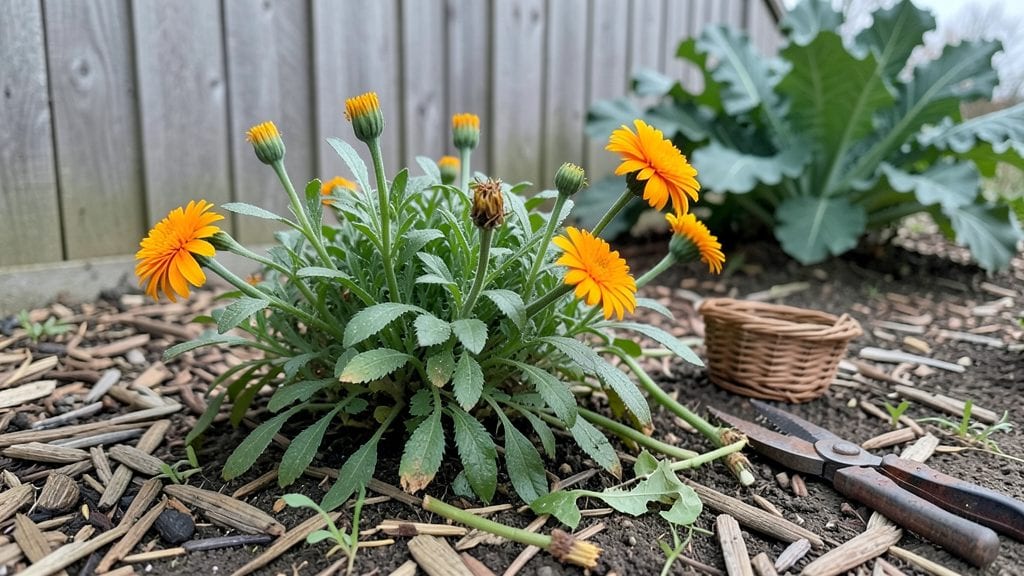
Now that your calendula plants are blooming beautifully, here’s how to use calendula flowers at their prime. Those bright orange petals aren’t just pretty; they’re edible, medicinal, and the secret ingredient in everything from salads to homemade salves.
I’ve used them for years to heal minor cuts, brighten skincare routines, and even add a peppery kick to dishes, and I’ll show you exactly how to make the most of your harvest.
The best part? You don’t need fancy equipment—just a few simple tools like scissors, jars, and a little patience. Harvest petals in the morning after the dew dries for the most vibrant color and potency.
Store dried petals in airtight containers for up to a year, or use fresh ones in recipes and remedies within a week. Whether you’re making a soothing tea, a healing balm, or a colorful garnish, calendula’s versatility makes it a must-have in any garden.
Imagine sprinkling those golden petals over summer salads or blending them into a DIY face mask that leaves your skin glowing. The possibilities are endless, and the results—whether for your plate, your medicine cabinet, or your garden—are always impressive.
Let’s dive into the step-by-step ways to turn your calendula into something truly useful.
From companion planting tricks to creative ways to preserve your harvest, this guide covers it all. Whether you’re a seasoned gardener or just starting to explore calendula’s many uses, you’ll leave with practical ideas to put those petals to work—no guesswork, just results.
📚 In This Guide
- What you need
- Instructions
- Tips and common mistakes
- Wrapping up and next steps
What you need
- ● Fresh or dried calendula petals – 1–2 cups (organic, pesticide-free preferred). Harvest petals when fully open for maximum potency!
- ● Water – 1–2 cups (filtered or distilled for best results).
- ● Carrier oil (for infusions) – 1 cup (olive, coconut, or almond oil work best).
- ○ Vodka or grain alcohol (optional, for tinctures) – 1 cup (80–100 proof).
- ○ Honey or glycerin (optional, for syrups) – ½–1 cup (raw honey for medicinal uses).
- ● Glass jars with lids – 1–2 quart-sized jars (amber or dark glass preserves potency).
- ● Fine-mesh strainer or cheesecloth – For straining petals from liquids.
- ○ Mortar and pestle (optional) – To crush petals for stronger infusions.
- ○ Food processor or blender (optional) – For making calendula-infused oils or butter.
- ○ Dark glass dropper bottles (optional) – For storing tinctures or oils.
- ● Dried herbs (like chamomile or lavender) to blend with calendula.
- ● Citric acid or lemon juice (to preserve homemade remedies).
- ● Beeswax pellets (for making calendula salve).
Step-by-step guide to harvesting and using calendula flowers
Calendula blooms are versatile—here's how to turn them into edible treats and healing remedies.
Harvest Mature Calendula Blooms
Pick flowers when fully open but before petals begin to brown—this ensures peak flavor and potency. Use clean, sharp scissors or pruners to snip stems just above a leaf or bud. Harvest in the morning after dew has dried but before the sun peaks, when oils are most concentrated. You'll want about 4-6 inches of stem per flower to work with later.
Gently shake off any clinging insects or debris. Remove any wilted petals or damaged blooms immediately—they can harbor mold and spoil your harvest. Place the clean flowers in a paper bag and store them in a cool, dark place for 1-2 hours to let them dry slightly before processing. This prevents moisture from making your petals soggy later.
Prepare Petals for Culinary or Medicinal Use
Separate petals from the centers by pinching the base of each bloom where the petals meet the green calyx. Discard the bitter yellow centers—they’re not edible. For culinary use, rinse petals briefly in cold water to remove any lingering dirt, then pat them dry with a clean kitchen towel. Spread them on a baking sheet lined with parchment paper in a single layer, ensuring they don’t touch.
For medicinal preparations, you can skip rinsing if your flowers are very clean. Instead, place them in a dry, well-ventilated area away from direct sunlight. If you’re making infused oils or salves, you’ll want to use fresh petals—just dry them thoroughly first to prevent spoilage. The goal is to preserve their vibrant color and therapeutic properties.
Store or Use Petals Immediately
For short-term use, store dried petals in an airtight container away from light and heat. They’ll keep for up to 6 months if kept completely dry. If you’re using them fresh, like in salads or garnishes, store them in the refrigerator wrapped in a damp paper towel for no more than 3-4 days. Calendula petals lose their potency and flavor quickly once cut.
To make calendula-infused oil, fill a clean glass jar with fresh petals, then cover them completely with a high-quality oil like olive or sunflower. Seal the jar and place it in a warm, dark spot for 2-4 weeks, shaking gently every few days. Strain through cheesecloth for a vibrant, healing oil perfect for skin remedies. For tea, steep 1 teaspoon of dried petals in 1 cup of hot water for 5-10 minutes—strain and enjoy!
Incorporate Calendula Into Recipes or Remedies
Use fresh or dried petals to add color and a mild, slightly peppery flavor to dishes. Toss them into salads, blend into pestos, or sprinkle over soups and stews. For baking, infuse milk or cream with calendula petals for a floral touch in custards or sauces. Remember, petals are delicate—add them late to dishes to preserve their texture and appearance.
For medicinal uses, calendula’s anti-inflammatory and antibacterial properties make it ideal for healing minor cuts, burns, or skin irritations. Mix dried petals with coconut oil to create a soothing balm, or brew a strong tea to use as a compress. Always do a patch test first—some people may experience mild sensitivity. Harvesting and using calendula this way ensures you’re getting the most out of this garden powerhouse.
Tips & tricks for perfect calendula flower uses
Working with calendula flowers is all about timing and technique—here's how to get the most out of every bloom.
The Harvest Factor: Harvesting at the right time is everything. I always pick calendula in the morning after dew has dried but before the sun peaks—this is when the essential oils are most concentrated. The 1-2 hour drying period before processing is crucial too; it prevents soggy petals that can ruin your culinary or medicinal preparations. Pro tip: Harvest on dry days to avoid bringing moisture into your kitchen.
Petal Preparation Secret: When separating petals from centers in Step 2, I use a gentle pinching motion rather than pulling. This preserves the delicate petal structure, especially important for culinary uses where texture matters. For medicinal preparations, I skip rinsing entirely if the flowers are clean—water can leach out beneficial compounds. Remember, the yellow centers are bitter and inedible, so discard them completely.
Storage Wisdom: The 6-month shelf life for dried petals only applies if they're completely dry. I test dryness by crushing a few petals—if they crumble easily, they're ready. For fresh petals, that 3-4 day fridge storage limit is strict. I wrap them in a damp paper towel to maintain moisture without encouraging mold growth. The key is balance: too wet and they spoil, too dry and they lose potency.
Infusion Strategy: For that 2-4 week calendula-infused oil, I place my jars in a warm spot—like on top of the fridge—rather than near direct heat. This gentle warmth speeds up infusion without risking oil degradation. Shaking every few days is essential; I set a reminder on my phone to avoid forgetting. The 5-10 minute tea steeping time is perfect—any longer and the bitterness comes through.
Pro Tips for Use Calendula Flowers
- Working with calendula flowers is all about timing and technique—here's how to get the most out of every bloom.
- The Harvest Factor: Harvesting at the right time is everything.
- Petal Preparation Secret: When separating petals from centers in Step 2, I use a gentle pinching motion rather than pulling.
Frequently asked questions
Got questions about harnessing calendula’s magic? Here are some of the most common ones—and their answers—to help you use this vibrant flower with confidence!
Can I eat calendula petals raw, or do I need to cook them first?
You can eat calendula petals raw—they’re mild and slightly peppery! However, cooking them (like in salads, teas, or baked goods) enhances their flavor and makes them easier to digest. Always ensure petals are pesticide-free and organic if consuming raw.
When is the best time to harvest calendula flowers for use?
Harvest calendula petals in the morning after the dew dries but before the sun gets too hot (around 9–11 AM). Choose fully bloomed flowers with vibrant petals—avoid wilted or damaged ones. For medicinal use, harvest when the petals are just starting to open for maximum potency.
What’s the shelf life of dried calendula petals, and how should I store them?
Dried calendula petals last 1–2 years if stored properly. Keep them in an airtight glass jar or paper bag in a cool, dark place (like a pantry). Avoid plastic, which can trap moisture and cause mold. For freshness, store dried petals in the fridge or freezer for up to 6 months.
Are there any substitutes for calendula in recipes or remedies?
Yes! For culinary uses, try marigold petals (similar flavor) or nasturtiums (peppery kick). For medicinal purposes, chamomile or calendula-infused oils can sometimes be swapped, but potency varies. Always adjust ratios based on the substitute’s strength—calendula’s mildness is hard to replace!
Can calendula interact with medications, or is it safe for everyone?
Calendula is generally safe, but it may interact with blood thinners (like warfarin) or immunosuppressants due to its mild anti-inflammatory effects. If you’re pregnant, breastfeeding, or on medication, consult a healthcare provider before using it topically or internally. Always do a patch test for skin sensitivity!
Wrapping up and next steps
Calendula flowers are a true gift from nature—packed with healing, culinary, and beauty benefits that are easy to harness! Whether you’re sipping calendula tea for soothing relief, whipping up vibrant petal-infused dishes, or crafting DIY remedies, these golden blooms bring versatility to your wellness routine. 🌼
Ready to unlock their magic? Start small—try a simple calendula-infused oil or toss petals into your next salad—and let your creativity bloom. Your body (and taste buds!) will thank you.
Next step: Grow your own calendula or forage for wild varieties—just ensure they’re pesticide-free! 🌱