
Flowers
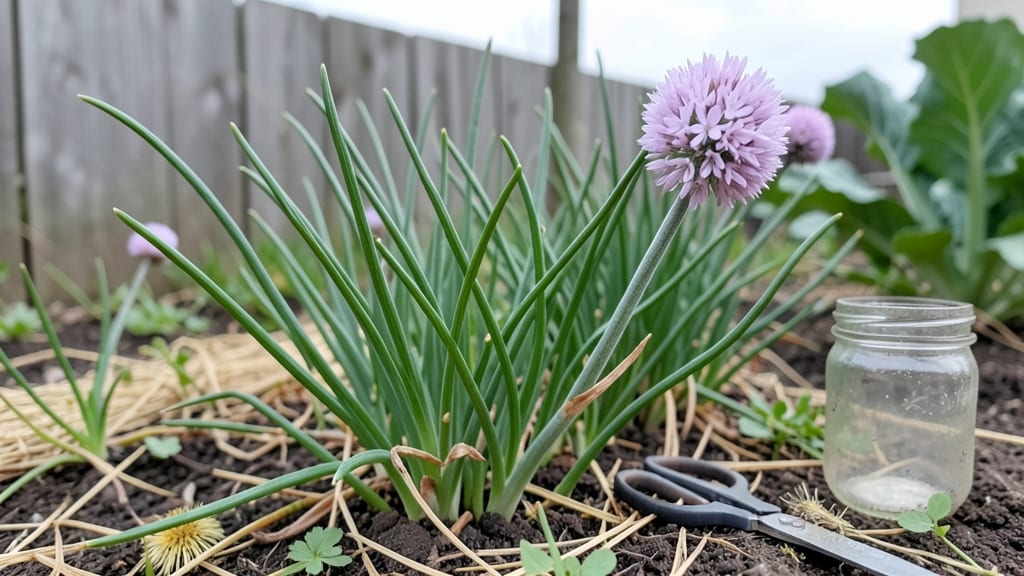
Learn how to use chive flowers—those edible purple pom-poms—to turn salads into showstoppers and cocktails into conversation pieces. 🌿 I used to toss them without thinking, but now they’re my secret weapon for adding a mild onion flavor and pop. of color to dishes.
The key is harvesting them at the right time, when they’re fully open but before they fade, which usually happens in late spring or early summer.
You’ll need just a pair of clean scissors and a small jar for drying or freezing, plus a little patience. The flowers keep their flavor and color when dried, making them perfect for winter garnishes, while fresh ones add a delicate crunch to soups and vinaigrettes.
They’re also stunning in floral arrangements—just don’t let anyone mistake them for ornamental chives, which can be toxic.
Once you start using them, you’ll never look at chive flowers the same way. They brighten up buttermilk biscuits, elevate Bloody Marys, and even make a beautiful tea when steeped with honey.
The best part? They’re free if you’re already growing chives, and they multiply like crazy. Here’s how to make the most of them without wasting a single bloom.
Whether you’re drying them for later or sprinkling them fresh, these flowers are one of the easiest ways to elevate simple dishes. Just remember: pick them early in the day when the flavors are strongest, and store them properly to keep that fresh-from-the-garden taste all season long.
📚 In This Guide
- What you need
- Instructions
- Tips and common mistakes
- Wrapping up and next steps
What you need
- ● Fresh chive flowers: Harvested from Allium schoenoprasum (chives) plants—ensure they’re pesticide-free if foraging.
- ● Quantity: ~10-15 flowers per garnish (adjust based on dish size).
- ● Scissors or pruning shears: Sharp, clean tools to snip stems without bruising the blooms.
- ○ Mist spray bottle: Optional but helpful for keeping flowers fresh if prepping ahead.
- ● Edible flower preservative: Light corn syrup or vodka (1 tsp per cup of water) to extend shelf life.
- ○ Food-safe dye (optional): Natural options like turmeric or beet juice for colored garnishes.
- ● Small sieve or strainer: For rinsing delicate blooms gently.
- ● Drying rack or paper towels: To pat flowers dry before use.
Step-by-step guide for harvesting and using chive flowers
Here's how to transform those delicate purple blooms into edible garnishes that elevate dishes beautifully.
🌿 Step 1: Identify and Harvest Flowers at Peak Freshness
Chive flowers bloom in clusters of tiny, star-shaped purple blooms on tall stems. Harvest them in the morning after dew has dried but before the heat of the day—this ensures the most vibrant color and delicate flavor. Use clean, sharp scissors or fingers to snip the flower clusters just above a leaf node, leaving the lower foliage intact to keep the plant productive.
Watch for fully opened buds with no signs of wilting. If you see any flowers starting to fade or brown, remove them immediately—they'll lose their delicate flavor and may even turn bitter. A single chive plant can produce enough flowers for multiple garnishing sessions throughout its growing season.
☀️ Step 2: Clean and Prepare Flowers for Use
Gently rinse the harvested flowers under cool water to remove any dirt or garden debris. Use a soft brush or your fingers to dislodge stubborn particles, being careful not to damage the delicate petals. Pat them dry thoroughly with a clean kitchen towel or paper towel—moisture will cause them to wilt quickly and lose their vibrant color.
Remove any wilted or damaged flowers immediately. You'll know they're ready to use when the petals are fully open and still retain their deep purple hue. Store them in an airtight container lined with a paper towel in the refrigerator for up to 3 days if you won't use them right away.
🌱 Step 3: Garnish Salads and Light Dishes
Chive flowers add a mild onion flavor and beautiful color to salads. Sprinkle them lightly over mixed greens, fruit salads, or grain bowls just before serving. Their delicate nature means they won't overpower other flavors—think of them as edible confetti that elevates presentation while adding subtle depth.
For soups and creamy dishes, let the flowers wilt slightly in warm broth or cream for 5-10 minutes before removing them. This infuses the dish with their flavor without making them a textural distraction. You'll notice the purple hue softens to a lovely lavender, creating an elegant visual contrast.
🍹 Step 4: Create Floral Cocktail Garnishes
Chive flowers make stunning garnishes for cocktails. Skewer one or two flowers on a small cocktail pick or let them float freely in the drink. Their mild onion flavor pairs beautifully with citrus-based cocktails like gin and tonic or vodka lemonade. The flowers will retain their color for several hours, making them perfect for presentation.
For an extra touch, gently press a few flowers between your fingers to release their subtle aroma before dropping them into the drink. This enhances the sensory experience without altering the drink's flavor profile. Remember, the flowers are edible but delicate—use them sparingly to avoid overwhelming the drink.
⏰ Step 5: Preserve Excess Flowers for Later Use
If you harvest more flowers than you can use immediately, preserve them by drying. Tie small bundles with twine and hang them upside down in a dry, dark place for 1-2 weeks. Once completely dry, store the flowers in an airtight container. They'll keep for months and can be crumbled over dishes as needed.
Alternatively, freeze flowers by placing them on a parchment-lined tray and freezing solid. Transfer to a sealed container and use within 3 months. The frozen flowers will lose some of their vibrant color but still provide a pleasant garnish and subtle flavor boost to dishes.
Tips & tricks for perfect chive flower garnishes
Here's what I've learned after experimenting with these delicate edible blooms—small details make all the difference.
Harvesting Secret: The morning after dew dries is truly the best time to harvest. I've found that flowers picked at this time retain their vibrant purple color for up to 5 days in the fridge, while afternoon harvests wilt noticeably faster. If you must harvest later, choose the tightest buds that haven't fully opened yet—they'll last longer.
Drying Technique: For drying, I recommend using brown paper bags instead of plastic—they allow moisture to escape more efficiently. After your 1-2 week drying period, store the dried flowers in small glass jars with a tight seal. The dried flowers keep their flavor for months, making them perfect for winter garnishes when fresh ones aren't available.
Cocktail Presentation: When using chive flowers in cocktails, I've discovered a little trick that makes them last longer in drinks: briefly dip the stems in cold water before placing them in the glass. This helps them maintain their shape and vibrant color for the entire duration of your cocktail. For extra elegance, pair them with edible silver leaf or a sprinkle of edible glitter.
Storage Wisdom: Never store chive flowers in plastic containers—they'll sweat and become soggy within hours. Instead, use glass containers with a loose lid that allows airflow. I also like to place a paper towel between layers when storing multiple batches to absorb any moisture that might develop.
Pro Tips for Use Chive Flowers
- Here's what I've learned after experimenting with these delicate edible blooms—small details make all the difference.
- Harvesting Secret: The morning after dew dries is truly the best time to harvest.
- Drying Technique: For drying, I recommend using brown paper bags instead of plastic—they allow moisture to escape more efficiently.
Frequently asked questions
Can I eat chive flowers raw?
Chive flowers are 100% edible and delicious raw. Their mild onion-garlic flavor pairs perfectly with salads, sandwiches, or even as a garnish for guacamole. Just pluck them fresh—no cooking required! For extra safety, rinse gently under cool water to remove dirt.
When is the best time to harvest chive flowers?
Harvest chive flowers in the morning after the dew dries but before the heat of the day. Aim for fully opened blooms (usually purple or white) for the best flavor. Avoid harvesting if rain is forecasted—wet flowers can wilt faster. Snip stems with clean scissors or pinch them off by hand.
How do chive flowers work in cocktails?
Chive flowers add a subtle, fresh kick to cocktails! Sprinkle them over gin-based drinks (like a Bloody Mary), margaritas, or even sparkling water for a floral twist. For a stronger flavor, muddle a few flowers with lime juice or muddle with mint. Remove them before serving to avoid bitterness.
What if my chive flowers taste bitter?
Bitterness in chive flowers usually means they’re overripe or stressed (e.g., from heat or pests). Harvest younger blooms for milder flavor, and avoid flowers exposed to direct sunlight for too long. If bitterness lingers, balance it with sweet or acidic ingredients (like honey or lemon) in dishes.
Are there alternatives if I can’t find chive flowers?
Yes! Swap chive flowers with:
- Nasturtium flowers (peppery, bright orange/yellow)
- Borage flowers (cucumber-like, blue)
- Dill flowers (milder, anise-like)
- Microgreens (like chive microgreens for a similar texture)
Wrapping up and next steps
Using chive flowers is a simple yet creative way to elevate your dishes with a mild, oniony flavor and stunning visual appeal! Whether you’re sprinkling them over salads, infusing cocktails, or garnishing soups, these edible blooms bring both functionality and flair to your cooking.
Don’t let their delicate beauty fool you—chive flowers are packed with flavor and nutrition, making them a must-try for any home chef or culinary enthusiast.
Ready to experiment? Start by growing your own chive plants or pick up a bouquet from a trusted supplier. Then, dive into recipes, share your creations with friends, and let your creativity bloom! 🌸✨