
Flowers
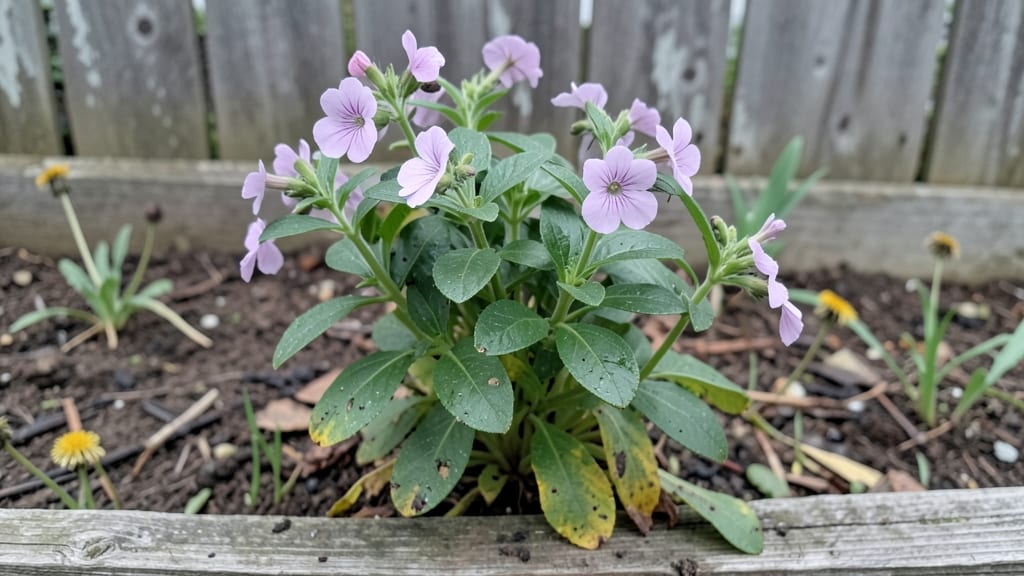
The impatiens flowers in the Pacific Northwest bring year-round color that outshines even the wettest winters—these shade-loving stars thrive where others fade, turning shady corners into vibrant displays. 🌿 The secret? They adore moist soil and dappled light, making them the perfect partner for ferns, hostas, and other woodland plants.
You’ll need well-draining potting mix (or amended garden soil), a spot with morning sun or filtered light, and consistent moisture—though they’ll forgive occasional dry spells better than soggy roots. Start seeds indoors 8-10 weeks before last frost or buy sturdy transplants in spring, since impatiens hate cold soil.
Varieties like ‘Super Elfin’ and ‘Accent’ pack extra punch in compact forms, while ‘Diamond’ series offers bold, jewel-toned blooms that last until frost.
What you’ll love most is how low-maintenance they are—no deadheading required unless you want even more flowers. Just watch for slugs (they adore impatiens too) and avoid overhead watering to prevent fungal issues.
By midsummer, your shade garden will burst with blooms in every color except blue, and the fragrance will draw hummingbirds like magnets.
Works equally well in containers on patios or massed under trees, making them the ultimate Pacific Northwest workhorse. Once you’ve tried them, you’ll never let a shady spot go bare again!
📚 In This Guide
- What you need
- Instructions
- Tips and common mistakes
- Wrapping up and next steps
What you need
- ● Impatiens seeds or seedlings: Choose Impatiens walleriana (busy Lizzie) or Impatiens hawkeri (New Guinea impatiens) for PNW-friendly options. Quantity: 1–2 seed packets (or 6–12 seedlings for containers).
- ● Well-draining potting mix: Use a lightweight, peat-based mix (e.g., Pro-Mix BX or a 50/50 blend of potting soil and perlite). Quantity: 1–2 bags (1–2 cubic feet each).
- ● Containers or garden beds: Containers: 6–12" pots with drainage holes (for patios/balconies). Quantity: 1–2 per plant.
- ● Garden beds: Partial shade (3–6 hours sun) with moist, rich soil. Amend with 2–3 inches of compost.
- ● Slow-release fertilizer: 10–10–10 or 14–14–14 NPK blend. Quantity: 1 lb per 100 sq ft of bed or 1 tbsp per container.
- ● Mulch: Shredded bark or pine needles to retain moisture. Quantity: 1–2 inches over soil.
- ● Hand trowel or small shovel (for transplanting seedlings).
- ○ Gloves (optional but helpful for handling soil).
- ● Watering can or hose with gentle nozzle (impatiens hate soggy roots!).
- ● Spray bottle (for misting seedlings if starting indoors).
- ● Pruning shears (for deadheading or shaping plants).
- ○ Shade cloth (30–50%) (optional): Protects seedlings from harsh PNW sun if needed.
- ● Plant labels (to track varieties if growing multiple types).
Step-by-step instructions for growing impatiens in the Pacific Northwest
Here's how to transform your shady spots into vibrant blooms year-round.
🌱 Step 1: Choose the Right Impatiens Varieties for Your Climate
For the Pacific Northwest's mild, wet winters and cool summers, opt for New Guinea impatiens—they tolerate wider temperature ranges and brighter light than traditional impatiens. Look for varieties like 'Super Elfin' or 'Accent' series, which handle 40-80°F temperatures beautifully. These hybrids also resist the fungal diseases that plague standard impatiens in our damp climate.
Start with 4-6 plants for a balanced display. I always buy established plants from local nurseries in late spring (after last frost) because our short growing season doesn't give seeds enough time to mature. If you want to try seeds, start them indoors 8-10 weeks before your last frost date under grow lights—they need warmth to germinate.
🪴 Step 2: Prepare Well-Draining Containers or Garden Beds
Impatiens despise soggy roots, so amend your garden soil with 2-3 inches of compost and mix in 10-20% perlite or coarse sand to improve drainage. For containers, use a high-quality potting mix with peat moss—I swear by Black Gold Natural & Organic Potting Mix—and add 1 cup perlite per gallon of soil to prevent compaction.
Plant in locations with partial to full shade (they'll fade in direct sun). In the PNW, this means east-facing beds or spots under large trees where they get morning sun but afternoon shade. Dig holes twice as wide as the root ball but only as deep—burying too deep suffocates the stems and causes rot.
☀️ Step 3: Plant and Water for Immediate Establishment
Gently remove plants from their nursery pots and loosen the roots if they're circling. Place each plant in its hole and backfill with soil, pressing lightly to eliminate air pockets. Space 10-12 inches apart for full, lush growth—crowding leads to leggy stems and poor airflow. Water immediately after planting to settle the soil and eliminate stress.
Keep the soil consistently moist but never waterlogged for the first 2-3 weeks. You'll know you're doing it right when the soil feels like a damp sponge—squeeze it gently and it should hold together but not drip water. Mulch with 2-3 inches of shredded bark to retain moisture and suppress weeds, which is especially important in our rainy climate.
✂️ Step 4: Maintain with Strategic Pruning and Fertilizing
Pinch back the tips of new growth when plants are 6-8 inches tall to encourage bushier habits. This is where the magic happens—you'll see more flowers and fewer bare stems. Deadhead spent blooms regularly to keep production going, especially important in our cool summers where blooming slows without encouragement.
Feed every 4-6 weeks with a balanced 10-10-10 fertilizer diluted to half strength. I use fish emulsion for organic gardens—it's gentle but effective. Stop fertilizing in late summer to let plants harden off for winter. In the PNW, impatiens often survive winters outdoors if protected by 4-6 inches of mulch and a microclimate shield (like evergreen boughs).
🌿 Step 5: Extend the Season with Seasonal Care
For spring planting, wait until soil temperatures reach 60°F—cold soil delays root establishment. In fall, cut back plants by half their height and mulch heavily. This protects roots from freeze-thaw cycles that split stems. I've had impatiens rebloom the following spring with just this simple protection.
Watch for aphids or downy mildew—common PNW pests. Treat aphids with a strong spray of water (they hate it) and prevent mildew by ensuring good airflow and avoiding overhead watering. If you notice yellowing leaves, it's often a sign of overwatering—let the soil dry out slightly between waterings in winter when growth slows.
Tips & tricks for perfect impatiens in the Pacific Northwest
These insider tips will help you coax vibrant, year-round blooms from your impatiens—even in our famously challenging climate.
Variety Selection: New Guinea impatiens are your PNW superstars because they thrive in our 40-80°F temperature range while resisting the fungal diseases that plague standard varieties. Look for the 'Super Elfin' series—they're compact, heat-tolerant, and perfect for containers or small spaces. I've found these hold up best when planted in morning sun with afternoon shade, which mimics our region's natural light patterns.
Root Care: The secret to happy impatiens is never letting them sit in soggy soil. When amending garden beds with 2-3 inches of compost and 10-20% perlite, mix in a handful of coarse sand for extra drainage. For containers, I use a 70/30 mix of potting soil to perlite—this prevents the dreaded root rot that kills so many PNW plants. Always dig holes twice as wide as the root ball but never deeper, or you'll suffocate those tender stems.
Watering Wisdom: Those first 2-3 weeks are critical—water until the soil feels like a damp sponge (squeeze it gently to test). In our rainy climate, the biggest mistake is overwatering. I've learned to check soil moisture by lifting the pot or pressing my finger an inch into the soil. If it's damp, wait another day. Mulching with 2-3 inches of shredded bark helps retain moisture while preventing weeds that compete for water.
Seasonal Strategy: Wait until soil temperatures hit 60°F before planting—cold soil delays root establishment. In fall, cut back plants by half and add 4-6 inches of mulch to protect roots from freeze-thaw cycles. I've had impatiens rebloom the next spring with just this simple protection. For winter care, avoid overhead watering to prevent mildew, and let the soil dry out slightly between waterings when growth slows.
Pro Tips for Impatiens Flowers
- These insider tips will help you coax vibrant, year-round blooms from your impatiens—even in our famously challenging climate.
- Variety Selection: New Guinea impatiens are your PNW superstars because they thrive in our 40-80°F temperature range while resisting the fungal diseases that plague standard varieties.
- Root Care: The secret to happy impatiens is never letting them sit in soggy soil.
Frequently asked questions
Got questions about growing impatiens in the Pacific Northwest? You’re not alone!
Here are answers to the most common queries from gardeners eager to bring vibrant color to their spaces—rain or shine.
Can impatiens survive the Pacific Northwest’s wet winters?
Most impatiens are tender perennials and won’t tolerate freezing temps or soggy soil. Treat them as annuals: plant after the last frost (late spring) and replace them in fall. For year-round color, opt for New Guinea impatiens, which are slightly hardier (USDA zones 10–11) or grow them in containers you can move indoors when temps drop below 40°F.
How long does it take for impatiens to bloom after planting?
With ideal conditions (partial shade, consistent moisture, and rich soil), impatiens typically bloom in 6–8 weeks from seed or 4–6 weeks from transplants. Pinch back leggy stems early to encourage bushier growth and more flowers. Patience pays off—once established, they’ll reward you with nonstop blooms until frost!
Why are my impatiens’ leaves turning yellow or dropping?
Yellowing leaves usually signal overwatering or poor drainage. Impatiens love moisture but hate soggy roots. Ensure pots have drainage holes and soil stays evenly moist (not waterlogged). Check for pests like aphids or spider mites too—spray with neem oil if you spot sticky residue or webs.
Can impatiens grow in full sun? What’s the best light for them?
Impatiens thrive in partial shade (2–6 hours of morning sun) to avoid leaf scorch. In the PNW’s cooler summers, they tolerate morning sun + afternoon shade, but avoid hot afternoon rays, especially in containers. For full-shade spots (like under trees), choose ‘Super Elfin’ or ‘Accent’ series—they’re bred for low-light conditions.
What’s a good alternative to impatiens for shade-loving color?
If impatiens prove finicky, try these PNW-friendly shade plants:
- Begonias: Drought-tolerant and blooms in pink/white (great for containers!).
- Heuchera (Coral Bells): Stunning foliage in purple, silver, or lime green.
- Fuchsia: Trailing blooms that thrive in hanging baskets (loves humidity!).
- Astilbe: Feathery plumes in pink, red, or white (tolerates wet soil).
Wrapping up and next steps
Impatiens flowers are the perfect choice for adding vibrant, year-round color to your Pacific Northwest garden—whether you’re a beginner or a seasoned gardener! 🌸 With the right soil, light, and care, these cheerful blooms thrive even in cooler climates, rewarding you with lush foliage and stunning hues.
Now that you’re armed with all the tips and tricks, it’s time to roll up your sleeves and get planting!
Ready to transform your space? Start by picking your favorite varieties, gathering your supplies, and planting your first impatiens this weekend. Happy gardening—your garden (and pollinators!) will thank you! 🌿✨