
Flowers
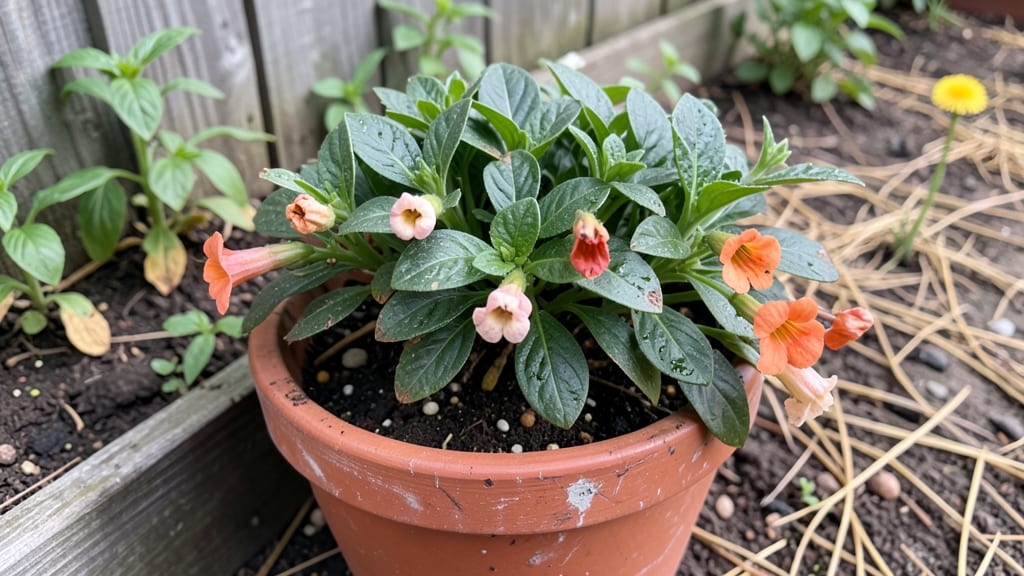
Growing Guinea impatiens flowers in the Pacific Northwest means you can finally have those vibrant, frost-tolerant blooms without summer wilting. I planted mine last spring and was shocked when they bounced back after a late frost—something store-bought annuals never do.
These shade-loving beauties thrive where most flowers give up, and their deep reds and purples add drama to shady spots that other plants ignore.
The secret to their success is simple: rich, moist soil and partial shade (they hate direct sun). I mix in compost before planting and keep the soil consistently damp—never soggy. They’re also tougher than they look, handling our region’s damp winters better than petunias or geraniums.
Once established, they’ll reward you with nonstop blooms from May through frost, even in the PNW’s cooler summers.
You’ll notice the difference within weeks: glossy leaves, sturdy stems, and flowers that last longer than most annuals. The key is deadheading spent blooms (just pinch them off) to encourage more flowers, and watching for slugs—their only real weakness.
With the right care, these plants become the backbone of your shade garden, year after year.
Perfect for under trees, along fences, or in containers where other flowers struggle. Here’s how to keep them thriving through our wet winters and cool summers—no green thumb required.
📚 In This Guide
- What you need
- Instructions
- Tips and common mistakes
- Wrapping up and next steps
What you need
- ● Guinea Impatiens Seeds or Plants: Seeds: 1–2 packets (50–100 seeds per packet, frost-resistant varieties like Impatiens walleriana or Impatiens hawkeri). Plants: 3–5 nursery-grown seedlings (ensure they’re labeled for cold tolerance).
- ● Containers or Garden Beds: Containers: 6–8" deep pots with drainage holes (3–5 plants per container). Garden beds: Well-draining soil, partial shade (4–6 hours sun/day).
- ● Soil Mix: 1 part peat moss or coco coir. 1 part perlite or pumice (for drainage). 1 part compost (for nutrients).
- ● Watering Can or Hose: With a gentle spray nozzle (to avoid damaging delicate foliage).
- ● Fertilizer: Balanced liquid fertilizer (10-10-10 or 20-20-20, diluted to half-strength).
- ● Mulch: 1–2 inches of shredded bark or straw (to retain moisture and insulate roots).
- ● Pruning Shears: Small, sharp pair for trimming dead blooms or leggy stems.
- ● Grow Lights: LED lights (for indoor seedlings or early spring starts).
- ● Slow-Release Granules: Osmocote or similar (mix into soil for steady nutrients).
- ● Shade Cloth: 30–50% coverage (for hot PNW summers).
- ● Plant Labels: Waterproof markers to track varieties.
- ● Compost Tea: Homemade or store-bought (for a nutrient boost).
Instructions for cultivating hardy guinea impatiens in the Pacific Northwest
Here’s how to grow these frost-tolerant bloomers with minimal fuss—once you nail these key steps.
Select the Right Site and Prepare Soil
Guinea impatiens thrive in partial shade to full shade, making them perfect for Pacific Northwest gardens where direct sun can scorch leaves. Choose a spot that receives morning sun and afternoon shade, especially in hotter summer months. These plants prefer well-draining, slightly acidic soil with a pH between 5.5 and 6.5—test your soil if unsure, as overly alkaline conditions stunt growth.
Amend heavy or clay soils with 2-3 inches of organic compost mixed into the top 12 inches of soil. This improves drainage while retaining moisture, which guinea impatiens appreciate but won’t tolerate soggy roots. If your soil is sandy, add a thin layer of peat moss to help retain moisture without compacting.
Plant at the Correct Depth and Spacing
Dig holes twice as wide as the root ball but only as deep as the container’s base—planting too deep suffocates roots, while too shallow exposes them to temperature swings. Space plants 12-18 inches apart to allow airflow and reduce fungal risks. I like to water the root ball thoroughly before planting, then backfill with native soil mixed with a handful of bone meal for phosphorus to encourage strong root establishment.
Press the soil gently around the roots to eliminate air pockets, then water deeply to settle everything. Mulch with 2-3 inches of shredded bark or pine needles to conserve moisture and protect roots from winter chill. Avoid fresh wood chips, which can rob nitrogen from the soil as they break down.
Water Consistently Without Overdoing It
Guinea impatiens need consistent moisture, especially during their first growing season, but they hate soggy feet. Water deeply once a week (or more often in hot, dry spells) until water drains 6 inches down into the soil. Check by inserting a screwdriver—if it meets resistance, you’ve watered enough. In the Pacific Northwest’s cooler, wetter climate, you’ll likely need less frequent watering than in drier regions.
Water in the early morning to allow foliage to dry before evening, reducing fungal diseases like powdery mildew. If leaves yellow or wilt, it’s usually a sign of underwatering, but brown, crispy edges mean overwatering or poor drainage. Adjust your routine based on these visual cues—guinea impatiens are forgiving but not drought-proof.
Fertilize Lightly for Long-Lasting Blooms
Feed plants with a balanced, slow-release fertilizer (10-10-10) at half-strength when new growth appears in early spring. Over-fertilizing leads to lush foliage but fewer flowers—these plants prioritize blooms over leaves. I apply a scattered handful of fertilizer granules around the base in early spring and again after the first flush of blooms fades. Avoid high-nitrogen fertilizers, which promote leafy growth at the expense of flowers.
For organic gardeners, mix 1-2 tablespoons of fish emulsion into the watering can monthly during the growing season. Stop fertilizing by mid-summer to encourage hardening off before winter. Guinea impatiens are light feeders, so less is more—too much fertilizer stresses the plant and reduces frost hardiness.
Prune and Protect for Winter Hardiness
After the first frost, cut back faded blooms and yellowing leaves to about 6 inches above the ground. This removes dead growth and redirects energy to root development for next season. Guinea impatiens are mildly frost-tolerant (down to 20°F), but a heavy blanket of mulch—4-6 inches of straw or leaves—extends their survival through colder Pacific Northwest winters.
In areas with hard freezes below 15°F, cover plants with burlap or frost cloth until spring. Remove the cover on warm days to prevent rot. Prune again in early spring to shape the plant and remove any winter-damaged stems. With proper care, guinea impatiens rebound quickly and bloom prolifically the following year.
Tips & tricks for perfect guinea impatiens flowers
These proven strategies will help you cultivate thriving guinea impatiens that bloom beautifully in Pacific Northwest conditions.
Soil Preparation Secret: Before amending your soil in Step 1, conduct a simple pH test using a basic soil kit available at garden centers. Guinea impatiens prefer slightly acidic soil (5.5-6.5), and adjusting the pH before planting saves you from struggling with stunted growth later. If your soil tests too alkaline, work in sulfur or peat moss according to package instructions to acidify it gradually over several weeks.
Planting Depth Technique: When planting in Step 2, use a reference stick or small board to mark the original soil level around the root ball. This visual guide ensures you don't plant too deep—roots should sit just below the original soil line. Too-deep planting suffocates roots, while too-shallow planting exposes them to temperature extremes that can stress the plant.
Watering Wisdom: In Step 3, invest in a moisture meter to check soil moisture before watering. The goal is for the top 6 inches of soil to be consistently moist but not soggy. I've found that watering in the early morning (as recommended) gives leaves time to dry completely, which dramatically reduces powdery mildew risk—a common fungal issue in Pacific Northwest's damp climate.
Frost Protection Strategy: For the winter hardiness in Step 5, create a layered mulch system: start with 2 inches of straw for insulation, then add 4 inches of leaves on top. This combination provides better protection than a single layer, especially during our region's unpredictable freeze-thaw cycles. Remember to remove the mulch in early spring before new growth appears to prevent rot.
Pro Tips for Guinea Impatiens Flowers
- These proven strategies will help you cultivate thriving guinea impatiens that bloom beautifully in Pacific Northwest conditions.
- Soil Preparation Secret: Before amending your soil in Step 1, conduct a simple pH test using a basic soil kit available at garden centers.
- Planting Depth Technique: When planting in Step 2, use a reference stick or small board to mark the original soil level around the root ball.
Frequently asked questions
Got questions about growing Guinea impatiens in the Pacific Northwest? You’re not alone!
Here are answers to the most common concerns—from frost prep to troubleshooting—so you can keep these vibrant blooms thriving year-round.
How cold can Guinea impatiens tolerate before frost damage?
These tough beauties handle light frosts down to 20–25°F (-6 to -4°C), but prolonged cold (<15°F/-9°C) risks leaf scorch. In the PNW, mulch heavily with straw or evergreen boughs to insulate roots. Pro tip: Prune back damaged stems in spring—they bounce back faster than you’d expect!
Can I grow Guinea impatiens from seed, or should I buy plants?
While possible from seed (germination takes 2–4 weeks in warm soil), starting with nursery-grown plants saves time and ensures hardier stock for PNW climates. Seeds require consistent moisture and warmth—ideal for greenhouses but tricky outdoors. For fastest results, opt for local PNW nurseries specializing in cold-hardy varieties.
Why are my Guinea impatiens leaves turning yellow?
Yellowing leaves usually signal overwatering or nutrient deficiency. Check soil moisture—these plants prefer consistently moist but well-draining soil. Amend with compost if leaves look pale (nitrogen deficiency) or feed with a balanced 10-10-10 fertilizer in spring. Fun fact: Yellowing on older leaves is normal aging—focus on new growth!
What’s the best companion plant for Guinea impatiens in PNW gardens?
Pair them with low-growing perennials like heuchera (coral bells) or ajuga (bugleweed) to create a lush, shade-tolerant understory. Avoid aggressive spreaders like mint or lamium, which compete for nutrients. For height contrast, tuck them near rodgersia or astilbe—both thrive in similar moist, acidic soil.
Do Guinea impatiens spread aggressively, or do I need to contain them?
Not invasive! They self-seed moderately but stay clump-forming. To control spread, deadhead spent blooms regularly or divide rhizomes every 3–4 years. If they pop up where you don’t want them, simply transplant or mulch heavily to suppress seedlings. Bonus: Their frost-resistant nature makes them a low-maintenance PNW staple.
When is the ideal time to prune Guinea impatiens for winter?
Wait until late fall (October–November) after the first frost, but before hard freezes. Cut back stems by 1/3 to encourage bushier growth next season. Avoid heavy pruning in early fall—new growth won’t harden off in time. Pro move: Leave a few seed heads for winter interest!
Wrapping up and next steps
Growing Guinea impatiens flowers in the Pacific Northwest is totally doable—even with its frosty winters! 🌿 With the right location, soil prep, and care routine, you’ll be rewarded with vibrant blooms that thrive year after year.
Whether you’re a beginner or a seasoned gardener, these frost-resistant beauties are a fantastic addition to your garden.
Ready to transform your outdoor space? Start by gathering your supplies, choosing the perfect spot, and following the steps above. Before you know it, your garden will be bursting with color—and you’ll be the proud gardener behind it! 🌸