
Flowers
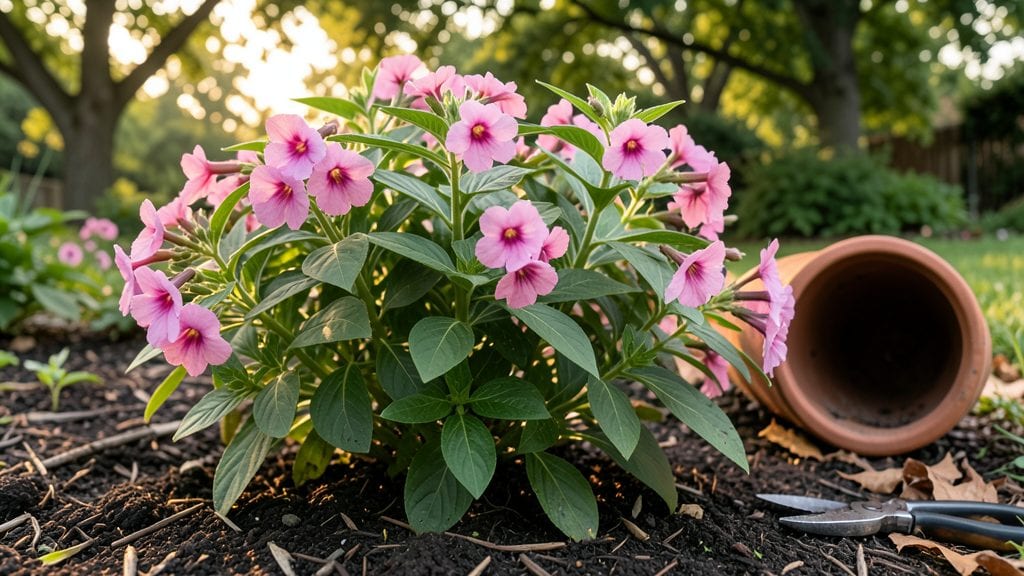
Pink impatiens flowers bring effortless color to shady spots, and I’ve learned their secret to staying vibrant all season—even in containers. 🌸 These shade-lovers thrive where nothing else will, but they need the right balance of moisture, light, and protection from cold snaps.
My first batch lasted through summer with almost no effort, and I’ll show you exactly how to replicate that success.
You’ll need well-draining potting mix, a container with drainage holes, and a spot that gets morning sun and afternoon shade—they wilt fast in full sun. Water them when the top inch of soil feels dry, and fertilize lightly every 4-6 weeks.
The key is keeping them consistently moist without soggy roots, which is easier than it sounds once you get the rhythm.
With proper care, your pink impatiens will explode into vibrant blooms from late spring until frost, creating a lush, cloud-like display. They’re perfect for hanging baskets, window boxes, or as a border in shady garden beds.
The best part? They bounce back from pests like aphids and deer with minimal fuss—just a quick spray of soapy water if needed.
For cooler climates, bring containers indoors before temperatures drop below 50°F, or treat them as annuals and replant next spring. Their shade tolerance makes them a foolproof choice for patios, porches, or under trees. Ready to add some easy, reliable color to your garden? Let’s get growing!
📚 In This Guide
- What you need
- Instructions
- Tips and common mistakes
- Wrapping up and next steps
What you need
- ● Pink impatiens seeds or seedlings: Choose disease-resistant varieties like Impatiens walleriana (e.g., ‘Super Elfin’ or ‘Diamond Blush’). Buy 10–20 seeds or 3–5 seedlings per container.
- ● Containers: Use 6–12-inch pots (1–2 plants per 6-inch pot) with drainage holes. Opt for lightweight materials like fabric grow bags or plastic/terra cotta.
- ● Well-draining potting mix: A 50/50 blend of peat moss or coco coir and perlite/vermiculite (avoid garden soil—it compacts!). Need 1–2 gallons per container.
- ○ Slow-release fertilizer: A balanced 10-10-10 or 20-20-20 formula (follow label rates for containers). Optional: fish emulsion or seaweed extract for organic boosts.
- ● Basic gardening tools: Trowel or small shovel
- ● Pruning shears (for trimming leggy stems)
- ● Spray bottle (for misting seedlings)
- ○ Optional (but helpful!): Grow lights (if starting indoors—12–16 hours/day)
- ● Mulch (shredded bark or pine needles to retain moisture)
- ● Epsom salt (1 tbsp per gallon of water monthly for magnesium)
- ● Support stakes (if growing in breezy spots)
- ● Sunlight: Partial shade to dappled sun (2–4 hours max direct sunlight daily). Avoid harsh afternoon rays!
- ● Watering routine: Keep soil consistently moist (not soggy). Containers dry out faster—water daily in heat.
- ● Temperature: Ideal range: 65–75°F (18–24°C). Protect from frost (below 40°F/4°C kills them—use row covers if needed).
- ● Patience: Seedlings sprout in 10–14 days; full bloom in 8–10 weeks.
Step-by-Step instructions for growing pink impatiens in containers
Here's the foolproof method I use to grow vibrant pink impatiens all season long.
🪴 Step 1: Choose the Right Containers and Soil Mix
Pick containers with drainage holes that are at least 6 inches deep—impatiens hate soggy roots. I use terracotta pots because they breathe better than plastic and help prevent overwatering. Fill each pot with a mix of half potting soil and half perlite or peat moss to improve drainage and keep roots aerated.
Moisten the mix until it feels like a damp sponge—you should be able to squeeze it gently without water dripping out. This ensures roots get moisture without drowning. Real talk: if you skip the perlite, your impatiens will wilt faster in hot weather because the soil will stay too compacted.
🌱 Step 2: Plant Seeds or Transplants at the Right Depth
If starting from seed, plant them just ¼ inch deep—any deeper and they'll struggle to push through the soil. Space seeds 12 inches apart so they have room to grow without competing. For transplants, dig a hole twice as wide as the root ball and place them so the top of the roots sits just below the soil surface.
Press the soil lightly around the stems to secure them, but don't pack it down too hard—impatiens roots need air. Water gently right after planting so the soil settles around the roots. Here's the thing: if you bury the stems too deep, they'll rot before the plant can establish itself.
☀️ Step 3: Position for Bright, Indirect Light
Pink impatiens thrive in bright, indirect light—think morning sun with afternoon shade. A spot under a tree or on an east-facing porch works perfectly. If you only have full sun, move them to partial shade by midday to prevent leaf scorch. You'll know they're getting too much sun when leaves turn yellow or crispy at the edges.
Rotate the containers a quarter turn weekly so plants grow evenly instead of leaning toward the light. This ensures bushier growth and more flowers. I've had impatiens grow leggy and sparse when left in one spot too long—don't let that happen to yours.
💧 Step 4: Water Consistently and Fertilize Monthly
Keep the soil evenly moist but never soggy—impatiens wilt fast when dry. Water when the top inch of soil feels dry to the touch, usually every 2-3 days in summer. Use room-temperature water to avoid shocking the roots. I water at the base in the morning so leaves dry quickly, which prevents fungal diseases.
Feed with a balanced liquid fertilizer (10-10-10) every 4-6 weeks during the growing season. You'll see a boost in flower production within a week of fertilizing. Don't overdo it—too much fertilizer burns roots and reduces blooms.
✂️ Step 5: Deadhead and Prune for Continuous Blooms
Pinch off spent flowers regularly to encourage more blooms. I do this every 2-3 days during peak flowering season. Use clean scissors or your fingers to remove faded blooms at the base of the stem. This prevents the plant from wasting energy on seed production and keeps it focused on new flowers.
If your impatiens look leggy, trim back the longest stems by ⅓ to encourage bushier growth. Do this in early morning so any cuts have time to heal before evening. You'll notice new side shoots forming within a week—that's your sign the plant is recovering and will bloom even more abundantly.
Tips & tricks for perfect pink impatiens in containers
Here's what nobody tells you about growing these stunning flowers that'll make all the difference this season.
Container Selection: Terracotta pots aren't just my preference—they're a game-changer for impatiens. The porous material helps regulate moisture levels, which is critical since these plants wilt faster when overwatered. If you must use plastic, add extra perlite to the mix to improve drainage. Confession: I skipped this for years and wondered why my impatiens struggled in summer heat.
Soil Mix Matters: That half-and-half potting soil to perlite ratio in Step 1 isn't arbitrary. The perlite creates air pockets that prevent soil compaction, which impatiens roots absolutely hate. Pro tip: Add a handful of worm castings to your soil mix for extra nutrients without overdoing the fertilizer. You'll notice the plants establish faster and bloom more vigorously.
Light Positioning: The bright, indirect light recommendation in Step 3 is non-negotiable for vibrant pink blooms. Here's the thing: if you only have full sun, move your containers to partial shade by midday—even just 2-3 hours of direct afternoon sun can cause leaf scorch. I've seen impatiens go from lush to crispy in just one hot afternoon when left in full sun.
Watering Wisdom: The "top inch dry" test in Step 4 works, but there's more. Water at the base rather than overhead to prevent fungal diseases that love damp foliage. I water mine in the morning so any moisture on leaves dries quickly in the sunlight. And trust me on this: the 2-3 day watering schedule can shift to daily in extreme heat—always check that top inch!
Pro Tips for Pink Impatiens Flowers
- Here's what nobody tells you about growing these stunning flowers that'll make all the difference this season.
- Container Selection: Terracotta pots aren't just my preference—they're a game-changer for impatiens.
- Soil Mix Matters: That half-and-half potting soil to perlite ratio in Step 1 isn't arbitrary.
Frequently asked questions
Got questions about growing pink impatiens? We’ve got answers!
Whether you're a newbie gardener or just curious about these vibrant blooms, here are some of the most common questions—and their solutions.
Are pink impatiens frost-resistant?
Unfortunately, no! Pink impatiens (Impatiens walleriana) are tender perennials and cannot tolerate frost. They thrive in USDA zones 10-11 and will die back in temperatures below 40°F (4°C). For cooler climates, grow them as annuals or bring potted plants indoors before the first frost.
How do I keep pink impatiens blooming all season?
To encourage nonstop blooms, deadhead spent flowers regularly—this redirects energy to new buds. Also, fertilize every 2-3 weeks with a balanced, water-soluble fertilizer (like 10-10-10) during the growing season. Partial shade (2-6 hours of sun) and consistent moisture (but not soggy soil) are key!
What pests commonly attack pink impatiens, and how do I treat them?
Watch for aphids, spider mites, and whiteflies, which love impatiens’ tender leaves. For mild infestations, blast them off with a strong spray of water or use neem oil (follow label instructions). Severe cases may need insecticidal soap. Prevent issues by keeping plants healthy and avoiding overcrowding.
Can I grow pink impatiens in full sun?
While they prefer partial shade, some varieties (like Impatiens hawkeri) tolerate morning sun + afternoon shade. Avoid harsh afternoon sun, especially in hot climates, as it can scorch leaves and reduce blooms. If your space is shady, impatiens will thrive!
What’s a good alternative to pink impatiens for frost-prone areas?
If you love the trailing, shade-loving look of impatiens but need frost tolerance, try:
- Begonias (e.g., Begonia semperflorens) – Similar blooms, slightly more heat-tolerant.
- Fuchsias – Lush foliage and dangling flowers (great for containers!).
- Coleus – Colorful leaves for shade gardens (not a flower, but a stunning filler!).
- Lobelia – Compact and spill-over-friendly, with blue/purple blooms.
Why are my pink impatiens’ leaves turning yellow?
Yellow leaves usually signal overwatering, underwatering, or nutrient deficiency. Check the soil—it should stay evenly moist but not soggy. If roots are mushy, reduce watering and improve drainage. For pale yellow leaves, fertilize with iron or a balanced formula. Brown edges? Cut back on water and ensure good airflow.
Wrapping up and next steps
Pink impatiens flowers bring a burst of vibrant color and easy-care charm to containers—perfect for gardeners of all levels! 🌸 Whether you’re drawn to their frost-resistant varieties or their low-maintenance nature, these blooms reward patience with lush, cheerful displays.
Now that you’re armed with the right materials, tips, and answers to common questions, it’s time to roll up your sleeves and create your own thriving impatiens oasis.
Start by choosing your container and planting your seeds or seedlings—soon, you’ll be basking in the joy of watching your garden flourish. Happy growing! 🌱