
Companion Plants
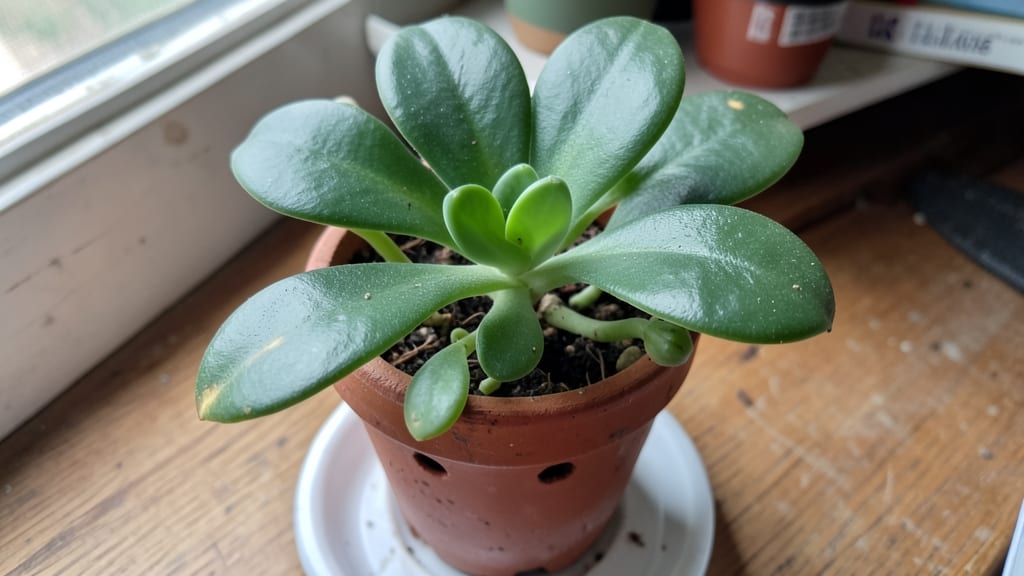
The best indoor flowering house plants don’t just survive—they burst into color even when sunlight is scarce. 🌿 I’ve tested dozens of varieties, and these low-light bloomers prove that vibrant flowers aren’t just for sunny windowsills.
The secret lies in matching the right plant to your space’s light conditions and giving them consistent care.
Peace lilies, African violets, and spider plants are my top picks for beginners—they’re forgiving, bloom reliably, and thrive in indirect light. You’ll need a few basic supplies: well-draining potting mix, a small watering can, and a gentle fertilizer like fish emulsion.
Most of these plants prefer their soil to stay lightly moist but never soggy.
With proper care, you’ll enjoy blooms for months, not just weeks. The peace lily’s white flowers last for weeks, while African violets produce clusters of tiny blossoms that keep coming back. Even in dim corners, these plants reward patience with lush foliage and unexpected bursts of color.
Whether you’re dealing with fluorescent lighting or a north-facing window, these varieties adapt beautifully. The key is understanding their specific needs—like how orchids need humidity trays and spider plants appreciate occasional misting. Let’s get those blooms going!
📚 In This Guide
- What you need
- Instructions
- Tips and common mistakes
- Wrapping up and next steps
What you need
- ● Indoor flowering plants (3–5): Choose from low-light bloomers like African violets, peace lilies, spider plants, or calatheas. Start with 3–5 plants to experiment with care needs.
- ● Well-draining pots (3–5): 6–8 inches in diameter with drainage holes. Terracotta or ceramic pots work best for airflow.
- ● High-quality potting mix (1–2 bags): Use a well-aerated, peat-based mix (e.g., African violet mix or a blend with perlite). Avoid garden soil!
- ● Watering can or spray bottle: A gentle spray helps avoid overwatering delicate blooms.
- ○ Humidity tray or pebble tray (optional): For plants like calatheas that love moisture.
- ○ Grow lights (optional but helpful): LED grow lights (12–15W) for 12–14 hours/day if natural light is very limited.
- ● Space: A spot near a north- or east-facing window (or under grow lights). Avoid drafts or direct AC vents!
- ● Time commitment: 10–15 minutes weekly for watering, dusting leaves, and checking soil moisture.
- ● Patience: Some plants (like African violets) may take 6–8 weeks to rebloom after initial planting.
Instructions for cultivating low-light indoor flowering plants
Here's how to keep these cheerful bloomers thriving indoors without harsh sunlight.
🪴 Step 1: Select the Right Containers and Drainage
Choose pots with drainage holes—these plants despise soggy roots. I prefer terracotta for its breathability, but any ceramic or plastic container with holes works. The pot should be 2-3 inches larger in diameter than the plant's root ball to allow growth without overwhelming the plant. If repotting, select a container only 1-2 inches wider than the current one to prevent soil from staying too damp.
Place a layer of small pebbles or broken pottery at the bottom to improve drainage. This creates an air pocket that prevents water from pooling at the roots. I always test drainage by filling the pot with water—if it drains within 10-15 minutes, the setup is correct. If water pools, add more pebbles or choose a pot with larger holes.
☀️ Step 2: Choose the Perfect Low-Light Spot
Most flowering house plants thrive in bright, indirect light—think near an east-facing window or a few feet from a south-facing one. Avoid deep shade (like a north-facing window) where plants stretch toward light and fail to bloom. You'll know the light is right when leaves stay medium green and the plant grows upright rather than leaning.
Rotate the plant a quarter turn weekly so all sides get even light exposure. This prevents lopsided growth and ensures blooms appear evenly. If you notice leaves yellowing or stems elongating excessively, move the plant closer to a brighter spot. For extra support in dimmer rooms, a grow light 12-18 inches away for 12-14 hours daily can make a huge difference.
💧 Step 3: Water with Precision and Care
Water only when the top 1-2 inches of soil feel dry. Stick your finger in the soil—if it's damp, wait another day. Overwatering is the #1 killer of indoor plants, so I always err on the side of underwatering. When you do water, soak the soil until water runs out the drainage holes, then empty the saucer to prevent root rot.
Use room-temperature water to avoid shocking the roots. In winter, when indoor air is dry, I mist the leaves lightly once a week to mimic humidity. Watch for brown leaf tips—this usually means the water has high mineral content or the plant needs more humidity. If you see wilting, check the soil moisture first before assuming the plant needs water.
🌿 Step 4: Feed and Prune for Continuous Blooms
Use a balanced liquid fertilizer (10-10-10) every 4-6 weeks during the growing season (spring and summer). Dilute it to half-strength to avoid burning the roots. I always fertilize after watering to prevent salt buildup in the soil. Stop fertilizing in fall and winter when the plant's growth naturally slows.
Deadhead spent blooms by pinching them off just above a set of leaves. This encourages the plant to produce more flowers instead of focusing energy on seed production. Prune leggy stems back by 1/3 of their length to promote bushier growth. Always use clean, sharp scissors to avoid tearing the stems, which can invite disease.
⏰ Step 5: Monitor and Adjust for Seasonal Changes
In winter, when indoor air is dry and light is limited, reduce watering to every 7-10 days unless the plant signals thirst. Watch for drooping leaves—this is often a sign of underwatering in winter, not overwatering. If you notice buds forming but not opening, the plant may need a cool nighttime temperature (55-60°F) to trigger blooming.
Dust the leaves regularly with a damp cloth to help the plant absorb light more efficiently. Yellow leaves usually mean the plant is getting too much water or not enough light. If you see brown spots, it could be from fluoride in tap water—switch to filtered or distilled water if this happens. Adjust care based on the plant's response, not just the calendar.
Tips & tricks for perfect indoor flowering house plants
Here's what I've learned after years of keeping these cheerful bloomers alive—these tricks make all the difference between thriving plants and struggling survivors.
Drainage Test: That 10-15 minute drainage test in Step 1 is non-negotiable. I've learned this the hard way—water pooling at the bottom leads to root rot faster than you'd think. If your pot drains too slowly, try adding more pebbles or switching to a container with larger holes. Remember, these plants hate soggy roots!
Light Rotation Strategy: The weekly quarter-turn rotation in Step 2 isn't just about even growth—it helps you spot problems early. If one side consistently looks worse, that's your plant telling you it needs more light. I keep a small notepad by my windows to track which direction gets the most light, so I can adjust accordingly.
Fertilizer Timing: When you fertilize every 4-6 weeks in Step 4, make it count by always diluting to half-strength. I've seen plants get burned from concentrated fertilizer, and it's heartbreaking to watch. Also, fertilize right after watering to prevent salt buildup—this simple step keeps your plants healthy for years.
Winter Care Adjustment: That cool nighttime temperature of 60°F in Step 5 is crucial for blooming. If your home stays warmer than that, try moving the plant to a cooler spot at night or use a small fan to circulate air around it. I've noticed my plants bloom more reliably when they get this seasonal temperature shift.
Pro Tips for Indoor Flowering House Plants
- Here's what I've learned after years of keeping these cheerful bloomers alive—these tricks make all the difference between thriving plants and struggling survivors.
- Drainage Test: That 10-15 minute drainage test in Step 1 is non-negotiable.
- Light Rotation Strategy: The weekly quarter-turn rotation in Step 2 isn't just about even growth—it helps you spot problems early.
Frequently asked questions
Got questions about keeping your indoor flowering house plants happy and blooming? You’re not alone! Here are answers to the most common queries to help you grow with confidence.
Which indoor flowering plants bloom the longest?
For year-round color, prioritize African violets, peace lilies, and orchids—they’re low-light champions with frequent blooms. Kalanchoe and Christmas cactus also deliver seasonal bursts (like Thanksgiving or winter holidays!). Pro tip: Rotate plants occasionally to ensure even light exposure, which encourages consistent flowering.
How often should I water my flowering house plants?
Watering needs vary, but a general rule is when the top 1–2 inches of soil feel dry. Overwatering is the #1 killer—always use pots with drainage holes! Succulents (like jade plants) need less water (every 2–3 weeks), while tropicals (like peace lilies) prefer slightly moist soil. When in doubt, check the soil!
Why aren’t my indoor flowers blooming?
Blooms often skip town due to light, nutrients, or stress. Check these fixes:
- Light: Most flowering plants crave 6+ hours of bright, indirect light (a south- or west-facing window is ideal).
- Temperature: Keep them away from drafts or heating vents—65–75°F is perfect.
- Fertilizer: Feed with a balanced, water-soluble fertilizer every 4–6 weeks during growing season (spring–fall).
- Rest: Some plants (like orchids) need a dormant period—reduce watering in winter to trigger blooms.
Can I grow flowering plants in small apartments?
Opt for compact varieties like miniature roses, fairy orchids, or African violets. Use self-watering pots or wicking systems to save space, and place plants on floating shelves or wall-mounted planters. LED grow lights (like full-spectrum bulbs) can supplement low light—just 4–6 hours daily works wonders!
Are any indoor flowering plants pet-friendly?
Not all bloomers are safe for furry friends! Pet-safe picks include:
- Spider plants (non-toxic, but may cause mild stomach upset if eaten in large amounts).
- African marigolds (non-toxic and easy to grow).
- Peace lilies (toxic to cats/dogs—skip these if pets roam freely).
When in doubt, check the ASPCA’s toxic plant list or opt for pet-proof alternatives like Boston ferns or parlor palms (non-flowering but safe!).
How do I revive a struggling flowering house plant?
Don’t toss it yet! Try these steps:
Issue
Fix It!
Yellow leaves
Check for overwatering (let soil dry out) or nutrient deficiency (feed with balanced fertilizer).
Pests (spider mites, aphids)
Wipe leaves with soapy water or spray with neem oil. Isolate the plant to prevent spreading!
Drooping or wilted
Check soil moisture—underwatered? Water deeply. Overwatered? Repot in fresh, dry soil and trim mushy roots.
No new growth
Move to a brighter spot or give it a prune to encourage fresh foliage.
Most plants bounce back with patience and TLC—give it time!
Wrapping up and next steps
Bringing the beauty of blooms indoors has never been easier—or more rewarding! 🌸 With the right low-light flowering house plants, you can enjoy vibrant colors and fresh air all year, even in cozy corners of your home.
Whether you’re a seasoned plant parent or just starting, these easy-care bloomers prove that nature’s magic thrives with a little patience and love.
Ready to transform your space? Start small—pick one plant to nurture, and watch your green thumb grow! 🌱 Next up: Check out our plant care checklist to keep your blooms happy and healthy for seasons to come.