Planting
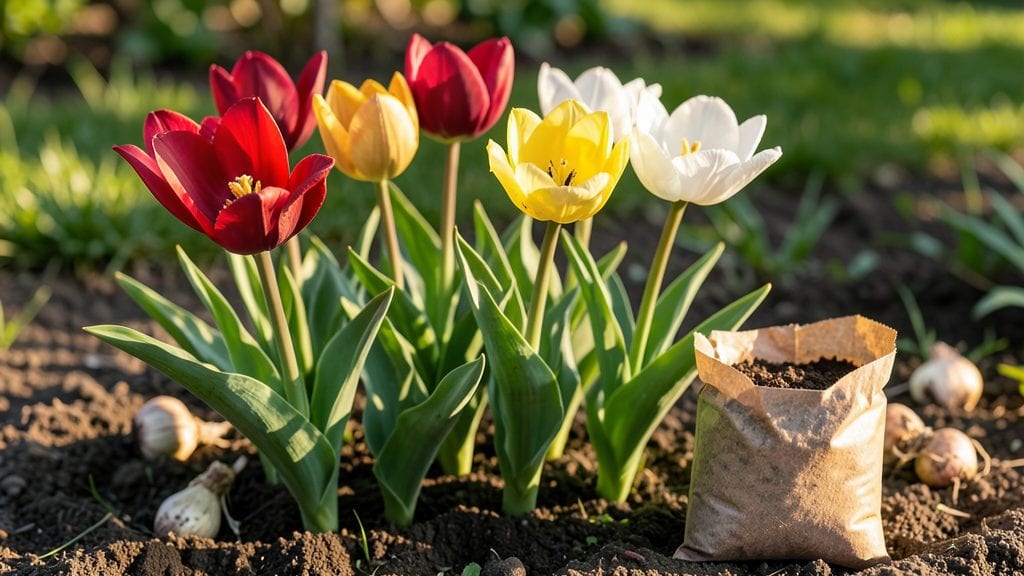
Finding inexpensive flower bulbs that deliver year-round color shouldn’t mean sacrificing beauty or breaking the bank. Last fall, I bought a mixed pack of tulips, daffodils, and crocuses for just $8 at a local hardware store—enough to fill a small border that bloomed for weeks.
The secret isn’t hunting for sales; it’s knowing which varieties pack the biggest punch for the price.
Start with daffodils, tulips, and crocuses—they’re the workhorses of budget bulb gardening. A single bag of 25 daffodils costs less than $5 and multiplies every year, while tulips like ‘Istanbul’ or ‘Darwin Hybrid’ deliver bold blooms for under $3 a pack.
For fall color, try fall-planted crocuses ($4 for 50 bulbs) that bloom before snow melts. Plant them in clusters of 12–15 bulbs for a natural, lush look without spending much.
You’ll end up with a garden that feels like it cost hundreds, not dollars. Imagine vibrant yellow daffodils pushing through spring mud, followed by deep purple tulips in May, and tiny but cheerful crocuses peeking through autumn leaves.
The best part? These bulbs naturalize over time, meaning more flowers with zero extra cost. Once you see how easy it is, you’ll wonder why you ever paid full price.
Works for any yard size—whether you’ve got a tiny city balcony or a half-acre plot. The key is timing: plant fall bulbs in October (before the ground freezes) and spring bulbs in November (for early blooms next year).
No fancy tools or green thumbs required—just a shovel, a little patience, and a willingness to let nature do the heavy lifting.
📚 In This Guide
- What you need
- Instructions
- Tips and common mistakes
- Wrapping up and next steps
What you need
- ● Inexpensive flower bulbs: Choose from tulips, daffodils, crocuses, or hyacinths (5–10 bulbs per variety). Opt for $1–$3 per bulb at garden centers or online retailers.
- ● Well-draining soil: A 5-gallon bag of potting mix or native soil amended with compost (1 part compost to 3 parts soil).
- ○ Fertilizer (optional but recommended): A slow-release bulb fertilizer (e.g., 5-10-10) or balanced 10-10-10 granular fertilizer (1 tbsp per 5 bulbs).
- ● Hand trowel (for digging—$5–$10 at hardware stores).
- ● Garden gloves (to keep hands clean—$3–$8).
- ● Measuring tape or ruler (to space bulbs correctly—$1–$5).
- ● Watering can or hose with a gentle spray nozzle (for hydration).
- ● A sunny or partially shaded spot (6+ hours of light for most bulbs).
- ● Patience! Bulbs need 6–8 weeks to establish roots before blooming.
- ● Seasonal timing: Plant fall bulbs (Oct–Dec) for spring blooms or spring bulbs (Feb–April) for summer color.
Step-by-Step guide to planting inexpensive flower bulbs for year-round color
Here’s how to transform your garden into a vibrant display without breaking the bank.
Select Bulbs That Thrive in Your Climate
Start by choosing hardy, affordable bulbs that align with your USDA hardiness zone. Daffodils, tulips, and crocuses are classic, budget-friendly options, often sold in bulk for under $5 per pound. Check the packaging for zone labels—planting bulbs outside their range will result in weak or no blooms. I always buy from local garden centers or online retailers during late summer sales, when prices drop significantly.
Look for firm, dry bulbs with no mold or soft spots—these are signs of rot or poor storage. A bulb’s size matters too: larger bulbs (about 2-3 inches in diameter) produce stronger, more reliable blooms. Smaller bulbs may still flower but often take longer to establish. Store them in a cool, dark place until planting to maintain freshness.
Prepare the Soil and Planting Site
Flower bulbs need well-draining soil to prevent rot, which is why I avoid heavy clay unless I’ve amended it with 2-3 inches of compost or sand. Test your soil’s drainage by digging a 6-inch hole, filling it with water, and timing how long it takes to drain. If it’s still soggy after 30 minutes, mix in perlite or coarse sand to improve airflow.
Choose a spot with at least 6 hours of sunlight for most bulbs—especially tulips and daffodils. Shade-tolerant varieties like crocuses or snowdrops can handle partial shade, but they’ll bloom less vigorously. Loosen the soil to a depth of 12 inches with a garden fork or tiller, breaking up compacted layers. This ensures roots can spread easily without resistance.
Plant Bulbs at the Correct Depth and Spacing
Depth is critical: plant bulbs 3 times deeper than their height. A 2-inch bulb should go 6 inches deep, while a 3-inch bulb needs 9 inches of soil cover. Use a bulb planter or your finger to mark the hole depth—burying them too shallow risks frost heave or weak stems. Space bulbs 3-6 inches apart, depending on variety. Smaller bulbs (like crocuses) can be planted closer together, while larger ones (like tulips) need more room to prevent overcrowding.
Place bulbs pointy end up—the roots will grow downward, and the shoot will emerge upward. If unsure, lay the bulb on its side: the roots naturally point downward. Cover with soil, then water deeply to settle it around the bulbs. Avoid fertilizing at planting; bulbs store enough nutrients to bloom in their first year. Mulch lightly with 2 inches of straw or shredded leaves to protect against winter temperature swings.
Water and Maintain Through the Seasons
After planting, water once a week if rainfall is insufficient, keeping the soil evenly moist but not soggy. Overwatering in fall can cause rot before dormancy sets in. In spring, reduce watering once foliage appears—bulbs draw moisture from the soil to fuel blooms. Let the leaves yellow and wither naturally after flowering; this process replenishes the bulb’s energy for next year. Cutting them too soon weakens future blooms.
Fertilize lightly in early spring with a balanced, low-nitrogen fertilizer (like 10-10-10) to encourage strong growth without excessive foliage. Avoid high-nitrogen feeds, which promote leaves at the expense of blooms. In fall, add 2 inches of compost around bulbs to replenish nutrients for next season. Most bulbs naturalize over time, multiplying and returning year after year with minimal care.
Extend the Season with Layered Planting
For year-round color, plant bulbs in three layers: early spring (crocuses), mid-spring (tulips), and late spring (daffodils). Early bloomers like snowdrops can be planted in fall for winter interest, while alliums add height and drama in late spring. Stagger planting dates by 2-3 weeks to ensure continuous blooms. I’ve seen gardens with color from February through June using this method—no gaps, just a seamless progression.
Combine bulbs with perennials or annuals for added texture. For example, plant tulips beneath ornamental grasses or crocuses under low-growing shrubs like boxwood. This creates a natural, layered look while keeping costs down. Avoid planting bulbs under trees or shrubs with aggressive root systems—they’ll compete for nutrients and water, stunting bulb growth.
Tips & tricks for perfect inexpensive flower bulb planting
These practical insights will help you maximize your investment while avoiding common pitfalls that can turn your budget-friendly bulbs into a disappointment.
Bulk Buying Wisdom: When purchasing bulbs in bulk for under $5 per pound, sort them by size before planting. Larger bulbs (2-3 inches) will give you the most dramatic blooms, so prioritize those for focal points in your garden. Smaller bulbs can be used in clusters where you want a sea of color, like under trees or along borders. I’ve found that separating them this way prevents disappointment when some bulbs don’t perform as expected—especially important when working with budget varieties.
Soil Test Hack: That 30-minute drainage test in Step 2 is your secret weapon for avoiding bulb rot. If your soil drains too slowly, don’t just add sand—mix in equal parts compost and perlite for better structure. I’ve seen heavy clay gardens transform completely by following this ratio. For quick results, create raised beds with a mix of garden soil, compost, and coarse sand if you’re working with particularly poor drainage.
Planting Depth Visual: The "3 times deeper than their height" rule can be tricky to visualize. For a 2-inch bulb needing 6 inches of soil, imagine stacking three of those bulbs vertically—that’s your target depth. Use a bulb planter or even a pencil to mark the hole depth before planting. This simple trick prevents the most common mistake of planting too shallow, which leads to weak stems and poor blooms. Pro tip: Press the soil gently around each bulb to eliminate air pockets.
Layering Strategy: When creating your three-layer planting schedule, consider the mature height of each bulb type. Plant taller varieties like alliums in the back of borders, medium-height tulips in the middle, and low-growing crocuses in the front. This vertical layering creates instant visual impact while keeping costs down. I’ve seen $10 worth of bulbs create a show-stopping display that rivals $50 arrangements by using this simple height-based organization.
Pro Tips for Inexpensive Flower Bulbs
- These practical insights will help you maximize your investment while avoiding common pitfalls that can turn your budget-friendly bulbs into a disappointment.
- Bulk Buying Wisdom: When purchasing bulbs in bulk for under $5 per pound, sort them by size before planting.
- Soil Test Hack: That 30-minute drainage test in Step 2 is your secret weapon for avoiding bulb rot.
Frequently asked questions
Got questions about growing inexpensive flower bulbs?
You’re not alone! Here are answers to the most common queries—from planting tips to troubleshooting—so you can enjoy vibrant blooms without breaking the bank.
What are the cheapest flower bulbs for beginners?
Start with daffodils, tulips, or crocus—they’re affordable (often under $1 per bulb), hardy, and thrive in most climates. Bulk packs from garden centers or online retailers (like Bare Root Bulbs) offer the best deals. Pro tip: Skip fancy hybrids; species bulbs (like Tulipa clusiana) are budget-friendly and just as stunning!
When is the best time to plant inexpensive bulbs?
Plant fall bulbs (tulips, daffodils, hyacinths) in late September to November—6–8 weeks before the ground freezes. Spring bulbs (like crocus) can go in early fall or late winter in mild climates. Missed the window? Some bulbs (e.g., caladiums) tolerate spring planting—just keep soil moist!
Can I grow flower bulbs in containers or small spaces?
Use shallow pots (6+ inches deep) for small bulbs like tulips or snowdrops, or layer bulbs in a single large container (plant largest at the bottom). Choose lightweight mixes with perlite for drainage. Bonus: Rotate containers yearly to mimic natural sunlight cycles.
Why aren’t my inexpensive bulbs blooming?
Common culprits:
- Not enough sunlight (most bulbs need 6+ hours/day).
- Overcrowding (space bulbs 3–6 inches apart).
- Poor soil (amend with compost; bulbs hate soggy roots!).
- Skipping dormancy (some bulbs need a cold snap to bloom).
Fix it: Adjust care, or try easier bloomers like alliums (they’re forgiving!).
Are there perennial bulbs that come back every year?
Yes! Daffodils, alliums, and fritillaries are perennial workhorses—plant once, enjoy years of color. Even cheap tulips may return if you deadhead spent blooms and fertilize lightly in fall. Pro move: Naturalize bulbs in lawns or meadows for low-maintenance beauty.
Where can I buy inexpensive flower bulbs for under $10?
Check these spots for deals:
- Discount garden centers (e.g., Home Depot, Lowe’s—watch for end-of-season sales!).
- Online auctions (eBay, Facebook Marketplace—filter for "bulk" lots).
- Local bulb swaps (gardening groups often share extras!).
- Dollar stores (sometimes carry crocus or paperwhite bulbs).
Tip: Buy bare-root bulbs (no soil) in late winter—they’re 50% cheaper than potted ones!
Wrapping up and next steps
Transforming your garden into a vibrant, year-round display doesn’t have to break the bank!
With inexpensive flower bulbs like tulips, daffodils, and crocuses, you can enjoy stunning blooms for under $10 a season—proving that beauty and budget can go hand in hand. 🌸 Whether you’re a seasoned gardener or just starting out, these easy-to-grow bulbs are your ticket to effortless color and joy.
Ready to dive in? Start small this fall—pick a sunny spot, grab a few bulbs, and let nature do the rest. Your future self (and your neighborhood!) will thank you. Happy planting! 🌱