
Flowers
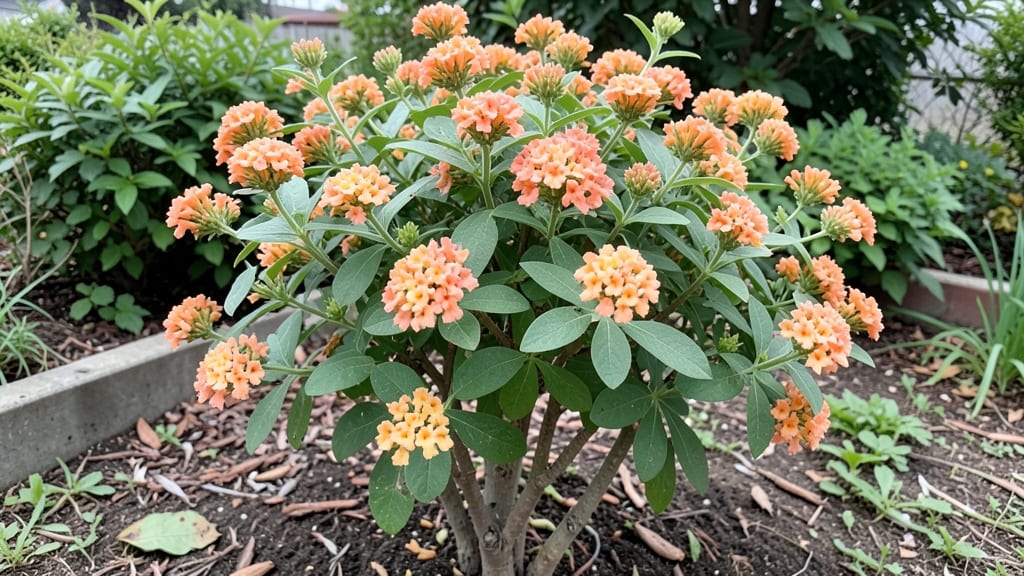
That poisonous lantana flower might be blooming in your garden right now—bright clusters hiding a dangerous secret for pets and kids, especially in the berries. 🌿 While they add vibrant color to landscapes, every part of the plant contains toxic compounds that can cause serious health issues if ingested.
The symptoms range from mild stomach upset to severe liver damage, depending on how much is consumed.
Dogs and cats are most at risk when they nibble on fallen flowers or berries, mistaking them for treats. Livestock can also be affected if grazing in areas where lantana grows wild.
The good news is that toxicity varies by species—some lantana varieties are less harmful than others, but none should be considered completely safe. Always monitor pets and children around these plants, and remove them if they’re easily accessible.
If you love lantana’s long-lasting blooms but need safer alternatives, consider non-toxic options like marigolds, zinnias, or cosmos. These plants offer similar beauty without the risk. For existing lantana, keep it out of reach or replace it with pet-friendly alternatives to create a safer garden for everyone.
When in doubt, consult your vet or poison control center immediately if you suspect ingestion. Prevention is key—removing the temptation before accidents happen makes all the difference in keeping your family and pets healthy.
📚 In This Guide
- What you need
- Instructions
- Tips and common mistakes
- Wrapping up and next steps
What you need
- ● Pet or child first-aid kit – Ensure it includes activated charcoal (if available) and antacids like Maalox or Mylanta.
- ● Disposable gloves – Nitrile (2 pairs) for handling contaminated plants or pets.
- ● Plastic bags or containers – For safely disposing of lantana flowers, leaves, or vomit (if needed).
- ● Pet-safe cleaning supplies – Mild soap (e.g., Dawn), paper towels, and a damp cloth to clean affected areas.
- ● Emergency contact list – Save numbers for: Your vet (or nearest 24/7 emergency pet clinic).
- ● Poison Control Center (e.g., ASPCA Poison Control: (888) 426-4435 or (800) 222-1222 for human exposure).
- ○ Digital scale (optional but helpful) – To measure activated charcoal dosage if administering at home.
- ● Pet-safe mouthwash or saline solution – For rinsing a pet’s mouth if they’ve ingested lantana.
- ● Digital thermometer – To monitor for fever in pets or children.
- ● Camera/phone – To document symptoms or the plant for vet reference.
- ● Calming aids – Treats for pets or a favorite toy to distract them during vet visits.
- ● Childproofing supplies – If kids are involved, consider temporary fencing or plant barriers.
How to safely handle lantana flowers around pets and children
Lantana flowers are stunning but dangerous—here’s how to protect your family and pets without sacrificing beauty.
🌿 Step 1: Identify Toxic Parts of the Plant
Every part of the lantana plant—flowers, leaves, and stems—contains lantadene, a toxin that causes severe reactions when ingested. The bright, clustered flowers are especially tempting to pets and curious kids. If you suspect ingestion, look for drooling, vomiting, or lethargy within hours.
I always check for reddish-brown sap when handling lantana—this is a visual clue of toxicity. Keep plants out of reach or behind fences, as even brushing against the foliage can transfer toxins to paws or hands.
🐕 Step 2: Create a Pet-Safe Garden Layout
Plant lantana in containers with drainage or raised beds where pets can’t dig. I use copper-edged planters (pets dislike the taste) and place them near high-traffic areas where kids play. Mulch with gravel or pine straw—these deter digging better than wood chips.
If lantana borders a patio, add a low border of non-toxic ground cover like creeping thyme. This creates a natural barrier while keeping the plant accessible for you to enjoy safely.
🚫 Step 3: Teach Children and Pets to Avoid the Plant
For kids, I use visual cues—like attaching a bright ribbon to the pot—and explain that "lantana flowers are pretty but not for touching." Supervise outdoor play near the plant until habits form. With pets, redirect attention with toys or treats when they sniff the foliage.
Train pets to associate lantana with something unpleasant by lightly spraying (not soaking) the leaves with apple cider vinegar—the sour smell deters them. Never use chemical repellents, as they can be more harmful than the plant itself.
🏥 Step 4: Know Emergency Actions for Exposure
If ingestion occurs, remove any visible plant material from the mouth and call your vet or Poison Control immediately. Keep lantana leaves or flowers in a bag to show the professional—this speeds up identification. Symptoms like swollen paws or difficulty breathing require urgent care.
I keep a first-aid kit with activated charcoal (for binding toxins) and pet-safe antacids nearby. For humans, milk or water can help flush mild exposures, but always seek medical advice.
🌸 Step 5: Choose Safer Alternatives for High-Risk Areas
Replace lantana with non-toxic but equally vibrant options like pentas, canna lilies, or butterfly bush (Buddleia). These offer similar color and pollinator benefits without the danger. I swap lantana for pentas in my front yard—it blooms just as prolifically and is completely safe.
For containers near play areas, marigolds or sunflowers are great substitutes. They’re bright, easy to grow, and won’t harm curious hands or paws. Just ensure they’re planted in the same well-draining soil as lantana for consistent results.
Tips & tricks for handling lantana flowers safely
Here's what nobody tells you about keeping lantana's beauty without the danger—these are the details that make all the difference when it comes to protecting your family.
Visual Toxicity Cues: The reddish-brown sap is your first warning sign when handling lantana. I learned this the hard way after my dog sniffed a plant and immediately started drooling—turns out the sap had transferred to his nose during a quick head rub. Always wash hands and paws thoroughly after any contact, even if it seems minimal. The sap remains toxic even when dried, so don't assume old plants are safe.
Container Strategy: Copper-edged planters work wonders for pet deterrence, but here's the secret: place them on casters so you can easily move them when not in use. I keep mine near my patio seating area during gatherings and roll them back when guests leave. This prevents pets from developing access patterns—between us, my golden retriever figured out how to climb the fence when he saw me moving the plants regularly.
Behavioral Training: The apple cider vinegar trick is brilliant, but timing matters—spray leaves just before your pet's regular sniffing times (like morning or evening). I discovered this after my cat kept batting at the lantana despite the vinegar. The key is consistency: apply the spray at the same times daily for about a week before you see noticeable avoidance behavior. And never use full-strength vinegar—always dilute it 50/50 with water.
Emergency Preparedness: Keep that first-aid kit stocked with activated charcoal, but here's what most people miss: include a small plastic bag in your kit specifically for collecting plant samples. When I called the vet after my puppy's incident, having the actual lantana leaves in a bag saved critical time in identifying the toxin. Label the bag with the plant name and date—this information can be crucial during emergencies.
Pro Tips for Lantana Flower Poisonous
- Here's what nobody tells you about keeping lantana's beauty without the danger—these are the details that make all the difference when it comes to protecting your family.
- Visual Toxicity Cues: The reddish-brown sap is your first warning sign when handling lantana.
- Container Strategy: Copper-edged planters work wonders for pet deterrence, but here's the secret: place them on casters so you can easily move them when not in use.
Frequently asked questions
Got questions about lantana flowers and their dangers?
Here are some of the most common concerns—and answers—from pet owners, gardeners, and curious minds. Stay informed to keep your loved ones (and critters!) safe.
Are lantana flowers toxic to dogs and cats?
Yes! All parts of the lantana plant—especially the berries—contain toxic compounds like triterpenoids and flavonoids. Ingestion can cause drooling, vomiting, diarrhea, or even liver damage in pets. If your dog or cat nibbles on lantana, contact your vet or the ASPCA Poison Control Center immediately.
Can lantana poisoning harm children?
Children are at risk if they eat lantana berries or chew leaves, which can cause stomach upset, dizziness, or skin irritation. While rare, severe reactions (like allergic responses) may occur. Keep kids away from the plant and teach them to avoid bright, clustered flowers in unfamiliar gardens.
How long does lantana toxicity last in pets?
Symptoms typically appear within 6–24 hours of ingestion and may last 1–3 days, depending on the amount consumed. Recovery depends on prompt vet care. Never induce vomiting without professional guidance—some toxins can worsen damage on the way back up!
What are safe alternatives to lantana for pet-friendly gardens?
Swap lantana for non-toxic blooms like sunflowers, marigolds, or roses. Pet-safe plants include baby’s breath, snapdragons, and impatiens. Always double-check with the ASPCA’s plant list before planting!
What should I do if my pet eats lantana?
- Step 1: Remove any remaining plant parts from their mouth.
- Step 2: Call your vet or Pet Poison Helpline (855-764-7661) immediately—don’t wait for symptoms.
- Step 3: Bring the plant (or a photo) to the vet for ID.
- Step 4: Monitor for vomiting, lethargy, or pale gums.
Can lantana poisoning cause long-term health issues?
In severe cases, lantana toxicity may lead to liver or kidney damage, particularly in small pets or children. Most animals recover fully with treatment, but early intervention is critical. If your pet shows persistent symptoms (like jaundice or seizures), seek follow-up care.
Wrapping up and next steps
Lantana flowers may look stunning in your garden, but their toxicity is a serious concern—especially for curious pets and kids. Always supervise interactions with plants, keep them out of reach, and opt for pet-safe alternatives if you’re worried. When in doubt, consult a vet or poison control expert immediately—safety first!
Next step: Share this guide with fellow plant lovers to spread awareness! 🌿💚 Download our free Pet-Safe Garden Checklist to help create a safer outdoor space for everyone.