Planting
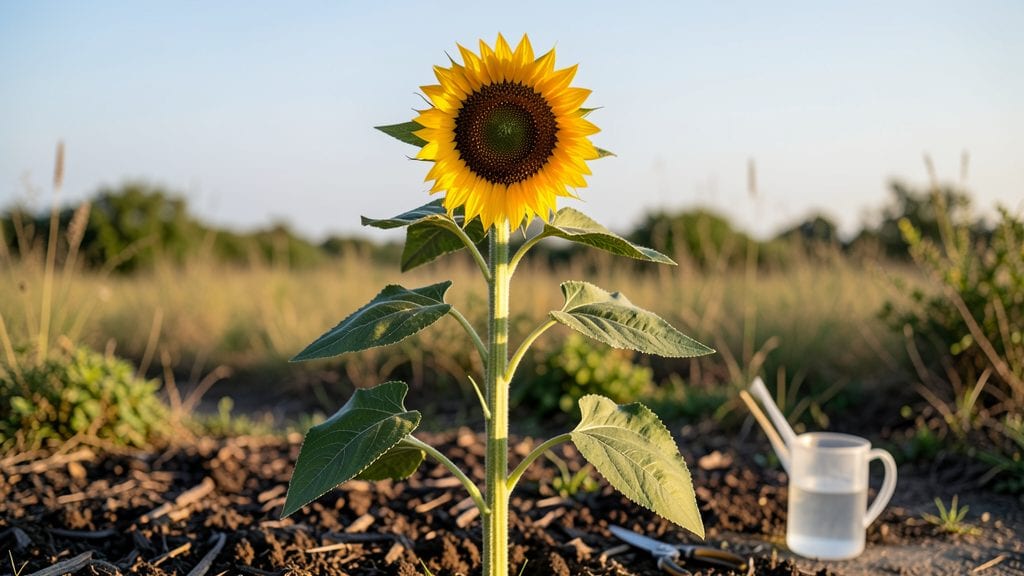
Growing a large sunflower plant from seed feels like planting a tiny dream that stretches toward the sky. 🌻 I remember my first towering sunflower—it shot up so fast I could barely keep up with its growth, ending with a 12-foot giant that made my neighbors stop and stare.
The secret isn't just in the seed; it's in the soil, the sunlight, and the patience to let nature do its magic.
Sunflowers thrive in full sun (at least 6-8 hours daily) and well-draining soil—think loose, fertile ground mixed with compost. Space your seeds 18-24 inches apart if you want those massive stalks, or closer (6-12 inches) for bushier varieties.
Water deeply once a week, giving the roots a chance to dig deep instead of just skimming the surface.
By mid-summer, you'll watch those first leaves unfurl into broad, fuzzy foliage, then see the giant blooms emerge—some as wide as dinner plates. The birds will notice too, flocking to the seeds as they ripen.
With the right care, your sunflowers won't just grow; they'll become the centerpiece of your garden, turning heads and filling the air with that sweet, earthy scent.
Whether you're a first-timer or a seasoned gardener, sunflowers are forgiving but demanding in the best way. They teach you about sunlight, soil, and the quiet power of letting plants lead the way. Ready to grow something spectacular?
📚 In This Guide
- What you need
- Instructions
- Tips and common mistakes
- Wrapping up and next steps
What you need
- ● Sunflower seeds: Choose a variety like Mammoth or Russian Giant (grows 10–14 feet!). Plant 3–5 seeds per hole for better germination.
- ● Well-draining potting mix: Use a blend of 60% garden soil, 30% compost, and 10% perlite (or a pre-mixed vegetable garden mix).
- ● Containers or garden bed: For containers: Use pots at least 12 inches deep and 18 inches wide (with drainage holes).
- ● For in-ground planting: Select a sunny spot with 6+ hours of sunlight daily and loose, fertile soil.
- ● Watering can or hose: A gentle spray nozzle helps avoid displacing seeds.
- ● Fertilizer: A balanced 10-10-10 or 5-10-10 (low nitrogen) applied 2–3 weeks after sprouting.
- ● Seed starter tray (for early indoor sowing).
- ● Plant supports: Stakes or cages (install when stalks reach 2–3 feet to prevent bending).
- ● Mulch (straw or wood chips) to retain moisture and suppress weeds.
- ● Pruning shears (to remove lower leaves for better airflow).
- ● pH test kit (ideal soil pH: 6.0–7.0).
Step-by-step instructions for growing towering sunflowers
Here's the method I've perfected for growing sunflowers that reach their full, breathtaking potential.
🌱 Step 1: Select and Prepare the Right Seeds
Choose a dwarf or giant variety—like 'Mammoth' or 'Russian Giant'—for that signature towering height. I always opt for heirloom seeds because they're more vigorous and produce larger blooms. Soak the seeds overnight in lukewarm water to soften the outer shell and encourage faster germination. This is the moment that matters: a good soak means seeds will break through the soil in 3-5 days instead of a week.
Use only one seed per hole—crowding leads to weak, stunted plants. I tap the seed packet gently to release one seed at a time, then drop it into the hole. Planting too many in one spot wastes resources and creates competition for sunlight, which is critical for those towering stalks.
🪴 Step 2: Plant in Well-Drained, Nutrient-Rich Soil
Sunflowers need deep, loose soil to support their massive root systems. Amend your garden bed with 2-3 inches of compost mixed into the top 12 inches of soil. The reason we go deep is that sunflower roots can grow 4-5 feet long—they need space to anchor those towering stems. I always test soil moisture by squeezing a handful; it should hold together but not feel soggy.
Plant seeds 1 inch deep and 6 inches apart in rows 2-3 feet apart. If you're growing multiple varieties, space them 1 foot apart to prevent cross-pollination. Press the soil gently around the seed to ensure good contact—this helps roots establish quickly. Water lightly after planting, but don’t soak the soil. You want the soil to stay evenly moist but not waterlogged until germination.
☀️ Step 3: Provide Full Sun and Consistent Watering
Sunflowers thrive in full sun (6-8 hours daily)—they won’t reach their full height without it. I position my plants where they’ll get morning sun and afternoon shade if temperatures exceed 90°F, as extreme heat can stress young plants. Watch for leggy growth (thin, stretched stems) if they’re not getting enough light—this is your cue to move them to a sunnier spot immediately.
Water deeply 1-2 times per week, ensuring the soil stays moist to a depth of 12 inches. I use a soaker hose to deliver water slowly at the base, which prevents fungal diseases that thrive in damp foliage. Once the plants reach 2 feet tall, reduce watering slightly—this encourages stronger stems and prevents them from becoming too soft and prone to lodging (falling over).
✂️ Step 4: Support and Maintain for Maximum Height
When stalks reach 3-4 feet tall, I install stakes or cages to support their weight. Sunflowers can grow 10-12 feet tall, and without support, they’ll flop over under their own weight. Use 3-foot stakes driven 6 inches into the soil beside each plant, then tie the stem loosely with soft plant ties every 12 inches up the stalk. This prevents damage to the stem as it grows.
Remove any side shoots that form below the main bud—these divert energy away from the primary flower. I pinch them off with my fingers when they’re still small. Fertilize with a balanced 10-10-10 fertilizer when the plants are 6 inches tall, then again when they reach 3 feet. This ensures they have the nutrients to support their rapid growth without becoming leggy or weak.
🌿 Step 5: Harvest and Enjoy Your Towering Beauty
Sunflowers are ready to harvest when the back of the bloom turns yellow and the petals start to droop. I cut the stem 6 inches below the flower head with a sharp knife or pruners. Hang the blooms upside down in a dry, dark place for 1-2 weeks to fully dry. Once dry, remove the petals and store the seeds in a cool, dry place for planting next year.
Don’t toss those stalks! After the blooms fade, leave the stems in place until they turn brown and crispy. They provide winter interest in the garden and attract birds. If you’re growing sunflowers for cut flowers, harvest in the early morning when the blooms are fully open but still fresh. This ensures they’ll last 5-7 days in a vase—long enough to enjoy their towering beauty indoors.
Tips & tricks for growing towering sunflowers
Here's what I've learned after years of growing sunflowers that reach their full, breathtaking potential—these tricks make all the difference.
Seed Selection Matters: Don't just grab any seeds—opt for heirloom varieties like 'Mammoth' or 'Russian Giant' because they're bred for height and vigor. I've tried commercial seeds, but they often produce smaller blooms. The key is in the genetics: heirloom seeds have been cultivated for generations to reach those towering heights. Also, soak seeds overnight in lukewarm water before planting—they'll sprout in 3-5 days instead of waiting a full week.
Soil Preparation is Non-Negotiable: Sunflowers need deep, loose soil to support their massive root systems that can grow 4-5 feet long. Mix 2-3 inches of compost into the top 12 inches of soil before planting. I test soil moisture by squeezing a handful—it should hold together but not feel soggy. This preparation is what allows those towering stalks to stay upright without flopping over.
Sunlight Strategy for Maximum Growth: While sunflowers need 6-8 hours of full sun daily, I've found they actually perform better with morning sun and afternoon shade when temperatures exceed 90°F. The intense afternoon heat can stress young plants, leading to leggy growth. Watch for thin, stretched stems—this is your cue to move plants to a sunnier spot immediately. Proper sunlight positioning is what transforms good sunflowers into spectacular ones.
Support System is Critical: When stalks reach 3-4 feet tall, install 3-foot stakes driven 6 inches into the soil beside each plant. Use soft plant ties to secure the stem every 12 inches up the stalk—this prevents damage as the plant grows. I've seen beautiful sunflowers topple over because they weren't properly supported. The stakes should be installed before the plants get too heavy, ideally when they're still manageable.
Pro Tips for Large Sunflower Plant
- Here's what I've learned after years of growing sunflowers that reach their full, breathtaking potential—these tricks make all the difference.
- Seed Selection Matters: Don't just grab any seeds—opt for heirloom varieties like 'Mammoth' or 'Russian Giant' because they're bred for height and vigor.
- Soil Preparation is Non-Negotiable: Sunflowers need deep, loose soil to support their massive root systems that can grow 4-5 feet long.
Frequently asked questions
Got questions about growing large sunflower plants? You’re not alone! Here are some of the most common queries—plus quick, practical answers to help you cultivate those towering beauties with confidence.
How tall can large sunflower plants really grow?
With the right care, Helianthus annuus varieties like ‘Russian Giant’ or ‘Mammoth’ can reach 10–14 feet tall—or even higher in ideal conditions! For maximum height, plant in full sun, use nutrient-rich soil, and stake them early if needed. Just imagine those golden faces peeking over your fence!
When is the best time to plant sunflower seeds for giant stalks?
For large sunflowers, aim to plant seeds 2–3 weeks after your last frost date when soil temps hit at least 50°F (10°C). In warmer climates, sow directly in early spring or late summer for a fall bloom. Pro tip: Soak seeds overnight to speed up germination—those stalks won’t wait forever!
Why aren’t my sunflowers growing tall? Troubleshooting tips
If your sunflowers are stunted, check these fixes:
- Light: Are they getting 6+ hours of direct sun daily?
- Water: Keep soil consistently moist (not soggy) during growth.
- Nutrients: Feed with a balanced fertilizer (10-10-10) when sprouts appear.
- Space: Thin seedlings to 12–18 inches apart to avoid competition.
Can I grow large sunflowers in containers? What’s the best setup?
Use a container at least 12–18 inches deep and wide with drainage holes. Opt for dwarf varieties like ‘Giant Russian’ (6–8 ft) or ‘Autumn Beauty’ (5–6 ft) to avoid toppling. Fill with well-draining potting mix and place in a sunny spot. Stake or cage early to support their weight—container sunflowers can still hit impressive heights!
Are large sunflowers good for pollinators? How can I attract more bees?
Yes! Sunflowers are bee and pollinator magnets—their bright blooms provide nectar and pollen for weeks. To boost activity:
- Plant native wildflowers nearby (like coneflowers or milkweed).
- Avoid pesticides—neonicotinoids harm bees.
- Leave some stalks uncut for seed-eating birds in winter.
Wrapping up and next steps
Growing a large sunflower plant is a rewarding journey that brings towering beauty, eco-friendly benefits, and even delicious seeds to your table! 🌻 With the right soil, sunlight, and care, you’ll watch these giants flourish from tiny seeds.
Whether you’re a seasoned gardener or a beginner, their resilience and striking presence make them a must-try.
Ready to plant your own sunflower empire? Start by gathering your supplies, choosing the perfect spot, and following the steps above. Soon, you’ll be basking in the glory of sunflowers that reach for the sky—one seed at a time! 🌱✨