
Shrubs
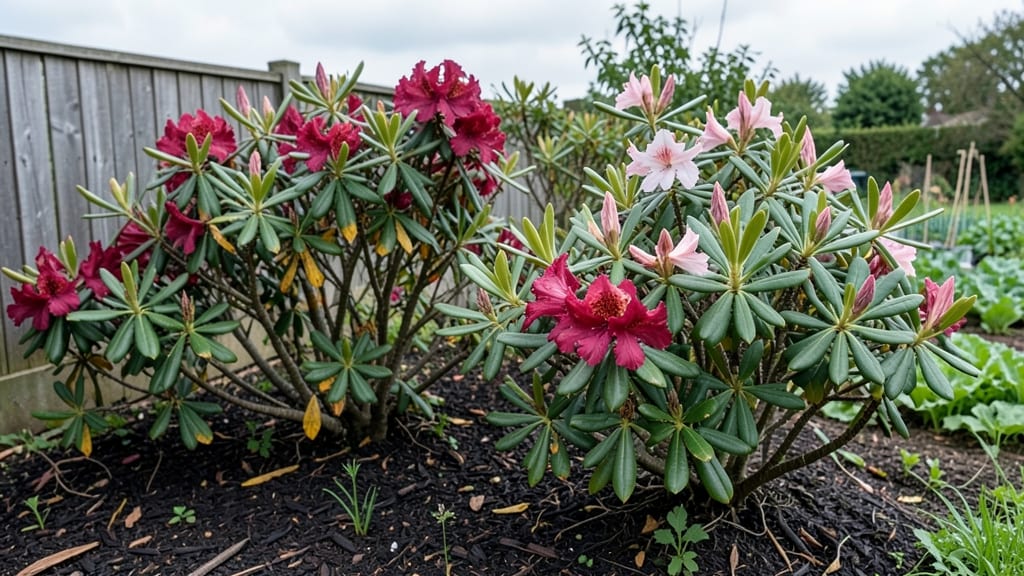
Late flowering azaleas keep the Pacific Northwest blooming until July—when most gardens have already faded to green. 🌸 I remember the first time I saw them in full glory: vibrant pinks and reds against the rain-washed backdrop of our yard, while early azaleas had long since bowed out.
These aren't just shrubs; they're the garden's last stand of color before summer settles in.
The secret to their late-season show lies in their timing and care. Unlike early azaleas that burst into bloom in spring, these varieties wait until May or June, often reblooming if you prune correctly.
They thrive in zones 6-9, prefer partial shade, and need consistently moist—but not soggy—soil. The right spot can extend their flowering for weeks longer than their early counterparts.
What you'll get is a shrub that feels like a second summer: fragrant blooms that attract hummingbirds, glossy foliage that stays lush even in humidity, and a plant that rewards patience with a longer, more reliable display than most azaleas.
The key is understanding their unique needs—light, soil, and pruning—so they don't just survive the heat, but thrive in it.
Perfect for gardeners who want color when others have given up, or for those who love the challenge of coaxing late-season blooms. Here's how to make them perform their magic year after year—without the guesswork that usually comes with azaleas.
📚 In This Guide
- What you need
- Instructions
- Tips and common mistakes
- Wrapping up and next steps
What you need
- ● Late flowering azalea plants: Choose Rhododendron varieties like ‘Girard’s Pink’, ‘Tinseltown’, or ‘George L. Taber’ (2–5 plants, depending on desired coverage). Opt for 1-gallon or 3-gallon pots for established roots.
- ○ Well-draining soil: Mix 50% native soil with 50% acidic compost or peat moss (pH 4.5–6.0). Test soil pH with a soil test kit (optional but recommended).
- ● Organic mulch: 3–4 inches of pine bark fines or cedar chips to retain moisture and acidity.
- ● Slow-release fertilizer: 10-10-10 or 8-3-9 (acid-loving plant formula), applied once in early spring.
- ● Garden trowel or spade (for digging holes 2x wider than the root ball).
- ● Garden gloves (to protect hands from thorns and acidic soil).
- ● Watering can or hose with a gentle spray nozzle (avoid overhead watering to prevent fungal diseases).
- ● Pruning shears (for shaping after flowering, if needed).
- ● Epsom salt (1 tbsp/month in water) for magnesium boosts.
- ● Azalea-specific fungicide (e.g., Neem oil) to preempt phytophthora in rainy seasons.
- ● Drip irrigation kit for consistent moisture (ideal for PNW’s variable weather).
- ● Companion plants: Ferns, hellebores, or Pieris to create a layered, low-maintenance border.
How to care for late flowering azaleas in the Pacific Northwest
These tender beauties thrive with the right timing and gentle care.
🌱 Step 1: Plant in the Right Spot with Proper Soil
Late flowering azaleas need partial shade—think 3-6 hours of morning sun and afternoon shade, especially in hotter inland PNW areas. I always plant mine where they’ll get dappled light through tall trees or on the east side of the house. The soil must be acidic (pH 4.5-6.0) and well-draining—these plants hate soggy roots.
Before planting, mix 2-3 inches of peat moss or pine bark fines into the native soil to improve acidity and drainage. Test your soil’s pH with a kit—if it’s above 6.0, amend with sulfur or composted pine needles. Dig a hole twice as wide as the root ball but only as deep—planting too deep suffocates the roots.
☀️ Step 2: Water Deeply and Mulch to Protect Roots
Water deeply once a week during the first growing season, ensuring moisture reaches 12 inches down. You’ll know it’s enough when the top 2 inches of soil feel damp but not soggy. After establishment, they’re more drought-tolerant but still need weekly deep watering in dry summers—common in the PNW’s inland valleys.
Spread 3 inches of pine bark mulch around the base, keeping it 6 inches away from the trunk. This mimics their natural woodland habitat and helps retain moisture. Replenish mulch annually—it breaks down fast in our damp climate. Avoid wood chips; they can raise soil pH over time.
✂️ Step 3: Prune After Blooming to Encourage Next Year’s Flowers
Wait until after the last frost and after flowers fade to prune—never cut back into old wood. Remove dead or crossing branches first, then shape lightly by trimming just above a leaf bud where you want new growth. I never cut more than ⅓ of the plant in one season, or you’ll sacrifice next year’s blooms.
If your azalea looks leggy, it’s begging for more shade. Thin out the innermost branches to improve airflow—this prevents fungal issues like powdery mildew, which thrives in our damp summers. Sterilize pruners with rubbing alcohol between cuts to avoid spreading disease.
🌿 Step 4: Feed and Protect for Late-Season Success
Fertilize once in early spring with an acid-loving plant formula (look for high phosphorus to encourage blooms). I use ½ the recommended dose—too much nitrogen makes leaves grow at the expense of flowers. Water deeply after applying to prevent root burn.
In late summer, apply a slow-release azalea fertilizer to support next year’s buds. If your plant looks stressed, it might need more shade or better drainage. PNW’s heavy rains can suffocate roots, so ensure the soil isn’t compacted. A soil aerator or top-dressing of compost helps if the ground feels hard.
Tips & tricks for perfect late flowering azaleas
Here's what I've learned to help your late bloomers thrive—without the guesswork.
Sunlight Strategy: In Step 1, those 3-6 hours of morning sun are non-negotiable for PNW azaleas. I've found that planting on the east side of trees or structures creates perfect dappled shade conditions. If you notice leaves burning in hotter inland areas, move plants to receive only morning light. The afternoon shade is just as important—it prevents stress during our intense summer sun.
Soil Acid Test: Before planting, I always test my soil's pH—it's the difference between thriving and struggling azaleas. If your soil tests above 6.0, amend with sulfur or composted pine needles as instructed. Pro tip: Mix in 2-3 inches of peat moss not just around the roots, but throughout the planting hole. This creates an acidic zone that mimics their natural woodland habitat.
Watering Wisdom: The weekly deep watering in Step 2 is crucial, but timing matters too. Water in the morning so leaves dry quickly—this prevents fungal issues common in our damp climate. I use a moisture meter to check that water reaches 12 inches down. If the top 2 inches feel damp but the rest is dry, you're not watering deeply enough.
Pruning Precision: When you're ready for Step 3, focus on making clean cuts just above a leaf bud. I always sterilize my pruners with rubbing alcohol between cuts—this simple step prevents spreading disease. If your azalea looks leggy, it's telling you it needs more shade. Thin out the innermost branches to improve airflow, but never cut more than ⅓ of the plant in one season. This ensures next year's blooms won't be sacrificed.
Pro Tips for Late Flowering Azaleas
- Here's what I've learned to help your late bloomers thrive—without the guesswork.
- Sunlight Strategy: In Step 1, those 3-6 hours of morning sun are non-negotiable for PNW azaleas.
- Soil Acid Test: Before planting, I always test my soil's pH—it's the difference between thriving and struggling azaleas.
Frequently asked questions
about late flowering azaleas—because every gardener deserves clarity! Here are answers to the most common questions about these PNW darlings.When do late flowering azaleas actually bloom?
Late flowering azaleas typically bloom from mid-to-late spring (May–June) through early summer (July), extending the show well past early bloomers. In the Pacific Northwest’s cooler climate, they often flower later than Southern varieties, aligning with the region’s wetter, milder springs.
Can I still plant late flowering azaleas in fall?
Fall planting (September–October) is ideal for azaleas—they establish roots before winter and wake up ready to bloom next season. Just ensure the soil isn’t frozen, and water deeply after planting. Pro tip: Add a 2–3 inch layer of mulch to protect roots from winter chill.
Why aren’t my late azaleas flowering this year?
No blooms? Check these common culprits:
- Too much shade—they need partial sun (4–6 hours/day).
- Over-fertilizing with high nitrogen—this fuels leaves, not flowers. Use a low-nitrogen, high-phosphorus fertilizer instead.
- Stress from transplant shock—give newly planted azaleas a year to recover before expecting blooms.
- Frost damage—late frosts can nip buds. Choose hardy varieties like ‘George L. Taber’ for resilience.
Are late azaleas deer-resistant?
Not entirely! While deer prefer early azaleas (like rhododendrons), they’ll nibble late bloomers if hungry. To deter them:
- Apply deer repellent sprays (like Liquid Fence).
- Plant near deer-deterrent companions, like boxwoods or lavender.
- Use physical barriers (fencing or netting) for young plants.
Note: New growth is most vulnerable—protect tender shoots in spring!
What’s a great late-blooming azalea alternative for dry climates?
If your soil drains poorly, try these drought-tolerant late-season picks:
- ‘Encore® Azaleas’ (e.g., ‘Autumn Embers’)—bloom twice a year (spring + fall) and handle heat/drought better.
- Kurume azaleas (e.g., ‘Girard’s Pink’)—compact, colorful, and thrive in well-draining containers.
- Pieris japonica (‘Andromeda’)—not an azalea, but a late-spring bloomer with evergreen foliage.
Tip: Amend heavy soil with compost or sand to improve drainage for traditional late azaleas.
Wrapping up and next steps
Late flowering azaleas are the Pacific Northwest’s secret weapon for extending your garden’s beauty into summer and even fall! 🌸 With the right variety—like Enkianthus or Rhododendron ‘Tahoe Tiger’—you can enjoy vibrant blooms long after spring’s fleeting colors fade.
Their low-maintenance care and resilience make them a dream for both novice and seasoned gardeners.
Ready to transform your outdoor space? Start small: Pick one late-blooming variety, test your soil, and plant it in a sunny spot. Then, share your progress or ask questions in gardening forums—your fellow green thumbs will cheer you on! 🌿