
Flowers
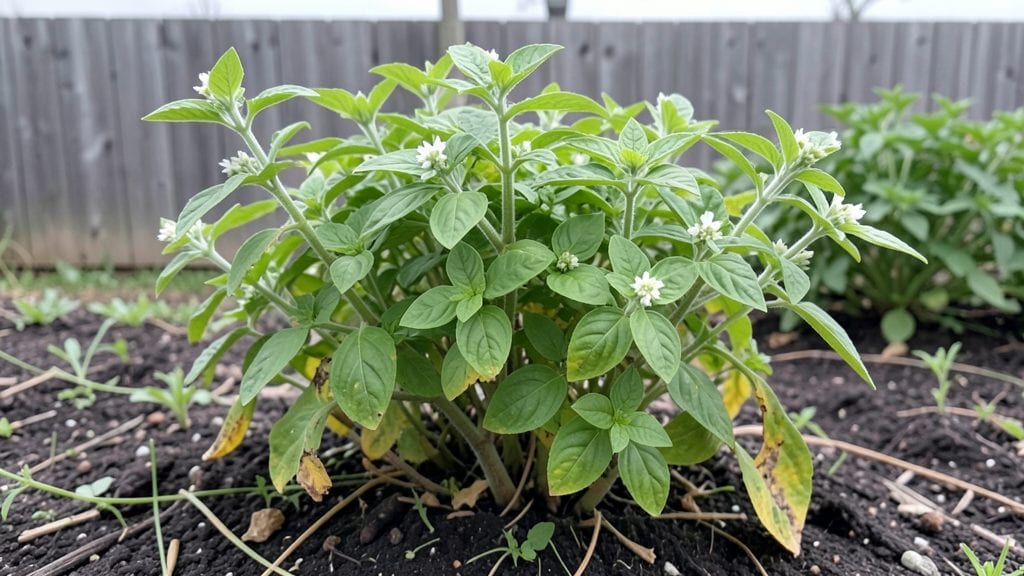
Your lemon basil plants are hiding a secret—tiny white flowers that pack a citrusy punch and double as edible garnishes. 🌿 I learned the hard way that letting them bloom too early means losing that signature lemony flavor, but with the right timing and pruning, you can enjoy both fragrant leaves AND delicate blossoms for cocktails or salads.
The key is sunlight and pinching. Plant in full sun (6+ hours daily) and snip the tips regularly to encourage bushier growth. When flowers appear, harvest them immediately—they’re most flavorful at that stage. Most varieties bloom 6-8 weeks after planting, but heat or drought can speed things up.
You’ll end up with two harvests: tender leaves for cooking and delicate white flowers that taste like lemon zest. They’re perfect for garnishing drinks or adding a floral-citrus note to dishes.
The trade-off? If you let too many flowers set seed, the plant shifts energy from leaves to seeds, dulling that bright lemon flavor.
Works in containers or garden beds—just keep soil moist and fertilize lightly every 4 weeks. Whether you’re growing for flavor or flowers, this dual-purpose plant delivers. Ready to try it?
📚 In This Guide
- What you need
- Instructions
- Tips and common mistakes
- Wrapping up and next steps
What you need
- ● Lemon basil seeds or seedlings: 5–10 seeds (or 2–3 potted seedlings) for optimal growth.
- ● Well-draining potting mix: 5–10 gallons (depending on container size). Use a blend with perlite or coconut coir for aeration.
- ● Containers: For seeds: 4–6-inch pots (or biodegradable peat pots) with drainage holes.
- ● For mature plants: 12–16-inch pots or garden beds with full sun exposure (6+ hours/day).
- ● Watering can or spray bottle: With a fine mist setting for gentle hydration.
- ● Fertilizer: Balanced liquid fertilizer (10-10-10 or organic options like fish emulsion) or slow-release granules.
- ● Pruning shears: Sharp, clean scissors for harvesting flowers and maintaining shape.
- ● Grow lights: LED full-spectrum bulbs (for indoor setups with <6 hours of sunlight).
- ● Support stakes or trellis: For taller varieties (e.g., bamboo stakes or tomato cages).
- ● Compost or worm castings: Boost soil fertility and flower production.
- ● Pollinator-friendly companions: Marigolds or nasturtiums to attract bees (helps with flower development!).
- ● Harvesting jar: A clean, airtight container to preserve blooms for cocktails or drying.
Step-by-step instructions for growing lemon basil flowers
Here's how to coax those fragrant, edible lemon basil blooms from seed to vase—no fancy tricks, just smart care.
🌱 Step 1: Start Seeds Indoors for Early Blooms
Fill 2-inch deep seedling trays with a light, airy potting mix (never garden soil—it's too dense). Press the mix down gently until firm, then scatter seeds on the surface. Lemon basil seeds are tiny, so I tap the tray gently to distribute them evenly without crowding.
Cover seeds with just 1/8 inch of mix—any deeper and they'll struggle to reach light. Mist the surface with a spray bottle until evenly damp, then cover the tray with plastic wrap to trap warmth and moisture. Place in a warm spot (70-75°F) where they'll germinate in 7-14 days.
Here's the thing—lemon basil seeds need warmth to sprout. If your home runs cooler, try a seedling heat mat underneath. You'll know germination worked when pale green leaves poke through the soil in uniform rows.
☀️ Step 2: Provide Bright Light and Prune for Bushiness
Once seedlings have 2-3 true leaves (ignore the first tiny cotyledons), remove the plastic wrap and move them to a south-facing windowsill or under grow lights for 14-16 hours daily. Lemon basil flowers need strong light to develop their signature citrusy aroma.
Pinch off the top set of leaves when plants reach 4-6 inches tall. This forces the plant to branch out instead of growing leggy. You'll see new side shoots emerge within 7-10 days—that's your signal everything's working. Keep the soil evenly moist but never soggy; let the top inch dry between waterings.
Watch for yellowing leaves—they're begging for more light. If stems stretch toward the window, your light source is too far away. Move it within 3 inches of the plants.
🌿 Step 3: Transplant and Encourage Flowering
After 6-8 weeks, when seedlings have 5-6 leaves, transplant them into 6-inch pots filled with fresh potting mix. Lemon basil thrives in containers, so choose pots with drainage holes. Bury stems slightly deeper than they were in the tray—this stabilizes them and encourages root growth.
Place pots where they'll get full sun (6+ hours daily). The more sunlight, the more intensely fragrant the flowers become. Water at the base, avoiding the leaves to prevent fungal diseases. You'll notice the first flower buds appear after 8-10 weeks of growth—tiny white spikes that smell like lemon zest.
Real talk: If you skip this step, your basil will bolt (go to seed) quickly. The key is consistent light and regular pruning to keep plants bushy. Snip off any flowers that appear before 4 weeks of growth—this redirects energy to leaf production.
✂️ Step 4: Harvest Flowers for Cocktails and Gardens
Harvest flowers when they're fully open but still fresh—usually in the morning after dew dries. Use clean scissors to cut the entire stem just above a leaf node. The flowers keep their fragrance for 3-5 days in the fridge or 1-2 weeks in a vase.
For continuous blooms, pinch off spent flowers regularly. This encourages new growth and prevents the plant from focusing all its energy on seeding. You'll get 2-3 harvests per plant in a season if you maintain this routine.
Don't overharvest—never take more than 1/3 of the plant at once. Lemon basil is resilient, but it needs leaves to fuel new flower production. After each harvest, fertilize lightly with a balanced liquid fertilizer to replenish nutrients.
Tips & tricks for growing lemon basil flowers
A few simple tricks will help you coax those fragrant lemon basil blooms right from your windowsill to your cocktail glass.
Germination Warmth: The 70-75°F temperature range is critical for those tiny seeds to sprout. I've found that placing the seedling tray on top of my refrigerator—where it's naturally warm—works perfectly when my kitchen runs cooler. You'll see those first pale green leaves in just 7-14 days if you maintain this warmth. Trust me, rushing germination by using heat lamps can actually stress the delicate seedlings.
Light Positioning: In Step 2, when you're providing those 14-16 hours of light, position your plants within 3 inches of the light source. I learned this the hard way when my seedlings stretched toward the window like little sun-worshippers—now I use a small clip light on a timer for consistent illumination. The closer they are, the bushier they'll grow, and those lemon-scented flowers will develop their signature aroma.
Pruning Strategy: That 4-6 inch height before your first pinch is important—waiting too long means you'll have to prune more aggressively later. I like to use clean, sharp scissors to make clean cuts just above a leaf node. This encourages branching while keeping the plant's energy focused on leaf production rather than flowering too early. Think of it like giving your plant a haircut to keep it looking its best.
Harvest Timing: The morning after dew dries is your best window for harvesting those delicate flowers. I've found that cutting stems at their base—just above a leaf node—encourages new growth while preserving the plant's structure. The flowers will keep their lemony fragrance for up to 5 days in the fridge if you store them in a sealed container with a paper towel to absorb moisture.
Pro Tips for Lemon Basil Flower
- A few simple tricks will help you coax those fragrant lemon basil blooms right from your windowsill to your cocktail glass.
- Germination Warmth: The 70-75°F temperature range is critical for those tiny seeds to sprout.
- Light Positioning: In Step 2, when you're providing those 14-16 hours of light, position your plants within 3 inches of the light source.
Frequently asked questions
Got questions about growing and using lemon basil flowers?
Here are answers to the most common ones—so you can enjoy their fragrant beauty (and edible charm) without a hitch!
Do lemon basil flowers grow on the same plant as the leaves?
Yes! Lemon basil flowers emerge from the same plant as the leaves, typically as small white or pale pink blooms. These flowers are edible and add a delicate citrusy flavor to dishes. However, they can reduce leaf production, so pinch them off if you prioritize foliage.
How long does it take for lemon basil flowers to bloom?
Lemon basil flowers usually appear 6-8 weeks after planting, especially if grown in warm, sunny conditions. Early blooms may be sparse, but consistent pruning encourages more abundant flowering. For a steady harvest, plant in late spring or summer.
Can I use lemon basil flowers in cocktails or drinks?
Lemon basil flowers are a fantastic garnish for gin-based cocktails (like a basil mojito) or sparkling lemonade. Their floral-citrus notes brighten drinks beautifully. Just pluck them fresh—no need to remove the stems for garnishing.
What should I do if my lemon basil plant isn’t flowering?
If your plant is all leaves and no flowers, try these fixes:
- More sunlight: Ensure it gets 6+ hours of direct sun daily.
- Prune regularly: Trim leaves to encourage bushier growth and flowering.
- Check soil: Well-draining, slightly acidic soil (pH 6.0-7.0) helps.
- Fertilize lightly: Use a balanced, water-soluble fertilizer every 4-6 weeks.
Are lemon basil flowers safe to eat raw?
Yes! Lemon basil flowers are completely edible and safe to eat raw. They’re milder than the leaves but add a lovely floral-citrus twist to salads, desserts (like lemon tarts), or infused oils. Just avoid overconsumption—they’re potent in small doses!
Wrapping up and next steps
Growing lemon basil flowers is a rewarding journey that brings fragrant beauty and culinary versatility to your garden—or even your windowsill! 🌸 These delicate blooms not only enhance cocktails and dishes but also attract pollinators, making your space more vibrant and alive.
Whether you're a seasoned gardener or a curious beginner, the key is patience, proper care, and a little creativity.
Now that you’re armed with all the tips and tricks, why not take the next step? Start with a single plant, experiment with pruning techniques, or even share your harvest with friends. Your garden—and your taste buds—will thank you! 🌱