
Light Requirements
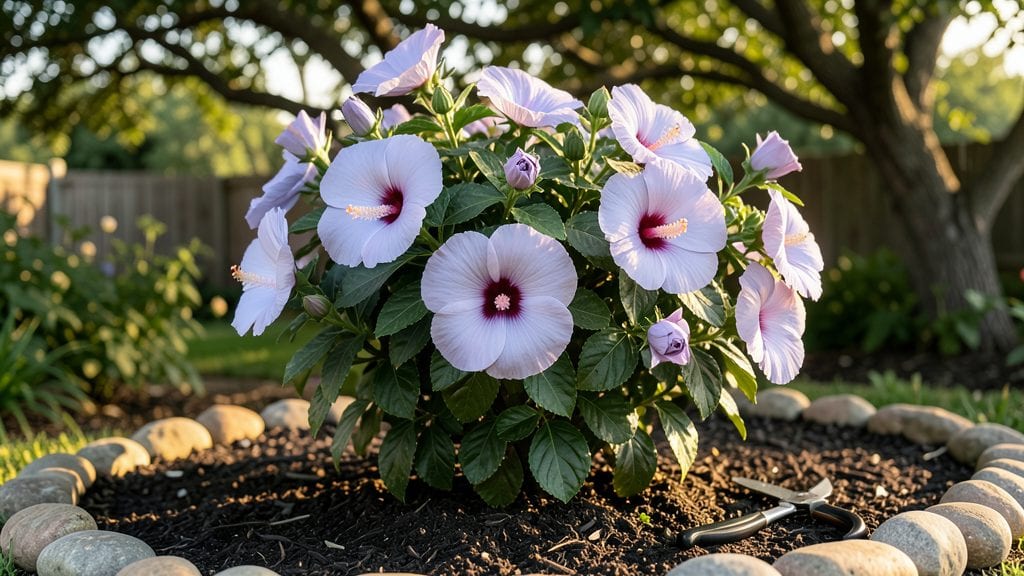
The light purple hibiscus flower transforms any Pacific Northwest garden into a dreamy, hummingbird haven—its velvety blooms stand out against misty mornings and resist frost better than most. 🌿 I planted mine last spring near the patio, and by summer, bees and butterflies made it their favorite stop.
The secret isn't just the color—it's how the plant thrives in partial shade, something most hibiscus varieties struggle with.
Pair it with silver foliage plants like lamb's ear or dusty miller to make the blooms pop even more. I also tucked in some salvia and catmint nearby—they share the same pollinator love and create a layered, textured border that never looks sparse.
For containers, a 12-inch pot with well-draining soil keeps them happy, and you'll get blooms from June through September—even in cooler climates.
What makes this hibiscus special is how it softens hard edges while drawing the eye. Use it as a mid-height focal point near seating areas, or line a path where the blooms sway in the breeze.
The flowers last 3-5 days on the plant, so you get constant color without deadheading every day. Plus, the frost-resistant varieties handle our damp winters better than roses or peonies.
For maximum impact, plant 3-5 together—they look best in odd-numbered clusters. Add a few purple clematis for vertical contrast or white impatiens for a cascading effect. The key is keeping the soil moist but not soggy, and pruning lightly after each flush of blooms.
Your garden will feel like a secret sanctuary, and the pollinators will thank you for it.
📚 In This Guide
- What you need
- Instructions
- Tips and common mistakes
- Wrapping up and next steps
What you need
- ● Light Purple Hibiscus Seeds or Bare-Root Plants: Choose frost-hardy varieties like Hibiscus moscheutos (e.g., 'Lavender Chiffon' or 'Palace Purple'). Buy 3–5 plants or seeds for optimal growth.
- ● Well-Draining Soil: Mix 1 part native soil with 1 part compost and 1 part perlite or sand (improves drainage for PNW’s wet winters). Aim for 6.0–7.0 pH.
- ● Sunlight Spot: Select a location with full sun (6+ hours/day) or partial shade (4–6 hours) for frost-prone areas.
- ● Mulch: Use 3–4 inches of organic mulch (e.g., wood chips or straw) to insulate roots from frost and retain moisture.
- ● Garden Tools: Trowel or hand shovel
- ● Pruners (sterilized with rubbing alcohol)
- ○ Garden gloves (optional but recommended)
- ● Watering Supplies: Hose with adjustable nozzle or watering can
- ○ Drip irrigation kit (optional for consistent moisture)
- ○ Frost Protection (Optional but Helpful for PNW): Frost cloth or row covers (for young plants)
- ● Burlap sacks or old blankets (to wrap plants during hard freezes)
Step-by-Step instructions for cultivating frost-resistant light purple hibiscus
Here's how to grow hardy, pollinator-friendly hibiscus that thrives in the Pacific Northwest's cooler climate.
🌱 Step 1: Select and Prepare the Right Location
Choose a sheltered spot receiving 6-8 hours of sunlight daily, with afternoon shade during summer's intense heat. The Pacific Northwest's coastal fog provides natural humidity, but hibiscus still needs protection from harsh winds—plant near a fence or wall. I dig a hole twice as wide as the root ball to encourage root spread in our dense soil.
Amend the native soil with 3-4 inches of compost mixed into the bottom of the hole. This improves drainage while retaining moisture, which is critical for frost resistance. The key is creating a microclimate where roots stay insulated but not waterlogged. Test your soil's pH—hibiscus prefers 6.1-6.5, so adjust with sulfur if needed.
🪴 Step 2: Plant at the Correct Depth and Mulch Thoroughly
Position the plant so the top of the root ball sits 1 inch above ground level. This prevents water from pooling at the stem during our frequent rainy seasons. Backfill with native soil mixed with compost, pressing gently to eliminate air pockets. The goal is firm but not compacted soil that supports upright growth.
Spread 3-4 inches of organic mulch (like wood chips or straw) around the base, keeping it 6 inches away from the stem. This mulch layer acts as insulation against winter frosts while suppressing weeds. In our region, hibiscus can survive 15-20°F with proper mulching—just watch for leaf burn when temperatures drop below 25°F.
☀️ Step 3: Water Deeply and Establish a Consistent Routine
Water immediately after planting, soaking the root zone until water drains from the bottom. Hibiscus in the Pacific Northwest need 1-2 inches of water weekly, but check soil moisture—water when the top 2-3 inches feel dry. Overwatering leads to root rot, especially in our clay-heavy soils. I use drip irrigation to deliver water slowly at the base.
Fertilize lightly in spring with a 10-10-10 balanced fertilizer (follow package rates) to encourage blooming without excessive leaf growth. Too much nitrogen produces lush foliage but fewer flowers. Watch for yellowing leaves—this often signals overwatering or poor drainage, common issues in our region's wet winters.
✂️ Step 4: Prune for Winter Hardiness and Spring Growth
After the first frost, cut back 1/3 of the plant's height to encourage new growth in spring. Remove dead or damaged branches completely, and trim back any leggy growth that developed during the season. This pruning stimulates bushier growth and better frost resistance. I always sterilize my pruners with rubbing alcohol to prevent disease spread.
In late winter, just before new growth appears, apply a 2-3 inch layer of mulch around the base. This extra insulation helps hibiscus survive our occasional 10°F nights. Once blooms appear in summer, deadhead spent flowers to encourage continuous blooming. The more you remove faded blooms, the more energy the plant puts into producing new ones.
🌿 Step 5: Protect During Extreme Cold Events
When temperatures are forecast to drop below 20°F, cover the plant with burlap or frost cloth secured loosely at the bottom. This allows air circulation while trapping warmth. Remove the cover during the day to prevent overheating. In our coastal areas, hibiscus rarely face extreme cold, but inland regions may need extra protection.
Monitor for signs of frost damage—crispy brown edges on leaves or blackened stems. If damage occurs, prune affected areas in early spring. Healthy hibiscus will recover quickly once temperatures rise. The key is balancing protection with airflow; hibiscus needs to "harden off" naturally to build resilience for the next winter.
Tips & tricks for perfect light purple hibiscus cultivation
These pro tips will help you grow vibrant, frost-resistant hibiscus that thrives in our Pacific Northwest climate.
Sunlight Optimization: In Step 1, when selecting your location, pay special attention to morning sun exposure. Light purple hibiscus benefits from full morning sunlight (6-8 hours) but needs afternoon shade protection during our intense summer heat. I've found that positioning near a north-facing wall provides natural shade while still capturing morning rays—this balance is key for preventing leaf scorch while maintaining vibrant blooms.
Soil Prep Secret: The 3-4 inches of compost called for in Step 1 should be well-aged and mixed thoroughly with native soil. I recommend adding a handful of perlite to improve drainage in our heavy clay soils, which helps prevent root rot during our frequent rainy seasons. This amendment creates the perfect balance of moisture retention and aeration that hibiscus craves.
Pruning Strategy: When you cut back 1/3 of the plant's height in Step 4, focus on removing the oldest growth first. This encourages new, more frost-resistant shoots to emerge in spring. I use clean, sharp pruners sterilized with rubbing alcohol to prevent disease transmission—a small step that makes a big difference in plant health over time.
Winter Protection Pro Tip: For the extreme cold events mentioned in Step 5, I recommend using frost cloth instead of burlap when temperatures drop below 20°F. Frost cloth allows more light penetration while still providing protection, which helps maintain plant health during winter dormancy. Always secure it loosely at the bottom to allow airflow and prevent moisture buildup.
Pro Tips for Light Purple Hibiscus Flower
- These pro tips will help you grow vibrant, frost-resistant hibiscus that thrives in our Pacific Northwest climate.
- Sunlight Optimization: In Step 1, when selecting your location, pay special attention to morning sun exposure.
- Soil Prep Secret: The 3-4 inches of compost called for in Step 1 should be well-aged and mixed thoroughly with native soil.
Frequently asked questions
Got questions about growing light purple hibiscus flowers in the Pacific Northwest? You’re not alone! Here are answers to the most common queries to help you cultivate this stunning, frost-resistant beauty with confidence.
Can light purple hibiscus survive PNW winters?
Yes! While traditional hibiscus are tropical, Hibiscus moscheutos (the hardy hibiscus) thrives in USDA Zones 5–9. In milder PNW winters (Zones 7–9), it often survives outdoors. In colder zones (like western WA/OR), mulch heavily or grow in containers for winter protection. Pro tip: Prune back dead foliage in early spring—new growth is hardier!
How long does it take for light purple hibiscus to bloom?
Patience pays off! With proper care, expect blooms 1–2 years after planting. Young plants focus on root establishment first. For faster flowers, choose established nursery plants (1–2 years old) or start seeds early indoors (10–12 weeks before last frost). Bonus: Deadhead spent blooms to encourage more flowers!
What’s the best light for light purple hibiscus in the PNW?
These hibiscus love full sun (6+ hours daily), but they tolerate partial shade (4–6 hours) in hotter inland PNW areas (e.g., Portland, Salem). In coastal regions (Seattle, Olympia), morning sun + afternoon shade prevents leaf scorch. Watch for: Yellowing leaves = too much shade; crispy edges = too much sun.
Are there alternatives if my soil is too acidic?
Light purple hibiscus prefers slightly acidic to neutral soil (pH 5.5–7.0). If your PNW soil is too acidic (common in evergreen forests), amend with lime or wood ash (sprinkle lightly in spring). For containers, use a balanced potting mix with perlite. Test first! A $10 soil kit ensures you’re on the right track.
Why aren’t my hibiscus blooming?
No flowers? Check these fixes:
- Nutrients: Feed with low-nitrogen, high-phosphorus fertilizer (like 5-10-10) in early spring.
- Water: Overwatering or drought stress can halt blooms. Aim for 1–1.5 inches of water weekly (more in summer).
- Pruning: Trim leggy growth in late winter to encourage bushier growth.
- Age: Young plants (under 2 years) may not bloom—be patient!
Wrapping up and next steps
The light purple hibiscus isn’t just a stunning addition to your Pacific Northwest garden—it’s a low-maintenance, frost-resistant powerhouse that supports pollinators while thriving in partial shade. With the right soil, watering, and placement, you’ll enjoy its vibrant blooms year after year, even in cooler climates. 🌸
Ready to transform your garden? Start by planting one today—whether in containers, borders, or as a focal point—and watch your space come alive with color and life! For extra care tips, check out our hibiscus care guide.