
Flowers
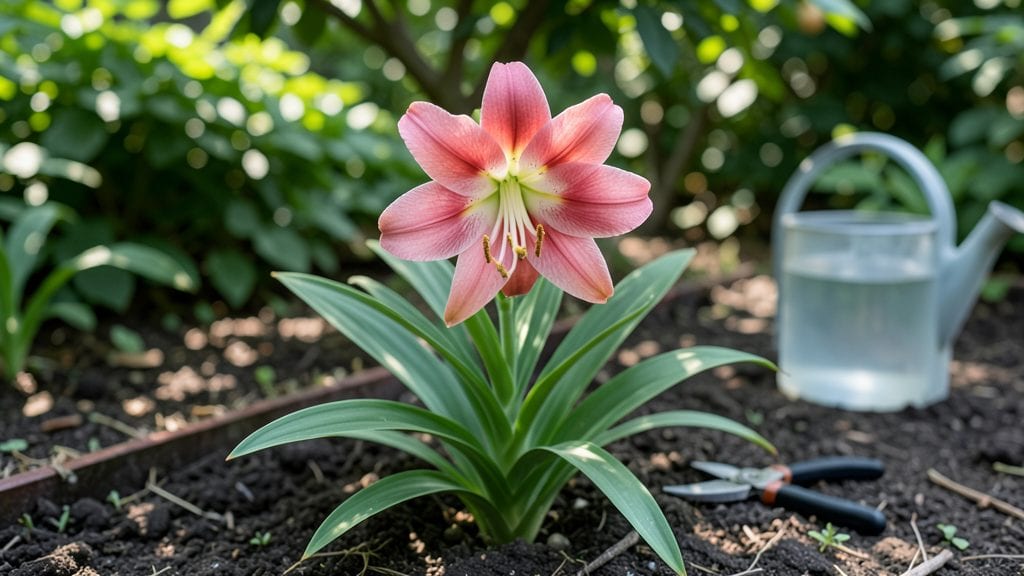
Lily flower petals transform any garden space into a dreamy, romantic retreat—just look at how they catch the morning light like scattered jewels. 🌸 I’ve used them in everything from rustic wreaths to delicate table centerpieces, and their velvety texture always adds a touch of elegance.
The secret lies in pairing them with complementary plants like lavender or dusty miller to create striking contrasts.
These petals work year-round, though spring and summer showcase their best colors. For a foolproof look, gather petals from healthy blooms (avoid sprayed flowers) and pair them with greenery like eucalyptus or ferns. They dry beautifully too, preserving that signature lily charm for winter arrangements.
Imagine your patio adorned with petals scattered along pathways or woven into garlands—every guest will pause to admire the details. The fragrance alone makes them worth growing, but their visual impact turns ordinary spaces into showstoppers. Ready to bring this garden magic to life?
Whether you’re crafting a wedding bouquet or a simple vase arrangement, lilies add drama without effort. Their versatility means they fit any style, from cottage-core to modern minimalism. Let’s make your garden the talk of the neighborhood!
📚 In This Guide
- What you need
- Instructions
- Tips and common mistakes
- Wrapping up and next steps
What you need
- ● Fresh lily flower petals: 1–2 blooms (ensure they’re edible varieties like Stargazer, Canderel, or Asiatic lilies—avoid day lilies or true lilies (Lilium), which are toxic).
- ● Water: 1 cup (for rinsing and soaking, if needed).
- ● White vinegar or lemon juice: 1 tbsp (for disinfecting petals).
- ● Paper towels: 2–3 sheets (for drying petals).
- ○ Food-grade silicone mold (optional): For shaping petals into garnishes (e.g., flower-shaped sugar or ice cubes).
- ● Sharp kitchen scissors or floral shears: For trimming stems and petals cleanly.
- ● Fine-mesh strainer: For rinsing petals gently.
- ● Small mixing bowl: For soaking petals in vinegar/lemon juice.
- ● Parchment paper: To line surfaces and preserve petals.
- ● Toothpick or tweezers: For delicate placement on garnishes or desserts.
- ○ Food dehydrator or oven (optional): To dry petals for long-term storage (set oven to 170°F (75°C) on low heat).
- ● 🌿 Choose organic or pesticide-free lilies to ensure safety.
- ● 🔥 Remove stamens and pistils (they can be bitter) before using petals.
- ● ✨ Store fresh petals in the fridge (wrapped in damp paper towels) for up to 3 days.
Step-by-step guide to harvesting lily flower petals safely
Here's how to gather edible lily petals without harming the plant or compromising flavor.
🌿 Step 1: Select the Right Lily Variety and Timing
Not all lilies are edible—stick to Asiatic, Oriental, or Martagon lilies, which are safe for consumption. Harvest petals from fully open blooms in the morning after the dew has dried but before the sun reaches peak intensity. This timing ensures maximum flavor and prevents wilting during handling.
Look for petals that are fully unfurled but still vibrant in color. Avoid any blooms showing signs of browning or insect damage. I always harvest from the outer row of petals first, leaving the inner ones to protect the flower’s reproductive center. This keeps the plant healthy for future blooms.
✂️ Step 2: Gather Petals with Clean Tools
Use a pair of sharp, sterilized scissors or pruning shears to trim petals cleanly at the base. Avoid tearing the petals, as jagged edges bruise quickly and spoil faster. Hold the flower gently but firmly, and cut just above the first visible vein of each petal to encourage clean separation.
Place harvested petals immediately into a clean, dry container lined with paper towels to absorb any moisture. I like to work in small batches—no more than a handful at a time—to prevent crushing or bruising. If you’re harvesting for cocktails, keep petals separate from those destined for desserts, as flavor profiles can vary slightly.
💧 Step 3: Rinse and Dry Petals Thoroughly
Rinse petals under cool, running water to remove any dirt, pollen, or pesticide residue. Gently pat them dry with a paper towel—never use fabric towels, as they can leave lint behind. Moisture is the enemy here; even slight dampness encourages mold growth. I spread petals in a single layer on a clean kitchen towel and let them air-dry completely before storing.
For faster drying, place petals on a wire cooling rack in a well-ventilated area away from direct sunlight. This prevents color fading and preserves their delicate texture. Once fully dry (usually 2-4 hours), petals should feel crisp to the touch and crumble slightly when handled gently.
🌱 Step 4: Store Petals for Freshness
Store dried petals in an airtight container, like a small glass jar or resealable bag, in a cool, dark place (like a pantry). For short-term use (up to 1 week), keep them in the fridge to maintain freshness. If storing long-term, add a silica gel packet to absorb any lingering moisture and extend shelf life.
Before using, inspect petals for any signs of mold or discoloration—discard those immediately. I like to label containers with the harvest date to track freshness. When ready to use, petals can be rehydrated briefly in ice water for garnishes or used dry in baking for a subtle floral touch.
☀️ Step 5: Use Petals Creatively and Safely
Edible lily petals add elegance to cocktails, sorbets, and desserts, but always use them sparingly—just 1-2 petals per serving is plenty. For cocktails, add petals to the glass just before serving to preserve their aroma. In desserts, infuse petals into syrups or sprinkle them over cakes for a delicate floral note.
Real talk: Never consume raw lily petals if you’re allergic to lilies or have a sensitive stomach. Always introduce new edible flowers gradually to test for reactions. And remember—while lilies are stunning, their bulbs are toxic, so keep them out of reach of pets and children.
Tips & tricks for perfect lily flower petals
A few simple tricks will help you harvest and preserve lily petals that look stunning and taste as fresh as possible.
Timing Secret: The morning after dew has dried is your golden window—this is when petals are most vibrant and hydrated. I've found that harvesting between 8 and 10 AM gives me the brightest colors and prevents wilting during handling. If you miss this window, avoid harvesting after noon when petals start to lose moisture and flavor.
Tool Selection: Don't underestimate the importance of sharp, sterilized tools. I use pruning shears specifically for edible flowers to avoid cross-contamination. If you don't have dedicated tools, clean regular scissors with rubbing alcohol between uses. The clean cut prevents bruising that can turn petals bitter and accelerate spoilage.
Drying Strategy: Those 2-4 hours of drying time are critical for texture and shelf life. For faster drying without color fading, I place petals on a wire cooling rack in a warm, well-ventilated area away from direct sunlight. If you're short on time, a food dehydrator set to 95°F works beautifully—just check them every 30 minutes after the first hour to prevent over-drying.
Storage Wisdom: For long-term storage, I recommend adding a silica gel packet to your airtight container—this prevents moisture buildup that can cause mold. If you're storing for cocktails, keep them in the fridge to maintain their delicate aroma. For baking purposes, room temperature storage works fine, but always label containers with the harvest date to track freshness.
Pro Tips for Lily Flower Petals
- A few simple tricks will help you harvest and preserve lily petals that look stunning and taste as fresh as possible.
- Timing Secret: The morning after dew has dried is your golden window—this is when petals are most vibrant and hydrated.
- Tool Selection: Don't underestimate the importance of sharp, sterilized tools.
Frequently asked questions
Got questions about using lily flower petals in your culinary creations? You’re not alone! Here are answers to the most common queries—so you can confidently add these delicate blooms to your dishes and drinks.
Are lily flower petals safe to eat?
Yes, but only if they’re from edible varieties like daylilies, stargazer lilies, or Asiatic lilies—and never the true lilies (Lilium species), which are toxic. Always source petals from trusted suppliers or organic gardens, and avoid pesticides. When in doubt, consult a botanist!
How do I prepare lily petals for cocktails?
Start by gently rinsing petals in cold water, then pat them very dry with a paper towel. For cocktails, use them fresh as garnishes or infuse them in simple syrups (1:1 petal-to-sugar ratio, simmered 5 mins). Pro tip: Remove stamens and pistils—they’re bitter! Store prepped petals in the fridge for up to 2 days.
Can I freeze lily petals for later use?
Freezing isn’t ideal for lily petals—they’ll lose texture and vibrancy. Instead, store them in an airtight container lined with a paper towel in the fridge for up to 3 days. For longer storage, try drying them (lay flat on a wire rack for 1–2 days in a dark, dry place), but texture will be crispy, not fresh.
What’s a good alternative if I can’t find edible lily petals?
Try these edible floral swaps:
- Nasturtiums (peppery, vibrant colors)
- Pansies/Violas (mild, sweet flavor)
- Rose petals (romantic, slightly tart)
- Borage flowers (cucumber-like taste)
Why do my lily petals taste bitter?
Bitterness usually means the petals are too old, overhandled, or from the wrong variety. Stick to fresh, young petals from daylilies or Asiatic lilies, and remove white bases (often bitter). If bitterness persists, reduce the quantity—petals add flavor, not dominance!
Wrapping up and next steps
From vibrant cocktails to delicate desserts, lily flower petals add a touch of elegance and natural beauty to your culinary creations. 🌸 Remember, always use edible varieties like daylilies or lilies of the valley, and follow proper preparation steps to ensure safety and flavor.
Whether you're a seasoned mixologist or a baking enthusiast, experimenting with floral garnishes can elevate your dishes to new heights.
Ready to level up your recipes? Start by growing your own edible flowers or sourcing them from a trusted supplier. Then, dive in and get creative—your taste buds (and guests!) will thank you.