Blooming
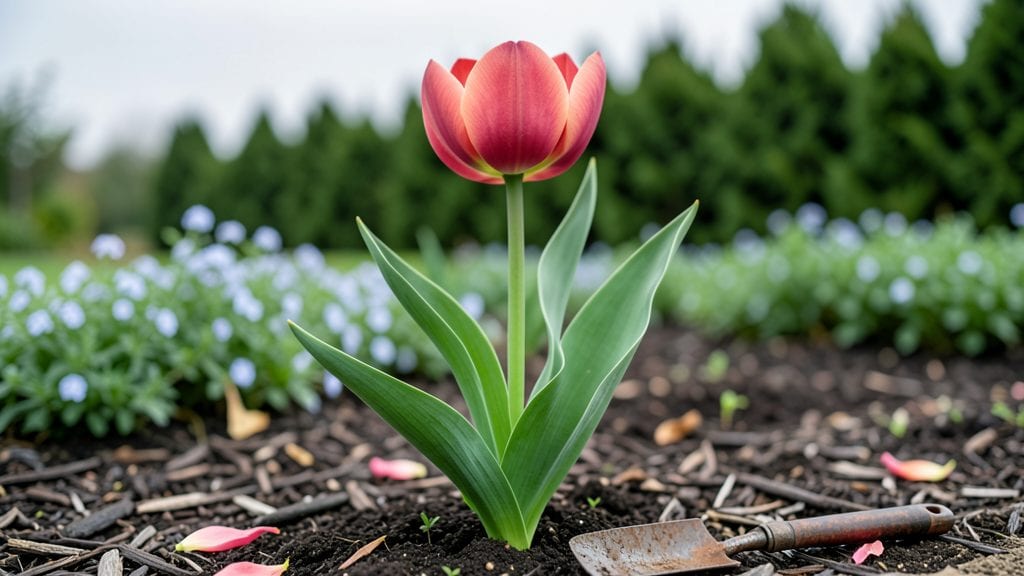
Lily-flowered tulips bring that dramatic, velvety bloom to your garden—especially when you choose frost-resistant varieties for the Pacific Northwest’s wet winters. 🌸 I’ve grown them for years in Portland, and the secret to their lasting beauty lies in the right timing, soil, and a few unexpected tricks that keep them thriving through rain and chill.
The key starts with soil that drains well but holds moisture—think crumbly, rich loam mixed with compost. Plant bulbs in fall (October-November), when temperatures dip below 60°F, and choose varieties like ‘Darwin Hybrid’ or ‘Fosteriana’ that shrug off damp winters.
These tulips reward patience with bold, cup-shaped blooms that stand taller than dinner plates, often returning year after year.
Once planted, water deeply after blooming to build next year’s strength, and fertilize lightly in early spring. The real magic happens when you leave the foliage until it yellows—this feeds the bulb for next season’s show.
Even in our cloudy climate, they’ll surprise you with vibrant stems that outlast most spring ephemerals.
For extra drama, pair them with early daffodils or hellebores—they’ll fill the gap between winter and summer blooms. Here’s how to make them the star of your garden, no matter how many rainy days roll in.
📚 In This Guide
- What you need
- Instructions
- Tips and common mistakes
- Wrapping up and next steps
What you need
- ● Lily-flowered tulip bulbs: Choose frost-hardy varieties like ‘Darwin Hybrid’ or ‘Fosteriana’ (10–20 bulbs for a small garden patch; scale up as needed).
- ● Well-draining soil: Aim for loamy soil with a pH of 6.0–7.0. Amend heavy clay with compost (1–2 bags per 10 sq ft) or perlite (5 lbs for drainage).
- ● Organic fertilizer: A balanced 5-10-10 or 10-10-10 NPK blend (1–2 cups per 10 sq ft) to boost early growth.
- ● Mulch: Straw or wood chips (2–3 inches) to insulate bulbs during PNW winters.
- ● Garden trowel or bulb planter (for precise planting depth).
- ● Garden fork (to loosen soil before planting).
- ● Ruler or measuring tape (to ensure bulbs are planted 6–8 inches deep).
- ● Watering can with a rose nozzle (for gentle hydration).
- ● Garden gloves (to protect hands from sharp soil and frost).
- ● Bulb fertilizer spikes (for slow-release nutrients).
- ● Frost cloth (for early/late-season protection).
- ● Decorative rocks or pebbles (to elevate bulbs slightly in soggy areas).
- ● Drip irrigation kit (for consistent moisture in dry spells).
Step-by-Step instructions for planting lily flowered tulips in the Pacific Northwest
Here's how to grow these stunning frost-resistant varieties that thrive year-round in our rainy climate.
🌱 Step 1: Choose the Right Bulbs and Planting Time
Select certified disease-free lily-flowered tulip bulbs from reputable Northwest nurseries. Look for varieties like 'Darwin Hybrid' or 'Fosteriana'—they handle our cold winters beautifully. Plant bulbs in late September to early October, when soil temperatures drop below 60°F but before hard frost hits.
I always check the forecast and aim for planting when nights dip near freezing. The bulbs need 6-8 weeks of cold to bloom properly, so timing is everything. If you miss this window, wait until early spring (March) when soil thaws but isn't yet warm.
🪴 Step 2: Prepare the Planting Site
Choose a location with full sun to light shade—these tulips tolerate our cloudy days better than most. Amend the soil with 2-3 inches of compost to improve drainage, which is critical in our wet climate. Lily-flowered tulips hate soggy roots, so avoid low spots where water pools.
Loosen the soil to a depth of 12 inches with a garden fork. Break up any compacted layers and mix in a slow-release bulb fertilizer (follow package rates). The goal is loose, crumbly soil that lets roots spread easily without sitting in cold, wet pockets.
💧 Step 3: Plant Bulbs at the Correct Depth and Spacing
Dig holes 6-8 inches deep—about 3 times the bulb's height. Space bulbs 4-6 inches apart in rows 12 inches apart to allow airflow and prevent fungal diseases. Place each bulb with the pointy end up (the roots will grow downward naturally).
Cover with soil and water gently to settle it around the bulbs. Don't overwater now—just enough to moisten the soil. I tap each hole lightly after planting to ensure no air pockets remain. Mulch with 2 inches of shredded bark to protect bulbs through winter.
☀️ Step 4: Care Through Winter and Early Spring
Leave the mulch in place all winter—it insulates bulbs from temperature swings and keeps them dormant. In late winter (February), remove old foliage but leave any new growth. This prevents disease while allowing energy to return to the bulbs for next year's blooms.
When shoots emerge in early spring, water lightly if we haven't had rain for 2 weeks. These tulips are drought-tolerant once established, but young plants appreciate consistent moisture. Watch for bright green leaves—that's your signal to reduce watering as blooms appear.
✂️ Step 5: Enjoy Blooms and Plan for Next Year
Lily-flowered tulips bloom in late spring (May-June), often when other varieties have faded. Deadhead spent blooms but leave foliage until it yellows naturally—this feeds the bulb for next season. I always mark planting spots with small flags to avoid disturbing them when mowing.
After blooming, fertilize lightly with a balanced 10-10-10 formula in July to rebuild bulb strength. These varieties multiply over time, so you'll see more blooms each year with minimal effort. In fall, divide crowded clumps every 3-4 years to maintain vigor.
Tips & tricks for perfect lily flowered tulips in the Pacific Northwest
Timing and site prep make all the difference with these frost-resistant beauties—here's how to set them up for success.
Timing is Everything: Those 6-8 weeks of cold between planting and bloom are non-negotiable. I mark my calendar for late September to early October and check soil temps with a simple thermometer—once it drops below 60°F consistently, it's go time. If you're late, don't panic: planting in early March still works, but you might sacrifice first-year blooms to ensure bulb survival.
Soil Prep Secrets: The 12-inch deep loosening in Step 2 isn't just about breaking up dirt—it's about creating an oxygen-rich zone where roots can spread freely. I use a garden fork to score the soil in a grid pattern before mixing in compost. For our wet climate, I always add a 1-inch layer of coarse sand (optional) to the bottom of each hole to prevent waterlogging—this makes a huge difference in soggy seasons.
Planting Precision: When digging those 6-8 inch deep holes, I measure each bulb's height first and multiply by three. The pointy end up is crucial—if you plant them upside down, they won't bloom. Pro tip: Use a small stick to mark each hole's location before digging, especially if you're planting in a pattern. After planting, I give the soil a gentle watering and let it settle for 10 minutes before adding mulch.
Winter Care Wins: That 2-inch mulch layer isn't just decoration—it's insulation against temperature swings that can wake bulbs too early. I check mulch thickness in February and add more if it's compressed from snow. The key is keeping it loose enough to allow moisture to penetrate while blocking frost. For extra protection in exposed areas, I mound soil slightly higher around the planting site.
Pro Tips for Lily Flowered Tulips
- Timing and site prep make all the difference with these frost-resistant beauties—here's how to set them up for success.
- Timing is Everything: Those 6-8 weeks of cold between planting and bloom are non-negotiable.
- Soil Prep Secrets: The 12-inch deep loosening in Step 2 isn't just about breaking up dirt—it's about creating an oxygen-rich zone where roots can spread freely.
Frequently asked questions
Got questions about growing lily flowered tulips in the Pacific Northwest?
You’re not alone! Here are answers to the most common queries—from planting tips to troubleshooting—so you can enjoy these stunning blooms year after year.
When is the best time to plant lily flowered tulips in the PNW?
Plant them in fall, ideally between October and November, when soil temps drop to 40–50°F (4–10°C). This mimics their natural dormancy cycle and ensures robust roots before winter. Pro tip: Avoid planting too early—they need a chill period to thrive!
Are lily flowered tulips truly frost-resistant in the PNW?
Yes! These varieties are bred to handle USDA Zones 3–8, making them perfect for the PNW’s chilly winters. Their hardy bulbs survive below-freezing temps, but mulching with straw or leaves adds extra protection. Just ensure they’re planted 6 inches deep for best results.
What’s the difference between lily flowered tulips and regular tulips?
Lily flowered tulips have ruffled, layered petals that resemble lilies, while classic tulips have smooth, cup-shaped blooms. They also tend to be more disease-resistant and longer-lasting in the garden. Varieties like ‘Red Harmony’ or ‘Queen of Night’ are standout picks!
Why aren’t my lily flowered tulips blooming this year?
Common culprits include overcrowded bulbs, poor drainage, or lack of sunlight (they need 6+ hours of sun daily). Dig up and separate bulbs every 3–4 years, and ensure soil drains well. If they’re still sluggish, fertilize in early spring with a bulb-specific feed.
Can I grow lily flowered tulips in containers?
Use a well-draining pot (at least 12 inches deep) with bulb-specific soil. Plant 3–5 bulbs per container and place them where they’ll get full sun. Overwinter containers by moving them to a garage or cold frame in freezing temps.
Wrapping up and next steps
Lily flowered tulips bring bold, elegant beauty to Pacific Northwest gardens—even in chilly climates! 🌸 With the right frost-resistant varieties and a little care, you can enjoy their stunning blooms year after year.
Whether you're a seasoned gardener or just starting, these tulips are a rewarding choice for vibrant, low-maintenance color.
Ready to transform your garden? Start by choosing your favorite varieties and plant them this fall—your future blooms will thank you! 🌿 For extra inspiration, explore companion plants or creative container designs to elevate your garden’s charm.