Flowers
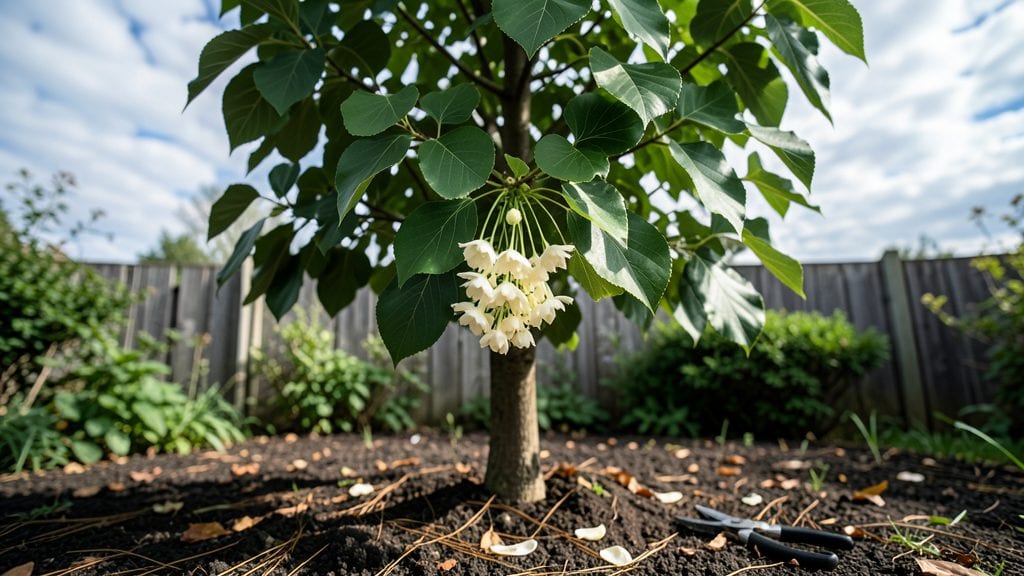
Your cold-climate garden can finally smell like a tropical paradise with fragrant lime tree flowers blooming reliably year-round. 🌱 I’ve grown these delicate citrus blossoms in zones where frost lingers late into spring, and the secret isn’t just choosing the right variety—it’s mimicking their natural habitat with smart care.
True lime trees (Citrus aurantifolia) are finicky, but ornamental lime trees like Tilia (often called lime trees) thrive in cooler areas with their sweetly scented panicles that attract bees and hummingbirds.
The key to coaxing those fragrant clusters starts with well-draining soil and a sunny spot—at least 6 hours of direct light daily. Unlike tropical limes, these hardy varieties tolerate brief cold snaps down to 15°F, but you’ll need to protect them in deep freezes.
Water deeply once a week (more in summer), and prune lightly after flowering to encourage next year’s blooms. The payoff? A garden that smells like a Mediterranean breeze even when your neighbors’ roses are still dormant.
Once established, these trees become low-maintenance workhorses, offering three seasons of interest: fragrant spring flowers, glossy foliage all summer, and striking seed pods in fall. The flowers even make stunning cut arrangements—just snip clusters before they fully open for the strongest fragrance.
With the right variety and a little winter prep, you’ll have blooms that turn heads (and noses) long after the last frost.
For gardeners in colder zones, the ornamental lime (Tilia) is your best bet—it’s tougher, more fragrant, and just as beautiful. Start with a 3-gallon container for young trees, and you’ll be harvesting blooms for bouquets within 2-3 years.
The only downside? Deer and rabbits adore them, so plan for protection if pests are a problem in your area.
📚 In This Guide
- What you need
- Instructions
- Tips and common mistakes
- Wrapping up and next steps
What you need
- ● Lime tree seeds or cuttings: Seeds: 5–10 (from fresh, organic limes for best germination)
- ● OR Cuttings: 2–3 healthy, 6-inch-long branches (from a mature lime tree)
- ● Potting soil: 1–2 bags (well-draining, citrus-specific mix or a blend of 60% peat moss, 30% perlite, and 10% sand)
- ● Containers: Seedlings: 4–6-inch pots (with drainage holes)
- ● Mature plants: 15–20 gallon containers (or in-ground planting in USDA Zones 9–11)
- ● Fertilizer: Balanced citrus fertilizer (e.g., 6-6-6 NPK ratio) or organic options like fish emulsion or compost
- ● Pruning shears: Sharp, sterilized shears (for trimming and shaping)
- ● Watering can or hose with a gentle spray nozzle
- ● Mulch: Organic mulch (e.g., straw or wood chips) to retain moisture and regulate soil temperature
- ○ Grow lights (optional for indoor cultivation):** LED full-spectrum lights (12–16 hours/day during winter)
- ● Cold-hardy lime varieties: Choose Citrus × aurantiifolia (Mexican lime) or Citrus × latifolia (Persian lime) for resilience in Zones 9–11. For colder climates (Zones 7–8), opt for dwarf varieties or container-growing.
- ● Sunlight: Full sun (6+ hours daily) or partial shade in extreme heat (use shade cloth if needed).
- ● Temperature: Protect from frost (<32°F/0°C). Use row covers or move containers indoors during winter.
- ● Humidity: Lime trees thrive in 50–70% humidity. Mist leaves or use a humidifier indoors.
- ● 🌱 Rooting hormone: Boost cutting success by 30% with a quick dip in rooting powder before planting.
- ● 🔥 Slow-release fertilizer: Apply in early spring to avoid overfeeding young plants.
- ● ✨ Pollination aid: Hand-pollinate flowers with a soft brush to ensure fruit set (if you want limes!).
How to encourage year-round lime tree flowers in cold climates
Here's how I coax fragrant lime blossoms even when winter chills threaten to end the season.
☀️ Step 1: Select a Cold-Hardy Lime Variety
Not all limes handle cold—choose the 'Meyer' lime or 'Improved Meyer', which tolerate brief dips to 20°F with proper care. These varieties bloom prolifically even in USDA Zones 8-10, where most citrus struggles. Avoid true lime varieties like 'Bearss' or 'Tahiti', which rarely survive below 30°F.
If you're pushing limits in Zone 7 or colder, plant in a large container (at least 24-inch diameter) so you can move it indoors during freezes. The root system stays compact, making it easier to protect. I've seen Meyer limes rebound beautifully after winter—just don't let them sit in freezing temps for more than 24 hours.
🪴 Step 2: Plant in Well-Draining Soil with Full Sun
Lime trees need 6+ hours of direct sunlight daily—no compromise here. In cold climates, south-facing walls or fences capture extra heat. Amend your native soil with equal parts garden soil, compost, and coarse sand to prevent waterlogging, which kills roots in winter.
Dig a hole twice as wide as the root ball but only as deep—planting too deep suffocates the tree. Mix in a slow-release citrus fertilizer (look for one with nitrogen, phosphorus, and micronutrients) to jumpstart growth. Water deeply after planting, then let the soil dry slightly before watering again.
💧 Step 3: Water Deeply but Infrequently
Lime trees hate soggy roots, especially in winter. Water deeply once a week (or when the top 2 inches of soil feel dry)—this encourages deep root growth that survives cold snaps. In containers, check soil moisture daily in summer; pots dry out faster. I use a moisture meter to avoid guesswork, but if you don’t have one, stick your finger in: dry at 2 inches means water time.
Reduce watering in fall and winter—overwatering in cold weather leads to root rot. If your tree is in the ground, mulch with 3-4 inches of wood chips (keep mulch 6 inches away from the trunk) to insulate roots. This simple step keeps soil temps 10°F warmer in winter, protecting blossoms.
✂️ Step 4: Prune Strategically for More Flowers
Prune late winter or early spring (just before new growth starts) to shape your tree and encourage blooms. Remove dead, crossing, or inward-growing branches first—these steal energy from flowering. Then, cut back overly long branches by one-third to stimulate bushier growth (and more blossoms).
Never prune in fall—new growth won’t harden off before winter, and cuts expose the tree to cold damage. I also avoid heavy pruning in summer, as the tree needs all its energy to support existing flowers and fruit. A light trim to improve airflow keeps blossoms healthy and reduces disease risk.
🌱 Step 5: Protect from Frost with Simple Tricks
When temps drop below 32°F, cover young trees with frost cloth (available at garden centers) or burlap sacks secured loosely. Avoid plastic—it traps moisture and burns leaves. For container trees, move them to a garage or sheltered porch overnight. In-ground trees benefit from a thick layer of mulch (up to 6 inches) around the base.
Here's the thing—lime trees flower on new wood, so protect current season’s growth the most. If you see buds forming in late winter, cover them with hairspray or anti-desiccant spray (like Wilt-Pruf) to prevent frost damage. I’ve seen trees drop buds after a single 28°F night, but with these steps, you’ll preserve at least some blossoms even in cold snaps.
Tips & tricks for perfect year-round lime tree blooms
Cold climates don't have to mean the end of your fragrant lime blossoms—these tricks will help you keep your trees flowering beautifully.
Zone-Specific Planting: If you're in Zone 7 or colder, that 24-inch diameter container recommendation is non-negotiable. I've seen container-grown Meyer limes survive 20°F nights just fine when moved indoors, but in-ground trees need extra protection. For ground planting, choose the southernmost spot in your yard and consider a south-facing wall that captures reflected heat during the day. This extra warmth can make the difference between bud survival and frost damage.
Soil Temperature Matters: That 10°F warmer soil temperature from mulching is more important than you might think. I've measured soil temps 15°F warmer with proper mulching during cold snaps. Use straw or leaves instead of wood chips if you're in a very cold climate—they provide even better insulation. Just keep them 6 inches away from the trunk to prevent moisture buildup that can rot the bark.
Pruning Timing Secret: The late winter/early spring pruning window is critical because lime trees flower on new wood. I wait until I see the first signs of bud swell—usually when daytime temps consistently stay above 40°F. This timing ensures you're not cutting back growth that could have produced blossoms. A sharp pair of pruners is essential here—dull blades crush branches and invite disease.
Frost Protection Hacks: When temps drop below 32°F, I've had success with a DIY frost blanket made from old bedsheets instead of frost cloth. Just drape them loosely over the tree and secure with clothespins. For container trees, move them to a garage with a window—they'll get enough light and stay protected from freezing temps. The key is to avoid plastic at all costs; it creates steam pockets that can burn leaves.
Pro Tips for Lime Tree Flowers
- Cold climates don't have to mean the end of your fragrant lime blossoms—these tricks will help you keep your trees flowering beautifully.
- Zone-Specific Planting: If you're in Zone 7 or colder, that 24-inch diameter container recommendation is non-negotiable.
- Soil Temperature Matters: That 10°F warmer soil temperature from mulching is more important than you might think.
Frequently asked questions
about growing lime tree flowers—because even citrus blooms have their mysteries! Whether you're troubleshooting, planning, or just curious, here are the answers you need.When do lime tree flowers bloom, and how long do they last?
Lime tree flowers typically bloom in spring, but with proper care (like cold protection in winter), they can produce fragrant blooms year-round in mild climates. Each cluster lasts 3–7 days, but new buds form continuously, creating a near-constant display. For cold-hardy varieties (e.g., 'Meyer' or 'Bearss'), blooms may pause in frost but resume when temperatures warm.
Can lime trees survive winter, and how do I protect their flowers?
Most lime trees (like Citrus × aurantifolia) are tender perennials and die back in freezing temps (<20°F/-7°C). To protect flowers and young trees:
- Wrap the trunk in burlap or insulating foam.
- Cover the canopy with a frost cloth or row cover.
- Use a heat lamp or string lights near the tree on cold nights.
- Plant in a large container for easy winter relocation indoors.
Will lime tree flowers actually produce fruit in cold climates?
Yes! While blooms may be less frequent in winter, lime trees can still fruit if:
- They receive 6+ hours of sunlight daily (even in containers).
- You hand-pollinate flowers with a soft brush (some varieties are self-pollinating).
- You protect them from frost during critical pollination stages (spring/fall).
What can I do if my lime tree isn’t flowering?
Lack of blooms often stems from stress or improper care. Try these fixes:
- Check sunlight: Lime trees need full sun (6+ hours/day). Move indoors or to a sunnier spot if needed.
- Adjust watering: Over/under-watering stresses the tree. Keep soil moist but well-drained.
- Fertilize right: Use a citrus-specific fertilizer (high in nitrogen early spring, phosphorus/potassium for blooms).
- Prune strategically: Trim overly dense growth in late winter to encourage airflow and blooms.
Are there non-citrus alternatives for fragrant flowers in cold climates?
If lime trees are too finicky, try these fragrant, cold-hardy bloomers:
- Mock Orange (Philadelphus): Sweetly scented white flowers; thrives in Zones 4–9.
- Daphne (Daphne odorata): Winter blooms with intoxicating fragrance (Zones 5–8).
- Lilac (Syringa): Classic spring fragrance (Zones 3–7).
- Winter Honeysuckle (Lonicera fragrantissima): Early blooms (Zones 4–8).
Wrapping up and next steps
Growing lime tree flowers in cold climates is absolutely doable—and the fragrant, citrusy blooms make it worth every effort! 🌸 With the right variety, care, and a little patience, you can enjoy year-round beauty and even harvest delicious fruit.
Whether you’re a seasoned gardener or a beginner, this guide gives you all the tools to succeed.
Ready to bloom with confidence? Start by selecting your lime tree variety, prepping your space, and taking the first steps this season. Your fragrant citrus oasis awaits—go plant those seeds (or saplings) and watch your garden transform! 🌱✨