Flowers
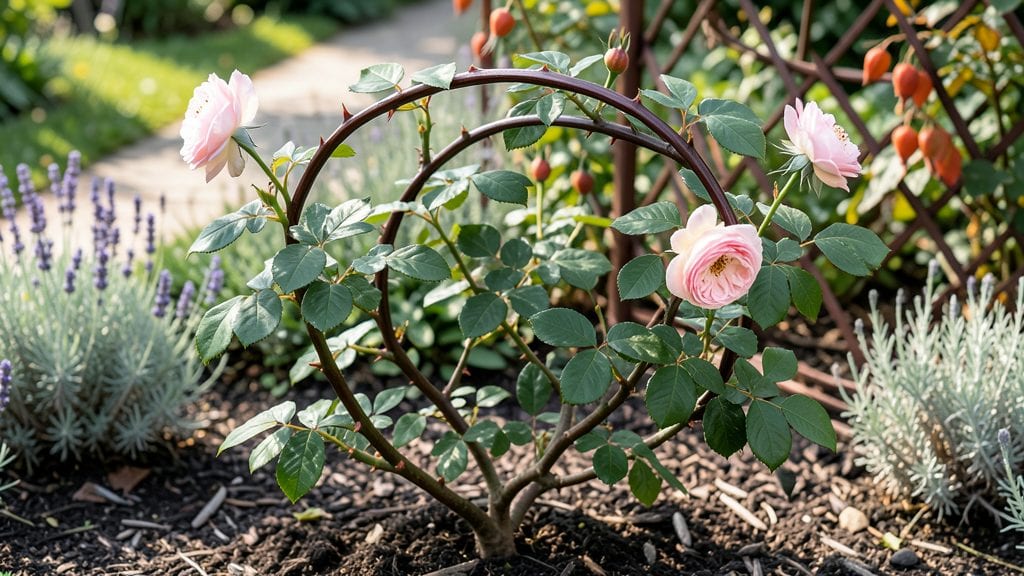
There’s nothing quite like the sight of lovely rose flowers spilling over an arbor or climbing a trellis, their petals soft as velvet and their scent lingering in the warm afternoon air. 🌹 I remember the first time I walked into a garden where roses dominated—it wasn’t just the blooms that stopped me, but the way they transformed the space into a secret, fragrant sanctuary.
That’s the magic of roses: they don’t just grow, they create atmosphere.
What makes them so special isn’t just their beauty, but how they adapt to your vision. Pair deep red roses with silvery foliage for drama, or let blush pink blooms mingle with lavender for a dreamy cottage feel. The best part?
With the right varieties, you can enjoy roses from early spring through frost, turning your garden into a year-round stage for color and fragrance. Even small spaces can accommodate climbers or compact bushes—no yard is too modest for roses.
Once established, roses demand little beyond regular watering and an occasional trim to keep them looking their best. You’ll end up with blooms that last longer, fragrance that fills the air, and a garden that feels like a living postcard.
The key is choosing varieties that suit your climate and light, then letting them take center stage. Trust me, nothing says "welcome" like a rose-lined path or a bush bursting with color.
Whether you’re dreaming of a romantic garden, a bold focal point, or just a few fragrant bushes by the patio, roses deliver. They thrive in containers, borders, or as standalone stars—so pick your favorite and let them work their charm.
The secret to stunning roses? Start with healthy plants, give them space to breathe, and let them do the rest. Your garden will thank you.
📚 In This Guide
- What you need
- Instructions
- Tips and common mistakes
- Wrapping up and next steps
What you need
- ● Rose plants: Choose disease-resistant varieties like David Austin English Roses or Knock Out Roses (3–5 plants, depending on garden size).
- ● Well-draining soil: Mix 60% garden soil, 30% compost, and 10% perlite or coarse sand (5–10 cubic feet per plant).
- ● Organic mulch: 2–3 inches of shredded bark or wood chips to retain moisture and suppress weeds.
- ● Balanced fertilizer: 10-10-10 NPK ratio (1–2 pounds per plant, applied in early spring and mid-summer).
- ● Slow-release fertilizer: Osmocote or rose-specific granules (1 cup per plant, mixed into soil at planting).
- ● Watering can or hose: With a gentle spray nozzle to avoid damaging stems.
- ● Pruning shears: Bypass-style, sharpened, and disinfected (for clean cuts).
- ● Garden gloves: Heavy-duty, breathable to protect hands from thorns.
- ● Staking system: 3–4 ft bamboo stakes or flexible metal cages (1 per plant for support).
- ● Rose food: Fish emulsion or seaweed extract (for a nutrient boost, 1–2 times per month).
- ● Pest control: Neem oil or insecticidal soap (for aphids or spider mites).
- ○ Drip irrigation kit: (Optional but highly recommended for consistent moisture—1/4-inch tubing with emitters).
- ○ Sunlight meter: (Optional) To ensure 6+ hours of direct sun per day.
- ● Decorative accents: Garden stakes with tags, pebbles for borders, or solar-powered lights (for ambiance!).
Step-by-Step guide to growing fragrant garden roses
Here’s how to cultivate roses that burst with scent and beauty—no green thumb required.
🌱 Step 1: Choose the Right Location and Prepare the Soil
Roses crave full sun—at least 6-8 hours daily—and well-draining soil. I always pick a spot with morning sun and afternoon shade in hot climates to prevent scorching. Test your soil’s pH; roses thrive in slightly acidic soil (6.0-6.5). If yours is too alkaline, mix in 2-3 pounds of sulfur per 100 square feet and wait 2-3 months for it to adjust.
Loosen the soil to a depth of 12-18 inches with a garden fork, breaking up compacted layers. Amend with 3-4 inches of compost and 1 cup of bone meal per planting hole for phosphorus—this boosts root and bloom development. Avoid fresh manure; it burns tender roots. Here’s the thing—roses hate soggy feet, so if your soil drains poorly, raise beds or plant in mounds.
☀️ Step 2: Plant Roses at the Right Time and Depth
Plant bare-root roses in early spring or container-grown roses in fall, when temperatures are mild. Dig a hole twice as wide as the root ball but only as deep—the graft union (the swollen bump on the stem) should sit 1-2 inches above soil level. This prevents it from being buried, which causes the plant to revert to wild, less fragrant growth.
Soak the roots in lukewarm water for 10-15 minutes before planting to revive them. Spread the roots outward in the hole, ensuring they’re not curled or bent. Fill halfway with soil, then water deeply to settle it. Top off with 2 inches of mulch (like shredded bark) to retain moisture and suppress weeds. Watch for the first new leaves—that’s your cue everything’s rooted correctly.
💧 Step 3: Water Deeply and Establish a Consistent Routine
Water newly planted roses deeply 2-3 times per week for the first month, wetting the soil to 12 inches deep. You’ll know you’ve done it right when water runs out the drainage holes if planted in containers, or when the top 6 inches of soil feel damp. Overhead watering encourages disease, so use a soaker hose or drip irrigation at the base instead.
After the first month, reduce to once a week unless it’s dry or hot. Roses store water in their canes, so deep, infrequent watering encourages stronger roots. I always water in the early morning—this gives leaves time to dry before evening, reducing fungal risks like black spot. You’ll see healthier, glossier leaves within weeks of adjusting your watering.
✂️ Step 4: Prune for Health and Fragrance
Prune once in early spring and again after the first flush of blooms to encourage continuous flowering. Start by removing dead, diseased, or crossing branches—these steal energy from your fragrant showstoppers. Cut just above an outward-facing bud, angling the cut at 45 degrees to shed water. This simple technique prevents rot and directs growth outward for a fuller bush.
Shorten remaining stems to just above a strong, healthy bud—aim for half the plant’s height if it’s overgrown. Avoid heavy pruning in fall; it stresses the plant before winter. After pruning, apply a balanced fertilizer (10-10-10) around the base. You’ll notice more buds forming and richer fragrance in the next blooming cycle—pruning isn’t just about looks, it’s about scent too.
🌿 Step 5: Maintain Year-Round for Continuous Blooms
Feed roses every 4-6 weeks during growing season with a rose-specific fertilizer or fish emulsion for organic options. I swear by a mulch ring around the base—3-4 inches of compost or bark—to lock in moisture and nutrients. Deadhead spent blooms weekly by snipping just above a five-leaflet leaf (the leaf with five smaller leaves). This redirects energy to new flowers instead of seed production.
Watch for aphids or powdery mildew—common pests that dull fragrance. Spray with neem oil at the first sign, and space plants 3-4 feet apart for airflow. In winter, mound 6-12 inches of mulch around the base to insulate roots. With consistent care, your roses will reward you with fragrant blooms from spring to frost—and that’s the real magic.
Tips & tricks for perfect fragrant garden roses
A few simple secrets that'll help your roses thrive and burst with that intoxicating fragrance you've been dreaming of.
Soil Prep Secret: In Step 1, when loosening soil to 12-18 inches, don't just break up the top layer—work that garden fork all the way down. Compacted soil at depth restricts root growth, which directly impacts how fragrant your blooms become. I like to add a handful of perlite to the bottom of each planting hole for extra drainage. This prevents soggy roots that lead to weak, less aromatic flowers.
Planting Depth Matters: That 1-2 inches above soil level for the graft union in Step 2 is non-negotiable. I've seen gardeners bury it too deep, and within a year, those beautiful fragrant roses revert to wild, less fragrant types. Mark the graft union with a small flag or paint dot if you're unsure where it is. The reward? Roses that smell like a Parisian garden instead of your neighbor's wild roses.
Watering Wisdom: The 2-3 times per week for the first month in Step 3 is perfect, but here's the thing: use your finger to check soil moisture at 6 inches down. If it's dry, water again immediately. Overhead watering? That's a recipe for black spot and weak fragrance. I've found that drip irrigation right at the base keeps leaves dry and roots happy—exactly what you want for maximum scent production.
Pruning for Perfume: When you're pruning in Step 4, look for those little buds that smell the strongest—those are your prize blooms. Cut just above them at a 45-degree angle to prevent water from pooling. I've noticed that roses pruned this way develop more buds with intense fragrance. And here's a bonus: save those pruned stems in water with a drop of bleach—they'll regrow roots and give you more fragrant roses for free!
Pro Tips for Lovely Rose Flowers
- A few simple secrets that'll help your roses thrive and burst with that intoxicating fragrance you've been dreaming of.
- Soil Prep Secret: In Step 1, when loosening soil to 12-18 inches, don't just break up the top layer—work that garden fork all the way down.
- Planting Depth Matters: That 1-2 inches above soil level for the graft union in Step 2 is non-negotiable.
Frequently asked questions
Got questions about growing and enjoying lovely rose flowers? You’re not alone! Here are some of the most common queries—plus straightforward answers to help you cultivate a stunning rose garden with ease.
How often should I water my rose flowers?
Water your roses deeply 1-2 times per week, especially during hot months. Aim for 1-2 inches of water per week, ensuring the soil stays moist (but not soggy). Early morning is ideal to reduce evaporation and fungal risks. Mulch around the base to retain moisture and protect roots.
When is the best time to plant rose flowers?
The best times are early spring (after the last frost) or fall (4-6 weeks before the first frost). This gives roots time to establish before extreme temperatures. Bare-root roses thrive in spring, while container-grown roses can be planted year-round in mild climates.
Can I grow roses in pots or containers?
Many rose varieties—like miniature, patio, or climber roses—thrive in containers. Use a well-draining potting mix and a pot at least 12-15 inches deep. Place in full sun (6+ hours/day) and water regularly. Just avoid overcrowding—one rose per container is ideal for healthy growth.
What should I do if my rose leaves develop holes or spots?
Holes or spots often signal pests (aphids, Japanese beetles) or diseases (black spot, powdery mildew). Start by pruning affected leaves and disposing of them. For pests, spray with neem oil or insecticidal soap. For fungal issues, apply a copper fungicide and improve airflow by spacing plants properly.
How do I keep roses smelling sweet and fragrant?
Fragrance fades when roses are over-fertilized, stressed, or cut too late. Harvest blooms early in the morning (when scent peaks) and store stems in cool water. Deadhead regularly to encourage new growth. Choose fragrant varieties like 'David Austin English Roses' or 'Hybrid Teas' for the best aroma!
Wrapping up and next steps
From their timeless elegance to their year-round charm, lovely rose flowers are the ultimate garden showstoppers! 🌹 Whether you're a seasoned gardener or just starting, these fragrant blooms bring joy, beauty, and a touch of romance to any space.
With the right care—like well-draining soil, consistent watering, and a little pruning love—your roses will reward you with stunning, long-lasting blooms.
Ready to transform your garden? Start small—plant a single rose bush or a vibrant mix—and watch your outdoor oasis flourish! 🌱 Now’s the perfect time to get your hands dirty and let these lovely roses shine.