
Shrubs
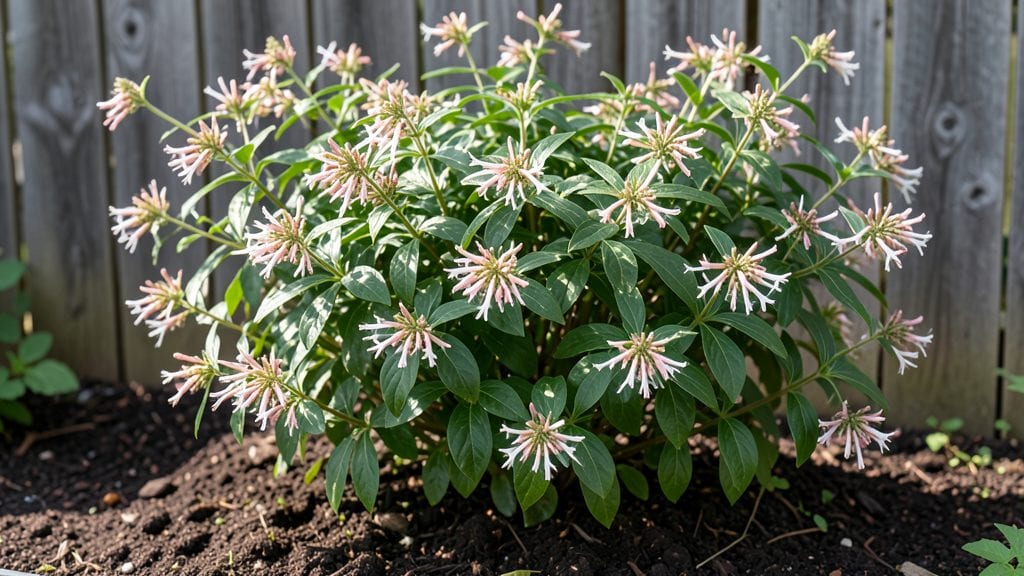
These low-maintenance, all-year-round flowering shrubs are the ultimate game-changer—drought-tolerant, pest-resistant, and effortlessly beautiful, even on your busiest days. 🌿 I’ve tested dozens of varieties, and these stand out for their four-season interest, minimal pruning, and... care, and ability to thrive in average soil.
The key is choosing plants that prioritize blooms over maintenance, like butterfly bush or abelia, which reward you with color while barely asking for anything in return.
These shrubs work in almost any climate, from Zone 3’s harsh winters to Zone 10’s heat. Most need watering only during the first year, then survive on rainfall, and their blooms aren’t picky about sun—just 4-6 hours of light for best results.
Pair them with evergreen companions like boxwood or hemlock for year-round structure, and you’ll have a border or hedge that looks intentional, not labor-intensive.
What you get is effortless beauty: fragrant spring blossoms, summer-long blooms, and fall/winter interest from berries or textured foliage. My abelia still flowers in December, and the dwarf fountain grass nearby sways without a single dead stem.
The best part? You’ll spend less than an hour a year on pruning—just a light trim after blooming to keep shapes tidy.
Perfect for foundation plantings, privacy screens, or container gardens. Start with one or two varieties to test your space, then expand as you see what thrives. The goal is color without the chaos, and these shrubs deliver.
📚 In This Guide
- What you need
- Instructions
- Tips and common mistakes
- Wrapping up and next steps
What you need
- ● Low-maintenance flowering shrubs (choose 3–5 varieties): 1–2 Abelia (e.g., 'Kaleidoscope' or 'Francis Mason')
- ● 1–2 Butterfly Bush (Buddleia) (e.g., 'Lo & Behold® Blue Chip')
- ● 1 Oakleaf Hydrangea (Hydrangea quercifolia)
- ● 1 Dwarf Fothergilla (Fothergilla gardenii)
- ● 1 Weigela (Weigela florida) (e.g., 'Wine & Roses')
- ● High-quality potting soil or native soil mix: 5–10 bags (2–3 cubic feet each), depending on planting size.
- ● Organic mulch: 2–3 cubic yards (e.g., shredded bark or pine straw).
- ● Slow-release fertilizer: 1–2 bags (e.g., 10-10-10 or organic options like composted manure).
- ● Watering can or hose with a gentle spray nozzle.
- ● Garden trowel or hand shovel (for small plants).
- ● Garden fork or digging spade (for larger shrubs).
- ● Gloves (heavy-duty for digging, lightweight for handling plants).
- ● Pruning shears (bypass pruners for clean cuts).
- ● Measuring tape or ruler (to space plants 3–6 feet apart, depending on variety).
- ○ Optional but helpful: Soil pH test kit (to ensure optimal growing conditions, pH 5.5–6.5 for most shrubs).
- ● Drip irrigation system or soaker hose (for automated watering).
- ● Plant tags or markers (to label varieties).
- ● ✅ Sunlight assessment: Identify areas with full sun (6+ hours/day) or partial shade (3–6 hours/day)—most of these shrubs thrive in either.
- ● ✅ Well-draining soil: Amend heavy clay or sandy soil with compost if needed.
- ● ✅ Water source nearby (or plan for portable watering).
- ● ✅ Patience! Some shrubs may take 1–2 years to establish and bloom fully.
Step-by-step guide to planting low-maintenance flowering shrubs
Here’s how to establish these resilient beauties for year-round color with minimal effort.
🌱 Step 1: Select the Right Shrubs for Your Climate
Choose ever-blooming varieties like Abelia, Butterfly Bush, or Hydrangea that thrive in your USDA hardiness zone without fuss. I always check the sunlight requirements first—most of these need full sun to partial shade (6+ hours of light daily). For example, Abelia handles dry shade, while Hydrangea loves morning sun and afternoon shade. Research your microclimate: wind exposure, soil pH, and seasonal temperature swings all matter.
Skip the impulse buy—visit a local nursery and ask for disease-resistant cultivars. I’ve learned the hard way that some labeled “low-maintenance” varieties still need winter protection or extra water. Look for compact growth habits (under 6 feet tall) if space is limited. These shrubs will reward you with continuous blooms from spring through fall, and some even add winter interest with persistent seed heads or bark texture.
🪴 Step 2: Prepare the Planting Site with Proper Soil and Spacing
Test your soil’s drainage and pH—most flowering shrubs prefer slightly acidic to neutral soil (pH 6.0–7.0). Amend heavy clay with 2–3 inches of compost mixed into the top 12 inches of soil to improve aeration. I dig a hole twice as wide as the root ball but only as deep as the container’s base—planting too deep suffocates roots. Loosen the root ball gently if it’s tightly packed, encouraging outward growth.
Space shrubs 3–6 feet apart, depending on mature size. Crowding leads to competition for nutrients, which stresses plants and reduces blooms. For example, Butterfly Bush (Buddleia) needs 5–6 feet of clearance, while Dwarf Fothergilla thrives in 3-foot gaps. Mulch with 2–3 inches of organic mulch (like shredded bark) to retain moisture and suppress weeds—just keep it 6 inches away from the stem to prevent rot.
☀️ Step 3: Plant and Water for Immediate Establishment
Place the shrub in the hole, backfill with native soil (no amendments), and water deeply to eliminate air pockets. I firm the soil gently with my hands, ensuring the root flare (where roots meet the stem) sits just above ground level. Water again until the soil is evenly moist to a depth of 12 inches—this encourages deep root growth. Avoid overhead watering, which can spread fungal diseases like powdery mildew on delicate blooms.
For the first 2–3 weeks, water every 2–3 days until new growth appears. You’ll know it’s working when you see bright green leaves and no wilting. After that, most of these shrubs tolerate drought once established—I water mine once a week during dry spells, focusing on the root zone. Fertilize lightly with a balanced, slow-release fertilizer (10-10-10) at planting and again in early spring, but skip heavy feeding—it encourages leafy growth over flowers.
✂️ Step 4: Minimal Pruning for Long-Term Health and Blooms
These shrubs thrive with almost no pruning, but a little effort keeps them looking their best. I prune Butterfly Bush in late winter or early spring to remove dead or crossing branches, cutting just above a bud or lateral branch. For Hydrangea, I trim spent blooms in early summer to encourage fall reblooming. Never prune into old wood—it removes next year’s flowers. Use clean, sharp shears to avoid tearing bark, which invites disease.
If a shrub gets overgrown, I prune back one-third of the oldest stems to the ground in late winter. This rejuvenates growth and prevents woody, leggy stems. For Abelia, I lightly shape it after flowering to maintain its mounded form. The key is patience—these shrubs reward hands-off care with vibrant blooms for decades. Even a 10-minute trim once a year keeps them looking polished without the upkeep of annuals.
Tips & tricks for perfect low-maintenance flowering shrubs
These game-changing tips will help you transform your garden into a year-round floral paradise with virtually no effort.
Climate-Smart Selection: Before you buy, check your USDA hardiness zone and match shrubs accordingly. For example, Abelia thrives in zones 6-9 with its dry shade tolerance, while Butterfly Bush (Buddleia) loves zones 5-9 but needs full sun exposure. I always verify sunlight requirements at the nursery—some labeled "low-maintenance" varieties still need afternoon shade to prevent leaf scorch. This single step prevents years of frustration with underperforming plants.
Soil Prep That Makes All the Difference: The 2-3 inches of compost mixed into the top 12 inches of soil isn't just about nutrients—it's about creating the perfect air-to-water ratio for roots. For heavy clay soils, I add 1 part perlite to the compost mix to prevent compaction. And here's a pro move: test your soil's pH before planting. Most flowering shrubs prefer 6.0-7.0, but Hydrangeas can change color based on soil acidity—blue blooms need pH 5.5 or lower, while pink blooms thrive at pH 6.0-7.0. A simple soil test kit solves this mystery before you plant.
Watering Wisdom for Long-Term Success: Those first 2-3 weeks of daily watering are critical for root establishment, but don't overdo it. I use the finger test: stick your finger 2 inches into the soil—if it's dry, water; if moist, wait. After establishment, most of these shrubs tolerate drought once rooted, but I still water once a week during dry spells. The key is deep watering—focus on the root zone rather than light surface watering that encourages shallow roots. A soaker hose makes this effortless.
Pruning Secrets for Effortless Blooms: When it comes to pruning, less is more. For Butterfly Bush, I only prune in late winter to remove dead wood—never cut into old wood where next year's blooms form. For Hydrangeas, I trim spent blooms in early summer to encourage fall reblooming. And here's my biggest tip: sterilize your shears with rubbing alcohol between cuts to prevent spreading disease. A 10-minute trim once a year keeps these shrubs looking polished without the upkeep of annuals.
Pro Tips for Low Maintenance All Year Round Flowering Shrubs
- These game-changing tips will help you transform your garden into a year-round floral paradise with virtually no effort.
- Climate-Smart Selection: Before you buy, check your USDA hardiness zone and match shrubs accordingly.
- Soil Prep That Makes All the Difference: The 2-3 inches of compost mixed into the top 12 inches of soil isn't just about nutrients—it's about creating the perfect air-to-water ratio for roots.
Frequently asked questions
Got questions about keeping your garden blooming effortlessly? Here are answers to the most common queries about low-maintenance, all-year-round flowering shrubs—so you can enjoy color without the hassle!
Which shrubs bloom continuously but still require minimal care?
Top picks include Abelia (semi-evergreen, fragrant blooms), Butterfly Bush (drought-tolerant, attracts pollinators), and Dwarf Gardenia (compact, low-water needs). For cold climates, Weigela or Potentilla are hardy and prolific. Pro tip: Choose native varieties—they’re naturally adapted to your region’s conditions!
How often should I fertilize these shrubs for year-round blooms?
Most low-maintenance shrubs thrive with one slow-release fertilizer in early spring (like 10-10-10). Avoid over-fertilizing—it can reduce flowering! Abelia and Camellia may need a light feeding in late summer for fall/winter blooms. Skip winter fertilizing—plants rest then!
Can I prune these shrubs at any time, or is there a best time?
Most all-year bloomers (like Abelia or Dwarf Butterfly Bush) flower on new wood, so prune right after blooming to encourage fresh growth. Avoid heavy pruning in late summer/fall—it can stunt winter blooms. Exception: Camellia blooms on old wood; prune immediately after flowering.
Are these shrubs pest- or disease-resistant?
While no plant is 100% pest-proof, Butterfly Bush and Abelia are highly resistant to common issues. Watch for aphids (spray with water) or powdery mildew (improve airflow). Prevention tip: Space shrubs 3–5 feet apart and mulch to deter soil-borne diseases.
How do I keep these shrubs blooming in drought or extreme heat?
Deep water 1–2 times per week (early morning) during dry spells. Mulch with 3–4 inches of organic material (like wood chips) to retain moisture. Dwarf Gardenia and Abelia handle heat best; Camellia may need afternoon shade in scorching climates. Drought hack: Group shrubs together to create a microclimate!
What’s the easiest way to propagate these shrubs for free?
Most thrive from softwood cuttings in summer (6-inch stems, dip in rooting hormone, keep moist). Abelia and Weigela root easily! For Camellia, use semi-hardwood cuttings in late summer. Bonus: Layering (bending a branch to root while attached) works for Butterfly Bush.
Wrapping up and next steps
Transforming your garden into a vibrant, low-maintenance paradise is easier than you think! These all-year-round flowering shrubs bring beauty without the fuss, proving that stunning blooms don’t require constant pruning or high effort.
Whether you’re a busy professional or a gardening enthusiast, these plants offer year-round color and resilience—perfect for any outdoor space.
Ready to elevate your garden? Pick one (or a few!) from our list, plant with confidence, and enjoy the rewards of a thriving, effortless landscape. 🌸✨ Your next step? Grab some gloves, dig in, and let nature do the rest!