
Planting
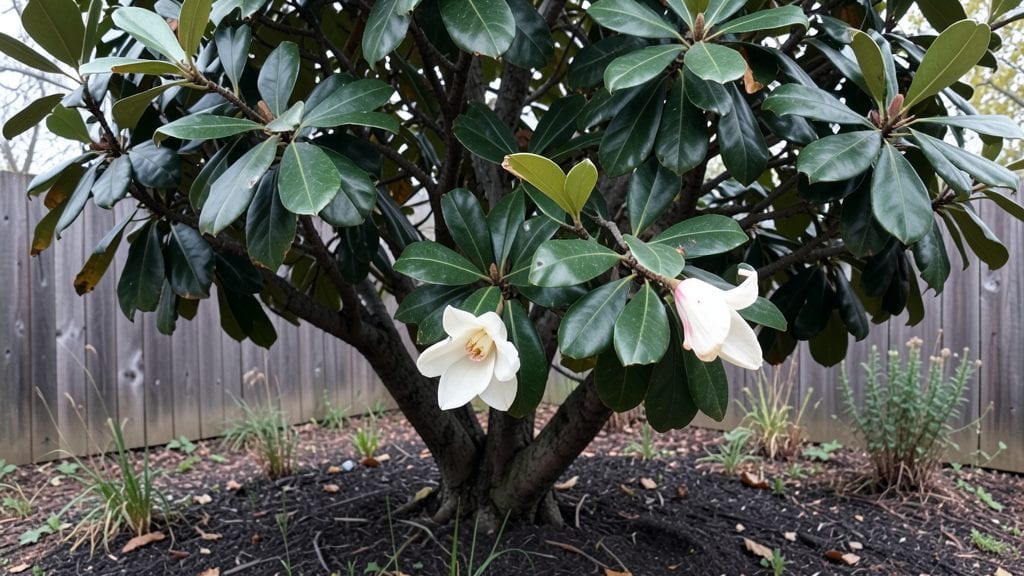
Magnolia flower plants bring a touch of old-world elegance to any landscape, and the secret to their stunning blooms starts with the right conditions.
I’ve watched my own magnolia go from a struggling sapling to a showstopper with just a few key adjustments—like choosing the perfect spot where it gets morning sun and afternoon shade. The payoff? Those iconic, fragrant flowers appear reliably every spring, often lasting weeks.
You’ll need well-draining, slightly acidic soil (think mulch and compost mixed into your native dirt) and patience—magnolias grow slowly but reward you with decades of beauty. Watering is simple: keep the roots moist but never soggy, especially during their first year.
And here’s the best part: pruning is minimal. Just shape lightly after blooming, and you’ll avoid the common mistake of cutting back too aggressively, which can stunt future flowers.
By summer, you’ll see lush, glossy leaves and maybe even a second flush of blooms on some varieties. The scent alone makes it worth the effort, and the glossy foliage adds texture to your garden all year.
Troubleshooting is straightforward—yellowing leaves often mean too much sun, while bud drop usually signals inconsistent watering. With these basics, your magnolia will thrive with almost no fuss.
Perfect for both beginners and seasoned gardeners, magnolias adapt well to different climates (zones 4-9) and add value to your property. Once established, they’re low-maintenance stars that’ll outshine most garden center plants. Ready to grow one that’ll be the talk of the neighborhood?
📚 In This Guide
- What you need
- Instructions
- Tips and common mistakes
- Wrapping up and next steps
What you need
- ● Magnolia plant: 1 nursery-grown sapling (3–5 years old for faster blooms) OR
- ● Seeds (collect from ripe cones in fall) OR
- ● Rooted cuttings (from a mature magnolia branch, 6–12 inches long)
- ● Planting site: 6–10 feet of space (depending on variety, e.g., Magnolia grandiflora needs more room)
- ● Well-draining, acidic soil (pH 5.0–6.5) OR amend with peat moss or pine bark
- ● Fertilizer: Slow-release, acidic fertilizer (e.g., 10-10-10 or 8-3-9 with micronutrients)
- ● Mulch: 2–3 inches of pine bark or wood chips (keeps roots cool and moist)
- ● Watering can or hose: With a gentle spray nozzle (magnolias hate soggy roots!)
- ● Trowel or shovel (for digging)
- ● Pruning shears (sterilized with rubbing alcohol)
- ● Garden gloves (to protect from thorns on some varieties)
- ● Measuring tape (to mark planting depth and spacing)
- ○ pH test kit (optional but helpful for soil prep)
- ● Epsom salt (1 tbsp/month in water for magnesium boost)
- ● Anti-desiccant spray (for young plants in dry climates)
- ● Stakes and twine (if planting in windy areas)
- ● Decorative rocks or edging (for a polished garden look)
How to cultivate a thriving magnolia tree for season-long beauty
Magnolias reward patience with stunning blooms and minimal fuss—here’s how to set yours up for success.
Choose the Right Location for Year-Round Growth
Magnolias thrive in full sun to partial shade, with at least 6 hours of direct sunlight daily for optimal blooming. I always plant mine where they’ll receive morning sun and afternoon shade—this prevents leaf scorch while ensuring vibrant flowers. The soil should drain well but retain moisture, so avoid low-lying areas where water pools after rain.
Test your spot by observing how the ground behaves after watering. If it stays soggy for more than a few hours, amend the soil with 2-3 inches of organic compost to improve drainage. Magnolias hate "wet feet," so proper drainage is non-negotiable. Dig a hole twice as wide as the root ball but only as deep—planting too deep can suffocate the roots.
Plant at the Correct Depth and Stake for Stability
Remove the tree from its container and gently loosen the roots to encourage outward growth. Place it in the hole so the top of the root ball sits level with the surrounding soil—never bury the trunk deeper than it was in the nursery pot. This ensures the tree grows upright and avoids future rot.
Backfill with native soil mixed with compost to help the roots establish quickly. Water deeply to settle the soil, then stake the tree if needed—young magnolias often lean until their root systems strengthen. Use two stakes positioned diagonally from the trunk, tied loosely with soft fabric strips to avoid girdling the bark. Mulch around the base with 2-3 inches of organic mulch, keeping it 6 inches away from the trunk to prevent rot.
Water Deeply and Consistently During the First Year
Newly planted magnolias need 1-2 inches of water per week, delivered deeply rather than frequently. I water mine twice weekly during the first growing season, soaking the soil until it’s damp 12 inches down. Use a soaker hose or drip irrigation to avoid wetting the leaves, which can invite fungal diseases. Overhead watering is fine in a pinch, but it’s best to keep foliage dry.
Check moisture by sticking your finger into the soil—if it feels dry past 2 inches, it’s time to water again. Once established (after 2-3 years), magnolias become drought-tolerant, but young trees need consistent moisture to develop strong roots. Reduce watering in winter unless your region experiences prolonged dry spells.
Fertilize Lightly and Prune Only When Necessary
Magnolias are light feeders, so I apply a balanced, slow-release fertilizer (10-10-10) in early spring just as new growth appears. Use half the recommended dose—over-fertilizing encourages leafy growth at the expense of blooms. Spread the granules 6 inches away from the trunk and water thoroughly to activate them. Avoid fertilizing in fall or winter, as this can stimulate late-season growth that won’t harden off before cold weather.
Pruning is minimal with magnolias—only remove dead, diseased, or crossing branches in late winter or early spring before buds swell. Never prune after mid-summer, as this can reduce next year’s flower production. Use clean, sharp pruners to make cuts just outside the branch collar (the swollen area where the branch meets the trunk). Disinfect your tools with rubbing alcohol between cuts to prevent spreading disease.
Protect Against Pests and Winter Damage
Magnolias are relatively pest-resistant, but scale insects and magnolia leaf gall can occasionally appear. I monitor my trees in early spring and treat infestations with neem oil or horticultural oil, following label instructions. For leaf gall, simply prune out affected branches in late winter—it’s harmless but unsightly. Avoid chemical pesticides, as they can harm beneficial insects and disrupt the tree’s natural defenses.
Young magnolias benefit from winter protection in cold climates (below 10°F). Wrap the trunk with tree wrap or burlap to prevent sunscald, and mound mulch around the base to insulate roots. In extreme cold, consider burlap wrapping the entire canopy for added protection. Once established, mature magnolias handle winter well, but a little extra care in their first few years ensures they thrive for decades.
Tips & tricks for perfect magnolia flower plant care
A few simple secrets will help your magnolia thrive and reward you with stunning blooms for years to come.
Location Matters: In Step 1, when choosing your spot, pay special attention to the morning sun and afternoon shade balance. I've noticed that southern exposure works best in most climates, as it provides that crucial 6 hours of direct sunlight while protecting delicate leaves from harsh afternoon rays. If your yard only gets partial shade, position the tree where it receives the most sunlight during the critical morning hours.
Root Health Secret: When planting in Step 2, don't skip loosening those roots! Gently teasing them apart encourages outward growth rather than circling, which can strangle the tree as it matures. I always make small vertical cuts with a knife around the root ball if it's particularly tight—this mimics natural root spread. The goal is to create a root system that spreads like fingers rather than circles like a snake.
Watering Wisdom: For Step 3's watering routine, I've found that the twice-weekly schedule works perfectly in most climates, but adjust based on your soil type. Sandy soils may need more frequent watering, while clay soils can hold moisture longer. The key is that 12-inch deep soaking—stick a screwdriver into the soil after watering to check. If it slides in easily, you've reached the right depth. This deep watering encourages roots to grow downward for stability.
Pro Tips for Magnolia Flower Plant
- A few simple secrets will help your magnolia thrive and reward you with stunning blooms for years to come.
- Location Matters: In Step 1, when choosing your spot, pay special attention to the morning sun and afternoon shade balance.
- Root Health Secret: When planting in Step 2, don't skip loosening those roots!
Frequently asked questions
Got questions about growing and caring for your magnolia flower plant? You’re not alone! Here are some of the most common queries—plus quick, practical answers to keep your magnolia thriving with minimal fuss.
How often should I water my magnolia plant?
Water your magnolia deeply but infrequently—about once a week (or less in winter). Young plants need more frequent watering (every 3–4 days), but mature trees prefer well-drained soil and can handle drought better. Pro tip: Check soil moisture 2–3 inches down before watering—if it’s dry, it’s time!
When is the best time to plant a magnolia?
Plant your magnolia in early spring or fall for the best results. This gives roots time to establish before extreme heat or cold. Avoid planting in summer—young roots can dry out, and winter planting may leave it vulnerable to frost damage.
Do magnolias need much pruning?
Magnolias are low-maintenance—prune only to remove dead, diseased, or crossing branches. The best time is late winter or early spring, before new growth starts. Avoid heavy pruning, as it can reduce flowering. Warning: Magnolia sap can irritate skin—wear gloves!
Why isn’t my magnolia flowering?
Common reasons include over-fertilizing (too much nitrogen = leafy growth, no blooms), young age (some magnolias take 3–5 years to flower), or poor sunlight. Ensure it gets 6+ hours of sun daily and fertilize lightly in early spring with a balanced formula (10-10-10).
Can I grow a magnolia in a pot?
Yes! Dwarf varieties like Magnolia ‘Little Gem’ thrive in containers. Use a large pot (at least 15–20 gallons) with drainage holes and acidic, well-draining potting mix. Move pots indoors or to a sheltered spot in winter if temperatures drop below 10°F.
What pests should I watch for on magnolias?
Keep an eye out for scale insects (sticky residue), magnolia scale (white bumps on leaves), and webworms (silky webs). Treat with neem oil or insecticidal soap for mild infestations. For severe cases, consult a local nursery for systemic pesticides.
Wrapping up and next steps
The magnolia flower plant is a stunning, low-maintenance addition to any garden, offering year-round beauty with minimal effort—especially when it comes to pruning. Whether you’re drawn to its fragrant blooms, glossy foliage, or elegant presence, this resilient plant rewards patience with breathtaking results. 🌸
Ready to transform your outdoor space? Start by selecting the perfect variety for your climate, then gather your tools and soil amendments. With the right care, your magnolia will thrive for decades, becoming the centerpiece of your landscape. Plant one today and enjoy nature’s masterpiece!