
Container Gardens
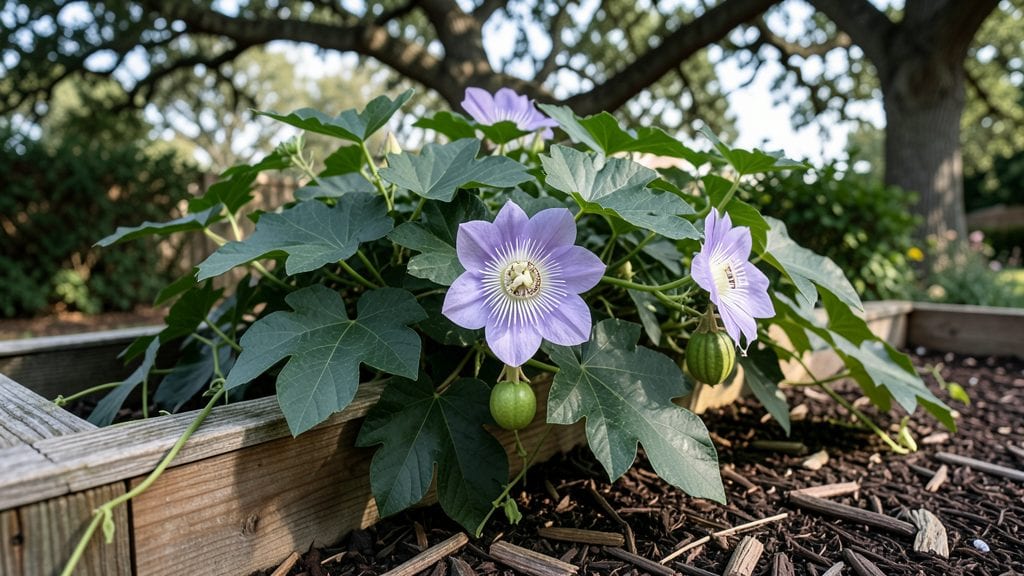
Growing passion flowers in pots turns your balcony or patio into a hummingbird haven—no yard required. ✨ These vines produce exotic, fragrant blooms that attract pollinators while thriving in containers with the right care.
The key is matching the right variety to your climate and container size, so you get those dramatic, tropical flowers without the sprawl.
Start with a 5-gallon minimum container for dwarf varieties like Passiflora caerulea or Passiflora incarnata, or go up to 15 gallons for larger types. Well-draining soil mixed with compost keeps roots happy, and a trellis or sturdy cage gives those vines something to climb.
Water when the top inch feels dry, and expect 3-5 blooms per vine once established—each one a magnet for hummingbirds.
By summer, you’ll see those signature ruffled flowers unfurling daily, followed by edible (but weirdly textured) fruits. The vines grow 6-10 feet in a season, so prune back in early spring to control size and encourage bushier growth.
In colder zones, bring pots indoors before frost or wrap them for winter protection.
This works for urban balconies, small patios, or even sunny windowsills with grow lights. The only challenge? Overcrowding—so give those roots room to stretch. Let’s get those vines climbing!
📚 In This Guide
- What you need
- Instructions
- Tips and common mistakes
- Wrapping up and next steps
What you need
- ● Passion flower plant: Choose a Passiflora variety suited for containers (e.g., Passiflora caerulea or Passiflora incarnata). Start with a 1-gallon pot plant or a 4-6" bare-root cutting.
- ● Container: A 5-gallon or larger pot (18"+ diameter) with drainage holes. Opt for terracotta or fabric grow bags for breathability.
- ● Well-draining potting mix: 2-3 cubic feet of a lightweight blend (60% peat moss/coco coir, 30% perlite/pumice, 10% compost). Avoid heavy garden soil!
- ● Support structure: A 4-6 ft. trellis, bamboo stakes, or decorative obelisk (metal or wooden) to train vines.
- ● Gloves & pruning shears: For handling thorns and trimming (sterilize shears with rubbing alcohol!).
- ● Trowel & drainage rocks: 1-2" layer of gravel or ceramic shards for pots without built-in drainage.
- ● Slow-release fertilizer: 1 cup of balanced 10-10-10 or organic options like worm castings (mix into soil).
- ○ Mulch (optional): 1-2" of pine bark or straw to retain moisture and deter weeds.
- ○ Hummingbird feeder (optional): Place near your pot to attract pollinators and boost blooms! 🐦
Step-by-step instructions for growing passion flower in pots
Here's how to coax those stunning, hummingbird-loving blooms from a container—with minimal fuss.
🪴 Step 1: Choose the Right Container and Soil Mix
Passion vines need room to sprawl, so select a minimum 18-inch diameter pot with drainage holes. I prefer terra cotta—it breathes and prevents root rot, which is critical for these tropical climbers. Fill the bottom third with orchid bark or perlite for drainage, then add 3 parts potting mix to 1 part compost for nutrient-rich soil.
Don’t skimp on drainage—passion vines hate soggy roots. Tap the pot gently after filling to settle the mix, then water until moisture runs freely from the drainage holes. This ensures the roots start in a well-aerated, moisture-balanced environment. If your pot lacks drainage, drill holes yourself—2-3 inches in diameter will work.
☀️ Step 2: Plant and Position for Maximum Sunlight
Dig a hole twice as wide as the root ball but no deeper. Gently remove your passion vine from its nursery pot and loosen the roots if they’re circling. Place it in the hole, then backfill with soil, pressing lightly to eliminate air pockets. Water deeply immediately after planting to help roots establish.
Passion flowers crave sunlight—position your pot in full sun (6+ hours daily). A south-facing patio or balcony works best, but if you’re in a hot climate, provide afternoon shade to prevent leaf scorch. You’ll know it’s getting enough light when new growth appears within 2-3 weeks and leaves stay a vibrant green.
💧 Step 3: Water and Fertilize for Lush Growth
Keep the soil consistently moist but not waterlogged. Stick your finger 1 inch into the soil—if it feels dry, water thoroughly. Passion vines are thirsty but drainage is non-negotiable. I water mine every 2-3 days in summer, adjusting for rain. In winter, reduce to once a week unless your home stays very dry.
Feed with a balanced liquid fertilizer (10-10-10) every 4-6 weeks during growing season. When buds form, switch to a phosphorus-heavy fertilizer (5-10-5) to encourage blooming. Over-fertilizing leads to leafy growth at the expense of flowers, so follow label instructions precisely. You’ll see the difference when bright flowers start appearing 8-12 weeks after planting.
✂️ Step 4: Prune and Support for Year-Round Blooms
Prune in early spring to shape the vine and encourage new growth. Cut back overly long or leggy stems by one-third, making cuts just above a leaf node. This stimulates bushier growth and more flowers. Remove dead or diseased foliage immediately—it spreads problems fast.
Install a strong trellis or sturdy support (like a metal cage) as the vine grows. Passion flowers climb aggressively—without support, stems can flop and break. Train new growth along the trellis by gently tying stems with soft plant ties every 6-8 inches. With proper support, you’ll get continuous blooms from late spring through fall—a hummingbird’s dream.
⏰ Step 5: Overwinter for Next Season’s Blooms
Before temperatures drop below 40°F, move your pot indoors to a bright, cool spot (50-60°F). Reduce watering to every 10-14 days and stop fertilizing entirely. Prune again in late winter to remove weak growth before spring. This reset ensures stronger regrowth and earlier blooms next season.
If your vine looks sad by spring, don’t worry—passion flowers are resilient. Once temperatures warm above 55°F, move it back outside and resume regular care. With proper overwintering, your pot will burst into vibrant blooms year after year, attracting hummingbirds like a magnet.
Tips & tricks for perfect passion flower in pots
Here's what nobody tells you about keeping your passion vines thriving in containers—these are the details that make all the difference between a struggling plant and a hummingbird magnet.
Container Material Matters: While terra cotta is my top pick for its breathability, plastic pots actually retain moisture better in hot climates. If you choose plastic, make sure to add extra perlite (up to 50% of the soil mix) to prevent compaction and improve aeration. The key is balancing moisture retention with root health—both are non-negotiable for these tropical climbers.
Sunlight Strategy for Different Climates: In cooler regions, you can actually get away with 5 hours of direct sun during summer months, but push for the full 6+ hours when temperatures rise above 75°F. I've seen passion vines in full sun locations thrive with afternoon shade only when temperatures exceed 90°F—the leaves develop a protective sheen that helps them handle the heat. Watch for slight leaf curling as your cue to provide temporary shade.
Fertilizer Timing is Everything: The switch to phosphorus-heavy fertilizer when buds form is critical, but timing matters just as much. Start this 5-10-5 mix 4 weeks before you expect buds to appear (usually late spring). This gives the plant the phosphorus boost it needs for flower development while still maintaining balanced growth. I've ruined blooms by waiting too long—don't make my mistake!
Overwintering Hack: If you're in a mild winter climate where temperatures rarely drop below 50°F, you can actually leave your passion vine outside with reduced watering only. Just move it to a sheltered spot and cover with frost cloth on nights below 45°F. This keeps the plant in its outdoor rhythm and often results in earlier spring blooms when you move it back outside.
Pro Tips for Passion Flower In Pots
- Here's what nobody tells you about keeping your passion vines thriving in containers—these are the details that make all the difference between a struggling plant and a hummingbird magnet.
- Container Material Matters: While terra cotta is my top pick for its breathability, plastic pots actually retain moisture better in hot climates.
- Sunlight Strategy for Different Climates: In cooler regions, you can actually get away with 5 hours of direct sun during summer months, but push for the full 6+ hours when temperatures rise above 75°F.
Frequently asked questions
Got questions about growing passion flowers in pots?
You’re not alone! Here are some of the most common concerns—plus quick, expert-friendly answers to help you cultivate a thriving, hummingbird-friendly display.
How often should I water my potted passion flower?
Passion flowers in pots dry out fast—check soil moisture daily in summer! Water when the top 1–2 inches feel dry, aiming for deep, thorough soakings (but avoid soggy roots). In winter, reduce to every 7–10 days unless your home is dry. Pro tip: Use a moisture meter or stick your finger in the soil to test!
Why isn’t my passion flower blooming?
No blooms? Don’t panic—passion flowers need full sun (6+ hours/day), regular feeding (monthly with balanced fertilizer), and pruning to encourage new growth. If it’s still sluggish, check for overcrowded roots (repot if needed) or underwatering. Fun fact: Hummingbirds love the blooms, so patience pays off!
Can I grow passion flowers in pots indoors?
Yes, but with caveats! Place your pot near a south- or west-facing window for maximum light (supplement with grow lights if needed). Keep humidity high (mist leaves or use a pebble tray) and rotate the pot weekly for even growth. Warning: Many varieties (like Passiflora caerulea) need a cool winter dormancy (50–60°F) to rebloom.
How do I prune my potted passion flower?
Prune in early spring to shape the plant and encourage bushiness. Cut back 1/3 of the plant to just above a leaf node, and remove dead or leggy stems. Don’t overdo it! Passion flowers bloom on new growth, so avoid heavy pruning in fall/winter. Bonus: Save cuttings to propagate new plants!
What pests should I watch for in potted passion flowers?
Keep an eye out for aphids, spider mites, and mealybugs—they love tender new growth. Neem oil or a soapy water spray (1 tsp mild soap per quart of water) works wonders. For scale insects, scrape them off with a soft brush. Prevention tip: Inspect leaves weekly and isolate new plants for 2 weeks to catch pests early.
Wrapping up and next steps
Growing passion flower in pots is a rewarding way to attract hummingbirds and add vibrant beauty to your space—no matter your outdoor area’s size! With the right container, soil, and care, you’ll enjoy year-round blooms that bring life and color to your garden. 🌸
Ready to take the next step? Start by choosing your favorite variety and set up your pot today—your feathered friends (and your green thumb!) will thank you. Check out our step-by-step guide to kickstart your passion flower journey!