Flowers
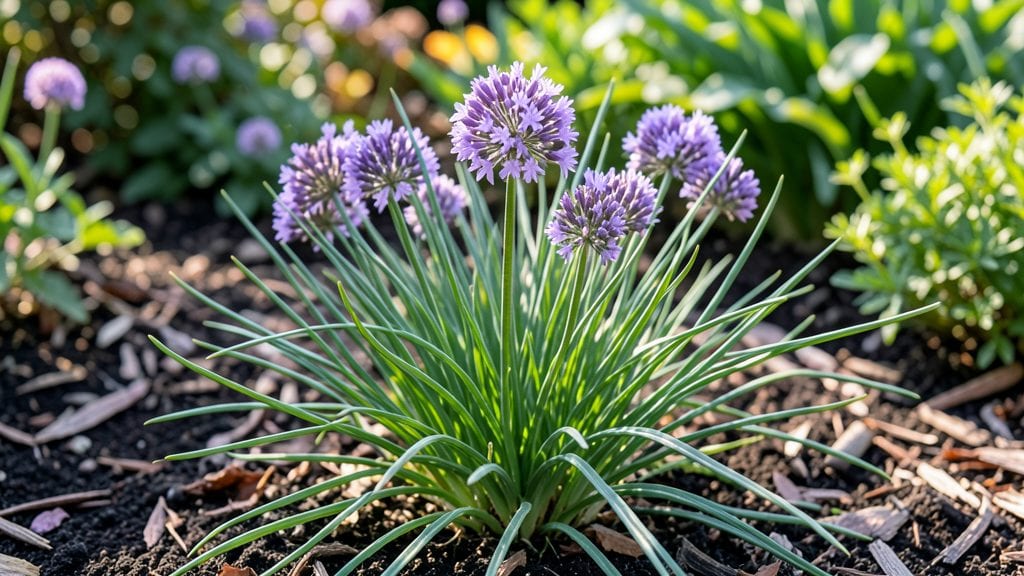
Those dry chive flowers in your Pacific Northwest garden hold a secret: their delicate purple blooms are frost-resistant edible treasures waiting to transform your kitchen and arrangements. I’ve dried chives from my own garden—through rain and early frosts—and they still taste fresh months later when stored right.
The key is timing: harvest when buds are fully open but before they brown, or you’ll lose that bright, oniony aroma.
Drying them properly makes all the difference. You can air-dry bundles upside-down in a dark, dry spot for 1-2 weeks, or speed things up with an oven at 200°F for 30-45 minutes on low heat.
Just avoid moisture—damp flowers turn moldy, and that ruins the whole batch. Once fully dry, they’ll keep their color and flavor for up to a year if stored in airtight containers away from light.
Think beyond garnishes: dried chive flowers make stunning dried arrangements, add depth to teas, or become a fragrant potpourri. They’re also a cheap, organic way to extend your harvest when fresh chives wilt in winter.
The best part? You can grow chives year-round in the PNW’s mild climate, so you’ll always have a fresh supply to dry.
Here’s the catch: don’t let them sit too long on the plant before drying, or they’ll lose their punch. And if you notice any pests creeping in during drying, freeze the flowers for 24 hours to kill them off before storing. Ready to turn those blooms into a pantry staple?
📚 In This Guide
- What you need
- Instructions
- Tips and common mistakes
- Wrapping up and next steps
What you need
- ● Fresh chive flowers: Harvested from organic, pesticide-free plants (e.g., Allium schoenoprasum or Allium tuberosum). Aim for 1–2 bunches (5–10 stems per bunch) with fully open blossoms.
- ● Drying trays or screens: Flat, mesh, or perforated surfaces (e.g., 1–2 wire cooling racks or bamboo drying trays) to allow airflow.
- ● Paper towels or parchment paper: For blotting excess moisture (1–2 sheets).
- ○ Air-tight containers: Glass jars or food-grade plastic bags (e.g., 2–4 oz mason jars) with desiccant packets (optional but recommended).
- ● Pruning shears or sharp scissors: For cleanly cutting stems (1 pair).
- ● Rubbing alcohol (70%+) or vinegar: 1 small bottle (for sterilizing tools and containers).
- ● Dehydrator: Set to 95°F (35°C) for faster drying (if you have one!).
- ● Food processor or mortar & pestle: For grinding dried flowers into edible garnishes or seasoning blends.
- ● Labeling tags: To mark harvest dates and varieties.
- ● Humidity monitor: Ideal range: 30–50% humidity for optimal drying.
Instructions for harvesting and drying chive flowers in the Pacific Northwest
Here’s how to turn your chive blooms into long-lasting edible decorations—perfect for the PNW’s damp climate.
Harvest Flowers at Peak Freshness
Cut chive flowers when 70-80% of the blooms are open but before they fully fade. I like to harvest on a dry morning after dew has evaporated—this prevents moisture from making the stems soggy during drying. Use clean, sharp scissors or pruning shears, cutting 2-3 inches below the flower cluster to include some stem.
Harvest in small batches—no more than a dozen at a time—so they stay fresh until you can process them. If you’re working with multiple stems, tie them loosely into bundles with twine or rubber bands to keep the flowers upright during drying. This also prevents them from touching each other, which can spread mold in the humid PNW air.
Prepare for Drying Indoors
Remove any damaged or wilted blooms immediately—they’ll ruin the whole batch. Spread the chive flowers in a single layer on a clean, breathable surface like a wire mesh screen, a paper towel, or even an unglazed ceramic plate. I avoid plastic because it traps moisture and slows drying.
Choose a well-ventilated, dry spot indoors—65-75°F is ideal. A dehumidifier-free zone like a sunny windowsill or a shelf above the kitchen stove works well. Avoid basements or garages, even in summer, because high humidity will make the flowers moldy before they dry. If your home is particularly damp, prop a small fan nearby to improve airflow.
Dry Slowly Over 1-2 Weeks
Turn the flowers every 2-3 days to ensure even drying. You’ll know they’re ready when the petals are completely dry and crisp, and the stems snap easily when bent. In the PNW’s damp climate, this can take 7-14 days, depending on humidity levels. If the flowers start to darken or feel damp to the touch, they need more time—don’t rush it.
Once fully dry, gently brush off any debris with a soft brush or your fingers. Store the dried flowers in small paper envelopes or breathable cloth bags in a cool, dark place. Avoid airtight containers—they’ll trap moisture and cause mold. Label each batch with the date so you can track freshness. Properly stored, they’ll keep their flavor and color for 6-12 months.
Use Dried Chive Flowers Creatively
Crush dried chive flowers between your fingers to release their mild onion-garlic aroma—perfect for seasoning soups, salads, or baked goods. Sprinkle them over butter, yogurt, or hummus for a subtle garnish. You can also infuse them into oils or vinegars for a delicate floral-onion flavor.
Don’t limit them to cooking! Scatter them on plates or in centerpieces for a rustic, edible touch. In the PNW, where fresh herbs can be scarce in winter, these dried blooms are a versatile, homegrown treasure. Just avoid storing them near strong-smelling spices, as they’ll absorb odors quickly.
Tips & tricks for perfectly dried chive flowers
Transforming fresh chive blooms into long-lasting edible decorations is simpler than you think—here’s how to avoid common pitfalls and get the best results.
Harvesting Timing: I can’t stress enough how important it is to harvest when 70-80% of the blooms are open. Fully open flowers dry too quickly and lose their delicate aroma, while barely open ones need extra time to dry properly. The dry morning timing is also key—wet stems take forever to dry and can develop mold in the PNW’s damp climate.
Drying Surface Selection: Never use plastic surfaces—they trap moisture and create the perfect environment for mold growth. Instead, opt for breathable materials like wire mesh screens, paper towels, or unglazed ceramic plates. If you’re short on space, a clean cookie sheet works too, but avoid aluminum foil as it can create condensation.
Humidity Management: The 65-75°F temperature range is ideal, but in the PNW’s damp conditions, you might need extra precautions. If your home feels particularly humid, place a small fan nearby to improve airflow. I’ve found that positioning the drying setup near an open window (with screens to keep bugs out) helps significantly, especially during summer months.
Storage Wisdom: Once fully dry, store your chive flowers in small paper envelopes or breathable cloth bags—never airtight containers. The moisture from your breath can actually cause condensation inside sealed containers, leading to mold. Label each batch with the date to track freshness, as properly stored flowers will keep their flavor and color for 6-12 months.
Pro Tips for Dry Chive Flowers
- Transforming fresh chive blooms into long-lasting edible decorations is simpler than you think—here’s how to avoid common pitfalls and get the best results.
- Harvesting Timing: I can’t stress enough how important it is to harvest when 70-80% of the blooms are open.
- Drying Surface Selection: Never use plastic surfaces—they trap moisture and create the perfect environment for mold growth.
Frequently asked questions
about dry chive flowers—here’s what you need to know before harvesting or cooking with them!Can you eat dry chive flowers?
Dry chive flowers are 100% edible and pack a mild, onion-like flavor. They’re perfect for garnishing soups, salads, or roasted dishes. Just ensure they’re fully dried and free of pesticides if foraging wild varieties.
How do I know when chive flowers are ready to dry?
Harvest flowers when they’re fully open but before they brown. Bundle stems and hang them upside down in a dark, dry, well-ventilated spot (like a pantry) for 1–2 weeks. They’re ready when crispy and crumbly—no moisture left!
What’s the best way to store dried chive flowers?
Keep them in airtight containers (glass jars or resealable bags) away from light and humidity. They’ll stay fresh for 6–12 months. For extra shelf life, freeze them in ice cube trays with water or oil!
What can I substitute if I don’t have dried chive flowers?
Try these swaps:
- Fresh chive flowers (if available)
- Dried garlic chives (milder flavor)
- Crushed red pepper flakes (for heat + color)
- Dried violets (for floral notes)
Are dried chive flowers safe for bees?
Yes! Chive flowers are bee-friendly and support pollinators. If you’re drying them for culinary use, wait until blooms are fully spent (after bees have visited) to avoid disrupting local ecosystems.
Wrapping up and next steps
Dry chive flowers aren’t just a Pacific Northwest treasure—they’re a versatile, frost-hardy, and delicious addition to your garden and kitchen! Whether you’re foraging for wild edibles, experimenting with floral garnishes, or simply embracing sustainable cooking, these blooms offer a unique twist to meals and crafts. 🌸
Ready to dive deeper? Start by planting a few chive patches in your garden this season—you’ll be harvesting (and savoring!) their edible flowers in no time. Happy growing! 🌱