Planting
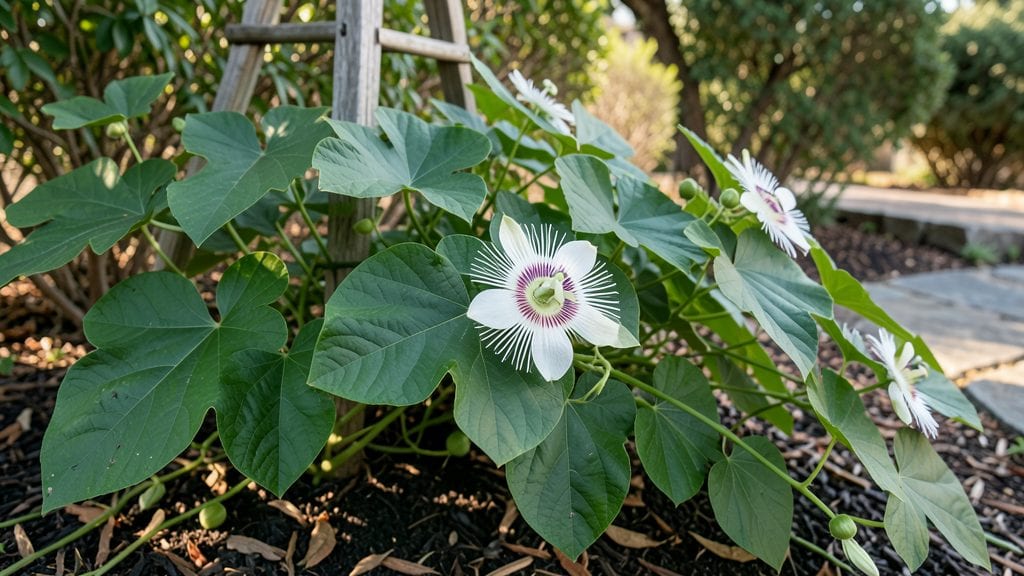
Growing a white passion flower plant transforms your garden into a hummingbird magnet—those ghostly white blooms with their intricate, almost alien beauty are impossible to ignore once you see them in person. 🌸 I still remember the first time I spotted one unfurling in my zone 8 garden, its delicate petals contrasting against the deep green foliage like a tropical mirage.
The secret to coaxing those stunning flowers lies in mimicking their native habitat: warm summers, rich soil, and just enough moisture to keep the vines happy without drowning them.
You’ll need a sunny spot with at least 6 hours of direct light daily—think morning sun and afternoon shade in hotter climates—and well-draining soil that’s slightly acidic.
A 6-foot trellis or arbor gives those vigorous vines room to climb, while regular pruning after flowering keeps them tidy and encourages more blooms next season.
The real magic happens when you time your watering right: deep soaks once a week (more in summer) with mulch to lock in moisture, but never soggy soil.
By late summer, you’ll be rewarded with clusters of 3-inch-wide white flowers that hummingbirds can’t resist, followed by exotic-looking fruit that’s edible (though tart). The key to long-term success? Prune back dead growth in early spring and fertilize lightly during bloom time.
Even in cooler zones, these vines reward patience with months of continuous flowers—if you give them the right conditions.
Perfect for climbers on fences, pergolas, or even large containers. Here’s how to get started without the common pitfalls—so you can enjoy that tropical feel year after year.
📚 In This Guide
- What you need
- Instructions
- Tips and common mistakes
- Wrapping up and next steps
What you need
- ● White passion flower plant: Choose a healthy Passiflora caerulea (blue passionflower) or Passiflora edulis (passionfruit) variety with white blooms. Start with a 1-gallon container-grown plant or seeds (if germinating from scratch).
- ● Well-draining potting mix: 5 gallons of a blend with 50% peat moss, 30% perlite, and 20% compost (or a pre-mixed cactus/succulent mix).
- ● Container or garden bed: For containers: A 10-15 gallon pot with drainage holes and a 3-inch saucer (terracotta or fabric).
- ● For in-ground planting: A sunny spot with 6+ hours of light and 6-8 feet of vertical space (trellis or fence included).
- ● Support structure: A 6-foot wooden trellis, metal arbor, or cattle panel (if planting vertically).
- ● Slow-release fertilizer: 1 cup of 10-10-10 NPK granules or organic worm castings.
- ● Pruning shears: Sharp, bypass-style shears (for trimming vines post-bloom).
- ● Mulch: 2-3 inches of pine bark nuggets or straw (to retain moisture).
- ● Gloves: Heavy-duty gardening gloves (passionflower vines have tiny thorns!).
- ● Trowel: A stainless-steel hand trowel for transplanting.
- ● Watering can or hose with nozzle: A 1-gallon can with a rose attachment for gentle watering.
- ○ Hummingbird feeder: 1-2 feeders (optional but highly recommended for attracting pollinators!).
- ● Epsom salt: 1 tablespoon (mixed into soil for magnesium boost, especially in clay soil).
- ● Plant tie clips: 5-10 clips (to secure vines to trellis during growth).
- ● Frost cloth: 1 roll (if planting in USDA Zones 7-9 with cold winters).
How to grow a thriving white passion flower vine
Here's the straightforward approach I use to coax those stunning white blooms into my garden every year.
🌱 Step 1: Select the Right Location and Prepare the Soil
White passion flowers (Passiflora caerulea) crave warmth and need at least 6 hours of direct sun daily, though they tolerate partial shade in hotter climates. I plant mine against a south-facing fence where they get morning sun and afternoon shade—this prevents leaf scorch while still encouraging blooms. The soil should drain well but retain moisture; amending heavy clay with 2-3 inches of compost works wonders.
Dig a hole twice as wide as the root ball but only as deep. Loosen the soil at the bottom with a garden fork to encourage root spread. Here's the thing—passion vines have shallow roots, so avoid digging deeper than necessary. If your soil is sandy, mix in 1 part peat moss to help retain moisture without suffocating roots.
☀️ Step 2: Plant and Provide Support for Climbing
Set the plant in the hole so the top of the root ball sits just below soil level. This prevents rot while allowing stems to emerge easily. Backfill with native soil mixed with compost, pressing gently to remove air pockets. Water deeply right after planting to settle the soil around roots—you'll see water beading on the surface when it's properly soaked.
Passion vines need sturdy support to climb. Install a 6-foot trellis or sturdy fence before planting, positioning it within 12 inches of the vine. I use a metal trellis because it lasts years and won't rot. Train the main stem along the support as it grows; new shoots will naturally twine around the structure. Don't rush this—let the vine establish for 2-3 weeks before encouraging aggressive growth.
💧 Step 3: Water Consistently and Fertilize for Blooms
Keep the soil evenly moist but never soggy—passion flowers wilt quickly when thirsty but also rot if overwatered. Water deeply 2-3 times per week in warm weather, checking moisture by sticking your finger 2 inches into the soil. If it feels dry, water; if damp, wait. Mulch with 2 inches of shredded bark to conserve moisture and regulate soil temperature.
Feed with a balanced 10-10-10 fertilizer every 4-6 weeks during growing season (spring through summer). I switch to a low-phosphorus formula in late summer to encourage blooming rather than leafy growth. You'll notice new leaves emerging within a week of fertilizing—that's your signal everything's working. Stop fertilizing after mid-August to let the plant focus on setting buds for next year.
✂️ Step 4: Prune for Health and Encourage More Blooms
Prune in early spring before new growth begins. Cut back one-third of the oldest stems to the ground to rejuvenate the plant and redirect energy to newer, more productive growth. Remove any dead, damaged, or crossing branches—this improves airflow and prevents disease. I also trim back any stems that haven't bloomed by mid-summer; they'll never produce flowers and just take energy from productive vines.
After blooming, cut back spent flowers to encourage more blooms. Passion flowers produce continuously if you keep deadheading. Here's the trick: pinch off flowers that appear weak or deformed—they won't develop properly and can attract pests. Healthy blooms have symmetrical petals and vibrant green centers. Prune in the morning so wounds have all day to heal before evening moisture sets in.
🐦 Step 5: Protect and Maintain for Hummingbird Visitors
White passion flowers are hummingbird magnets, but they need protection from pests like aphids and spider mites. I spray the undersides of leaves with neem oil every 2 weeks during summer to prevent infestations. If you see tiny webs or sticky residue, act fast—these pests weaken the plant and reduce blooming. A strong blast of water from the hose often dislodges early-stage pests before they become a problem.
In fall, when temperatures drop below 50°F at night, bring potted passion flowers indoors or protect outdoor plants with burlap wraps. I cover mine with frost cloth when frost is forecasted. Even a light freeze can damage tender new growth. In USDA zones 8-11, passion flowers overwinter outdoors with minimal protection, but in colder zones, dig up the roots and store them in a cool, dark place until spring.
Tips & tricks for perfect white passion flower growth
These simple yet powerful tricks will help you transform your garden into a hummingbird paradise with stunning white passion flowers.
Sunlight Strategy: While the instructions mention at least 6 hours of direct sun daily, I've found that positioning your vine to receive morning sun and afternoon shade (like my south-facing fence setup) prevents leaf scorch while still encouraging abundant blooms. If you notice leaves turning yellow or crispy, move the plant to a slightly shadier spot—especially in hotter climates. The goal is bright, indirect light for most of the day, with that crucial morning sun boost to kickstart growth.
Root Care Secret: When preparing the planting hole in Step 1, I can't stress enough how important it is to avoid digging deeper than necessary—passion vines have shallow roots that need to spread horizontally. If your soil is particularly heavy clay, mix in that 2-3 inches of compost right down to the bottom of the hole. This creates a perfect root environment where moisture is retained but never stagnant. I've seen plants fail when roots get waterlogged because they were planted too deep.
Pruning Pro Tip: During your early spring pruning in Step 4, focus on removing those one-third of oldest stems at the base rather than just trimming back. This forces the plant to redirect energy to newer, more productive growth. I also make it a habit to look for stems that haven't bloomed by mid-summer—these are energy vampires that never produce flowers. Cutting them back gives your productive vines more resources to create those beautiful white blooms.
Pest Prevention: That neem oil spray every 2 weeks mentioned in Step 5 is your first line of defense against pests, but I've found an even simpler trick works wonders: a strong blast of water from the hose on the undersides of leaves. This dislodges early-stage pests before they become a problem. I do this every Sunday morning as part of my routine—it takes less than 5 minutes and prevents 90% of my pest issues. The key is consistency and checking those leaf undersides regularly for tiny webs or sticky residue.
Pro Tips for White Passion Flower Plant
- These simple yet powerful tricks will help you transform your garden into a hummingbird paradise with stunning white passion flowers.
- If you notice leaves turning yellow or crispy, move the plant to a slightly shadier spot—especially in hotter climates.
- Root Care Secret: When preparing the planting hole in Step 1, I can't stress enough how important it is to avoid digging deeper than necessary—passion vines have shallow roots that need to spread horizontally.
Frequently asked questions
Got questions about nurturing your white passion flower plant? You’re in the right place! Here are answers to the most common queries—from planting to troubleshooting—so you can keep those stunning blooms thriving and hummingbirds buzzing.
How do I encourage more white passion flower blooms?
White passion flowers love sunlight—aim for 6+ hours of direct sun daily. Prune leggy growth in early spring to redirect energy to flowering, and fertilize lightly with a balanced, citrus-free fertilizer (like 10-10-10) during spring and summer. Overcrowded plants may bloom less, so space them 8–10 feet apart.
How long does it take for a white passion flower to bloom?
With ideal conditions, expect 1–2 years for new plants to produce flowers. Established vines (3+ years old) can burst into bloom by late spring or early summer. Patience pays off—young plants focus on root and vine growth first! Pro tip: Use a trellis or arbor early to support climbing and speed up flowering.
Why aren’t hummingbirds visiting my white passion flowers?
Hummingbirds adore white passion flowers, but they need accessible nectar. Ensure blooms are fully open (not just buds) and avoid pesticides. If birds are scarce, add a hummingbird feeder nearby with a 1:4 sugar-water ratio (no dye!). Plant near shrubs or trees for perching spots—they’ll find you!
What should I do if my white passion flower leaves turn yellow?
Yellowing leaves often signal overwatering or nutrient deficiency. Check soil moisture—it should be damp but not soggy. If roots smell rotten, trim affected areas and repot in well-draining soil. For yellow edges, boost magnesium with Epsom salt (1 tbsp/gallon of water, applied monthly).
Can I grow white passion flowers in containers?
Yes! Choose a large container (15+ gallons) with drainage holes and a fast-draining potting mix. Use a trellis or cage for support, and water consistently (containers dry out faster). Move pots to partial shade in hot afternoons if you’re in a Zone 9+—they appreciate some relief from intense sun.
| Quick Fixes | When to Use |
|---|---|
| Prune 1/3 of the vine in spring | To revitalize slow growth |
| Mulch with wood chips | To retain moisture and deter weeds |
| Apply compost tea monthly | For nutrient boosts without chemicals |
Wrapping up and next steps
Transforming your garden into a hummingbird haven with white passion flower plants is simpler—and more rewarding—than you think! 🌸 These stunning blooms not only add tropical beauty but also support local wildlife while requiring minimal effort once established.
Whether you’re a seasoned gardener or just starting, the key is patience, the right conditions, and a little love for nature’s pollinators.
Ready to take the next step? Start small: Plant a single white passion flower vine in a sunny spot and watch it thrive. Before you know it, your garden will buzz with life—and you’ll be the proud host of a hummingbird hotspot! 🐦⬛✨