
Flowers
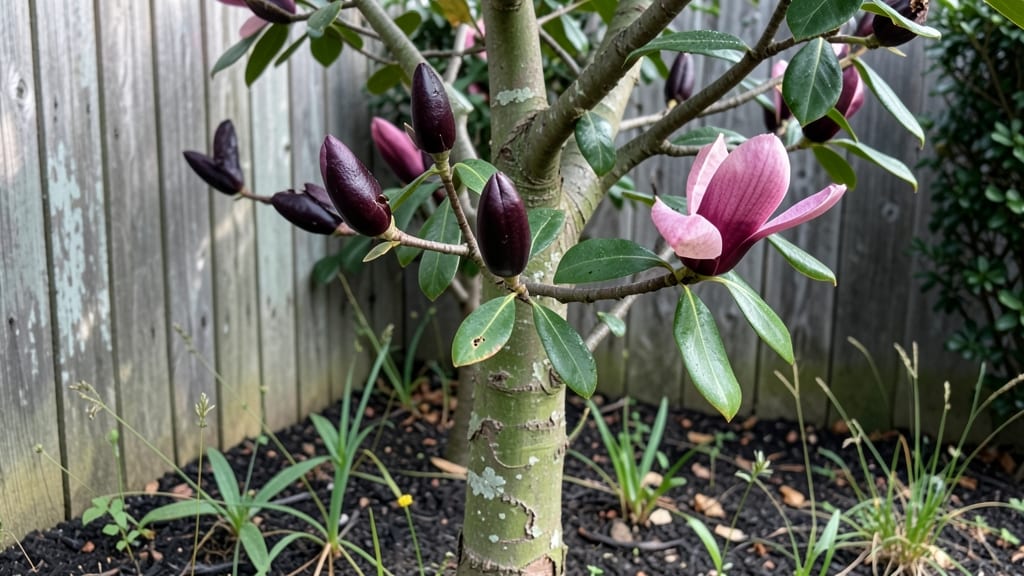
The magnolia flower purple stands out like a jewel in the Pacific Northwest’s damp, chilly winters—these rare blooms, like Magnolia 'Black Tulip' or Magnolia 'Purple Gem', bring drama to gardens where most magnolias falter.
Their deep violet petals stand out against rain-washed greenery, turning even a gray day into a showstopper.
These frost-resistant beauties aren’t just tough—they’re striking. Their glossy leaves add year-round interest, and the flowers appear early, often before other spring blooms. Pair them with silver foliage plants like lamb’s ear or dusty miller to make the purple pop even more.
In moody color schemes, they anchor the palette like a velvet curtain.
Imagine your garden in late April or May, when these magnolias burst into bloom while everything else is still waking up. The scent is light but intoxicating, and the way the petals unfurl in layers creates a mesmerizing focal point.
They work as standalone stars or as part of a layered border with heucheras and ferns for texture.
Best of all, they handle the PNW’s unpredictable weather—no fuss, just beauty. Whether you’re designing a dramatic focal point or a subtle accent, these purple magnolias deliver impact without the high-maintenance drama. Ready to make your garden unforgettable?
📚 In This Guide
- What you need
- Instructions
- Tips and common mistakes
- Wrapping up and next steps
What you need
- ● Purple magnolia plant: 1–3 young trees (3–5 ft tall) or seeds (if starting from scratch). Pro tip: Look for Magnolia × soulangeana varieties like 'Alexandrine' or 'Black Tulip' for deep purple blooms!
- ● Well-draining soil: 5–10 bags of compost or peat moss (for amending clay-heavy PNW soil).
- ● Organic mulch: 3–5 cubic feet of pine bark or wood chips (to protect roots in frost-prone areas).
- ● Slow-release fertilizer: 1–2 lbs of 10-10-10 or balanced organic fertilizer (spring/fall application).
- ● Garden trowel (for transplanting seedlings).
- ● Shovel (for digging planting holes, 18–24" wide/deep).
- ● Pruning shears (sterilized with rubbing alcohol).
- ● Garden hose or watering can (with a rain gauge for tracking moisture).
- ○ Optional: Soil pH test kit (ideal pH: 5.0–6.5).
- ● Frost cloth (for young plants in early spring/fall).
- ● Drip irrigation system (for large gardens).
- ● Sunlight: Full sun to partial shade (6+ hours of sunlight daily).
- ● Hardiness zone: USDA Zones 4–9 (perfect for PNW’s cool climate!).
- ● Spacing: 15–25 ft apart (magnolias grow 20–30 ft tall at maturity).
- ● Water access: Consistent moisture (but avoid waterlogged soil).
Step-by-Step guide to planting and caring for purple magnolias in the Pacific Northwest
Here's how to bring this stunning frost-resistant tree to life in your garden.
Choose the Right Location for Your Magnolia
Purple magnolias thrive in partial shade, making them perfect for the Pacific Northwest's dappled sunlight. Look for a spot with morning sun and afternoon shade—this protects the delicate blooms from harsh afternoon rays while still giving them enough light to flourish. Avoid areas where cold air pools, like low spots in the yard, which can damage tender new growth in early spring.
Test your site by observing how sunlight moves across the area throughout the day. The ideal location will have 4-6 hours of filtered sunlight daily. If your yard only offers full sun, consider planting near a building or large tree that provides afternoon shade. Purple magnolias also appreciate well-draining soil, so avoid soggy areas where water collects after rain.
Prepare the Planting Site
Dig a hole twice as wide as the root ball but only as deep as the container it came in. This encourages roots to spread outward rather than settling too deeply, which can lead to poor stability. Loosen the sides of the hole with a shovel or garden fork to prevent compacting the native soil when you backfill.
Amend the native soil with 2-3 inches of organic matter, like compost or well-aged manure, mixed into the bottom and sides of the hole. This improves drainage and provides essential nutrients for the first few years. Avoid using fresh mulch in the planting hole—it can mat down and suffocate roots. Instead, mound a small hill of amended soil in the center of the hole to position the root ball slightly above ground level.
Plant Your Purple Magnolia with Care
Remove the magnolia from its container and gently loosen any circling roots with your fingers. Place the root ball on the prepared mound so the top of the root ball sits 1-2 inches above ground level. This prevents water from pooling around the stem, which can cause rot. Spread the roots outward evenly and fill the hole with the amended soil, tamping lightly as you go to remove air pockets.
Water deeply right after planting to settle the soil and eliminate air gaps. You'll know you've done it right when water drains freely from the hole and the soil surface looks slightly damp but not soggy. Mulch the area with 2-3 inches of wood chips or shredded bark, keeping the mulch 6 inches away from the trunk to prevent moisture buildup that can harm the bark.
Water and Fertilize for Strong Growth
Water your purple magnolia once a week during the first growing season, providing 1-2 gallons of water per week depending on rainfall. Check moisture by sticking your finger 2 inches into the soil—if it feels dry, it's time to water. Overwatering is a common mistake that leads to root rot, so always let the top 1-2 inches of soil dry out between waterings.
Apply a balanced, slow-release fertilizer in early spring, just as new growth begins. Use a formula like 10-10-10 at half strength to avoid burning the roots. Purple magnolias are not heavy feeders, so fertilizing once a year is sufficient. In the Pacific Northwest, where soil can be acidic, test your soil every few years and amend with lime if the pH drops below 6.0—magnolias prefer a slightly acidic to neutral soil.
Prune and Protect for Long-Term Beauty
Prune your magnolia immediately after flowering in late spring to avoid cutting off next year's buds. Remove any dead, diseased, or crossing branches with clean, sharp pruners. Make cuts just outside the branch collar—the swollen area where the branch meets the trunk—to promote quick healing. Purple magnolias naturally have a graceful shape, so minimal pruning is usually all that's needed.
Protect young trees from late spring frosts, which are common in the Pacific Northwest. If a frost is forecasted after the buds begin to swell, cover the tree with a lightweight frost blanket or wrap it loosely with burlap. Avoid heavy coverings that can trap too much heat and damage the blooms. Once the tree is established—typically after 3-5 years—it will develop enough resilience to handle the region's frosts with ease.
Tips & tricks for perfect purple magnolia planting in the Pacific Northwest
Here's what I've learned from years of growing these stunning trees—tricks that'll help your purple magnolia thrive from day one.
The Light Factor: In Step 1, when choosing your spot, pay extra attention to how sunlight shifts throughout the day. I've planted magnolias in what I thought was perfect morning sun, only to discover they were getting too much harsh afternoon light. Use a simple app or observe your yard for a week to track sunlight patterns—this is key for those delicate purple blooms.
Root Ball Placement: During Step 3, when positioning that root ball, don't just eyeball the 1-2 inches above ground level. Use a level tool to ensure it's perfectly horizontal—uneven placement can cause water to pool on one side, leading to rot. I learned this the hard way when my first magnolia developed a lean that took years to correct.
Soil Prep Secret: For Step 2, when amending your soil, go beyond just compost. Mix in a handful of perlite or coarse sand into that 2-3 inches of organic matter—this creates tiny air pockets that improve drainage without changing the soil structure. The Pacific Northwest's naturally dense soils benefit from this extra aeration, especially around the roots.
Watering Wisdom: In Step 4, when watering that first week, don't rely solely on your finger test. Set a timer for your weekly watering—once a week is easy to forget! I've found that early morning watering (before 9am) gives the roots time to absorb moisture before the Pacific Northwest's afternoon humidity sets in. This prevents fungal issues that can plague new plantings.
Pro Tips for Magnolia Flower Purple
- Here's what I've learned from years of growing these stunning trees—tricks that'll help your purple magnolia thrive from day one.
- The Light Factor: In Step 1, when choosing your spot, pay extra attention to how sunlight shifts throughout the day.
- Root Ball Placement: During Step 3, when positioning that root ball, don't just eyeball the 1-2 inches above ground level.
Frequently asked questions
Got questions about purple magnolias thriving in the Pacific Northwest’s chilly climate?
You’re not alone! Here are answers to the most common queries about growing, caring for, and enjoying these frost-resistant beauties.
Can purple magnolias survive harsh PNW winters?
Varieties like Magnolia × soulangeana (the classic purple magnolia) and Magnolia 'Black Tulip' are bred for cold hardiness, often tolerating temps down to -15°F to -20°F. Just mulch heavily in late fall and avoid pruning in winter to protect vulnerable buds.
When do purple magnolias bloom, and how long do the flowers last?
Most purple magnolias bloom in late winter to early spring (February–April in the PNW), often before leaves emerge. Flowers last 7–10 days per bloom cycle, but some varieties (like 'Purple Gem') may rebloom lightly in summer with proper care.
Are there dwarf purple magnolias for small gardens?
Yes! If space is limited, try Magnolia 'Little Gem' Purple (reaches 15–20 ft) or 'Black Tulip' (20–25 ft). For true dwarfs, look into Magnolia 'Genie' (6–8 ft) or 'Teddy Bear' (8–10 ft)—both sport purple-tinged blooms and thrive in containers or tight spots.
Why aren’t my purple magnolia buds opening, even though they look healthy?
This is often caused by late frost damage or bud blast fungus. To prevent it:
- Plant in a south-facing location to delay bud break.
- Avoid overhead watering to reduce fungal spores.
- Apply dormant oil spray in late winter if fungus is suspected.
Can I dye magnolia petals purple for crafts or arrangements?
Fresh magnolia petals are not ideal for dyeing—they lack the tannins needed for natural colorfastness. Instead, try:
- Using artificial purple dye (like food coloring + vinegar) for temporary projects.
- Pairing petals with blue or violet flowers (like irises) for a natural purple effect in arrangements.
Wrapping up and next steps
The purple magnolia isn’t just a stunner in the Pacific Northwest—it’s a resilient, low-maintenance champion that brings color and grace to any garden. Whether you’re drawn to its frost-hardy nature, striking blooms, or symbolic depth, this beauty is ready to thrive with just a little care. 🌸
Ready to plant your own? Start by choosing a spot with morning sun and afternoon shade, gather your supplies, and dive in! The reward? A garden that blooms boldly year after year—and maybe even a few compliments from neighbors. Happy planting! 🌿