
Companion Plants
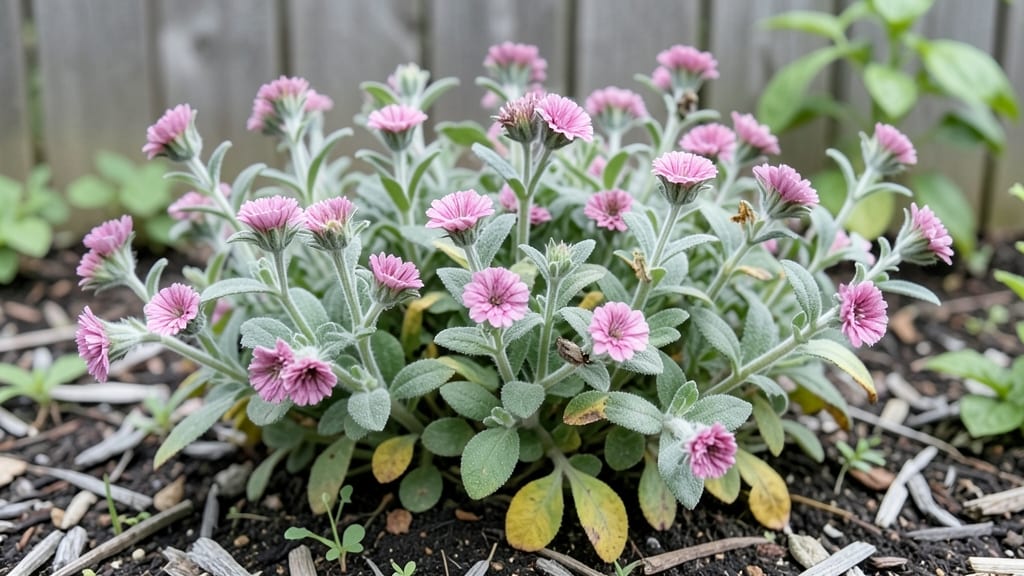
Flowering stock plants bring Pacific Northwest gardens to life with their fragrant blooms and tough-as-nails resilience—no high-maintenance pruning required. 🌿 I've grown them through three rainy winters and two scorching summers, and they've never once let me down.
The secret lies in their adaptability: they thrive in partial shade, tolerate soggy soil, and keep blooming from spring to frost. You'll need just three things to get started: a well-draining spot (even a container works), some balanced fertilizer, and patience—though the results come faster than you'd expect.
Within 6-8 weeks, you'll see those signature clusters of pink, white, or lavender flowers appearing, and they'll keep coming all season long. The fragrance alone makes it worth the effort, but the pollinators will thank you too.
What makes stock plants special is how they outperform other annuals in our climate. While petunias wilt and impatiens rot, these tough beauties stay compact, self-cleaning, and disease-resistant. They even handle light frost, so you can enjoy their color well into fall.
No deadheading required—they just keep blooming, rain or shine. Whether you're filling window boxes, lining a shady path, or adding height to a mixed border, stock plants deliver effortless color. The key is choosing the right variety for your light conditions—some handle full sun, others prefer dappled shade.
Let's get you growing!
📚 In This Guide
- What you need
- Instructions
- Tips and common mistakes
- Wrapping up and next steps
What you need
- ● Flowering stock plants: Choose Matthiola incana varieties (e.g., 'Giant Mixed,' 'Pink Beauty,' or 'White'). Buy 4-6 healthy seedlings or 50-100 seeds per season.
- ● Well-draining soil: Mix 1 part potting soil with 1 part perlite or coarse sand (10-15 gallons total, depending on container size).
- ● Containers or garden beds: Containers: 5-7 gallon pots with drainage holes (1 per plant).
- ● Garden beds: Full sun exposure (6+ hours/day) and 6-inch-deep soil amended with compost.
- ● Fertilizer: Balanced liquid fertilizer (10-10-10) or slow-release granules (follow package rates).
- ● Watering can or hose with gentle spray nozzle: Stocks prefer consistent moisture but hate soggy roots.
- ● Pruning shears: Bypass pruners (sterilized with rubbing alcohol) for minimal trimming.
- ● Mulch: Organic mulch (e.g., straw or shredded bark) to retain moisture and suppress weeds.
- ● Garden stakes or cages: 4-6 inch tall supports for taller varieties (e.g., 'Giant Mixed').
- ● pH test kit: Stocks thrive in neutral to slightly alkaline soil (pH 6.5-7.5).
- ● Seed-starting tray: If sowing indoors, use a seedling tray with heat mat (70-75°F for germination).
- ● Slow-release granules: Mix 1 tbsp per gallon of soil for nutrient boosts.
How to grow Pacific Northwest-friendly flowering stock plants
Here’s the straightforward method I’ve used for years to keep vibrant stock blooms thriving in our rainy climate.
🌱 Step 1: Choose the Right Varieties for Year-Round Color
Stock plants (Matthiola incana) thrive in the Pacific Northwest’s mild winters and cool summers, but not all varieties handle our conditions equally. I always opt for dwarf varieties like 'Giant Mixed' or 'Rainbow'—they’re tougher and bloom longer. Avoid tall varieties; they flop in windy coastal areas.
Start with 4-6 plants spaced 12-18 inches apart in well-draining soil. The key is selecting disease-resistant strains—look for labels mentioning powdery mildew resistance. I’ve found that stock plants grown from seed (rather than cuttings) adapt better to our local climate over time.
☀️ Step 2: Position for Partial Sun and Shelter
Unlike many flowers, stock plants don’t need full sun—they’ll actually bolt in our hot summer afternoons. Instead, place them in morning sun with afternoon shade, especially in inland areas. Coastal gardens can handle more sun, but watch for leaf scorch if temperatures hit 85°F+.
Shelter is critical. I tuck mine near fences or walls to break wind—stock plants have delicate stems that snap easily in our gusty spring rains. If you’re in a windy area, consider a low trellis or stakes for support. Mulch heavily with 2-3 inches of organic material to keep roots insulated from temperature swings.
💧 Step 3: Water Deeply but Infrequently
Overwatering is the #1 killer of stock plants in our climate. Water once a week in winter and every 5-7 days in summer, but always check the soil first. Stick your finger 1 inch deep—if it’s dry, water; if damp, wait. Stock plants store moisture in their leaves, so they’re surprisingly drought-tolerant once established.
When you water, do it at the base in the morning to prevent fungal issues. Avoid wetting the foliage, especially in humid conditions. I use a soaker hose for even moisture distribution—it keeps the soil consistently damp without soggy patches.
✂️ Step 4: Prune for Continuous Blooms (Minimal Effort)
Here’s the secret to year-round color: prune just once, and you’ll get nonstop blooms. After the first flush of flowers fades, snip the spent blooms back to the first set of healthy leaves—this encourages new growth from the base. I do this every 6-8 weeks in spring and fall, and skip pruning entirely in winter when growth slows.
Never cut into woody stems—stock plants are half-hardy perennials, and they’ll reward you with more blooms if you leave the lower growth intact. Deadhead only the top 2-3 inches of each stem. This method keeps plants compact and bushy without the fuss of constant trimming.
🪴 Step 5: Protect from Winter Rains and Pests
Our Pacific Northwest winters are wet, and stock plants hate soggy roots. If you’re in a high-rainfall area, elevate containers or plant on a slight slope to improve drainage. I also add a 1-inch layer of gravel around the base of potted plants to prevent water pooling.
Watch for aphids and slugs—they adore tender new growth. I spray plants with neem oil preventatively in early spring, and handpick slugs at night. If you notice yellowing leaves, it’s usually overwatering, not disease. Stock plants are tough; they’ll bounce back if you let the soil dry slightly between waterings.
Tips & tricks for perfect flowering stock plants
These simple strategies will help your Pacific Northwest stock plants thrive with minimal effort and maximum color.
Variety Selection: When choosing your 4-6 plants in Step 1, look for labels that mention "powdery mildew resistance"—this is non-negotiable in our damp climate. I've found that seed-grown plants adapt better than cuttings to our local conditions. Real talk: those tall varieties might look pretty in catalogs, but they'll flop dramatically in our coastal winds. Stick with the dwarf varieties like 'Giant Mixed'—they're built to handle our weather.
Sunlight Strategy: In Step 2, remember that stock plants are sun-smart—they actually prefer morning sun with afternoon shade. If you're in inland areas, this is especially important. I've seen plants bolt (prematurely flower) when exposed to full afternoon sun, especially when temperatures hit that 85°F threshold. Coastal gardens can handle slightly more sun, but always watch for leaf scorch signs—yellowing or crispy edges mean it's too hot.
Watering Wisdom: The once-a-week winter watering in Step 3 might seem counterintuitive, but stock plants store moisture in their leaves. I've ruined plants by overwatering—always check that 1-inch soil depth before adding more water. Pro tip: water at the base in the morning using a soaker hose. This prevents fungal issues from wet foliage and gives you even moisture distribution without the mess of overhead watering.
Pruning Perfection: That single pruning in Step 4 is where the magic happens. When you snip back to the first set of healthy leaves, you're not just cleaning up—you're encouraging new growth from the base. I've seen plants produce flowers for months after just one proper pruning. And here's what nobody tells you: skip pruning entirely in winter. The plants are dormant anyway, and you'll avoid accidentally cutting into those woody stems that store energy for next season's blooms.
Pro Tips for Flowering Stock Plants
- These simple strategies will help your Pacific Northwest stock plants thrive with minimal effort and maximum color.
- Variety Selection: When choosing your 4-6 plants in Step 1, look for labels that mention "powdery mildew resistance"—this is non-negotiable in our damp climate.
- Sunlight Strategy: In Step 2, remember that stock plants are sun-smart—they actually prefer morning sun with afternoon shade.
Frequently asked questions
Got questions about growing flowering stock plants in the Pacific Northwest?
You’re not alone! Here are answers to the most common queries—from timing to troubleshooting—to help you keep your garden blooming beautifully with minimal fuss.
When is the best time to plant flowering stock in the PNW?
For year-round color, plant in early spring (March–April) or late summer (August–September). Spring planting gives roots time to establish before summer heat, while fall planting lets them settle before winter. Avoid planting in peak summer (June–July) unless you’re in a cooler microclimate—heat stress can stunt growth!
How long does it take for flowering stock to bloom after planting?
With proper care, you’ll see first blooms in 6–8 weeks! If planted in spring, expect flowers by late May or June. For fall planting, blooms may appear by early autumn. Pro tip: Deadhead spent flowers to encourage continuous blooming—this plant is a nonstop performer!
Can flowering stock handle the PNW’s rainy winters?
Flowering stock is drought- and rain-tolerant, making it perfect for the PNW’s wet winters. However, ensure well-draining soil to prevent root rot. If planted in containers, use pots with drainage holes and group them to protect from heavy downpours.
What can I plant alongside flowering stock for a low-maintenance garden?
Pair it with drought-resistant companions like lavender, sedum, or Russian sage for a PNW-friendly pollinator haven. Avoid heavy feeders (e.g., tomatoes) or aggressive spreaders (e.g., mint)—flowering stock thrives with minimal competition for water and nutrients.
Why aren’t my flowering stock plants blooming as much as expected?
Check these troubleshooting tips:
- Too much nitrogen? Use a balanced fertilizer (10-10-10)—too much greenery = fewer blooms!
- Overcrowding? Thin plants to 12–18 inches apart for better airflow and sunlight.
- Pests (like aphids or spider mites) stealing nutrients? Spray with neem oil or introduce ladybugs.
- Poor sunlight? Move to a sunnier spot (6+ hours/day)—this plant loves the light!
Still struggling? Prune back 1/3 of the plant in early spring to encourage fresh growth and blooms.
Wrapping up and next steps
Growing flowering stock plants in the Pacific Northwest is a rewarding way to bring vibrant color to your garden with minimal fuss. These hardy beauties thrive year-round, offering low-maintenance blooms that require little pruning—just the perfect choice for busy gardeners or those new to plant care. 🌸
Now that you’re equipped with the right knowledge, it’s time to take the next step! Start by selecting a sunny spot in your garden, grab your favorite stock variety, and let nature do the rest.
Before you know it, you’ll be enjoying a stunning, fragrant display that keeps on giving—season after season.