Flowers
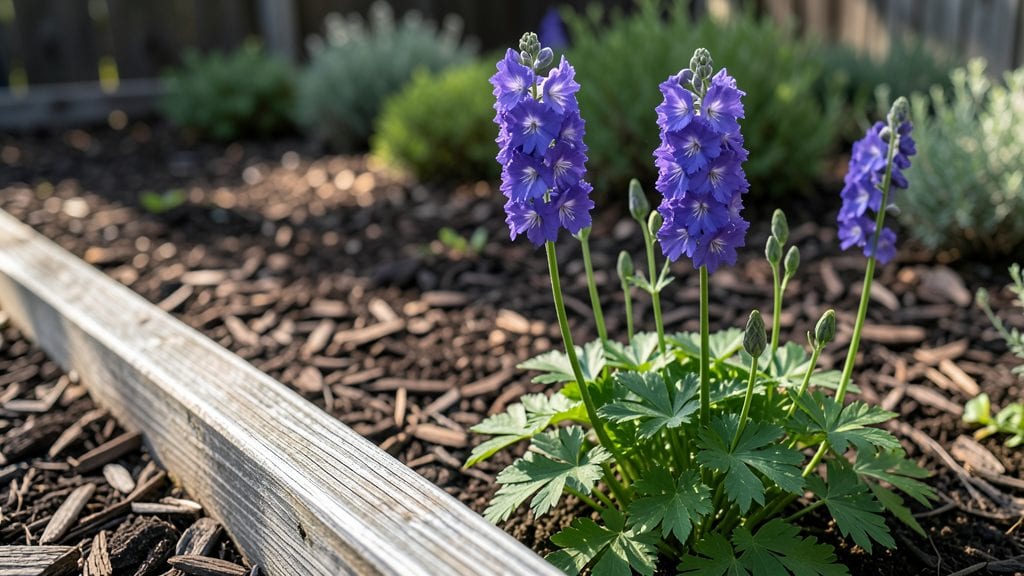
A wildflower bed in the Pacific Northwest isn’t just a garden feature—it’s a living tapestry that thrives on rain, resists weeds, and bursts into color from spring to frost.
I’ve designed mine to bloom in waves, starting with early camas in February and ending with sedum holding onto its purple until December. The key? Choosing natives that handle the region’s damp winters and shady pockets while still attracting bees, butterflies, and hummingbirds when everything else is dormant.
The beauty of this approach is how little it demands: no weekly deadheading, no fertilizing, and no fussing over perfect rows. My 3-foot by 6-foot bed in partial shade requires just 30 minutes of prep—clearing weeds, amending soil with compost, and scattering seeds—and then it’s hands-off until spring.
The real magic happens when you mix perennials like salal and evergreen huckleberry with seasonal bloomers like Pacific coast iris and sword fern, creating layers that stay interesting even when some plants fade.
By midsummer, you’ll have a meadow-like display that hums with pollinators, with zero effort after the initial planting. The bed stays lush through dry spells because deep-rooted natives tap into moisture others miss, and the fallen seed heads provide winter interest.
This isn’t just a garden—it’s an ecosystem that works harder than you do, and it gets more beautiful each year as the plants establish.
Whether you’re starting from seed or transplanting nursery-grown plugs, the same principles apply: prioritize natives, group plants by height and bloom time, and let the soil stay slightly damp but never soggy.
The Pacific Northwest’s climate makes this easier than you’d think—once you see how resilient these plants are, you’ll wonder why you ever planted annuals.
📚 In This Guide
- What you need
- Instructions
- Tips and common mistakes
- Wrapping up and next steps
What you need
- ● Native wildflower seeds: Choose a mix of Pacific Northwest hardy varieties like Lupinus (lupine), Camassia (camas), Achillea (yarrow), and Erigeron (fleur-de-lis). Aim for 1-2 lbs of seed per 100 sq. ft. (adjust for sun/shade preferences).
- ● Soil amendment: Compost or well-rotted manure (5-10 lbs per 100 sq. ft.) to improve drainage and fertility.
- ○ Mulch (optional but helpful): Straw or shredded leaves (2-3 inches deep) to retain moisture and suppress weeds.
- ● Garden fork or tiller – To loosen soil (especially if compacted).
- ● Rake – For leveling the bed and removing debris.
- ● Garden hose or sprinkler – For consistent watering (deep but infrequent).
- ● Gloves & knee pads – Because comfort matters! 😉
- ○ String & stakes (optional) – To mark seed rows if precision planting.
- ● A sunny to partially shaded spot (most PNW wildflowers thrive in 4-6 hours of sun).
- ● Well-draining soil (amend clay soil with sand or compost).
- ● Patience! Some wildflowers take 1-2 years to fully establish.
Step-by-Step instructions for designing a Pacific Northwest wild flower bed
Creating a thriving wildflower meadow requires thoughtful planning and the right native species.
Select the Perfect Site and Prepare the Soil
The Pacific Northwest’s mild climate and frequent rainfall make this region ideal for hardy wildflowers, but proper site selection is critical. Choose an area with at least 6 hours of sunlight daily—full sun produces the most vibrant blooms, though some native species tolerate partial shade. Avoid low-lying spots where water pools, as soggy soil leads to root rot and fungal diseases.
Clear the area of weeds, grass, and debris, then loosen the top 6 inches of soil with a broadfork or tiller. The goal is to create a loose, aerated bed without compacting it. If your soil is heavy clay, amend it with 2-3 inches of compost to improve drainage and nutrient availability. Test the pH—most Pacific Northwest wildflowers thrive in slightly acidic to neutral soil (pH 6.0-7.0). If your soil is too alkaline, incorporate sulfur or peat moss to adjust.
Choose Native Wildflower Seeds for Year-Round Interest
For a wildflower bed that blooms from early spring to late fall, select a mix of native species adapted to the Pacific Northwest’s climate. Include early bloomers like Pacific coast iris (Iris tenax) and western columbine (Aquilegia formosa) for spring color, summer favorites such as yarrow (Achillea millefolium) and lupine (Lupinus spp.), and late-season bloomers like sword fern (Polystichum munitum) and shrubby cinquefoil (Dasiphora fruticosa) for fall interest.
Purchase seeds from reputable native plant nurseries to ensure species are well-suited to your region. Avoid non-native annuals, which often require more water and maintenance. Scatter seeds evenly over the prepared bed, aiming for 1-2 seeds per square inch—thinning will occur naturally as plants establish. Lightly rake the seeds into the soil to ensure good seed-to-soil contact, but avoid burying them too deeply, as many wildflower seeds need light to germinate.
Water and Maintain for the First Growing Season
After planting, water the bed lightly but frequently for the first 2-3 weeks, keeping the soil consistently moist but not waterlogged. Once seedlings emerge, reduce watering to once a week, allowing the soil to dry slightly between waterings. Overwatering at this stage can lead to damping-off, a fungal disease that kills young seedlings.
Mulch the bed with 2 inches of straw or wood chips to suppress weeds, retain moisture, and regulate soil temperature. Avoid thick mulch layers, as they can smother emerging seedlings. In the first year, expect slow growth—wildflowers establish roots before sending up vigorous foliage. Resist the urge to fertilize; native wildflowers thrive in lean soil and may become leggy or weak if over-fertilized.
Encourage Natural Spread and Seasonal Care
Once established, wildflowers require minimal intervention. In early spring, remove any dead foliage from the previous year to make room for new growth, but leave seed heads standing as long as possible—they provide food for birds and contribute to the natural ecosystem. If weeds become problematic, hand-pull them in early spring before they compete with wildflowers for resources.
Divide and transplant overcrowded clumps in early fall to maintain vigor. Most Pacific Northwest wildflowers are drought-tolerant once established, but during prolonged dry spells, water deeply every 2-3 weeks to keep the bed thriving. Avoid mowing or trimming back foliage until after the first hard frost, as this allows seeds to disperse and energy to be stored in roots for the following season.
Extend the Season with Strategic Planting
To ensure year-round color, stagger planting times for different species. Sow spring ephemerals like shooting stars (Dodecatheon hendersonii) in late summer or early fall, so they emerge early the following spring. Plant summer-blooming perennials like checker mallow (Sidalcea oregana) in early spring, and add fall-blooming species such as asters (Symphyotrichum spp.) in late summer for autumn interest.
Monitor the bed for pests like aphids or caterpillars, but intervene only if plants are severely damaged. Native wildflowers have evolved alongside local insects, so a few chewed leaves are part of the ecosystem’s natural balance. By the second year, your wildflower bed will burst into color with minimal effort, creating a low-maintenance haven for pollinators and wildlife.
Tips & tricks for perfect Pacific Northwest wildflower beds
A few strategic moves will help you create a thriving, low-maintenance wildflower meadow that rivals the most stunning native landscapes.
Sunlight Strategy: While the instructions specify 6 hours of sunlight daily as ideal, I've found that most Pacific Northwest wildflowers tolerate 4-5 hours of direct sun, especially in cooler coastal areas. For partial shade spots, choose species like Pacific coast iris or western columbine—they'll still thrive while others might struggle. Test your site by observing how sunlight moves across the area throughout the day, particularly in summer when days are longest.
Soil Prep Pro Tip: When loosening the top 6 inches of soil in Step 1, focus on breaking up compacted layers rather than turning the soil completely. Wildflowers establish best in undisturbed, aerated soil that mimics natural conditions. If you encounter hardpan, use a broadfork to gently pry it apart without inverting layers. This preserves soil structure while improving drainage—critical for preventing root rot in our region's frequent rainfall.
Seed Scattering Technique: For the 1-2 seeds per square inch guideline in Step 2, I recommend mixing seeds with dry sand first. This creates a more even distribution when scattering, preventing clumps that lead to overcrowding. Lightly rake just enough to cover seeds—most wildflower seeds need light to germinate, so avoid burying them more than ¼ inch deep. A gentle hand rake works better than a stiff garden rake for this delicate operation.
Watering Wisdom: The instructions mention reducing watering to once a week after seedlings emerge, but timing matters just as much as frequency. Water in the early morning to allow foliage to dry quickly, preventing fungal diseases like damping-off. Use a gentle rain nozzle or soaker hose to avoid disturbing seedlings, and always water at the base rather than overhead. This targeted approach conserves water while keeping roots consistently moist during the critical first growing season.
Pro Tips for Wild Flower Bed
- A few strategic moves will help you create a thriving, low-maintenance wildflower meadow that rivals the most stunning native landscapes.
- Sunlight Strategy: While the instructions specify 6 hours of sunlight daily as ideal, I've found that most Pacific Northwest wildflowers tolerate 4-5 hours of direct sun, especially in cooler coastal areas.
- Soil Prep Pro Tip: When loosening the top 6 inches of soil in Step 1, focus on breaking up compacted layers rather than turning the soil completely.
Frequently asked questions
Got questions about creating and maintaining a wildflower bed in the Pacific Northwest? You’re not alone! Here are some of the most common concerns—and straightforward answers—to help you get started with confidence.
What’s the best time of year to plant wildflowers in the PNW?
For the Pacific Northwest’s climate, late summer to early fall (August–September) is ideal. This timing lets seeds establish roots before winter, giving them a head start in spring. If you must plant in spring, do it as early as possible (March–April) to avoid summer drought stress. Pro tip: Native wildflowers often thrive best when planted in their natural season!
How much water do wildflowers need once established?
Once your wildflower bed is fully established (after 1–2 years), most native species are drought-tolerant and need little to no extra water. However, during the first growing season, water deeply but infrequently (about once a week) to encourage strong root growth. Overwatering can suffocate seeds or attract pests. Let nature do the work—rainfall in the PNW often does the heavy lifting!
Will wildflowers attract bees or other pests to my yard?
Wildflowers are magnets for pollinators like bees, butterflies, and hummingbirds—which is a good thing! If you’re concerned about stinging insects, plant bee-friendly species (like lupine or yarrow) farther from high-traffic areas. Avoid planting near patios or play areas if you have young children or allergies. A wildflower bed supports local ecosystems—just enjoy the buzz!
Can I mix wildflowers with other plants, like shrubs or perennials?
Mixing wildflowers with drought-tolerant perennials, shrubs, or ornamental grasses creates a layered, low-maintenance garden. Just ensure all plants share similar water and sunlight needs. For example, pair sage or oreganum with blue flax or checker mallow for a cohesive, resilient design. This approach reduces weeding and boosts biodiversity!
What do I do if my wildflowers don’t bloom the first year?
Don’t panic! Many wildflowers, especially perennials and biennials, take 1–2 years to establish and bloom. First-year energy goes into root and foliage growth. Ensure your bed gets full sun (6+ hours/day) and isn’t over-fertilized (wildflowers thrive in lean soil). If using annuals, check seed packets for germination times. Patience pays off—next season’s show will be worth it!
Are there any wildflowers that handle PNW’s rainy winters well?
Yes! Native PNW wildflowers like sword fern, salal, or evergreen huckleberry (ground covers) and Pacific coast iris, Oregon grape, or western columbine (perennials) thrive in wet winters. For color, winter aconite or heather bloom in cooler months. Focus on moisture-loving natives for year-round interest without soggy soil issues.
Wrapping up and next steps
Creating a wildflower bed in the Pacific Northwest doesn’t just bring beauty—it supports local ecosystems and keeps your garden vibrant year-round! 🌸 From sun-loving Lupines to shade-tolerant Bleeding Hearts, these hardy blooms thrive with minimal fuss.
Whether you’re a beginner or a seasoned gardener, every seed planted is a step toward a thriving, low-maintenance garden.
Ready to transform your space? Start small—pick 3-5 native varieties, gather your tools, and dive in! Your future wildflower bed will thank you with season-after-season color and a buzzing, lively garden. Happy planting! 🌿