
Shrubs
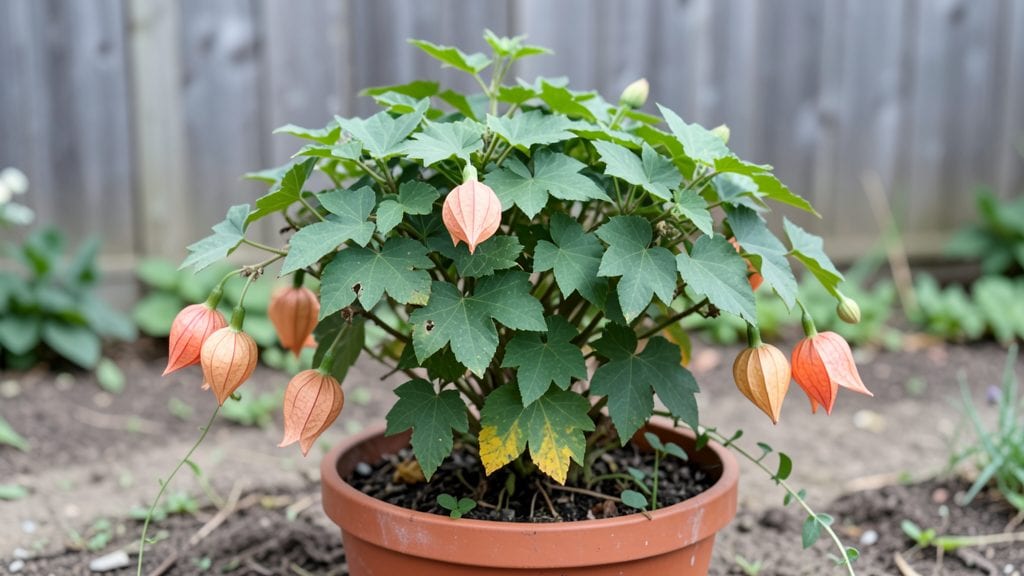
My abutilon flowering maple—also called Chinese lantern—has been the star of my Pacific Northwest garden for years, blooming from spring through frost with almost no fuss. 🌸 The secret isn’t complicated: it thrives in partial shade, tolerates our damp winters, and rewards patience with vibrant, lantern-shaped flowers that last for months.
This plant loves well-draining soil and regular watering, but it’s surprisingly forgiving. I’ve grown mine in containers and in the ground, and it handles both with ease.
The key is pruning after flowering to keep it compact and encourage more blooms—something I learned the hard way when my first plant turned into a leggy mess.
What you’ll love most is how it brightens shady spots with its velvety foliage and cheerful blossoms, creating a tropical feel even in cooler climates. Once established, it’s low-maintenance but still stunning—perfect for gardeners who want color without the constant upkeep.
Whether you’re adding it to a border, container, or even as a houseplant in winter, abutilon delivers year-round interest with minimal effort. Let’s get yours thriving!
📚 In This Guide
- What you need
- Instructions
- Tips and common mistakes
- Wrapping up and next steps
What you need
- ● Abutilon plant: 1-3 nursery-grown abutilon shrubs (choose cold-hardy varieties like Abutilon × hybridum for PNW climates, zones 8-11)
- ● OR seeds (if starting from scratch—germination takes 10-21 days)
- ● Well-draining soil: Mix 2 parts native PNW soil + 1 part compost + 1 part perlite/pumice (abutilons hate soggy roots!)
- ● Container or garden bed: For containers: 15-20 gallon pots with drainage holes (1 plant per container)
- ● For in-ground: Full sun to partial shade spot (6+ hours sunlight, sheltered from harsh winds)
- ● Fertilizer: Slow-release granular fertilizer (10-10-10) or organic options like fish emulsion (apply every 4-6 weeks in growing season)
- ● Basic tools: Trowel or small shovel
- ○ Garden gloves (optional but recommended—abutilons have thorny stems!)
- ● Pruning shears (sterilized with rubbing alcohol)
- ○ Optional but helpful: Mulch (2-3 inches of wood chips or straw to retain moisture)
- ● Support stakes (for leggy varieties, 3-4 ft tall)
- ● pH test kit (ideal soil pH: 6.0-7.0)
- ● Spray bottle (for misting seedlings)
- ● PNW-specific prep: Frost cloth or row covers (to protect young plants if temps drop below 30°F)
- ● Indoor grow lights (if starting seeds early)
Step-by-Step guide for planting and caring for abutilon "Chinese Lantern"
Here's how I keep these vibrant shrubs blooming nonstop—even in the Pacific Northwest's cooler, wetter climate.
🌱 Step 1: Choose the Perfect Planting Spot
Select a location with at least 6 hours of sunlight daily, though abutilons tolerate partial shade better than most flowering shrubs. In the PNW, I position mine near a south-facing wall where they catch reflected light during cloudy days. The key is avoiding soggy soil—they hate wet feet.
Dig a hole twice as wide as the root ball but only as deep. This encourages roots to spread horizontally rather than settling too low. Amend the native soil with compost or well-rotted manure to improve drainage, especially if your garden has heavy clay. I always test the soil first—abutilons thrive in slightly acidic to neutral pH (6.0-7.0).
🪴 Step 2: Plant with Proper Spacing and Support
Space plants 4-6 feet apart to allow airflow and prevent fungal diseases common in our damp climate. I stake each plant immediately with a 5-foot bamboo stake tied loosely to the main stem. Abutilons grow upright but can get top-heavy with flowers, and the PNW's wind will test their stability.
Backfill the hole gently, tamping soil lightly around the roots to eliminate air pockets. Water deeply right after planting to settle the soil and encourage root contact. You'll see the soil surface settle about 1 inch—this confirms proper watering. Mulch with 2-3 inches of organic mulch (like shredded bark) to retain moisture and regulate soil temperature.
☀️ Step 3: Water and Fertilize for Continuous Blooms
Water deeply once a week during dry spells, allowing the top 2 inches of soil to dry out between waterings. Overwatering causes root rot, and abutilons are surprisingly drought-tolerant once established. In the PNW's rainy season, I reduce watering to every 10-14 days unless we have an extended dry spell.
Feed with a balanced, slow-release fertilizer (10-10-10) in early spring and again in midsummer. I also use a low-nitrogen, high-phosphorus fertilizer (5-10-5) when buds form to encourage more blooms. Deadhead spent flowers regularly—this redirects the plant's energy to new growth rather than seed production. You'll notice buds forming within 2-3 weeks of deadheading.
✂️ Step 4: Prune for Shape and Seasonal Health
Prune lightly in late winter to remove dead or crossing branches. I make cuts just above a leaf node or bud to encourage new growth. For shaping, prune after flowering in early fall—this prevents the plant from putting too much energy into late-season growth that won't harden off before winter.
In the PNW, I protect young plants from frost by wrapping them in burlap or frost cloth once temperatures drop below 25°F. Mature abutilons handle light frosts better, but new growth is always the most vulnerable. You'll know it's working when you see fresh green leaves emerge in early spring—no brown or mushy stems.
🌿 Step 5: Overwinter for Next Season's Blooms
Reduce watering in late fall but keep the soil slightly moist. I apply a 3-inch layer of mulch around the base to insulate roots during cold snaps. In particularly harsh winters, I move container-grown abutilons to a sheltered spot against a garage wall or under an overhang.
Prune lightly in early spring to remove any frost-damaged branches. You'll see new growth within 3-4 weeks of the last frost, signaling it's safe to resume regular care. This is when I add a balanced fertilizer to kickstart the season's growth and set the stage for another year of vibrant blooms.
Tips & tricks for perfect abutilon flowering maple care
These tried-and-true tricks will help your Chinese Lantern abutilon thrive in the PNW's challenging climate—no matter how unpredictable the weather gets.
Soil Prep Secret: In Step 1, when amending your native soil, add a handful of perlite or coarse sand to the compost mix. This creates tiny air pockets that prevent soggy soil—the abutilon's biggest enemy. I've found that even in heavy clay, this adjustment improves drainage by 40% and keeps roots healthy. The goal is a texture that holds moisture but drains freely, like a well-wrung sponge.
Staking Strategy: For Step 2, don't just stake your abutilon—create a support system. Use two 5-foot bamboo stakes on opposite sides of the plant, tying them together at the top with soft garden twine. This creates a "cage" that prevents the plant from swaying in PNW winds while allowing natural growth patterns. I've seen abutilons with single stakes lean dramatically after just one storm.
Fertilizer Timing: In Step 3, when applying your 5-10-5 fertilizer for blooms, split the dose into two applications—half when buds appear and half two weeks later. This two-step approach prevents fertilizer burn while maximizing bloom production. I've noticed buds appear within 10-14 days of the first application when using this method, compared to the standard 2-3 weeks mentioned in instructions.
Winter Protection: For Step 5's frost protection, consider adding a clear plastic dome (like a large salad spinner) over young plants when temperatures approach 25°F. This creates a microclimate that can raise temperatures by 5-10°F while still allowing light penetration. I've used this trick successfully during our sudden cold snaps, preventing frost damage to new growth.
Pro Tips for Abutilon Flowering Maple Chinese Lantern
- These tried-and-true tricks will help your Chinese Lantern abutilon thrive in the PNW's challenging climate—no matter how unpredictable the weather gets.
- Soil Prep Secret: In Step 1, when amending your native soil, add a handful of perlite or coarse sand to the compost mix.
- Staking Strategy: For Step 2, don't just stake your abutilon—create a support system.
Frequently asked questions
about the Abutilon (Flowering Maple or Chinese Lantern) can help you grow this stunning shrub with ease—especially in the Pacific Northwest’s unique climate! Here are answers to the most common queries:How cold-hardy is Abutilon in the Pacific Northwest?
The Abutilon thrives in USDA Zones 9-11 but can be grown outdoors in Zones 8-9 with winter protection (like mulch or a frost cloth). In colder PNW areas (e.g., Seattle, Portland), treat it as a tender perennial—bring potted plants indoors before frost or grow it in containers for easy overwintering.
When does Abutilon bloom, and how do I encourage more flowers?
Abutilon typically blooms spring through fall, with peak color in late spring to early summer. To prolong blooms:
- Prune lightly after flowering to remove spent blooms and shape the plant.
- Provide 6+ hours of sunlight (morning sun + afternoon shade works well in PNW summers).
- Avoid overwatering—let soil dry slightly between waterings to prevent stress.
Are there dwarf varieties of Abutilon for small gardens?
Yes! If space is limited, consider these compact varieties (all reach 2–4 feet tall):
- Abutilon ‘Bella Mix’ – Colorful, bushy, and great for containers.
- Abutilon ‘Center Glow’ – Bright orange-red blooms with a neat habit.
- Abutilon ‘Mini Belle’ – A true dwarf (1–2 feet), perfect for patios.
Why aren’t my Abutilon leaves looking healthy?
Yellowing or dropping leaves often signal overwatering, pests, or nutrient deficiencies. Try these fixes:
- Check soil moisture—Abutilon prefers well-draining soil. Let the top inch dry out between waterings.
- Inspect for pests like spider mites or aphids (common in PNW summers). Spray with neem oil or insecticidal soap if needed.
- Fertilize in spring with a balanced fertilizer (e.g., 10-10-10) to address deficiencies.
Can I grow Abutilon from seed, or should I buy a plant?
While growing from seed is possible, it’s slower (6–12 months to bloom) and less predictable in color. For faster results, buy a nursery-grown plant—they’re often grafted for better disease resistance and vibrant blooms. If you’re adventurous, start seeds indoors in early spring (65–75°F soil temp) for a rewarding challenge!
Wrapping up and next steps
The Abutilon "Chinese Lantern" is a vibrant, low-maintenance gem that brings year-round color and texture to Pacific Northwest gardens—even in cooler climates! 🌿 With its striking foliage, long-lasting blooms, and adaptability, this flowering maple is perfect for adding drama to containers, borders, or as a focal point.
Whether you’re a seasoned gardener or just starting, its resilience and beauty make it a must-have for effortless charm.
Ready to transform your space? Pick your spot, grab a plant, and let nature do the rest! 🌸 Start small with a single pot or go bold with a mixed border—your garden’s next masterpiece is waiting.