Flowers
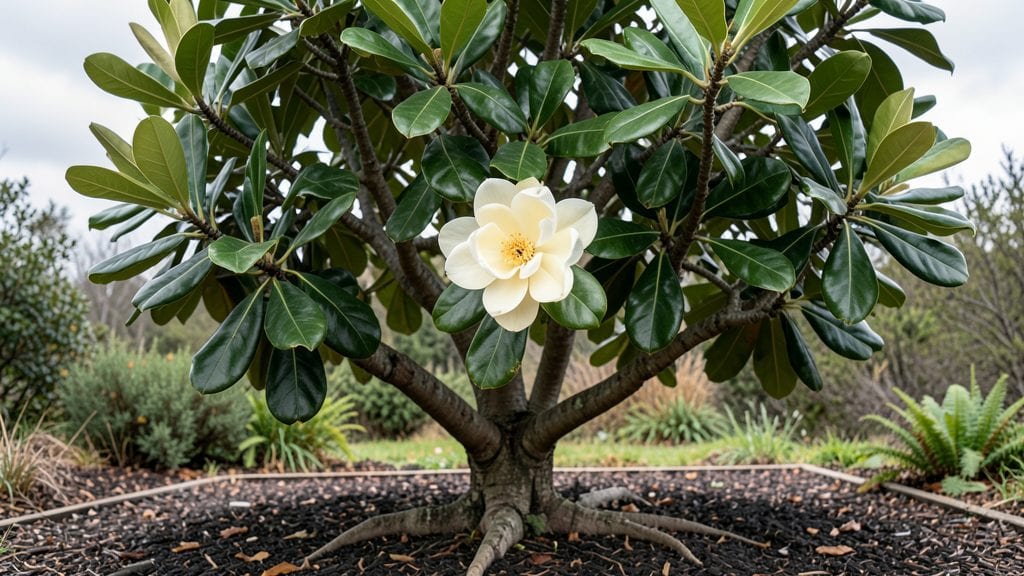
Growing a magnolia macrophylla flower in your Pacific Northwest garden means adding a living monument that outshines everything else. 🌿 These towering trees aren’t just beautiful—they’re fragrant, resilient, and built to thrive where summers are mild and winters are damp.
The secret lies in mimicking their native habitat: rich, acidic soil, morning sun, and protection from harsh afternoon winds.
You’ll need 6-8 feet of space for the roots to spread properly, but the payoff is worth it. Bigleaf magnolias develop those iconic glossy leaves—each one the size of your hand—and creamy white blooms that perfume the air in late spring.
They’re slow growers, so patience is key, but once established, they’ll reward you for decades with minimal fuss.
Think of them as the grand statement piece of your garden: fragrant, shade-providing, and deer-resistant. The flowers attract pollinators, the leaves create a lush canopy, and the bark adds winter interest. Just avoid heavy pruning—they bloom on old wood, so less is always more with these giants.
Perfect for large yards, parkways, or as a focal point near patios where you can enjoy their intoxicating scent up close. With the right site, they’ll grow into a legacy plant that future gardeners will envy. Here’s how to get started right.
📚 In This Guide
- What you need
- Instructions
- Tips and common mistakes
- Wrapping up and next steps
What you need
- ● Magnolia macrophylla plant: 1–2 nursery-grown saplings (3–5 years old, 6–10 ft tall) for faster establishment.
- ● OR bare-root seedlings (smaller, slower to mature).
- ● Well-draining soil: 6–8 cubic yards of loamy, acidic soil (pH 5.0–6.5). Mix in 20% organic matter (compost or peat moss).
- ○ Optional: Sulfur (1–2 lbs per 100 sq ft) to adjust pH if needed.
- ● Planting site: Full sun to partial shade (6+ hours of sunlight daily).
- ● Space: 20–30 ft apart (mature width: 15–25 ft).
- ● Mulch: 3–4 inches of wood chips or pine bark (keep 6 inches away from trunk).
- ● Watering supplies: Garden hose with soaker hose attachment or drip irrigation.
- ● 5–10 gallon watering can (for young plants).
- ● Fertilizer: Slow-release acid-loving plant fertilizer (e.g., 10-10-10 or 8-3-9 with micronutrients). Apply once in early spring.
- ● Pruning tools: Bypass pruners (for small branches).
- ● Loppers (for thicker stems).
- ● Sterilizing solution (70% isopropyl alcohol or bleach water).
- ○ Protective gear (optional but recommended):strong> Gloves (gardening or heavy-duty).
- ● Long sleeves/pants (thorn protection!).
- ● Soil test kit: Verify pH and nutrient levels before planting.
- ● Epsom salt: Add 1 tbsp per sq ft annually for magnesium boost.
- ● Tree stakes & ties: Support young trees in windy areas (remove after 1–2 years).
- ● Fungicide (copper-based): Preemptive treatment for powdery mildew in humid climates.
- ● Mulch volcano guard: Protects trunk from moisture buildup.
Step-by-Step guide to planting and cultivating magnolia macrophylla
This majestic tree thrives in Pacific Northwest climates—here’s how to establish it for decades of fragrant blooms.
🌱 Step 1: Select the Perfect Planting Site
Choose a location with partial shade to full sun, protecting the young tree from harsh afternoon rays. Magnolia macrophylla flourishes in well-draining, acidic soil with a pH between 5.0 and 6.5. In the Pacific Northwest, native woodland soils often meet these needs, but amend heavy clay with 2-3 inches of organic compost to improve drainage.
Dig a hole twice as wide as the root ball but no deeper. The top of the root ball should sit 1-2 inches above ground level to prevent waterlogging. Test the soil moisture before planting—it should feel damp but not soggy, as waterlogged roots cause root rot in these tropical natives.
🪴 Step 2: Plant with Care to Preserve Root Structure
Gently remove the tree from its container and loosen any circling roots with your fingers—never use a knife, as it can damage the delicate root system. Place the tree in the hole so the root flare (where roots meet the trunk) is visible above the soil line. This ensures proper airflow and prevents disease.
Backfill with native soil mixed with compost or peat moss to maintain acidity. Tamp the soil lightly around the base, creating a slight mound to encourage water to pool and absorb. Water deeply immediately after planting to settle the soil and eliminate air pockets. You’ll know it’s done right when the soil surface looks slightly damp but not glistening.
☀️ Step 3: Provide Consistent Moisture and Mulch
Water the tree 1-2 times per week for the first year, keeping the soil consistently moist but never waterlogged. Magnolia macrophylla’s roots are shallow, so focus on deep watering at the base rather than light surface watering. Use a rain gauge or your finger to check moisture—insert it 2 inches deep; if dry, water again.
Apply a 3-inch layer of mulch around the base, extending it 2 feet outward but keeping it 6 inches away from the trunk. Use pine bark or wood chips, which slowly break down and maintain soil acidity. Replenish mulch annually to protect roots from temperature fluctuations and retain moisture.
✂️ Step 4: Prune for Structure and Health
Prune only to remove dead, diseased, or crossing branches in late winter or early spring before new growth begins. Avoid heavy pruning, as magnolias bloom on old wood—cutting back too aggressively reduces next year’s flowers. Use sterilized pruning shears to make clean cuts just outside the branch collar.
Watch for signs of stress, like yellowing leaves or stunted growth, which may indicate overwatering, poor drainage, or nutrient deficiency. If leaves yellow, test soil pH and amend with sulfur or peat moss to lower it if needed. Fertilize lightly in early spring with an acid-loving plant fertilizer to support new growth.
⏰ Step 5: Monitor for Pests and Seasonal Adjustments
Magnolia macrophylla is relatively pest-resistant, but watch for scale insects or spider mites, which thrive in dry conditions. Spray affected areas with neem oil or insecticidal soap in early morning to avoid harming beneficial insects. Preventative care—like consistent watering and mulching—keeps the tree healthy and less vulnerable.
In the Pacific Northwest’s mild winters, young trees benefit from a light burlap wrap if temperatures drop below 20°F to protect tender bark. Older trees, once established, handle winter well. Enjoy the first blooms in 5-10 years, when the tree’s mature height of 40-60 feet makes it a true statement piece in your landscape.
Tips & tricks for perfect magnolia macrophylla cultivation
A few thoughtful strategies will help your magnolia macrophylla thrive for decades in Pacific Northwest gardens.
Soil Preparation: Before planting, conduct a simple soil test to confirm the pH is between 5.0 and 6.5. If your soil tests higher, incorporate 2-3 inches of peat moss or sulfur into the planting hole to lower the pH naturally. The tree's shallow roots will thank you for this acidity boost, especially in the first critical years. In Step 1, when amending heavy clay, consider adding pine fines instead of generic compost—they break down slowly and maintain that essential acidity.
Root Care Technique: When loosening circling roots in Step 2, focus on gently separating them with your fingers rather than cutting. These roots are delicate and can take years to recover from knife damage. I've seen magnolias struggle for seasons after root trauma—don't make my mistake. After planting, create a shallow basin around the base to direct water straight to the roots during the first 1-2 weeks of establishment.
Watering Wisdom: The 1-2 times per week guideline in Step 3 works best when you water deeply—aim for 1 gallon per week for young trees. Use a moisture meter to verify depth; at 2 inches down, the soil should feel like a damp sponge. In summer heatwaves, increase to 2-3 times per week and always water in the morning to prevent fungal issues. The key is consistent moisture without waterlogging.
Winter Protection: For that 20°F threshold in Step 5, I recommend wrapping young trees with burlap only if you're expecting prolonged cold snaps below freezing. Older trees develop natural cold resistance, but young bark is particularly vulnerable. Wrap loosely to allow airflow—tight wrapping can cause moisture buildup and bark damage. Remove the wrap in early spring once temperatures consistently stay above freezing.
Pro Tips for Magnolia Macrophylla Flower
- A few thoughtful strategies will help your magnolia macrophylla thrive for decades in Pacific Northwest gardens.
- Soil Preparation: Before planting, conduct a simple soil test to confirm the pH is between 5.0 and 6.5.
- Root Care Technique: When loosening circling roots in Step 2, focus on gently separating them with your fingers rather than cutting.
Frequently asked questions
How fast does Magnolia macrophylla grow, and how big will it get?
This magnolia is a slow but steady grower, adding 12–24 inches per year under ideal conditions. Mature trees can reach 60–80 feet tall with a spread of 20–30 feet—so plan ahead! Plant it in open spaces where its massive canopy won’t crowd structures or power lines.
When is the best time to plant Magnolia macrophylla?
For optimal root establishment, plant in early spring or fall when temperatures are mild. Avoid extreme heat or frost, which can stress young roots. If you’re in the Pacific Northwest, late March to early May or September to October are ideal windows. Water deeply after planting to encourage growth!
Why aren’t my Magnolia macrophylla flowers opening, or they’re sparse?
Several factors can affect flowering: age (young trees may take 5–10 years to bloom), light (they need full sun), or stress (overwatering, poor drainage, or pests). Check for magnolia scale or fungal issues, and ensure well-draining soil. If the tree is healthy but slow to flower, patience is key—these beauties reward long-term care!
Does Magnolia macrophylla tolerate wet soil, or does it need drainage?
While it thrives in the Pacific Northwest’s humid climate, poor drainage is its nemesis. Plant in slightly elevated areas or amend heavy clay soil with compost to prevent root rot. Mulch around the base (but avoid the trunk) to retain moisture while improving airflow. If your yard floods often, consider raised beds!
Are there smaller alternatives to Magnolia macrophylla for smaller gardens?
If space is limited, try these stunning (but more compact) magnolia cousins:
- Magnolia stellata: 15–25 ft tall, early spring blooms, cold-hardy.
- Magnolia ‘Black Tulip’: 15–20 ft, deep purple leaves, fragrant flowers.
- Magnolia ‘Nick’: Dwarf variety (10–15 ft), disease-resistant, great for containers.
Do Magnolia macrophylla flowers attract pollinators?
Their large, fragrant blooms are a magnet for bees, butterflies, and hummingbirds, especially in early spring. For extra pollinator appeal, plant near native shrubs like rhododendrons or viburnums. Just avoid pesticides—these visitors are essential for your garden’s ecosystem!
Wrapping up and next steps
The Magnolia macrophylla is a breathtaking addition to Pacific Northwest gardens, offering towering beauty and low-maintenance elegance. With the right care—sunlight, well-draining soil, and patience—you can cultivate this stunning tree and enjoy its fragrant, showy blooms for decades. 🌿✨
Ready to transform your garden? Start by selecting a prime spot, gathering your supplies, and following the steps outlined above. Whether you’re a seasoned gardener or a beginner, this majestic magnolia will reward your efforts with unmatched grandeur. Happy planting!