Transplanting
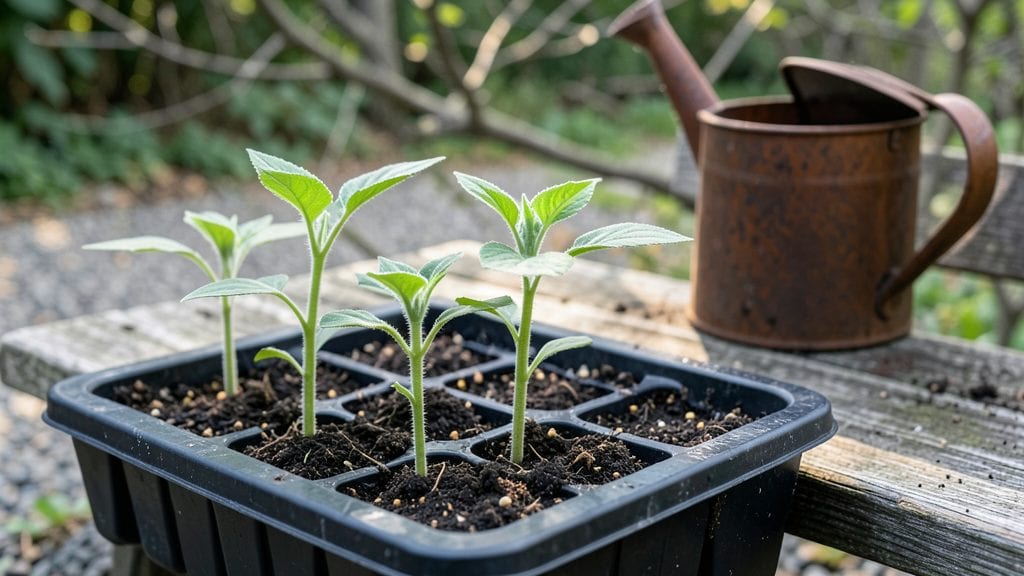
Growing mammoth sunflower seedlings that survive transplanting feels like cheating the odds—until you do it right. I’ve watched these towering giants emerge from scraggly starts into 12-foot monsters that shade my whole yard by summer, and it all begins with the first few weeks indoors.
The secret isn’t just patience; it’s knowing when to harden off those delicate stems so they don’t snap like twigs when moved outside.
Start seeds indoors 6-8 weeks before your last frost, using a light, airy mix that drains fast—sunflowers hate soggy roots. Plant them just ½-inch deep, no deeper, or they’ll rot before they sprout.
Keep the soil warm (70-75°F) with a heat mat if your windowsill runs cold, and expect germination in 7-14 days. The real test comes when seedlings hit 3-4 inches tall: that’s when you begin hardening them off for 10-14 days before transplanting.
What you’ll end up with is a sunflower so sturdy it barely sways in summer storms, with blooms that draw bees from 50 feet away. The first week after transplanting is critical—water deeply but let the soil dry slightly between soakings, or you’ll invite damping-off.
A 5-gallon bucket of compost mixed into the planting hole gives them the phosphorus boost they need for those massive stalks.
Even if you’ve lost seedlings before, this method works—I’ve done it in Zone 5 with no greenhouses, and the plants thrive. The key is treating them like the delicate giants they are: coddle them early, then let them stretch toward the sky.
Ready to grow your own sunflower skyscrapers?
📚 In This Guide
- What you need
- Instructions
- Tips and common mistakes
- Wrapping up and next steps
What you need
- ● Mammoth sunflower seeds: 5–10 seeds (choose cold-hardy varieties like Helianthus annuus ‘Russian Giant’ or ‘Mammoth’).
- ● Seed-starting mix: 1–2 gallons of sterile, well-draining potting soil (avoid garden soil—it’s too dense!).
- ● Seedling trays or pots: 4–6 individual cells (2–3 inches deep) or small biodegradable pots (2–3 inches in diameter).
- ● Grow lights or sunny windowsill: A full-spectrum LED grow light (12–16 hours/day) or a south-facing window with direct sunlight.
- ● Watering can or spray bottle: With a gentle nozzle to avoid disturbing seeds.
- ● Plastic wrap or humidity dome: To retain moisture while seeds germinate.
- ● Small hand trowel or spoon: For transplanting seedlings later.
- ○ Fertilizer (optional but helpful): A balanced, water-soluble fertilizer (5-10-5 ratio) or compost tea for young seedlings.
- ○ Heat mat (optional): If starting seeds indoors in cool climates (70–75°F for optimal germination).
- ● Garden gloves: To protect hands while handling soil or seedlings.
- ● Hardening-off supplies (for transplanting): A shaded outdoor area or cold frame to acclimate seedlings before moving them to the ground.
- ● Patience & a sunny spot: Mammoth sunflowers need 6+ hours of direct sunlight daily once transplanted!
Step-by-Step instructions for cold-hardy mammoth sunflower transplanting
Here’s how I prepare towering sunflower seedlings to thrive when transplanted into cooler spring soil.
Acclimate Seedlings to Outdoor Conditions
Begin hardening off your mammoth sunflower seedlings 10-14 days before transplanting. Start by placing them outside in a sheltered spot for 1-2 hours on the first day, gradually increasing exposure over 7-10 days. Choose a location with partial shade to protect tender leaves from intense afternoon sun.
Watch for new leaf growth—this signals the plant is adjusting well. If seedlings wilt or droop, they’re not ready. Mammoth sunflowers have deep taproots, so even slight stress during this phase can stunt growth later. I like to mist them lightly in the morning to maintain moisture without shocking the roots.
Prepare the Transplanting Site
Select a sunny, well-drained location with at least 6 hours of direct sunlight daily. Mammoth sunflowers need deep, loose soil—amend the area with 2-3 inches of compost mixed into the top 12 inches of soil. Avoid fresh manure, which can burn roots and cause uneven growth.
Space plants 18-24 inches apart in rows 2-3 feet apart to allow for their massive root systems and towering height. Use a garden trowel to dig holes just deep enough to accommodate the root ball without burying the stem. Loosen the sides of the hole to encourage root penetration into the surrounding soil.
Transplant Seedlings with Care
Gently remove each seedling from its container, keeping the root ball intact. If roots are circling, use your fingers to tease them outward—this prevents girdling and promotes stronger growth. Place the seedling in the hole so the top of the root ball sits level with the soil surface. Mammoth sunflowers hate being planted too deep, which can rot the stem.
Fill the hole with soil and firm it lightly around the base to eliminate air pockets. Water deeply to settle the soil and encourage root contact. Avoid overhead watering, which can spread disease. Instead, use a soaker hose or water at the base until moisture reaches 6-8 inches deep. You’ll know it’s right when the soil feels damp but not soggy.
Provide Support and Post-Transplant Care
Mammoth sunflowers often need staking or trellising to prevent toppling in wind or rain. Install 3-4 foot stakes or a strong trellis at the time of transplanting, securing the main stem with soft ties (like old T-shirts or plant tape). Avoid wire or anything that can cut into the stem as it thickens.
Water deeply 2-3 times per week, aiming for 1-1.5 inches of moisture per session. Check soil moisture by inserting your finger 2 inches deep—if it’s dry, water again. Fertilize lightly with a balanced 10-10-10 formula 4-6 weeks after transplanting to support vigorous growth without overstimulating foliage at the expense of flower production.
Tips & tricks for perfect mammoth sunflower transplanting
These cold-hardy sunflowers need extra care to reach their full towering potential—here’s how to give them the best start.
Hardening Off Strategy: During the 10-14 day hardening off period, I place seedlings in a sheltered spot that receives morning sun but afternoon shade. This gradual exposure mimics natural conditions and prevents sunburn. If you notice seedlings wilting during the 1-2 hour initial sessions, bring them back inside immediately—this indicates they’re not ready for that duration yet.
Root Ball Preservation: When transplanting in Step 3, maintain that intact root ball at all costs. Gently squeeze the container sides if roots are stubbornly clinging. I’ve learned the hard way that even slight root damage can set back these giants by weeks. The key is to handle them like delicate glass—firm but gentle pressure only.
Soil Preparation Secret: The 2-3 inches of compost mixed into the top 12 inches of soil isn’t just about nutrients—it’s about creating the perfect loose, airy medium these deep taproots crave. I like to use a garden fork to loosen the soil before mixing in compost, creating channels that encourage root penetration. This pays off big time when you see those massive roots spreading.
Watering Wisdom: After transplanting, that deep watering until moisture reaches 6-8 inches is critical. I use a moisture meter to verify—anything less and you risk shallow root systems that can’t support those towering stalks. The goal is to encourage roots to grow downward where they’ll find stability and nutrients.
Pro Tips for Mammoth Sunflower Seedlings
- These cold-hardy sunflowers need extra care to reach their full towering potential—here’s how to give them the best start.
- Hardening Off Strategy: During the 10-14 day hardening off period, I place seedlings in a sheltered spot that receives morning sun but afternoon shade.
- Root Ball Preservation: When transplanting in Step 3, maintain that intact root ball at all costs.
Frequently asked questions
Got questions about growing mammoth sunflower seedlings? You're not alone!
Here are answers to the most common ones to help you cultivate those towering beauties with confidence.
When is the best time to transplant mammoth sunflower seedlings?
Transplant your seedlings after the last frost when soil temperatures reach at least 50°F (10°C). Mammoth sunflowers are cold-hardy but thrive best in warm soil. Aim for late spring—typically 2–4 weeks after sowing indoors or when outdoor seedlings are 4–6 inches tall. If nights are chilly, use frost cloth for extra protection!
Can mammoth sunflower seedlings survive a light frost?
Yes! Mammoth sunflowers are more frost-tolerant than most varieties—young seedlings can handle 28–32°F (-2 to 0°C) without major damage. However, avoid transplanting during hard freezes (<20°F/-7°C). If frost is forecast, cover seedlings with row covers or cardboard to shield them. Their deep roots help them bounce back surprisingly well!
What’s the ideal spacing for mammoth sunflower seedlings in the garden?
Give your giants room to stretch! Plant seedlings 18–24 inches apart in rows spaced 3–4 feet apart to prevent overcrowding. Mammoth sunflowers can grow 10–15 feet tall, so proper spacing ensures strong stalks and fewer diseases. If space is tight, opt for dwarf mammoth varieties (6–8 feet tall) for a compact solution.
Why are my mammoth sunflower seedlings wilting or turning yellow?
Wilting or yellowing often signals overwatering, underwatering, or poor drainage. Check soil moisture—sunflowers prefer 1–1.5 inches of water per week but hate soggy roots. Yellow leaves can also mean nutrient deficiency (especially nitrogen) or fungal issues (like powdery mildew). Improve airflow, use well-draining soil, and fertilize lightly with a balanced 10-10-10 mix if needed.
Are there mammoth sunflower alternatives for smaller gardens?
If space is limited, try these compact mammoth sunflower varieties:
- ‘Moulin Rouge’ (6–8 feet tall, burgundy petals)
- ‘Russian Giant’ (8–10 feet, classic yellow)
- ‘American Giant’ (9–12 feet, disease-resistant)
Wrapping up and next steps
Growing mammoth sunflower seedlings into towering giants is a rewarding challenge—and with the right cold-hardy transplanting techniques, you’re well on your way! 🌻 By choosing the perfect timing, preparing your soil, and protecting young plants from chilly surprises, you’ll set the stage for sunflowers that reach new heights.
Now that you’re armed with expert tips, roll up your sleeves and get planting! Ready for the next step? Mark your calendar for early spring and start those seedlings indoors—your future sunflower skyline awaits!