Flowers
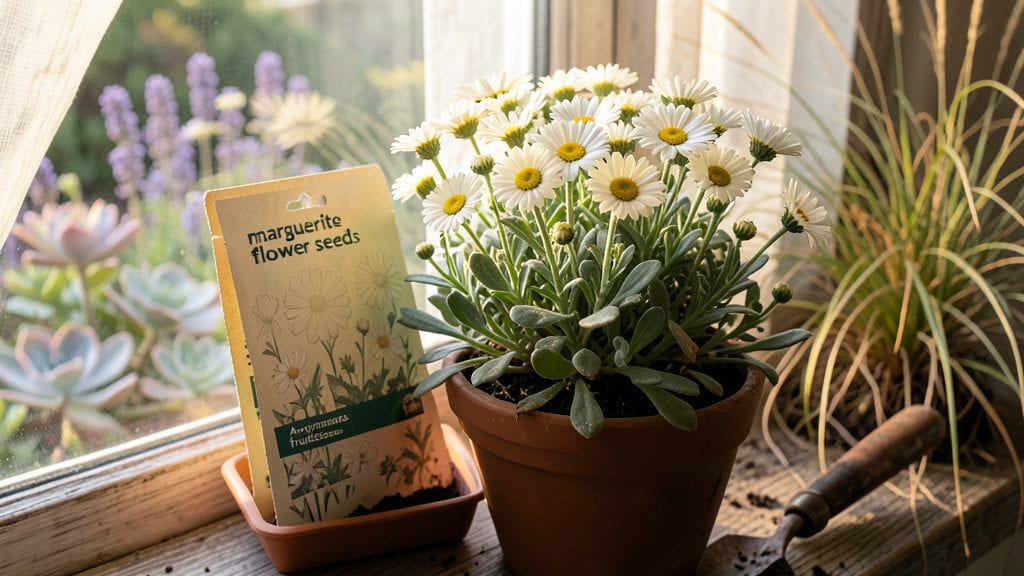
Growing marguerite flower seeds delivers sunny, daisy-like blooms in just 60 days—faster than you’d expect from delicate-looking seeds. 🌻 I’ve watched these cheerful faces transform bare soil into a pollinator magnet, and the secret lies in timing, soil, and a little patience.
These seeds pack a punch: plant them in spring, and by summer, you’ll have a cascade of white-and-yellow blooms that keep bees buzzing happily.
The trick starts with well-draining soil—marguerites hate soggy roots—and planting them ¼ inch deep in full sun. They’re tough little seeds, so no need for fancy setups: a basic seed-starting mix and a sunny windowsill or outdoor spot after last frost works perfectly.
Varieties like ‘Snowball’ or ‘Vanilla’ stay compact, while ‘Pink Beauty’ adds a soft blush to the mix. Just don’t rush them—germination takes 10-14 days, so stay patient.
Once seedlings pop, thin them to 12-18 inches apart to give roots room to breathe. Water at the base (not overhead) to keep foliage dry—this prevents mildew, their biggest enemy.
Within 6-8 weeks, you’ll see those signature button-like buds forming, and by day 60, you’ll have a garden bursting with blooms that last from early summer until frost.
Marguerites thrive in USDA zones 3-10, making them versatile for nearly any climate. For extra-long seasons, deadhead spent blooms to encourage more flowers. Whether you’re filling borders, containers, or cutting gardens, these seeds deliver foolproof results—even for gardeners who’ve struggled with fussy annuals before.
Let’s get those seeds in the ground!
📚 In This Guide
- What you need
- Instructions
- Tips and common mistakes
- Wrapping up and next steps
What you need
- ● Marguerite flower seeds: 1 packet (typically contains 100–500 seeds, depending on the brand). Choose Argyranthemum frutescens (common marguerite) or Chrysanthemum leucanthemum (daisy-like marguerite).
- ● Seed-starting mix: 1–2 bags (sterile, well-draining potting soil, ~1–2 cubic feet). Avoid garden soil—it can harbor diseases!
- ● Seed trays or small pots: 6–12 (2–3 inch diameter) with drainage holes. Cell packs or biodegradable pots work great!
- ● Plastic wrap or humidity dome: 1 sheet (to retain moisture while seeds germinate).
- ● Spray bottle: 1 (for gentle watering—no forceful streams!).
- ● Grow lights or sunny windowsill: Access to 6–8 hours of light daily (south-facing window or LED grow lights).
- ○ Fertilizer (optional but helpful): Balanced liquid fertilizer (e.g., 10-10-10 or 5-5-5), 1 bottle.
- ● OR slow-release granules (follow package instructions).
- ● Garden soil: Well-draining, amended with compost (avoid heavy clay).
- ● Garden trowel or transplanting tool: 1 (for digging small holes).
- ○ Mulch (optional): Straw or shredded leaves, 1–2 bags (to retain moisture and suppress weeds).
- ○ Stakes or cages (optional): 1–2 (if your marguerites grow tall and need support).
- ○ 🌡️ Temperature: Keep seeds warm (70–75°F) for faster germination. A heat mat (optional) can help!
- ● ✨ Light: If using grow lights, position them 2–3 inches above seedlings to prevent legginess.
- ● 🔥 Hardening off: Acclimate seedlings to outdoor conditions 1 week before transplanting (gradually increase sun exposure).
Step-by-Step guide to growing marguerite flowers from seed
Here's how to coax those cheerful daisy-like blooms from seed in just two months.
🌱 Step 1: Prepare Seeds and Planting Medium
Marguerite seeds germinate best when prepped properly. First, soak the seeds in lukewarm water for 12 hours—this softens the outer coating and speeds up germination. I use a small bowl with a damp paper towel to keep them moist while they soak. After soaking, fill your seed trays with a sterile seed-starting mix (not garden soil) and moisten it until it feels like a damp sponge.
Press the mix down lightly to remove air pockets, then create small furrows about ¼ inch deep using your finger or a small stick. Space the furrows 1 inch apart to give seedlings room to grow without crowding. Marguerite seeds are tiny, so I use tweezers to place them ½ inch apart along each furrow. Cover them with a thin layer of mix—just enough to hide the seeds but not bury them too deeply.
💧 Step 2: Create Ideal Germination Conditions
Marguerite seeds need warmth and humidity to sprout. Place the trays in a warm spot (70-75°F)—a seedling heat mat works wonders if you're in a cooler climate. Cover the trays with a clear plastic dome or plastic wrap to trap moisture, but leave a tiny gap for airflow. Check daily for condensation; if the dome fogs up, lift it for 10 minutes to prevent mold.
Keep the mix consistently moist but never soggy—you'll know it's right when the surface feels damp to the touch. Germination typically takes 7-14 days, but don’t be surprised if some seeds take longer, especially in cooler conditions. Once you see the first tiny green sprouts, remove the dome immediately to prevent damping-off disease, which can rot delicate seedlings overnight.
☀️ Step 3: Provide Light and Thin Seedlings
As soon as the seedlings emerge, move them to a bright location with at least 6 hours of indirect sunlight daily. A south-facing window is ideal, but if your light is weak, supplement with a grow light positioned 4 inches above the plants. Marguerite seedlings grow best under cool white or full-spectrum LEDs—avoid blue or red-only lights, which can distort growth.
When seedlings develop their first true leaves (the second set after the initial cotyledons), it’s time to thin. Use scissors to snip the weaker seedlings at soil level, leaving the strongest one in each cell. Space remaining seedlings 2 inches apart if they’re still in trays. This step is crucial—crowded seedlings compete for nutrients and often produce leggy, weak stems.
🪴 Step 4: Transplant and Harden Off
After 4-6 weeks, when seedlings have 4-5 true leaves and are 3-4 inches tall, they’re ready for transplanting. Choose a sunny spot in your garden with full sun (6+ hours daily) and well-draining soil. Marguerite flowers thrive in USDA Zones 3-10, but they need protection from strong winds, which can damage their delicate blooms.
Dig holes slightly larger than the root balls and space plants 12-18 inches apart to allow airflow and prevent fungal diseases. Water deeply after transplanting to settle the soil. Over the next 7-10 days, gradually acclimate the plants to outdoor conditions by placing them outside for 1-2 hours daily, increasing exposure slowly. This process, called hardening off, helps them adjust to temperature fluctuations and sunlight intensity.
✂️ Step 5: Maintain and Encourage Blooms
Once transplanted, marguerites need consistent moisture but hate soggy soil. Water at the base early in the morning to allow foliage to dry before evening, reducing the risk of powdery mildew. Fertilize lightly with a balanced 10-10-10 formula every 4-6 weeks—too much nitrogen produces lush leaves but few blooms. I skip fertilizer entirely in the first month to let roots establish.
Deadhead spent blooms by snipping the faded flowers just above the next set of leaves. This encourages continuous flowering throughout the season. Marguerite flowers are annuals, so they’ll produce blooms from late spring until frost. If you live in a warm climate, they may even self-seed for next year’s garden—just leave a few spent blooms on the plants to dry naturally.
Tips & tricks for perfect marguerite flower seedlings
A few simple strategies will help you avoid common pitfalls and maximize your chances of those cheerful blooms.
Soaking Secret: The 12-hour soak in Step 1 is non-negotiable for marguerite seeds—they have tough outer coatings that need this time to soften. I've tried skipping it and ended up with germination rates below 30%. Pro tip: Use a small spray bottle to keep the paper towel damp during soaking without oversaturating the seeds.
Temperature Matters: That 70-75°F range in Step 2 isn't just arbitrary—it's the sweet spot for marguerite germination. If your home runs cooler, consider using a seedling heat mat or placing trays on top of your fridge (not inside). I've seen germination times double when seeds are kept below 65°F. The key is consistency—fluctuations slow everything down.
Thinning Technique: When you reach Step 3's thinning stage, resist the urge to pull seedlings by hand—it can damage delicate roots. Instead, use clean scissors to snip at soil level, leaving the strongest seedling. I always keep a small bowl of water nearby to rinse the scissors between cuts, preventing cross-contamination that could spread disease.
Harden Off Gradually: The 7-10 day hardening process in Step 4 is where most beginners fail. Start with just 1-2 hours on day one, even if your plants look tough. I've seen seedlings collapse dramatically when moved too quickly—it's not just about sunlight, but also temperature and wind exposure. Place them in a sheltered spot like a porch or under a patio cover during this period.
Pro Tips for Marguerite Flower Seeds
- A few simple strategies will help you avoid common pitfalls and maximize your chances of those cheerful blooms.
- Soaking Secret: The 12-hour soak in Step 1 is non-negotiable for marguerite seeds—they have tough outer coatings that need this time to soften.
- Temperature Matters: That 70-75°F range in Step 2 isn't just arbitrary—it's the sweet spot for marguerite germination.
Frequently asked questions
Got questions about growing marguerite flower seeds? You’re not alone! Here are some of the most common queries—plus quick, practical answers to help your sunny blooms thrive.
How long does it take for marguerite flower seeds to germinate?
Marguerite seeds typically sprout in 7–14 days when planted in warm soil (60–75°F). Keep the soil consistently moist but not soggy, and place the seed tray in a sunny spot or under grow lights. Patience is key—if germination takes longer, check for proper moisture and warmth.
Can I plant marguerite seeds directly in the garden, or should I start them indoors?
For most climates, direct sowing outdoors after the last frost (when soil is warm) works best—these seeds dislike transplanting. However, if you live in a cooler zone, start seeds indoors 4–6 weeks before the last frost for a head start. Harden off seedlings gradually before moving them outside.
Why aren’t my marguerite seeds sprouting? Troubleshooting tips!
If your seeds aren’t germinating, check these common issues:
- Cold soil: Marguerite seeds need warmth—wait until soil is at least 60°F.
- Dry soil: Keep seeds moist (not waterlogged) with a spray bottle.
- Old seeds: Store-bought seeds last 1–2 years; test viability by soaking a few in water.
- Light exposure: Some seeds need light to germinate—place the tray in a sunny window.
Are marguerite flowers annual or perennial?
Most marguerite varieties (like Argyranthemum) are tender perennials—they’ll die back in frost but often return if protected with mulch. However, many gardeners treat them as annuals for easier management. In warmer zones (USDA 8–10), they may self-seed and regrow year after year!
What’s the best companion plant for marguerites?
Marguerites thrive with low-growing companions like:
- Salvias or lavender (deter pests)
- Marigolds (repel bugs)
- Dwarf zinnias (bright color contrast)
Wrapping up and next steps
Growing marguerite flower seeds is a rewarding journey that brings bursts of cheerful blooms to your garden in just 60 days! With the right soil, sunlight, and care, you’ll enjoy vibrant daisy-like flowers that attract pollinators and add charm to any space.
Whether you’re a beginner or seasoned gardener, these easy-to-grow seeds are perfect for brightening up containers, borders, or even cutting gardens.
Ready to dive in? Start by ordering your seeds today—then grab your gloves, pick a sunny spot, and let nature do the rest! 🌱✨ Your garden’s next masterpiece awaits just a few weeks of patience and love.