Flowers
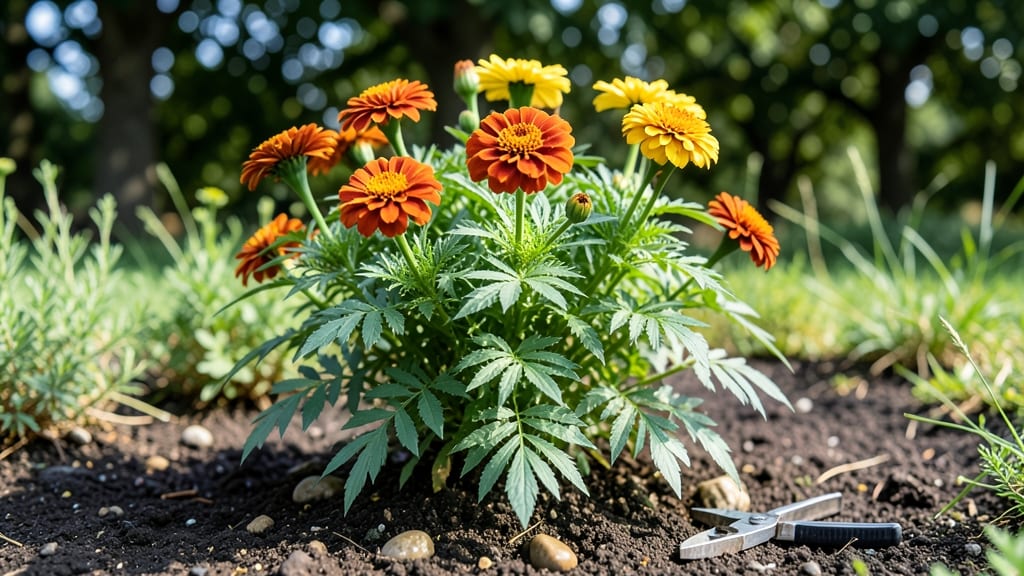
The vibrant marigold flower colour of golden yellow blooms instantly turns any garden into a sunlit haven—just look how they banish dullness and bring summer alive. how they pair with other plants.
The right marigold shade can make your garden feel warm, energetic, or even elegant, depending on what you combine them with.
Beyond the classic golden yellow, marigolds come in fiery oranges, deep reds, and soft creams, each bringing its own vibe to your space. A single pot of orange marigolds next to lavender creates a striking contrast, while pale yellows blend beautifully with white roses for a dreamy look.
The best part? Their colors deepen as the season progresses, giving you free seasonal updates without extra work.
You’ll notice how marigolds make other flowers pop—purples look richer, blues feel cooler, and even greens seem fresher when they’re nearby. Plant them along pathways to guide visitors with cheerful splashes of color, or use them as edging to define garden beds.
The effect is instant: your space feels more alive, more intentional, and utterly inviting.
Whether you’re working with a small container or a full border, marigolds adapt effortlessly. Try mixing heights and shades for texture, or let them stand alone as a bold statement. The key is playing with what you already have—your garden’s personality will shine through the colors you choose.
📚 In This Guide
- What you need
- Instructions
- Tips and common mistakes
- Wrapping up and next steps
What you need
- ● Marigold seeds or seedlings: French marigolds (e.g., 'Bonanza' or 'Janie'): 12–24 seeds per plant (or 6–12 seedlings)
- ● African marigolds (e.g., 'Crackerjack' or 'Tangerine'): 6–12 seeds per plant (or 3–6 seedlings)
- ● Well-draining potting mix or garden soil: 1–2 bags (10–20 lbs each) with a pH of 6.0–7.5
- ● Containers or garden bed: Containers: 6–12-inch pots (1–2 per plant) with drainage holes
- ● Garden bed: Full sun (6+ hours/day) and loose, fertile soil
- ● Compost or organic fertilizer: 1–2 cups (balanced 10-10-10 or slow-release granules)
- ● Hand trowel or transplanting spade (for digging)
- ● Watering can or hose with a gentle spray nozzle (avoid overwatering!)
- ○ Gloves (optional) for handling soil or thorny stems
- ● Pruning shears (for deadheading or shaping)
- ○ Mulch (optional): Straw or shredded leaves (1–2 inches) to retain moisture
- ● 🌡️ Climate check: Marigolds thrive in USDA Zones 2–11—start seeds indoors 4–6 weeks before last frost!
- ● ✨ Color boost: Add a pinch of lime to soil for richer yellow-orange hues.
- ● 🎯 Spacing: Plant seeds ½ inch deep, 12–18 inches apart (or 6–12 inches for dwarf varieties).
How to cultivate vibrant golden yellow marigolds in your garden borders
Golden yellow marigolds don't just happen—they thrive with the right care. Here's my method for coaxing those stunning blooms that gardeners love.
Choose the Right Variety for Golden Yellow Blooms
Not all marigolds produce golden yellow flowers—stick to French marigolds like 'Bonanza Gold' or 'Tangerine Gem' for true golden hues. These varieties consistently deliver the rich, sunny color that brightens borders. I always check seed packets for color descriptions before buying, because even 'golden' can sometimes lean toward orange.
Start with healthy, disease-free seeds or transplants from a reputable nursery. Avoid bargain seeds from unknown sources—you'll often get weak, inconsistent colors that don't match the packet. For best results, plant in early spring after your last frost date, when soil temperatures reach at least 60°F. This ensures strong root development before summer heat arrives.
Prepare Full-Sun Planting Sites with Well-Draining Soil
Marigolds demand 6-8 hours of direct sunlight daily for those signature golden blooms. I plant mine along the south or west sides of borders where they'll get maximum exposure. Test your soil first—marigolds prefer slightly acidic to neutral soil (pH 6.0-7.0), and they hate soggy roots.
Amend heavy clay soil with 2-3 inches of compost or sand to improve drainage. I mix in a balanced 5-10-10 fertilizer at planting time to give them a nutrient boost. Space plants 12-18 inches apart—crowding leads to leggy stems and fewer blooms. The more room they have, the bigger and brighter those golden flowers will grow.
Water Consistently and Deadhead Regularly
Keep soil evenly moist but never waterlogged—marigolds wilt quickly when thirsty but also rot if overwatered. Water at the base in the morning to prevent fungal diseases. I check moisture by sticking my finger 1 inch into the soil—if it feels dry, that's when to water. During hot spells, you may need to water every 2-3 days, but adjust based on rainfall.
Here's the secret to continuous golden blooms: deadhead spent flowers weekly. Pinch off faded blooms with your fingers or snip them with clean scissors. This redirects the plant's energy from seed production to creating more vibrant flowers. I always deadhead in the morning when flowers are dry—wet stems invite disease.
Protect from Pests and Maintain Healthy Growth
Marigolds naturally repel many pests, but aphids and spider mites can still attack. I spray plants with neem oil at the first sign of trouble, repeating every 7-10 days if needed. The golden color makes them more attractive to pollinators, so avoid chemical pesticides that could harm bees and butterflies.
Fertilize again after the first flush of blooms with a low-nitrogen, high-phosphorus formula (like 5-10-10) to encourage more flowers. I never fertilize after midsummer—it promotes leafy growth over blooms. Instead, focus on removing spent flowers and keeping plants healthy through regular watering.
Extend the Blooming Season with Proper Care
To keep marigolds flowering until frost, I cut back leggy stems by one-third in early fall. This stimulates new growth and prevents the plants from becoming woody. I also mulch around the base with 2 inches of straw to protect roots from temperature swings and retain moisture.
Watch for color fading as days shorten—this is normal. The golden hue will deepen in cooler fall weather. If you live in a mild climate, marigolds may even rebloom in spring. Save seeds from your best-performing plants by letting a few flowers mature fully before harvesting the seed heads.
Tips & tricks for perfect golden yellow marigold blooms
Here's what nobody tells you about growing marigolds that pop with true golden color.
Variety Matters: The golden hue you're after only comes from specific French marigold varieties like 'Bonanza Gold' or 'Tangerine Gem'. I've learned this the hard way—regular marigolds often produce orange or yellow-orange blooms that lack that rich, buttery gold. Always double-check seed packets for true golden descriptions, as even "golden" can sometimes be misleading.
Sunlight Secret: Those 6-8 hours of direct sunlight are non-negotiable for vibrant golden blooms. I plant mine along south-facing borders where they get maximum exposure. If your garden gets less sun, consider using containers that you can move to follow the sun's path throughout the day. The more sunlight, the more intense that golden color becomes.
Soil Science: The pH 6.0-7.0 range is crucial—marigolds in acidic soil often produce duller colors. I test my soil before planting and amend with lime if needed. For heavy clay soil, that 2-3 inches of compost isn't just about drainage—it also helps maintain the proper pH balance that supports those golden hues. The better the soil, the more vibrant the flowers.
Deadheading Discipline: That weekly deadheading isn't just about more flowers—it's about maintaining color intensity. When you remove spent blooms, you're telling the plant to focus its energy on producing fresh, vibrant golden flowers rather than developing seeds. I always do this in the morning when flowers are dry to prevent any moisture-related issues that could dull the color.
Pro Tips for Marigold Flower Colour
- Here's what nobody tells you about growing marigolds that pop with true golden color.
- Variety Matters: The golden hue you're after only comes from specific French marigold varieties like 'Bonanza Gold' or 'Tangerine Gem'.
- Sunlight Secret: Those 6-8 hours of direct sunlight are non-negotiable for vibrant golden blooms.
Frequently asked questions
Got questions about marigold flower colors?
Here are some of the most common ones—plus quick answers to help you grow the brightest, boldest blooms in your garden!
Why do some marigolds lose their vibrant color over time?
Marigolds fade due to sun exposure, heat stress, or nutrient depletion. For golden yellow varieties, ensure they get 6+ hours of sunlight daily and mulch to retain moisture. A balanced fertilizer (like 10-10-10) every 4-6 weeks keeps colors vivid. Overwatering can also dull petals—let soil dry slightly between waterings!
Can I change a marigold’s color by planting it in a specific spot?
No—marigold colors are genetically set (e.g., French marigolds stay golden yellow, while African types lean orange-red). However, location affects intensity: Full sun (6+ hours) deepens hues, while shade may mute them. For extra vibrancy, pair with blue or purple flowers (like salvias) to make yellows pop!
How long do marigolds keep their bright color before blooming?
Most marigolds show golden yellow buds 4-6 weeks after planting (faster in warm climates). Buds darken slightly before opening, then bloom for 2-3 weeks per flower. Deadhead spent blooms to encourage non-stop color—snip stems just above a leaf to trigger new growth!
What’s a good alternative if I want yellow flowers but marigolds don’t thrive in my climate?
Try these golden yellow garden stars:
- Black-eyed Susan (drought-tolerant, long-blooming)
- Coreopsis (sun-loving, butterfly magnet)
- Calendula (edible, pest-repellent, bi-color options)
- Zinnia (fast-growing, great for cut flowers)
Why do my marigold leaves turn yellow before the flowers even open?
Yellow leaves often signal overwatering, root rot, or nutrient issues. Check soil moisture—marigolds prefer well-draining beds. If roots smell sour or look mushy, repot in fresh soil. Yellowing can also mean nitrogen overload—switch to a phosphorus-heavy fertilizer (like 5-10-5) to boost blooms over foliage.
Pro tip: For year-round color, plant Tagetes erecta (African marigolds) in fall—they bloom until frost! Pair with orange or cream flowers for a sun-kissed border.
Wrapping up and next steps
The marigold flower’s golden yellow hue isn’t just a burst of sunshine—it’s a symbol of warmth, resilience, and natural beauty that can transform any garden into a vibrant retreat.
Whether you’re drawn to its pest-repelling magic, its symbolic meanings, or simply its cheerful presence, marigolds prove that even the simplest blooms can make a bold statement. 🌻
Ready to bring this golden charm into your outdoor space? Start small—plant a few marigolds in pots or along your garden border—and watch as their bright colors inspire joy and creativity. Let your garden glow with confidence!