
Flowers
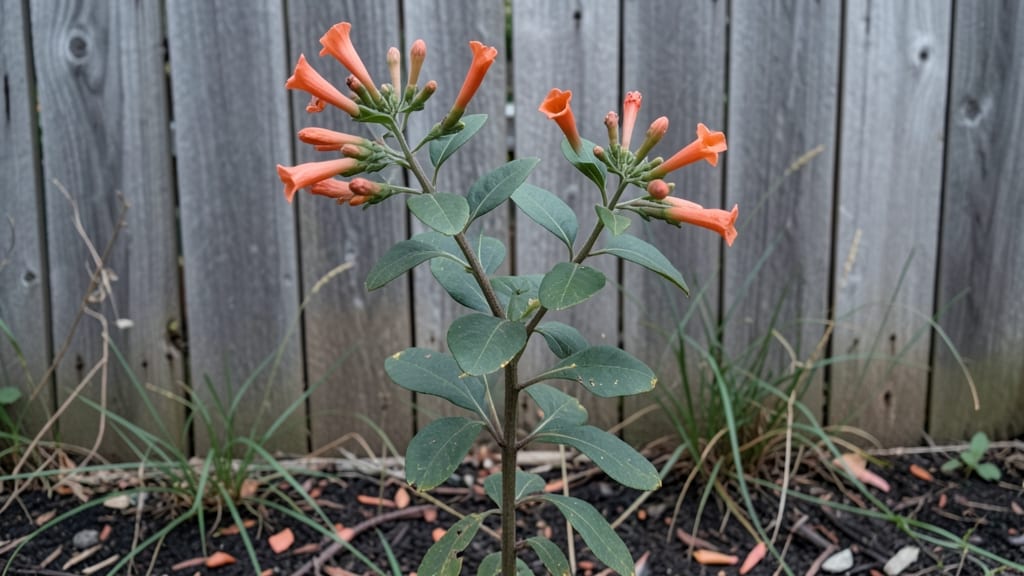
Growing the Marvel of Peru flower (Mirabilis jalapa) is like bringing a burst of tropical color to your garden—even when frost threatens. These hardy perennials thrive in zones 8-11 but can bounce back from light freezes, making them perfect for cooler climates where other tender blooms fail.
The secret lies in their deep roots and adaptability, which means less fuss and more vibrant blooms in shades of pink, white, and purple that glow at dusk.
Start with well-draining soil mixed with compost—they love it rich but won’t tolerate soggy roots. Plant in full sun to partial shade, and water deeply once a week, letting the soil dry slightly between waterings.
The real magic happens when you let them spread naturally; their tuberous roots make them nearly indestructible once established. Even my first attempt—where I nearly drowned the roots—ended with a thriving patch by summer’s end.
By midsummer, you’ll be rewarded with clusters of trumpet-shaped flowers that perfume the evening air and attract hummingbirds. The plants grow 2-3 feet tall, making them ideal for borders, containers, or even as a living mulch to suppress weeds.
Their ability to self-seed means you’ll have new volunteers popping up year after year, creating a low-maintenance display that keeps giving.
If frost hits, simply cut back the foliage to the ground—the tubers will survive and regrow in spring. For colder zones, dig up and store tubers indoors over winter.
Whether you’re filling gaps in your garden or adding a fragrant, long-blooming focal point, these flowers are the ultimate carefree beauty for patient gardeners.
📚 In This Guide
- What you need
- Instructions
- Tips and common mistakes
- Wrapping up and next steps
What you need
- ● Marvel of Peru seeds: 10–20 seeds (or 1–2 starter plants from a nursery). Opt for organic, non-GMO seeds for the best results!
- ● Well-draining potting mix: 5–10 lbs (2–5 kg). A blend of cactus/succulent mix (60%) + perlite or coarse sand (40%) works wonders.
- ● Containers or garden beds: For pots: 6–12-inch diameter containers (1–2 plants per pot) with drainage holes.
- ● For in-ground planting: Full-sun spots with loose, rocky soil (or amend clay soil with compost).
- ● Slow-release fertilizer: 1 lb (0.5 kg) of 10-10-10 NPK or organic options like worm castings.
- ● Watering can or hose with a gentle spray nozzle: Avoid soggy soil—these beauties hate wet feet!
- ● Pruning shears: Small, sharp pair for trimming dead blooms or leggy stems.
- ● Mulch: Straw or gravel to retain moisture and regulate soil temp.
- ● Grow lights (for indoor setups): LED full-spectrum bulbs if natural light is limited.
- ● Epsom salt: 1 tbsp (15g) dissolved in water monthly for magnesium boosts.
- ● Frost cloth: Lightweight fabric to protect young plants in chilly zones (USDA 5–9).
- ● Stakes or trellis: If growing the trailing varieties (e.g., ‘Variegata’).
Step-by-Step guide to reviving Marvel of Peru flowers in cool climates
Here's how to coax vibrant blooms from this hardy perennial even when frost threatens.
Select the Right Location for Frost Resistance
Marvel of Peru thrives in USDA zones 4-8, making it one of the few flowers that tolerate light frost. Choose a spot with full sun exposure—at least 6-8 hours daily—where the soil stays well-drained. I always test drainage first by digging a 6-inch hole, filling it with water, and watching how quickly it drains. If water lingers beyond 30 minutes, amend the soil with 2-3 inches of coarse sand or perlite to improve drainage.
This flower’s secret weapon is its deep root system, which helps it survive winter. Plant in areas where the ground stays slightly elevated—avoid low spots where cold air pools. If your yard has heavy clay soil, mix in 1 part compost to 3 parts native soil before planting to prevent root rot, which can be fatal in cool, damp conditions.
Plant at the Correct Depth and Spacing
Dig a hole twice as wide as the root ball but only as deep as the container’s base. Marvel of Peru dislikes being buried too deep, which can suffocate its roots. Gently loosen the root ball if it’s tightly packed before placing it in the hole. Space plants 18-24 inches apart—this gives them room to establish strong roots and prevents overcrowding, which weakens frost resistance.
Fill the hole with soil, pressing lightly to remove air pockets but avoiding compaction. Water deeply right after planting to settle the soil and encourage root spread. You’ll know you’ve done it right when the soil surface looks slightly firm but not rock-hard. Mulch around the base with 2-3 inches of shredded bark or straw, keeping it 3 inches away from the stem to prevent rot while insulating roots.
Water Strategically for Frost Hardiness
Water deeply once a week during the first growing season, ensuring the soil stays evenly moist but not soggy. Marvel of Peru’s roots need to develop deeply to survive winter, so avoid shallow watering that encourages weak, surface roots. Check moisture by sticking your finger 2 inches into the soil—if it feels dry, it’s time to water. In cooler climates, reduce watering in late summer to every 10-14 days to toughen the plant before frost.
Never water in the evening or after dark, as damp foliage can freeze and damage the plant. Instead, water early in the morning so leaves have time to dry before temperatures drop. If a hard freeze is forecast, give the plants a deep watering 2-3 days beforehand—this helps the roots absorb moisture and prepares them for dormancy.
Prune for Winter Survival and Spring Blooms
After the first frost, cut back dead or damaged stems to 2-3 inches above the ground using clean, sharp pruners. This encourages new growth in spring and prevents disease from lingering in old foliage. Avoid heavy pruning in late fall, as the plant needs some foliage to photosynthesize and store energy for winter. I always prune on a dry, sunny day to reduce stress on the plant.
In early spring, remove any remaining dead stems and trim back any growth that looks weak or leggy. Fertilize lightly with a balanced, slow-release fertilizer (10-10-10) to support new growth. Marvel of Peru blooms on old wood, so avoid heavy pruning once flowers appear. Instead, deadhead spent blooms to encourage more flowers and keep the plant looking tidy.
Protect from Late Frost and Encourage Repeat Blooming
If late frost threatens after buds form, cover the plants with frost cloth or lightweight row covers in the evening and remove them in the morning. Marvel of Peru can handle light frost, but tender buds may be damaged if temperatures drop below 25°F. I’ve found that securing the covers with bricks or stakes prevents them from blowing off in windy conditions.
To encourage repeat blooming, feed the plants with a low-nitrogen, high-phosphorus fertilizer (like 5-10-10) after the first flush of flowers fades. This promotes stronger root growth and more abundant blooms. Water consistently but avoid overwatering, as soggy soil can lead to root rot, especially in cool, damp climates. With proper care, Marvel of Peru will reward you with vibrant blooms from early summer through fall, even in cooler regions.
Tips & tricks for perfect Marvel of Peru flower revival
These simple yet powerful tips will help you transform your Marvel of Peru into a resilient, blooming beauty that thrives even in chilly climates.
Soil Prep Secret: When testing drainage in Step 1, don't just check for 30 minutes—watch for the first 10 minutes too. If water drains too quickly (within 5 minutes), you'll need to add organic matter to retain moisture. I've found that mixing in 1 part compost to 3 parts native soil creates the perfect balance for Marvel of Peru's deep roots. This plant hates soggy soil but also needs consistent moisture to establish properly.
Planting Depth Matters: In Step 2, that 2-3 inch spacing above the stem for mulch is crucial—too close and you risk rot, too far and you lose insulation. I always use a ruler to mark the 3-inch clearance before applying mulch. Also, if your root ball is particularly large, consider planting slightly deeper than the container's base (up to 1 inch deeper) to provide extra stability against wind, which is common in cool climates.
Watering Wisdom: The 2-inch soil moisture check in Step 3 is your best friend. I've learned this the hard way—overwatering in cool climates leads to root rot faster than you'd think. For the deep watering 2-3 days before freeze, use a rain gauge or measuring cup to apply 1-1.5 inches of water to ensure thorough saturation without creating puddles. This pre-freeze watering is what helps the roots store moisture for winter.
Pruning Precision: When pruning in Step 4, those 2-3 inches above ground are non-negotiable. I've seen too many gardeners cut too low, which can damage the plant's ability to regenerate. Use clean pruners and make cuts at a 45-degree angle just above a leaf node to encourage new growth. For the 10-10-10 fertilizer, I recommend applying it in early spring when new growth appears, not before—this gives the plant energy to establish before flowering.
Pro Tips for Marvel Of Peru Flower
- These simple yet powerful tips will help you transform your Marvel of Peru into a resilient, blooming beauty that thrives even in chilly climates.
- Soil Prep Secret: When testing drainage in Step 1, don't just check for 30 minutes—watch for the first 10 minutes too.
- Planting Depth Matters: In Step 2, that 2-3 inch spacing above the stem for mulch is crucial—too close and you risk rot, too far and you lose insulation.
Frequently asked questions
Got questions about growing the stunning Marvel of Peru flower? You’re not alone—this frost-resistant beauty has a few quirks! Here are some of the most common queries to help you cultivate success.
Can Marvel of Peru flowers survive freezing temperatures?
The Marvel of Peru (Adesmia boronioides) is one of the few flowers that thrives in USDA zones 5-9, making it a standout for cool climates. While it tolerates light frosts down to 15°F (-9°C), heavy snow or prolonged sub-zero temps may damage foliage—but the roots often bounce back. Mulch heavily in winter for extra protection!
When is the best time to plant Marvel of Peru seeds or cuttings?
For seeds, sow in early spring (after the last frost) or late summer for a fall bloom. Cuttings root best in late spring to early summer when temperatures are warm but not scorching. Pro tip: Soak seeds overnight to soften the hard outer shell and improve germination rates!
How do I protect Marvel of Peru from early frost or late snow?
Use row covers or burlap wraps to shield young plants. For established shrubs, pile 4-6 inches of straw or leaves around the base to insulate roots. Avoid plastic—it traps moisture and can rot stems. If snow blankets the plant, gently brush it off to prevent mold.
Are there any alternatives to Marvel of Peru for frost-hardy flowers?
If you love resilient blooms, try these low-maintenance, cold-tolerant options:
- Russian Sage (Perovskia atriplicifolia) – Drought-proof and thrives in zones 5-9.
- Catmint (Nepeta spp.) – Fragrant, deer-resistant, and blooms repeatedly.
- Butterfly Bush (Buddleja davidii) – Hardy to zone 5, attracts pollinators.
- Coneflower (Echinacea) – Perennial, medicinal, and loves full sun.
Why aren’t my Marvel of Peru flowers blooming?
Common culprits include:
- Insufficient sunlight: Needs full sun (6+ hours/day)—move to a sunnier spot.
- Over-fertilizing: Too much nitrogen = leafy growth, fewer blooms. Use a low-phosphorus fertilizer in early spring.
- Pruning too late: Trim after flowering (late summer) to encourage new growth.
- Pests/disease: Check for aphids or fungal spots—neem oil or copper fungicide can help.
Pro tip: Deadhead spent blooms to redirect energy into next year’s flowers!
Wrapping up and next steps
The Marvel of Peru flower isn’t just a stunning addition to your garden—it’s a resilient, frost-resistant superstar that thrives where others falter. With the right care, you can bring its vibrant blooms back to life, even in cooler climates.
Whether you’re a seasoned gardener or a curious beginner, this guide has given you the tools to succeed.
🌱 Ready to take the next step? Start by gathering your supplies, plant your seeds or cuttings, and watch your garden transform. Share your progress with fellow plant lovers—every bloom is a victory worth celebrating!