
Flowers
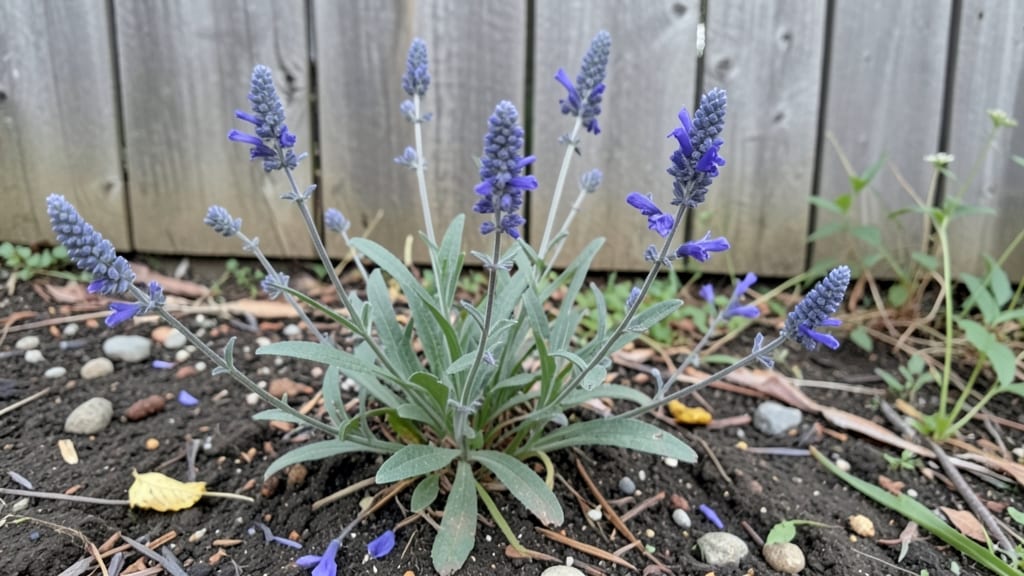
There's nothing like the frost-resistant purple cane flower lighting up your Pacific Northwest garden with bold color year after year. 🌿 I fell for this plant when it survived my first winter—no browning, no dieback, just vibrant purple blooms in spring.
The secret lies in its hardy nature and adaptability to cool climates.
This isn't your fussy annual—it thrives in partial shade to full sun, tolerates poor soil, and handles both wet winters and dry summers. All you need is a spot in your yard, well-draining soil, and basic pruning to keep it looking its best.
Once established, it spreads quietly, filling gaps without becoming invasive.
By summer's end, you'll have clusters of purple trumpet-shaped flowers that hum with pollinators, followed by seed pods that add texture to winter gardens. The foliage stays green through frost, making it a low-maintenance star for any PNW landscape.
Whether you're planting from seed, dividing clumps, or transplanting young plants, this guide covers every step—plus how to troubleshoot common issues like powdery mildew or leggy growth. Let's get those roots in the ground!
📚 In This Guide
- What you need
- Instructions
- Tips and common mistakes
- Wrapping up and next steps
What you need
- ● Purple cane flower plants: 3–5 tubers (pre-sprouted for faster growth) or
- ● Seeds (if starting from scratch—germination takes patience!)
- ● Soil: 1 bag well-draining cactus/succulent mix (or amend garden soil with perlite/coarse sand)
- ○ Optional: Compost (1 part) for nutrient boost
- ● Containers (if potted): 3–5 6–8-inch pots with drainage holes or
- ● 1 large trough or raised bed (minimum 12" deep)
- ● Tools: Trowel or small shovel
- ● Garden gloves (to protect from prickly stems!)
- ● Watering can with rose nozzle (for gentle hydration)
- ● Pruners (for trimming dead foliage)
- ● USDA Hardiness Zones: 7–10 (thrives in PNW’s mild winters!)
- ● Sunlight: Full sun (6+ hours/day)—partial shade in extreme heat
- ● Water: Drought-tolerant once established; water deeply 1–2x/week during dry spells
- ● Spacing: 12–18 inches apart in ground beds
- ● 6–8 inches apart in containers
- ● Mulch (gravel or bark chips) to retain moisture and deter weeds
- ● Slow-release fertilizer (10-10-10) for a nutrient kick
- ● Support stakes (if stems flop in windy PNW conditions)
- ● Purple cane companion plants (e.g., lavender, sedum, or ornamental grasses)
Step-by-Step instructions for planting purple cane flower in the Pacific Northwest
Let’s get those vibrant purple blooms thriving in your PNW garden—frost-resistant and stunning.
🌱 Step 1: Choose the Right Location and Prepare the Soil
Purple cane flower (Echinacea purpurea) loves full sun—at least 6-8 hours daily—so pick a spot with unobstructed southern or western exposure. In the Pacific Northwest, where mornings can be damp, afternoon sun is ideal to dry the foliage quickly and prevent fungal issues.
Dig up the planting area to loosen the soil to a depth of 12 inches. Amend the soil with 2-3 inches of compost to improve drainage and fertility. Purple cane flower tolerates a range of soil types but thrives in well-draining, slightly acidic soil (pH 6.0-7.0). If your soil is heavy clay, mix in sand or perlite to prevent waterlogging, which can rot the roots.
🪴 Step 2: Plant Bare-Root or Container-Grown Plants
For bare-root plants, soak the roots in lukewarm water for 1-2 hours before planting to rehydrate them. Dig a hole twice as wide as the root ball but only as deep as the top of the root ball—planting too deep can suffocate the plant. Gently place the plant in the hole, ensuring the crown (where the roots meet the stem) sits just above soil level. This prevents rot during heavy rains.
For container-grown plants, remove it from the pot and loosen any tangled roots. Place it in the hole, backfill with soil, and press gently to eliminate air pockets. Water deeply to settle the soil and remove any air gaps around the roots. Space plants 18-24 inches apart to allow for airflow and reduce disease risk.
☀️ Step 3: Water and Mulch for Frost Resistance
Water the newly planted purple cane flower deeply to encourage root growth, but avoid waterlogging. Let the top 2 inches of soil dry out between waterings—overwatering is a common mistake that leads to root rot. In the Pacific Northwest, where frost is common, mulch the base of the plant with 2-3 inches of organic mulch (like wood chips or straw) to insulate roots and retain moisture.
Mulching also suppresses weeds and keeps the soil temperature stable, which is especially helpful during late spring frosts. Avoid piling mulch directly against the stem—leave a 2-inch gap to prevent moisture buildup and rot.
✂️ Step 4: Prune and Fertilize for Long-Lasting Blooms
In early spring, cut back dead or damaged stems to 4-6 inches above the ground to encourage new growth. This also improves airflow, reducing the risk of fungal diseases like powdery mildew, which can be stubborn in the damp PNW climate. Avoid heavy pruning in fall, as the plant relies on its foliage for winter protection.
Fertilize lightly in early spring with a balanced, slow-release fertilizer (10-10-10). Purple cane flower doesn’t need much—too much nitrogen leads to leafy growth at the expense of flowers. A light application of compost in spring and fall is often enough to keep it thriving.
🌿 Step 5: Monitor and Enjoy Frost-Resistant Beauty
Watch for pests like Japanese beetles or diseases like aster yellows, which can affect echinacea. If you notice chewed leaves, handpick beetles or use neem oil as a natural deterrent. Deadhead spent blooms in late summer to encourage a second flush of flowers and keep the plant looking tidy.
Purple cane flower is perennial and hardy to USDA Zone 3, making it perfect for the Pacific Northwest’s frosty winters. With proper care, it will return year after year, rewarding you with vibrant purple blooms from mid-summer to fall. Enjoy your low-maintenance, drought-tolerant beauty!
Tips & tricks for perfect purple cane flower planting in the Pacific Northwest
Here's what I've learned after watching these hardy beauties thrive in my own PNW garden—tricks that'll help you avoid common pitfalls and get those vibrant blooms every year.
Sunlight Secret: In Step 1, when choosing that perfect spot, pay extra attention to morning shade. The Pacific Northwest's damp mornings can create fungal issues, so prioritize afternoon sun exposure. If your garden has morning shade but afternoon sun, this is actually ideal—just avoid planting where it's shaded all day. I've seen plants struggle when they get less than those critical 6-8 hours of sun, especially in cloudier months.
Root Rehydration: That 1-2 hour soak for bare-root plants in Step 2 is non-negotiable. I've planted without it and noticed slower establishment. Use lukewarm water—not cold—and add a splash of seaweed extract if you have it. This gives the roots a gentle nutrient boost while they rehydrate. For container plants, gently teasing apart tangled roots in Step 2 makes all the difference in how quickly they establish.
Mulching Magic: When you apply that 2-3 inches of organic mulch in Step 3, think of it as insulation for your plant's roots. In our frost-prone region, this layer acts like a cozy blanket during cold snaps. I've found that wood chips work beautifully, but straw is even better for weed suppression. That 2-inch gap you leave around the stem prevents moisture buildup that can cause rot—don't skip this detail!
Pruning Precision: In Step 4, when cutting back those stems to 4-6 inches, use clean, sharp pruners. I've made the mistake of using dull tools that crush stems, leading to disease entry points. Prune just above a leaf node or bud to encourage new growth. And remember—this early spring pruning is crucial for airflow, which prevents that dreaded powdery mildew common in our damp climate.
Pro Tips for Purple Cane Flower
- Here's what I've learned after watching these hardy beauties thrive in my own PNW garden—tricks that'll help you avoid common pitfalls and get those vibrant blooms every year.
- Sunlight Secret: In Step 1, when choosing that perfect spot, pay extra attention to morning shade.
- Root Rehydration: That 1-2 hour soak for bare-root plants in Step 2 is non-negotiable.
Frequently asked questions
Got questions about growing purple cane flower (Elegia capensis) in your Pacific Northwest garden? You’re not alone! Here are some of the most common queries—and their answers—to help you cultivate these frost-resistant beauties with confidence.
How cold can purple cane flower tolerate?
Purple cane flower thrives in USDA Zones 7-10 and can handle light frosts down to 20°F (-6°C). In the PNW, it’s a great choice for Zone 7b-9 gardens! Just protect young plants with mulch during unexpected hard freezes.
How long does it take for purple cane flower to bloom?
With patience, you’ll see first blooms in 2-3 years from seed! Established plants (purchased as nursery starts) may flower within 1-2 years. Consistent moisture and well-draining soil speed up the process.
Can I grow purple cane flower in containers?
Yes! Use a large pot (12"+ diameter) with drainage holes and a mix of peat moss, perlite, and native soil. Containers dry out faster—water deeply 2-3x weekly in summer. Just avoid freezing temps below 20°F.
Are there pests or diseases I should watch for?
Purple cane flower is drought-tolerant and pest-resistant, but watch for aphids (spray with soapy water) or root rot if overwatered. Fungal issues? Improve airflow by spacing plants 3-4 feet apart.
What’s the best way to propagate purple cane flower?
Divide mature clumps in early spring or sow seeds in fall (they need cold stratification). For faster results, ask local PNW nurseries—they often carry nursery-grown starts ready to plant!
Wrapping up and next steps
The purple cane flower isn’t just a stunning addition to your Pacific Northwest garden—it’s a resilient, low-maintenance superstar that thrives even in chilly climates. 🌿 With the right soil, sunlight, and a little patience, you’ll be rewarded with vibrant blooms that attract pollinators and turn heads year after year.
Ready to bring this beauty home? Start by gathering your supplies, choosing the perfect spot, and giving your purple cane flower the love it deserves. Your garden’s next masterpiece is just a few steps away!