Flowers
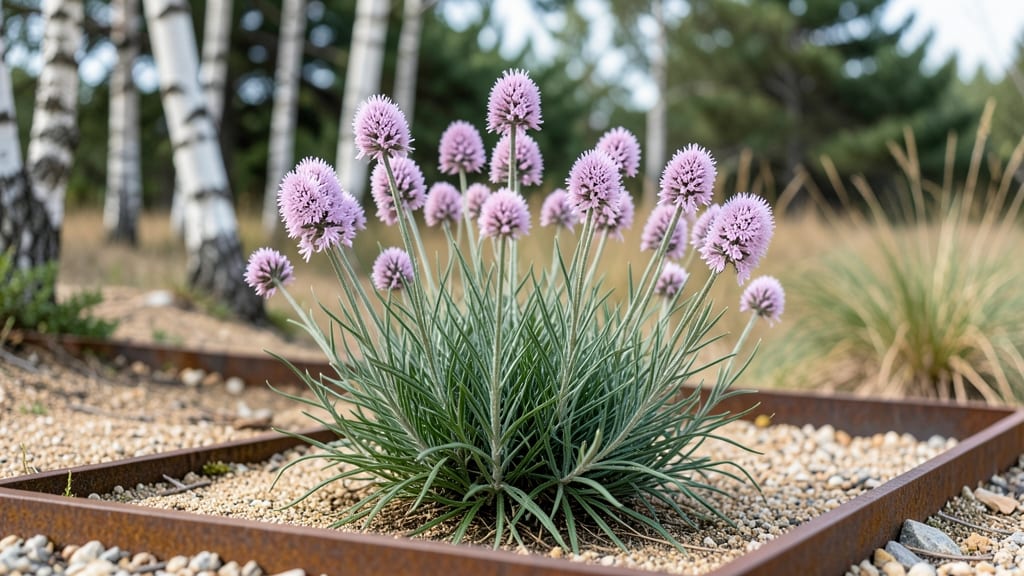
Purple thrift flowers transform Pacific Northwest gardens into dreamy, frost-proof canvases of color. 🌿 Their delicate lavender blooms stand up to winter winds and spring frosts, making them the unsung hero of coastal and cottage-style designs.
I’ve seen them soften rough stone walls and brighten shady corners where other plants give up.
These hardy perennials thrive with almost no fuss—drought-tolerant once established, they beginners love. Pair them with silver foliage plants like lamb’s ear or dusty miller for a striking contrast, or tuck them into borders where their mounded shape adds texture.
In containers, they spill over edges like a purple waterfall, perfect for patios or balcony gardens.
You’ll love how they hold their color from early spring through summer, then fade into graceful seed heads that add winter interest. Snip a few stems for bouquets—they last beautifully in vases, bringing that signature coastal charm indoors.
Their versatility makes them the secret weapon for gardens that want drama without drama.
Whether you’re designing a bold purple theme or just want reliable, low-maintenance color, purple thrift delivers. Let’s explore how to make them the star of your garden—no green thumb required.
📚 In This Guide
- What you need
- Instructions
- Tips and common mistakes
- Wrapping up and next steps
What you need
- ● Purple thrift plants (Armeria maritima): Nursery-grown plants (3–6 inches tall) – 5–10 plants (depending on desired coverage)
- ● OR Seeds (if starting from scratch) – 1–2 packets (germination can be slow)
- ● Well-draining soil: Native soil amended with sand or perlite (20–30% mix for sandy PNW soils)
- ● pH level 6.0–7.0 (test kit recommended)
- ● Sunlight access: Full sun (6+ hours/day) or partial shade (morning sun preferred)
- ● Watering supplies: Drip irrigation or hose with gentle spray nozzle (thrift dislikes soggy roots!)
- ● Garden tools: Trowel or hand shovel
- ○ Garden gloves (optional but recommended)
- ● Pruners (for trimming spent blooms)
- ○ Mulch (optional but helpful): 2–3 inches of gravel or coarse bark (to improve drainage and suppress weeds)
- ● Frost protection (early/late season): Frost cloth or lightweight row covers (for young plants)
- ● Timing: Plant in early spring (March–April) or fall (September–October) for best root establishment.
- ● Spacing: Space plants 12–18 inches apart for a full, lush look.
- ● Drought tolerance: Once established, thrift needs minimal watering—only during extreme dry spells!
Step-by-Step guide to planting and caring for purple thrift flowers
Here's how I've successfully established thriving purple thrift in my PNW garden—tough, cheerful, and ready for winter.
🌱 Step 1: Choose the Right Location and Prepare the Soil
Purple thrift thrives in full sun to partial shade, but in the Pacific Northwest, I've found it does best with at least 6 hours of direct sunlight—even on cloudy days. Pick a spot where it won't get waterlogged, as thrift hates soggy roots. Clear away weeds and loosen the soil to a depth of 6-8 inches with a garden fork.
Amend the soil with 2-3 inches of compost to improve drainage and fertility. Purple thrift is salt-tolerant, so if your garden has heavy clay or poor drainage, mix in a handful of sand or perlite to help roots breathe. The goal is loose, well-draining soil—thrift won’t forgive compacted or waterlogged conditions.
🌱 Step 2: Plant Purple Thrift in Early Spring or Fall
Spring planting is ideal, but thrift is so hardy that I’ve also had success planting in early fall, giving roots time to establish before winter. Dig a hole twice as wide as the root ball but only as deep—thrift roots should sit at the same level they were in the nursery pot. Gently remove the plant from its container and tease apart any circling roots.
Place the thrift in the hole, backfill with soil, and firm it gently around the base. Space plants 12-18 inches apart—they’ll spread slowly but steadily. Water deeply right after planting to settle the soil and encourage root growth. You’ll know it’s settled when the soil surface looks firm and no air pockets remain.
💧 Step 3: Water Deeply but Infrequently
Purple thrift is drought-tolerant once established, but young plants need consistent moisture. Water deeply once a week during the first growing season, ensuring the soil is moist 6 inches down. Let the top inch of soil dry out between waterings—this prevents root rot while keeping the plant hydrated.
After the first year, thrift will need very little water. In the Pacific Northwest’s cool, damp climate, overwatering is a bigger risk than underwatering. If your garden stays wet naturally, thrift will thrive without extra irrigation. Mulch with 2 inches of wood chips or gravel to retain moisture and suppress weeds.
☀️ Step 4: Prune and Maintain for Long-Lasting Blooms
Thrift blooms best when given room to grow. After the first flush of flowers fades, cut back spent blooms to the base to encourage a second round of flowers. I also trim back any leggy or overgrown stems in early spring to keep the plant compact and bushy. Use clean, sharp pruners to avoid damaging the plant.
Fertilizer isn’t necessary, but if your soil is particularly poor, apply a light, balanced fertilizer in early spring. Too much fertilizer leads to lush foliage but fewer flowers. Watch for signs of stress—yellowing leaves usually mean the plant needs more sun or better drainage, while brown edges can signal underwatering or salt buildup.
⏰ Step 5: Protect from Harsh Winters (If Needed)
Purple thrift is frost-resistant, but in the coldest PNW winters, a little extra care ensures it returns stronger. In areas with hard freezes below 10°F, I mound 2-3 inches of mulch around the base of the plant to insulate the roots. Remove the mulch in early spring once new growth appears.
If your thrift looks damaged after winter, don’t worry—it’s tougher than it looks. Trim back any dead or brown stems in late winter or early spring, and the plant will bounce back with fresh, vibrant growth. With minimal care, purple thrift will reward you with years of cheerful blooms and low-maintenance beauty.
Tips & tricks for perfect purple thrift flowers
These simple secrets will help you grow thriving purple thrift that thrives through PNW winters and blooms beautifully year after year.
The Sunlight Secret: While thrift tolerates partial shade, those 6 hours of direct sunlight make all the difference for vibrant blooms. In cloudy PNW summers, position your thrift where it gets morning sun and afternoon shade to prevent leaf scorch. I've noticed the most prolific blooming happens when plants get their full sun in the cooler morning hours.
Soil Prep That Makes a Difference: When loosening soil to 6-8 inches in Step 1, don't just scratch the surface—really work that fork in to break up compacted layers. The goal is to create a sponge-like texture that holds moisture but drains freely. In heavy clay soils, I mix in sand or perlite right in the planting hole for extra drainage—this prevents the root rot that can kill thrift plants.
Planting Depth Matters: In Step 2, resist the urge to bury thrift deeper than its nursery pot level. The roots need to breathe, and planting too deep can suffocate them. I always check the root flare (where roots meet stem) and make sure it sits just above soil level. This simple adjustment prevents future stress and encourages stronger growth.
Winter Protection Wisdom: For those 10°F hard freezes, I've found that 2-3 inches of mulch works wonders—but timing matters. Apply mulch after the first hard frost when soil temperatures drop, then remove it in early spring when new growth appears. This protects roots without trapping moisture that could cause rot during winter thaws.
Pro Tips for Purple Thrift Flowers
- These simple secrets will help you grow thriving purple thrift that thrives through PNW winters and blooms beautifully year after year.
- The Sunlight Secret: While thrift tolerates partial shade, those 6 hours of direct sunlight make all the difference for vibrant blooms.
- Soil Prep That Makes a Difference: When loosening soil to 6-8 inches in Step 1, don't just scratch the surface—really work that fork in to break up compacted layers.
Frequently asked questions
Got questions about growing purple thrift flowers?
You’re not alone! Here are answers to the most common queries from gardeners in the Pacific Northwest and beyond.
When is the best time to plant purple thrift?
Plant Armeria maritima in early spring or fall for ideal establishment. Since purple thrift thrives in cool climates like the PNW, avoid summer heatwaves—its roots prefer gentle soil temperatures. Bare-root plants can also be planted in late winter if the ground isn’t frozen.
How cold-hardy is purple thrift?
Purple thrift is extremely frost-resistant, surviving down to -20°F (-29°C)! It’s perfect for the PNW’s chilly winters. Just ensure well-draining soil to prevent root rot during heavy rains. Mulch lightly in winter to protect tender new growth.
Why aren’t my purple thrift flowers blooming?
Blooming issues often stem from over-fertilizing (thrift prefers lean soil) or crowding. Deadhead spent blooms to encourage reblooming, and prune back ⅓ of the plant after flowering. If your plant is leggy, it may need more sun—aim for full sun to partial shade.
Can I grow purple thrift in containers?
Use a well-draining mix with sand or gravel, and choose a container with drainage holes. Dwarf varieties like ‘Alba’ or ‘Vindictive’ thrive in pots (12–18 inches wide). Just water sparingly—thrift dislikes soggy roots.
Are purple thrift flowers deer-resistant?
While not fully deer-proof, thrift’s mild toxicity and tough texture often deter browsing. Deer may nibble young shoots, but mature plants are usually left alone. For extra protection, add a deer repellent spray or companion plants like lavender.
Wrapping up and next steps
Purple thrift flowers are a fantastic choice for Pacific Northwest gardeners, offering low-maintenance beauty that thrives in cool, frosty climates. Their hardy nature, vibrant blooms, and ability to naturalize make them a standout perennial for any outdoor space.
Whether you're a seasoned gardener or just starting out, adding purple thrift will bring color and resilience to your garden year after year.
Ready to transform your garden? Start small—plant a few purple thrift blooms this season and watch them spread effortlessly! For even more inspiration, explore companion plants or creative landscaping ideas to elevate your garden’s charm. 🌸