
Flowers
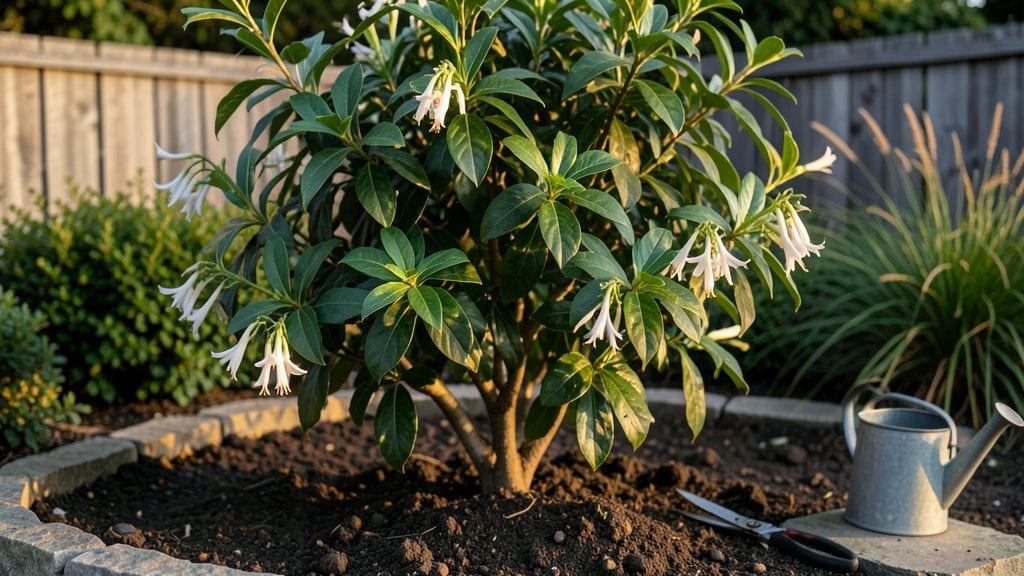
The velvety bloom of the midnight jasmine flower transforms dusk into enchantment with its heady perfume, and this tropical stunner can flourish in your garden with the right touch. 🌙 This hardy climber thrives in heat and humidity, but with a few simple tricks, you’ll coax its intoxicating scent into your evenings. bloom reliably even in milder climates.
The key lies in mimicking its natural habitat: rich, well-draining soil and a spot where it gets bright, indirect sunlight during the day.
You’ll need just a few essentials to get started: a pot at least 12 inches deep, a fast-draining potting mix with compost, and a location sheltered from harsh winds. Water deeply when the top inch of soil feels dry, but avoid soggy roots—this plant despises wet feet.
Prune lightly after blooming to encourage bushier growth, and fertilize monthly during spring and summer with a balanced formula.
Within a few months, you’ll be rewarded with clusters of star-shaped white flowers that open at dusk, filling the air with a sweet, jasmine-like perfume. The plant grows 3-6 feet tall, making it perfect for trellises, containers, or as a fragrant hedge.
Just be patient—it may take a year or two for mature blooms, but the wait is worth it.
Works beautifully in USDA zones 9-11, but container growers in cooler areas can bring it indoors during winter. Here’s how to keep it thriving year-round—whether you’re a seasoned gardener or just starting with tropical plants.
📚 In This Guide
- What you need
- Instructions
- Tips and common mistakes
- Wrapping up and next steps
What you need
- ● Midnight jasmine plant: Start with a healthy Cestrum nocturnum from a nursery or propagate from cuttings (see tips below!).
- ● Well-draining potting mix: A blend of 50% cactus/succulent soil, 30% perlite, and 20% compost (avoid heavy garden soil—it causes root rot!).
- ● Pot with drainage holes: Choose a container 12–16 inches in diameter (or larger for mature plants). Terracotta or fabric pots work best!
- ● Fertilizer: Balanced liquid fertilizer (10-10-10 or 20-20-20): Dilute to half-strength and apply every 4–6 weeks during spring/summer.
- ○ Slow-release granular fertilizer: Optional for convenience (follow package instructions).
- ● Pruning shears: Sharp, sterilized shears for trimming dead or overgrown branches.
- ● Sunlight: Full sun (6+ hours daily) or partial shade (morning sun + afternoon shade in hot climates).
- ● Temperature: Thrives in USDA Zones 9–11; protect from frost (below 30°F/–1°C kills it).
- ● Humidity: Prefers moderate to high humidity (mist leaves occasionally in dry climates).
- ● Water: Water when the top 1–2 inches of soil are dry (overwatering is the #1 killer—let excess drain away!).
- ● Mulch: Organic mulch (like bark chips) to retain moisture and regulate soil temperature.
- ● Grow lights: For indoor growers—provide 12–14 hours of artificial light daily if natural light is insufficient.
- ● Support stake or trellis: If training as a climbing plant (though it often grows bushy on its own).
- ● Insecticidal soap: For treating aphids or spider mites (common pests).
- ● Propagating supplies: If starting from cuttings—rooting hormone and small pots for seedlings.
Step-by-Step guide to growing midnight jasmine flowers
Here’s how to cultivate this intoxicating night-bloomer with minimal fuss—just follow these simple steps.
🌱 Step 1: Choose the Right Location and Prepare the Soil
Midnight jasmine (Cestrum nocturnum) thrives in full sun to partial shade—at least 6 hours of sunlight daily—but tolerates afternoon shade in hot climates. I plant mine against a south-facing wall where it gets morning sun and dappled shade in the afternoon. The soil must drain well; amending heavy clay with 2-3 inches of compost or sand prevents root rot.
Dig a hole twice as wide as the root ball but only as deep. Loosen the sides of the hole to encourage root spread. Midnight jasmine loves slightly acidic to neutral soil (pH 6.0-7.0). If your soil is alkaline, mix in 1 cup of sulfur per hole to adjust the pH before planting.
🪴 Step 2: Plant and Water Deeply for Establishment
Place the plant so the top of the root ball sits 1 inch below soil level—this helps prevent stem rot from splashing water. Backfill with native soil mixed with 1 cup of slow-release fertilizer (like 10-10-10) to give it a nutrient boost. Water deeply until moisture reaches 12 inches down, then let the top 2 inches dry out before watering again.
Don’t skip this deep watering—it encourages roots to grow downward instead of staying shallow. You’ll know it’s working when new growth appears within 2-3 weeks. Mulch with 2-3 inches of organic mulch (like pine bark or shredded leaves) to retain moisture and keep roots cool.
☀️ Step 3: Prune for Shape and Encourage Blooms
Prune in late winter or early spring before new growth starts. Cut back one-third of the previous year’s growth to shape the plant and encourage bushier growth. Remove any dead, diseased, or crossing branches first—this improves airflow and reduces pests. I also trim back any leggy stems to half their length to promote denser foliage.
Midnight jasmine blooms on new wood, so avoid heavy pruning in fall or winter. After flowering, trim back spent blooms by one-third to redirect energy into next year’s flowers. Never prune after mid-summer—you’ll cut off potential blooms for the season.
💧 Step 4: Maintain Water and Fertilizer for Peak Performance
Water once a week during the first growing season, then every 10-14 days once established—unless it’s extremely hot or dry, then increase to twice weekly. You’ll know it’s time to water when the top 2 inches of soil feel dry. Overwatering is the #1 killer; these plants hate soggy roots.
Fertilize twice a year: once in early spring with a balanced fertilizer (like 10-10-10) and again in mid-summer with a low-nitrogen, high-phosphorus fertilizer (like 5-10-10) to boost blooms. Stop fertilizing after mid-summer—it can lead to weak growth before winter.
⏰ Step 5: Protect and Enjoy the Night-Blooming Magic
Midnight jasmine blooms after dark, so place it where you can enjoy the fragrance near windows or patios. The flowers open around sunset and close by mid-morning. To extend the blooming season, plant in a sheltered spot where evening breezes won’t damage the delicate blooms.
Watch for jasmine moths (they’re harmless) and aphids—spray with neem oil if you see sticky residue on leaves. In colder zones (below Zone 9), treat as an annual or winter it indoors near a bright window. With proper care, your plant will reward you with months of intoxicating nighttime fragrance.
Tips & tricks for perfect midnight jasmine flower cultivation
A few simple strategies will help you coax the most fragrant blooms from your midnight jasmine. Here's what I've learned after growing these intoxicating plants for years.
Location is Everything: That 6 hours of sunlight requirement is non-negotiable for strong growth, but don't overlook the afternoon shade in hot climates. I've found the sweet spot is morning sun with afternoon shade—this prevents leaf scorch while still giving enough energy for those nighttime blooms. If your yard gets intense afternoon sun, consider planting against a north-facing wall instead of south-facing.
Soil Prep Secret: The 2-3 inches of compost or sand you mix into heavy clay isn't just about drainage—it creates the perfect air pockets that jasmine roots love. For alkaline soil, that 1 cup of sulfur per hole is your best friend. I test my soil pH before planting, and adjusting it to that 6.0-7.0 range makes all the difference in how well your plant establishes. Pro tip: Mix sulfur into the bottom of the hole first, then add your amended soil on top.
Watering Wisdom: That deep watering until moisture reaches 12 inches down might seem excessive, but it's crucial for encouraging deep root growth. I use a long screwdriver to check moisture levels—if it comes out dry after watering, you know you need to go deeper. The 2-inch dry top layer before watering again is your signal that roots are actively seeking moisture, not just sitting at the surface.
Pruning Precision: When you cut back those leggy stems to half their length in Step 3, you're not just shaping the plant—you're redirecting energy to produce more blooms. I always prune just above a leaf node where new growth will emerge. And that one-third trim of spent blooms after flowering? It might seem drastic, but it prevents the plant from wasting energy on seed production and keeps those nighttime fragrances coming all season.
Pro Tips for Midnight Jasmine Flower
- A few simple strategies will help you coax the most fragrant blooms from your midnight jasmine.
- Location is Everything: That 6 hours of sunlight requirement is non-negotiable for strong growth, but don't overlook the afternoon shade in hot climates.
- Soil Prep Secret: The 2-3 inches of compost or sand you mix into heavy clay isn't just about drainage—it creates the perfect air pockets that jasmine roots love.
Frequently asked questions
When is the best time to plant midnight jasmine for optimal blooms?
Plant midnight jasmine in early spring (after the last frost) or late summer for best results. This gives roots time to establish before winter or summer heat. Choose a spot with well-draining soil and partial shade—it thrives in warmth but avoids harsh afternoon sun. Pro tip: If planting in containers, ensure they’re at least 12 inches deep to support its climbing habit!
Why does midnight jasmine only bloom at night? What triggers it?
This flower is nyctinastic, meaning it opens its blooms in response to darkness (typically after sunset). The trigger is a combination of light sensitivity and temperature—cooler evening air signals it’s time to unfurl. Fun fact: Its intoxicating fragrance peaks around midnight, attracting nocturnal pollinators like moths!
Can midnight jasmine grow indoors? What care does it need?
Yes! Place it near a bright, south-facing window or under grow lights (12+ hours/day). Use a well-draining potting mix and keep humidity high (mist leaves or use a pebble tray). Avoid cold drafts—midnight jasmine prefers 65–75°F temps. Rotate the pot weekly for even growth. Warning: It’s toxic to pets if ingested, so keep it out of reach.
What should I do if my midnight jasmine isn’t blooming?
Check these fixes:
- Light: Ensure it gets partial shade (direct sun can scorch leaves).
- Water: Overwatering causes root rot—let soil dry slightly between waterings.
- Fertilizer: Use a balanced, low-nitrogen feed (like 10-10-10) in spring/summer.
- Pruning: Trim leggy stems after blooming to encourage bushier growth.
Are there alternatives to midnight jasmine for night-scented flowers?
Try these fragrant night-bloomers:
Night-Blooming Jasmine (Cestrum nocturnum)
More hardy; blooms white with a tropical scent.
Evening Primrose (Oenothera spp.)
Bright yellow flowers; attracts pollinators.
Moonflower (Ipomoea alba)
Large white blooms; fast-growing vine.
Angel’s Trumpet (Brugmansia spp.)
Dramatic trumpet-shaped flowers; highly fragrant.
Wrapping up and next steps
The midnight jasmine flower isn’t just a stunning night-blooming beauty—it’s a symbol of resilience, romance, and natural elegance. Whether you’re captivated by its intoxicating fragrance or eager to cultivate its delicate blooms, this guide has given you the tools to embrace its magic.
Now, take that inspiration and let your space—or garden—thrive with its enchanting allure!
🌙 Next steps:
- Start small—plant a single cutting or pot to experience its charm firsthand.
- Share your journey with fellow plant lovers (tag us @MidnightJasmineGuide!).
- Explore other nocturnal blooms to expand your fragrant collection.