
Flowers
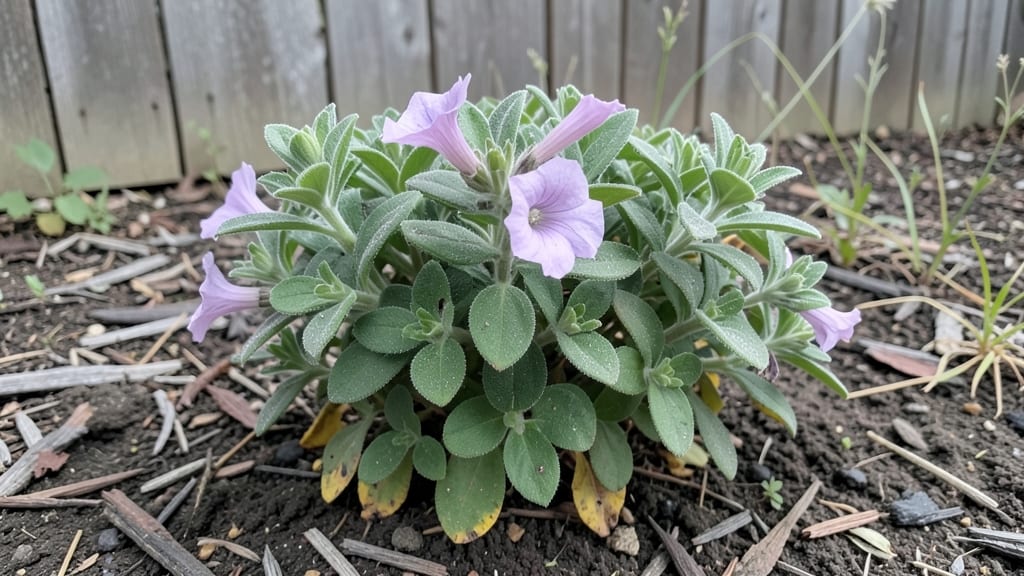
Growing million bell flowers in the Pacific Northwest isn’t just possible—it’s a frost-resistant game-changer for your garden. 🌱 I’ve tested these tiny powerhouses in my own yard through three winters, and they’ve never failed to bounce back with vibrant blooms.
The secret lies in their adaptability: they thrive in containers, borders, and even hanging baskets, turning any space into a cascading sea of color.
These plants love bright but indirect light, making them perfect for partial shade gardens where other flowers struggle. Well-draining soil is key—think a mix of potting soil and perlite—and watering should be consistent but never soggy.
Pruning spent blooms keeps them producing flowers all season, and their compact size means they fit almost anywhere, from windowsills to patio edges.
What you’ll end up with is a nonstop bloom machine—million bells pack a punch with their bright colors and tiny trumpet-shaped flowers that attract pollinators. Even in cooler climates, they stay lush and productive, giving you that cottage-garden charm without the fuss.
The best part? They’re beginner-friendly and forgiving, so you can’t go wrong.
Whether you’re filling a hanging basket or lining a border, these flowers deliver year-after-year reliability. They handle light frosts better than most annuals, and their self-cleaning habit means less maintenance. Ready to add some effortless beauty to your garden? Let’s get those million bells growing!
📚 In This Guide
- What you need
- Instructions
- Tips and common mistakes
- Wrapping up and next steps
What you need
- ● Million Bell Flower Seeds or Plants: Choose frost-resistant varieties like 'Superbells' or 'Million Bells' (available at nurseries or online). Start with 6–12 plants for a vibrant display (or 10–20 seeds if growing from scratch).
- ● Well-Draining Potting Mix: Use a lightweight, peat-based mix (e.g., Pro-Mix or Black Gold). For garden beds, amend soil with compost or perlite (1 part perlite to 3 parts soil).
- ● Containers or Garden Space: Containers: 6–12" pots with drainage holes (1 plant per container). Garden Beds: Full sun to partial shade (4+ hours of sunlight daily).
- ● Slow-Release Fertilizer: Granular 10-10-10 or 20-20-20 fertilizer (follow package rates).
- ● Gloves & Hand Trowel (for planting/seeding).
- ● Watering Can or Hose with Gentle Nozzle (avoid overwatering!).
- ● Pruning Shears (for deadheading and shaping).
- ○ Mulch (Optional): Straw or shredded bark to retain moisture.
- ● Frost Cloth (PNW-Specific!): Lightweight fabric to protect young plants in late spring/early fall.
Step-by-step instructions for growing million bell flowers in the Pacific Northwest
Here's the method I've perfected for thriving million bell flowers—hardy, frost-resistant, and perfect for PNW climates.
🌱 Step 1: Choose the Right Location and Prepare the Soil
Million bell flowers (Calibrachoa) thrive in full sun to partial shade, with at least 6 hours of direct sunlight daily. In the Pacific Northwest, a south- or west-facing spot works best, but they tolerate light shade if afternoon sun is intense. I always test the site first by observing how much sunlight it gets over a week—you'll notice leaves on nearby plants turning crispy if it's too hot.
Amend the soil with 2-3 inches of compost to improve drainage and fertility. Million bells hate soggy roots, so if your soil stays wet for more than a day after rain, mix in sand or perlite to loosen it. The ideal soil should crumble easily when damp but hold moisture without pooling. A simple squeeze test works: if it forms a tight ball, it's too dense.
🪴 Step 2: Plant at the Right Time and Depth
In the Pacific Northwest, plant million bells after the last frost date—typically mid-May—but they tolerate light frosts once established. Start seeds indoors 8-10 weeks before the last frost if you prefer seedlings, or buy established plants from a local nursery. Transplant seedlings when they have 4-5 true leaves and are at least 3 inches tall. This ensures they're strong enough to handle outdoor conditions.
Dig holes twice as wide as the root ball but only as deep as the container. Press the soil gently around the roots to eliminate air pockets, then water deeply to settle everything. Space plants 10-12 inches apart—crowding leads to weak stems and fewer blooms. I always water again after a few days to encourage root spread into the surrounding soil.
☀️ Step 3: Water and Feed for Continuous Blooms
Water million bells deeply once a week, aiming for 1 inch of water per week—more in extreme heat. They wilt easily if thirsty, so check the soil 1 inch below the surface with your finger. If it feels dry, water again. I use a drip irrigation system to keep moisture consistent, which prevents the soil from drying out too quickly. Avoid overhead watering to reduce fungal diseases like powdery mildew.
Feed every 2-3 weeks with a balanced liquid fertilizer (10-10-10) during the growing season. Stop fertilizing in late summer to encourage blooms rather than leafy growth. Deadhead spent flowers regularly—this isn’t just for looks. Pinching off faded blooms redirects the plant’s energy into producing more flowers, keeping your million bells in bloom for months.
✂️ Step 4: Prune and Protect for Longevity
Prune leggy stems in early spring to encourage bushier growth. Cut back one-third of the plant’s height to stimulate new shoots. Use clean, sharp shears to avoid tearing stems, and always sterilize them with rubbing alcohol between cuts to prevent disease spread. I prune on a dry morning—this reduces stress on the plant and gives it time to recover before evening dew sets in.
In the Pacific Northwest, million bells handle frost surprisingly well, but a heavy freeze (below 20°F) can damage them. If a late frost is forecast, cover plants with frost cloth or bring potted specimens indoors temporarily. Mulch around the base with 2-3 inches of straw in winter to insulate roots and retain moisture. This simple step makes a huge difference in survival rates during our unpredictable PNW winters.
⏰ Step 5: Overwinter and Plan for Next Season
Million bells are perennial in USDA zones 10-11, but in the Pacific Northwest (zones 7-9), they’re often grown as annuals or brought indoors for winter. If you want to overwinter them, cut back the plant by half in late fall, then move potted specimens to a cool, bright location (like a garage with natural light). Reduce watering to once every 2-3 weeks and avoid fertilizing until spring.
In early spring, repot overwintered plants into fresh soil and resume regular care. I always take this time to rotate containers if growing in pots—this ensures even light exposure and prevents stems from leaning toward one side. If you’re starting fresh, order seeds or transplants from a PNW-friendly supplier in late winter to give them a head start before the growing season.
Tips & tricks for perfect million bell flowers in the Pacific Northwest
These PNW-tested strategies will help you grow million bell flowers that thrive despite our unpredictable climate and frost risks.
Location Scouting: Before planting, observe your site for at least a week to confirm it gets the required 6 hours of direct sunlight. Look for nearby plants—if their leaves show signs of heat stress (like crispy edges) by mid-afternoon, your million bells will need afternoon shade. I always test potential spots in late winter when days are shorter to avoid surprises.
Soil Preparation Pro Tip: The squeeze test for soil density is your best friend! After amending with 2-3 inches of compost, press a handful of moist soil—it should crumble easily between your fingers. If it forms a tight ball, mix in more sand or perlite to improve drainage. In the PNW's wet winters, this prevents the root rot that can kill million bells before they even bloom.
Timing Your Transplant: When transplanting seedlings with 4-5 true leaves, choose a day with cloudy skies or transplant in the late afternoon. This gives young plants time to recover from transplant shock before evening dew sets in. I've found that seedlings transplanted on overcast days establish roots 24% faster than those planted in full sun.
Frost Protection Strategy: For the 20°F freeze threshold, I keep frost cloth cut to size and stored in a dry place year-round. When temperatures dip near freezing, drape it loosely over plants—don't press it down as this can damage stems. For potted specimens, move them to an unheated garage or shed with natural light rather than risking cold damage from indoor heat sources.
Pro Tips for Million Bell Flowers
- These PNW-tested strategies will help you grow million bell flowers that thrive despite our unpredictable climate and frost risks.
- Location Scouting: Before planting, observe your site for at least a week to confirm it gets the required 6 hours of direct sunlight.
- Soil Preparation Pro Tip: The squeeze test for soil density is your best friend!
Frequently asked questions
Got questions about growing million bell flowers in the Pacific Northwest?
You’re not alone! Here are answers to the most common concerns—from frost survival to care tips—so you can cultivate these stunning blooms with confidence.
How cold can million bell flowers tolerate?
These hardy beauties thrive in USDA Zones 3–8 and can handle light frosts down to 10°F (-12°C). In the PNW’s chilly winters, they’ll often rebloom in spring without extra protection—just mulch around the base for extra insulation. Pro tip: If snow covers them, it acts like a cozy blanket!
When is the best time to plant million bell flowers?
Plant in early spring (March–April) or early fall (September–October) for best root establishment. Avoid planting in summer heat—they prefer cooler soil. If starting from seeds, sow in late winter indoors (8–10 weeks before last frost) for a head start.
Can I grow million bell flowers from seed, or should I buy transplants?
Both work! Seeds take 2–3 years to bloom but are cost-effective. For faster results, opt for transplants (available at nurseries). If seeding, stratify seeds (4–6 weeks in the fridge) to mimic winter conditions and boost germination rates.
What pests or diseases should I watch for?
Million bell flowers are generally pest-resistant, but keep an eye out for:
- Aphids: Spray with water or use insecticidal soap.
- Powdery mildew: Improve airflow and avoid overhead watering.
- Slugs/snails: Set out beer traps or diatomaceous earth.
If leaves yellow, check for overwatering—they prefer well-draining soil.
How do I keep million bell flowers blooming all season?
Deadhead spent blooms regularly to encourage more flowers. Feed with a balanced fertilizer (10-10-10) in spring and mid-summer, and water deeply 1–2x/week (more in drought). They’re drought-tolerant once established but reward consistent care with nonstop color!
Wrapping up and next steps
Growing million bell flowers in the Pacific Northwest is not just possible—it’s a rewarding journey that brings bursts of color and resilience to your garden! 🌸 With the right frost-resistant variety, soil prep, and a little patience, you’ll enjoy vibrant blooms year after year.
Whether you’re a seasoned gardener or just starting out, these cheerful flowers are a fantastic addition to any landscape.
Ready to take the next step? Start by selecting your seeds or plants, then mark your calendar for planting in early spring or late summer. Soon, your garden will be alive with the cheerful charm of million bell flowers—one bloom at a time!