
Container Gardens
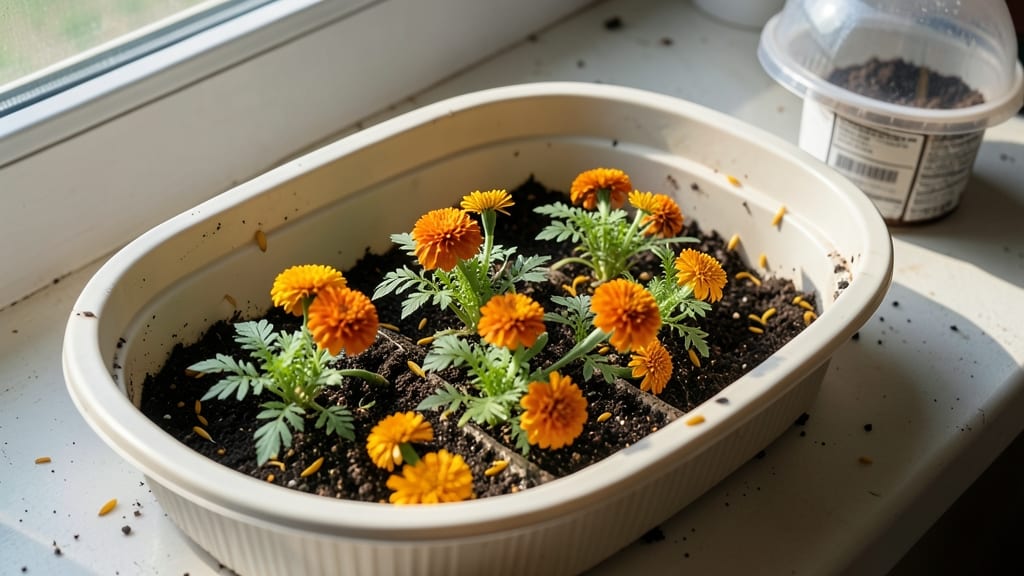
Planting flower seeds indoors lets you beat the spring rush and grow showstopping blooms that neighbors will envy. 🌱 I’ve started marigolds, zinnias, and snapdragons this way for years—each seedling feels like a tiny promise of summer, even in February’s chill.
The secret isn’t fancy equipment; it’s matching light, warmth, and patience to what each flower actually needs.
You’ll need just a few things: seed trays or small pots, sterile seed-starting mix, a spray bottle for watering, and a way to keep things warm—like a sunny windowsill or a heat mat.
Most flower seeds germinate in 10-14 days if you keep the soil moist but not soggy. The trick is consistency: too much water drowns them, too little stunts growth.
By the time outdoor temperatures stabilize, you’ll have sturdy seedlings with true leaves (not the first tiny sprouts) ready to transplant. Imagine the first zinnia blooms in July, their petals bursting open weeks ahead of store-bought plants.
The payoff is worth the wait—especially when you’re pinching back leggy stems or watching roots tangle through the soil.
This method works for annuals like petunias, cosmos, and sunflowers, or perennials like lavender and coneflowers. Even if your space is small, a south-facing windowsill or a grow light can turn a seed packet into a summer spectacle. Let’s get those trays ready!
📚 In This Guide
- What you need
- Instructions
- Tips and common mistakes
- Wrapping up and next steps
What you need
- ● Flower seeds: Choose fast-growing varieties like marigolds, petunias, or snapdragons (1–2 packets, ~50–100 seeds per packet).
- ● Seed-starting trays or small pots: 2–4" deep, with drainage holes (6–12 trays/pots, depending on seed quantity).
- ● Seed-starting mix: Lightweight, sterile potting soil (1–2 bags, ~1–2 cubic feet). No garden soil!
- ● Grow lights or sunny windowsill: 12–16 hours of light daily (LED grow lights or a south-facing window).
- ● Misting bottle or spray nozzle: For gentle watering (1 small bottle).
- ○ Plastic wrap or humidity dome: To retain moisture (optional but helpful for the first week).
- ● Heat mat: Keeps soil warm (70–75°F) for faster germination (1 mat, ~10"x20").
- ● Plant labels: Mark varieties and planting dates (small wooden sticks or plastic tags).
- ● Fertilizer: Water-soluble, low-dose (e.g., 5-10-5 ratio) for seedlings after 2–3 weeks.
- ● Tweezers: For delicate seed placement (especially tiny seeds like calendula).
- ● Fan: Creates airflow to prevent damping-off disease (small clip-on fan).
Step-by-step instructions for planting flower seeds indoors
Here's how to kickstart your flower garden early—with strong, healthy seedlings ready for transplanting.
🌱 Step 1: Select Containers and Prepare Seed-Starting Mix
Choose 4-inch deep containers with drainage holes—smaller pots prevent overcrowding and encourage robust root systems. I prefer biodegradable peat pots because they eliminate transplant shock when moving seedlings outdoors. Fill each with sterile seed-starting mix (never garden soil—it's too dense and may harbor pathogens). Moisten the mix until it's damp like a wrung-out sponge, but not dripping.
Press the soil down lightly to remove air pockets, but don't compact it. You want a loose, fluffy texture that allows roots to penetrate easily. If your mix feels dry after pressing, add a few spritzes of water—uniform moisture is key for germination. Label each pot with the flower variety and date; after a few weeks, identical seedlings look identical until they bloom.
🌱 Step 2: Sow Seeds at the Correct Depth and Spacing
Read the seed packet for depth guidelines, but a general rule is to plant seeds twice as deep as their diameter. For tiny seeds like petunias, press them just below the soil surface—no need to bury them. Larger seeds like marigolds go ¼ inch deep. I use a toothpick to create small holes and drop seeds one at a time—overcrowding leads to weak, leggy seedlings that compete for light and nutrients.
Cover seeds lightly with additional mix, then mist the surface with a spray bottle until evenly damp. Avoid heavy watering, which can dislodge seeds or bury them too deep. Place the containers in a warm, dark spot (like a seedling heat mat set to 75°F) to encourage germination. Most flower seeds sprout within 7-21 days, depending on the variety—check the packet for specifics.
☀️ Step 3: Provide Light and Monitor Germination
The moment you see green sprouts, move containers to a bright, indirect light source. A south-facing window works, but seedlings will stretch toward the light if it's too weak. I use a full-spectrum LED grow light positioned 2-3 inches above the seedlings for 14-16 hours daily. Raise the light as plants grow to maintain that distance—too close causes leaf burn, too far leads to leggy growth.
Water gently from the bottom by placing trays in ½ inch of water for 10-15 minutes. This prevents soil displacement and ensures roots develop downward. Once seedlings have 2-3 true leaves (the first set are cotyledons), thin to the strongest plant per pot. Snip the weaker seedlings at soil level with clean scissors—don't pull, or you'll disturb the roots of the remaining plants.
🌿 Step 4: Harden Off Seedlings Before Transplanting
Two weeks before your last frost date, start hardening off seedlings by placing them outside in a sheltered, shaded spot for 1-2 hours the first day. Gradually increase exposure by 1 hour daily, moving to morning sun first to avoid scorching. By day 10-14, seedlings should tolerate a full day outdoors. This process toughens stems and acclimates leaves to wind and sunlight.
Watch for wilting or yellowing leaves—signs the transition is too fast. If you see this, move seedlings back indoors for a day and resume hardening more slowly. Once hardened, transplant on an overcast afternoon to reduce stress. Water deeply at the base, and avoid fertilizing for 1-2 weeks to prevent root burn. Your seedlings are now ready to thrive in the garden!
Tips & tricks for perfect indoor flower seedlings
Here's what I've learned after growing dozens of varieties indoors—these tricks make all the difference between puny seedlings and sturdy plants ready for transplanting.
Container Selection Matters: While 4-inch pots work well, consider using cell packs for tiny seeds like petunias—they allow better airflow and make thinning easier. For larger seeds like marigolds, individual pots prevent root tangling during the hardening process. I've found that clear plastic containers with lids create a mini greenhouse effect, speeding up germination by 2-3 days while maintaining that critical 75°F warmth. Just remember to remove lids once sprouts appear to prevent damping-off disease.
Soil Science: The sterile seed-starting mix is non-negotiable, but here's the secret: mix in 10% perlite or vermiculite to improve aeration. I sift this through a fine mesh screen to distribute it evenly—this prevents compaction and helps roots spread. For extra insurance against mold, sprinkle a thin layer of horticultural sand on top before planting. This creates a natural barrier while still allowing water penetration.
Lighting Hacks: That 14-16 hour light requirement can be tricky with natural light. I use a timer on my grow light to automate the cycle—this prevents overwatering from inconsistent schedules. Position your light so the seedlings' tops just brush against it; this ensures even growth without burning. For windowsill gardeners, rotate trays quarter-turn daily to prevent lopsided growth toward the light source.
Germination Troubleshooting: If you're not seeing sprouts within the 7-21 day window, check your soil temperature—it should stay consistently at 75°F. I've found that placing containers on a seedling heat mat under fluorescent lights creates the perfect environment. For stubborn seeds, try a warm water soak (not hot) for 24 hours before planting—this can boost germination rates by up to 30%.
Pro Tips for Planting Flower Seeds Indoors
- Here's what I've learned after growing dozens of varieties indoors—these tricks make all the difference between puny seedlings and sturdy plants ready for transplanting.
- Container Selection Matters: While 4-inch pots work well, consider using cell packs for tiny seeds like petunias—they allow better airflow and make thinning easier.
- Soil Science: The sterile seed-starting mix is non-negotiable, but here's the secret: mix in 10% perlite or vermiculite to improve aeration.
Frequently asked questions
Got questions about starting flower seeds indoors?
You’re not alone! Here are answers to the most common concerns—from timing to troubleshooting—to help you grow confidently.
When is the best time to start planting flower seeds indoors?
The ideal time depends on your climate and flower type. For most annuals (like marigolds or petunias), start seeds 6–8 weeks before your last frost date. Cool-season flowers (e.g., pansies) can go in 4–6 weeks earlier. Check seed packets for specific guidance—some need 10+ weeks to mature!
Do I need grow lights, or will natural sunlight work?
Natural light is great, but most homes lack the 12–16 hours of bright light seedlings need. If your windowsill is dim, use affordable LED grow lights (6–12 inches above seeds) for 14–16 hours daily. Skip the lights only if you’re in a sunroom or can rotate trays to maximize exposure.
Why are my seeds not germinating? Troubleshooting tips?
Seeds need consistent warmth (70–75°F), moisture, and air. Check these fixes:
Too cold? Move trays to a warmer spot (like on top of the fridge).
Too dry? Mist soil lightly daily—don’t soak it.
Too deep? Most seeds need only 2x their width of soil coverage.
Old seeds? Test viability by soaking a few in water; if they sink, they’re likely good.
Can I reuse seed trays or soil from last year?
Reuse trays after sterilizing with a 10% bleach solution (rinse well!). Soil, however, should be fresh and sterile—old soil may harbor fungi or pests. Mix your own with 50% peat moss, 30% perlite, and 20% compost for the best results.
What’s the easiest flower seed to grow indoors for beginners?
Start with fast-growing, forgiving varieties like:
- Marigolds (germinate in 5–10 days, pest-resistant).
- Zinnias (bright colors, tolerate slight neglect).
- Sunflowers (germinate quickly, fun for kids).
- Basil or nasturtiums (edible + ornamental!).
Wrapping up and next steps
Planting flower seeds indoors is a rewarding way to jumpstart your gardening season and enjoy vibrant blooms months before outdoor planting! With the right setup—whether it’s a sunny windowsill, grow lights, or a seed-starting kit—you’ll give your flowers a head start while avoiding pests and harsh weather.
The key is patience, consistency, and a little love as you nurture those tiny sprouts into sturdy seedlings.
Now that you’re armed with tips and tricks, why not take the plunge? Start with a few easy-to-grow varieties like marigolds or pansies, and soon you’ll be transplanting thriving plants into your garden. Happy growing—your future blooms will thank you! 🌱✨