
Flowers
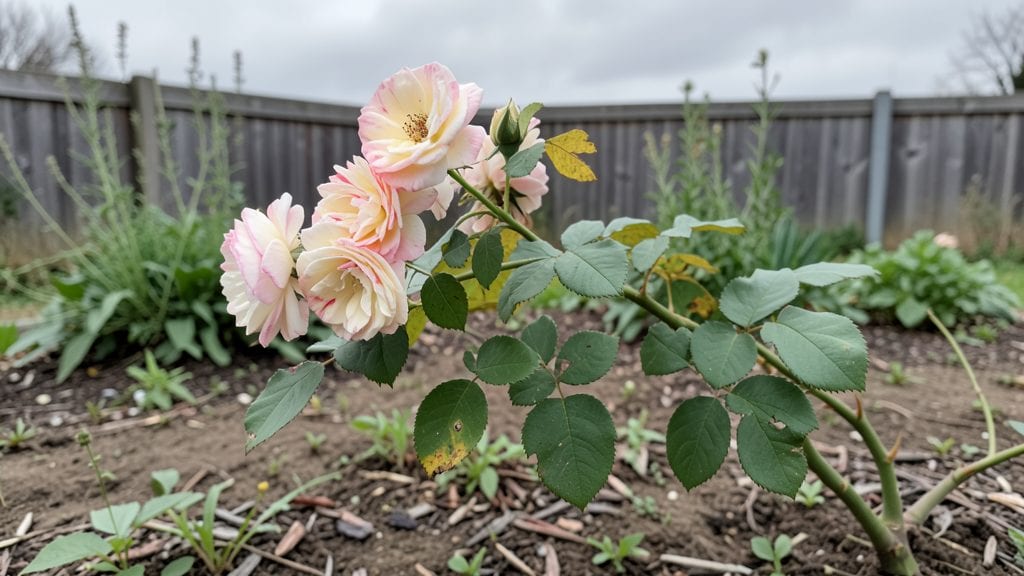
A rainbow rose flower bursting with vibrant stripes instantly transforms any garden into a living masterpiece—these aren’t your grandma’s roses, but bold, Instagram-worthy showstoppers. 🌸 The secret lies in their striking color contrasts, where deep pinks bleed into creamy whites or fiery oranges stripe through velvety purples.
Pair them with silvery foliage like lamb’s ear or dusty miller to make those stripes scream—literally. For containers, mix with trailing ivy or ornamental grasses to frame the blooms dramatically.
In beds, plant them at eye level where their colors will catch sunlight at every angle. They bloom from early summer through fall, giving you months of drama.
Symbolically, rainbow roses represent joy and transformation—perfect for a garden that’s as vibrant as your spirit. The key to keeping them thriving? Prune after each flush of blooms and feed them rich compost.
You’ll end up with roses that look like they belong in a floral masterpiece, not just your backyard.
Whether you’re designing a cottage garden, a modern minimalist space, or a wildflower meadow, these roses adapt beautifully. Start with one variety to test your soil and sunlight, then expand—your garden will thank you with color that never fades.
📚 In This Guide
- What you need
- Instructions
- Tips and common mistakes
- Wrapping up and next steps
What you need
- ● Rainbow Rose Flower Seeds or Bare-Root Plants: Choose Rosa ‘Rainbow’ seeds or young plants from a trusted nursery (e.g., blank">Bare Root Roses or blank">Seed Savers Exchange).
- ● Quantity: 3–5 plants (for a small garden) or 10+ plants (for a bold display).
- ● Well-Draining Soil: Mix 1 part garden soil with 1 part compost and 1 part perlite or coarse sand to improve drainage.
- ● pH Level: 6.0–6.5 (slightly acidic).
- ● Sunlight Spot: 6–8 hours of full sun daily (partial shade in hot climates helps prevent stress).
- ● Watering Can or Hose: With a gentle spray nozzle to avoid damaging delicate blooms.
- ● Fertilizer: Balanced rose-specific fertilizer (e.g., 10-10-10 NPK ratio) or organic options like fish emulsion or compost tea.
- ● Apply every 4–6 weeks during growing season.
- ● Pruning Shears: Sharp, bypass-style shears for clean cuts (e.g., Felco F-2).
- ● Garden Gloves: Heavy-duty, waterproof gloves to protect hands from thorns.
- ● Mulch: 2–3 inches of organic mulch (e.g., wood chips or straw) to retain moisture and suppress weeds.
- ● Support Stakes or Trellis: 5–6 ft tall stakes or an arch trellis for climbing varieties.
- ● Pest Control: Neem oil spray or insecticidal soap (for aphids or spider mites).
- ● Copper tape (to deter slugs and snails).
- ● Climate: Hardy in USDA Zones 5–10 (check local frost dates for planting times).
- ● Time Commitment: Planting: 30–60 minutes.
- ● Maintenance: 15–30 minutes weekly (watering, pruning, fertilizing).
- ● Patience: Rainbow roses may take 1–2 years to reach full blooming potential!
How to grow rainbow roses with stunning striped blooms
Here's the method I've perfected for coaxing those breathtaking striped roses from seed to showstopping display.
🌱 Step 1: Start Seeds Indoors for Maximum Germination Success
Rainbow roses need a head start, so begin seeds indoors 8-10 weeks before your last frost date. Fill 2-3 inch deep seedling trays with sterile seed-starting mix—never garden soil, which can harbor diseases that will kill delicate young stems. Moisten the mix until it feels like a damp sponge, then press it down gently so it's firm but not compacted.
Sow seeds ¼ inch deep, spacing them 1 inch apart in the tray. I use a toothpick to make small holes—this ensures consistent depth without burying them too deep. Cover lightly with additional mix, then mist gently with water until the surface looks evenly damp. Place the tray in a 75-80°F propagation mat or on top of your refrigerator (the heat source below warms the soil perfectly).
Keep the soil consistently moist but never soggy. You'll see tiny green sprouts in 7-14 days—this variety germinates slowly, so patience is key. Once they emerge, remove the heat mat immediately to prevent leggy growth. The moment first true leaves (not the initial seed leaves) appear, move them under grow lights for 14-16 hours daily—a south-facing window won't provide enough intensity.
☀️ Step 2: Harden Off and Transplant for Strong Outdoor Growth
Two weeks before your last frost, begin hardening off seedlings by placing them outside in a shaded, sheltered spot for just 1 hour the first day. Gradually increase their outdoor time by 1 hour daily until they can handle a full day outside. This toughens their stems and prepares them for the garden—skipping this step often results in wilted, shocked plants that never recover.
Choose a sunny location with 6+ hours of direct sunlight daily—rainbow roses need full sun to develop their vibrant striped patterns. Dig holes slightly deeper than the root ball to encourage strong root growth downward. Space plants 3-4 feet apart—they'll grow bushy and need room to breathe. Water deeply at planting to settle the soil and remove any air pockets around the roots.
Mulch with 2-3 inches of organic mulch (like shredded bark) to retain moisture and regulate soil temperature. The mulch should cover the soil surface but not touch the stems. After planting, water again until the soil is 6 inches deep moist—this establishes a strong root system before summer heat arrives.
💧 Step 3: Maintain Consistent Care for Bold Striped Blooms
Rainbow roses thrive with 1-1.5 inches of water weekly, delivered at the base of the plant (never overhead). Water in the early morning to allow foliage to dry before evening—wet leaves invite fungal diseases like black spot, which can ruin the striped pattern on blooms. I use a drip irrigation system for my roses because it delivers water directly to the roots without wetting the leaves.
Feed plants every 4-6 weeks during the growing season with a balanced rose fertilizer (look for a 10-10-10 or 20-20-20 ratio). Stop fertilizing 6-8 weeks before your first frost to allow the plant to harden off for winter. Deadhead spent blooms by snipping stems back to the first set of healthy leaves—this encourages more flowers and prevents the plant from wasting energy on seed production.
Watch for aphids or spider mites, common pests on roses. I treat infestations immediately with neem oil spray (mix 1 tablespoon neem oil with 1 quart water and a drop of dish soap). Apply in the early morning on a still day to prevent drift. The striped pattern on rainbow roses makes pest damage particularly noticeable, so stay vigilant—early intervention is key to preserving those showstopping blooms.
✂️ Step 4: Prune and Prepare for Next Season's Display
Prune roses in early spring (just as new growth begins) to shape the plant and remove dead or crossing branches. Use clean, sharp pruners and make cuts at a 45-degree angle just above an outward-facing bud. This encourages bushier growth and more blooms. I remove no more than 1/3 of the plant in a single pruning session—over-pruning stresses the plant and reduces flowering.
After the first hard frost (when foliage has turned brown), cut back all stems to 12-18 inches tall. This makes winter cleanup easier and encourages vigorous new growth in spring. Rake up and compost fallen leaves—they can harbor diseases that will infect next year's blooms. Apply a 2-3 inch layer of mulch around the base (but not touching the stems) to insulate roots during winter.
In late winter, just before new growth begins, apply a slow-release rose fertilizer to replenish nutrients. This jumpstarts the plant's energy for the coming season. The striped blooms develop their most vibrant patterns when the plant is healthy and well-fed, so don't skip this step—it's what makes these roses truly special.
Tips & tricks for perfect rainbow rose blooms
These simple strategies will help you coax the most vibrant striped patterns from your rainbow roses.
Seed Starting Precision: For the 8-10 week indoor growing period, mark your calendar based on your last frost date—this ensures your seedlings will be ready for transplanting. I always set a reminder 10 weeks out to prepare seedling trays and gather supplies. The 75-80°F temperature is critical during germination, so if you don't have a propagation mat, place the tray on top of your refrigerator (the heat source below works perfectly).
Lighting Strategy: Once your seedlings develop their first true leaves, switch immediately to 14-16 hours of grow lights daily. A south-facing window simply doesn't provide enough intensity for these light-demanding roses. I use LED grow lights on a timer—this consistency is what produces those bold striped patterns. If you notice leggy seedlings, they're not getting enough light.
Transplanting Technique: When planting outdoors, dig holes slightly deeper than the root ball to encourage strong downward growth. The 3-4 feet spacing gives each plant room to develop its bushy shape without competing for sunlight. I always water deeply after planting to settle the soil and remove air pockets—this establishes a strong root system before summer heat arrives.
Watering Wisdom: The 1-1.5 inches of water weekly should be delivered directly at the base of the plant, never overhead. I use a drip irrigation system to prevent wetting the leaves, which can lead to fungal diseases that ruin the striped pattern. Watering in the early morning gives leaves time to dry before evening, reducing disease risk even further.
Pro Tips for Rainbow Rose Flower
- These simple strategies will help you coax the most vibrant striped patterns from your rainbow roses.
- Seed Starting Precision: For the 8-10 week indoor growing period, mark your calendar based on your last frost date—this ensures your seedlings will be ready for transplanting.
- Lighting Strategy: Once your seedlings develop their first true leaves, switch immediately to 14-16 hours of grow lights daily.
Frequently asked questions
Got questions about these dazzling rainbow rose flowers? You’re not alone! Here are some of the most common queries—plus expert answers to help you grow, care for, or even DIY with these showstoppers.
How do I grow rainbow rose flowers from seed?
Rainbow roses (like Rosa 'Rainbow') are typically grown from cuttings or purchased as young plants, not seeds. If you’re starting from seed, look for hybrid tea or floribunda rose seeds—then plant them in well-draining soil, keep them moist, and provide full sun (6+ hours/day). Patience is key: germination can take 4–8 weeks!
When is the best time to plant rainbow roses?
Plant your rainbow rose in early spring (after the last frost) or early fall (6–8 weeks before the first frost). Avoid summer planting—heat stress can stunt growth. If planting bare-root roses, soak the roots for 4–6 hours before transplanting for a healthier start.
Why are my rainbow rose leaves turning yellow?
Yellow leaves often signal overwatering, nutrient deficiency, or fungal issues. Check the soil—it should be moist but not soggy. Improve drainage, mulch around the base, and test for pests (like spider mites). A balanced rose fertilizer (high in phosphorus) can also revive struggling plants.
Can I use rainbow roses in floral arrangements?
Their vibrant stripes make them a stunning centerpiece. Pair them with deep reds, purples, or greens for contrast. To prolong vase life, trim stems at an angle, remove lower leaves, and change the water every 2–3 days. Add a flower food packet for extra longevity!
Where can I buy rainbow rose plants or cut flowers?
Check local nurseries, specialty rose growers, or online retailers like Bare Root Roses or Etsy for cut stems. For plants, look for certified disease-free options. Pro tip: Order early—popular varieties sell out fast!
Still curious? Drop your rainbow rose questions in the comments—we’re happy to help!
Wrapping up and next steps
The rainbow rose flower is more than just a visual spectacle—it’s a symbol of joy, creativity, and the beauty of nature’s diversity.
Whether you’re drawn to its striking stripes or fascinated by its care requirements, these blooms bring a burst of color and life to any garden or arrangement. Now’s your chance to bring this magic home!
Ready to grow your own? Start by gathering your supplies, following the care tips, and watching your rainbow roses bloom into a dazzling centerpiece. Your garden (or home!) will thank you. 🌈✨