
Flowers
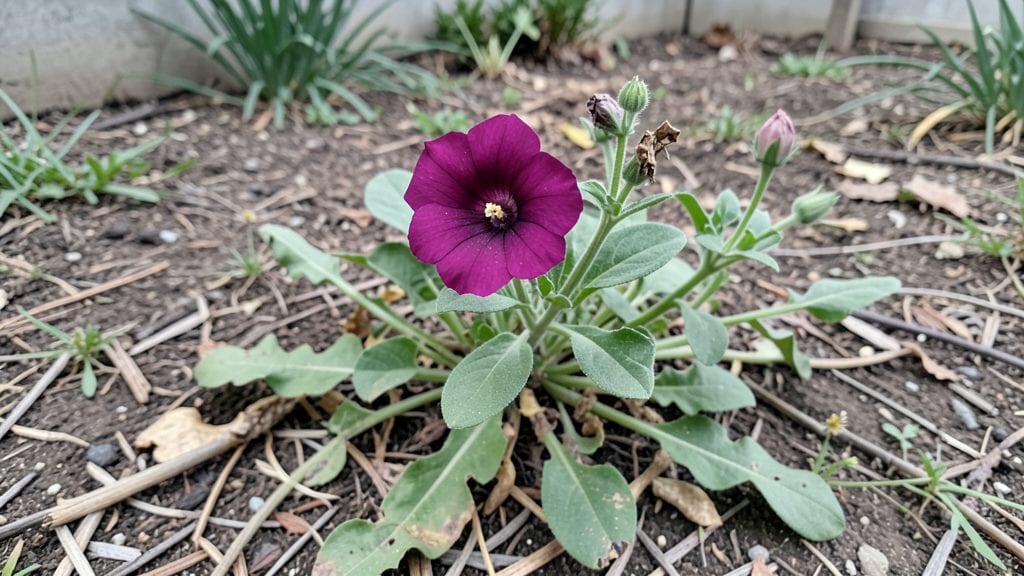
Growing the mirabilis jalapa flower—also called the four o'clock flower—is like unlocking a secret garden that bursts into color after sunset. 🌙 Its velvety blooms and fragrant evening display make it a standout, even in containers or cooler climates where tropical plants usually struggle. The key?
Understanding its love for well-draining soil, bright indirect light, and how to protect its tubers through winter. I’ve grown mine in pots on my porch for years, and the trick is treating it like a finicky tropical guest—warmth, patience, and just the right amount of water.
You’ll need fast-draining potting mix (think cactus or succulent blend), a container with drainage holes, and a spot that gets morning sun and afternoon shade—especially in hotter zones.
Water only when the top inch of soil feels dry, and never let it sit in soggy soil, or the roots will rot. For colder climates, dig up tubers before frost or overwinter them in a cool, dark place. The payoff?
Clusters of trumpet-shaped blooms in pink, yellow, or white that open at dusk, filling the air with a sweet, spicy scent that hummingbirds adore.
Troubleshooting is easy once you know the signs: yellowing leaves mean overwatering, while droopy blooms signal thirst. Pests like aphids are rare, but if they appear, a strong spray of water usually does the trick. The real magic happens at night, when your garden transforms into a fragrant, glowing spectacle.
Even in small spaces, this plant delivers dramatic results with minimal fuss—just give it the right conditions, and it’ll reward you with months of evening beauty.
Whether you’re a container gardener or dealing with short growing seasons, mirabilis jalapa adapts surprisingly well. Start with seeds in spring for a slower but rewarding experience, or plant tubers in early summer for faster blooms.
The only rule? Don’t expect perfection the first year—like any tropical plant, it takes a little trial and error to find its groove. But once it does? Your garden will never feel the same after dark.
📚 In This Guide
- What you need
- Instructions
- Tips and common mistakes
- Wrapping up and next steps
What you need
- ● Seeds or seedlings: 3–5 Mirabilis jalapa seeds per container (or 1–2 seedlings if transplanting). Choose organic, non-GMO seeds for best results.
- ● Containers (if not planting in-ground): 5–10 gallon pots (minimum 12" deep) with drainage holes.
- ○ Optional: Self-watering containers for drought-prone areas.
- ● Well-draining soil: Mix 60% potting soil with 40% perlite or coconut coir (avoid heavy clay). pH range: 6.0–7.5.
- ● Compost or slow-release fertilizer: 1 cup per container (look for a 10-10-10 NPK ratio).
- ● Garden trowel or small shovel for planting.
- ● Watering can or hose with a gentle spray nozzle (avoid over-saturating soil).
- ○ Mulch (optional but helpful): 1–2 inches of straw or shredded leaves to retain moisture.
- ● Cold-hardiness prep (for zones 5–8): Black plastic mulch or frost blankets for overnight protection.
- ● Insulated grow bags or a greenhouse setup for winter.
Step-by-Step instructions for growing Mirabilis jalapa flowers
Here’s how to nurture these stunning night-blooming beauties—whether you’re container gardening or braving cooler climates.
🌱 Step 1: Choose the Right Location and Prepare Soil
Mirabilis jalapa thrives in full sun to partial shade, so pick a spot with at least 6 hours of sunlight daily. If you’re growing in containers, place them where they’ll get morning sun and afternoon shade in hotter climates. The soil should drain well—amend heavy soil with 2-3 inches of perlite or sand to prevent root rot.
These flowers aren’t picky about soil pH, but they do best in loose, well-draining mixes. If planting directly in the ground, work in a 2-inch layer of compost to enrich the soil. The key is avoiding soggy conditions—Mirabilis jalapa roots hate sitting in water.
🌱 Step 2: Plant Seeds or Transplants at the Right Time
Start seeds indoors 8-10 weeks before your last frost date or sow directly in the garden after all frost risk has passed. Plant seeds ½ inch deep—they germinate best in warm soil, so wait until the ground reaches at least 60°F. If using transplants, space them 12-18 inches apart to give their tubers room to spread.
I like to soak seeds overnight before planting—they germinate faster and more reliably. Once planted, keep the soil lightly moist but not soggy. You’ll see sprouts in 10-14 days, but be patient if your soil is cooler than ideal.
☀️ Step 3: Water and Fertilize for Vibrant Blooms
Water deeply once a week during the growing season, letting the top 2 inches of soil dry out between waterings. Overwatering is the fastest way to kill these plants—yellowing leaves signal you’re watering too much. In containers, check soil moisture by sticking your finger in; if it’s dry past your first knuckle, it’s time to water.
Feed with a balanced 10-10-10 fertilizer every 4-6 weeks during the growing season. You’ll notice the most dramatic blooms when the plants get consistent care. Deadhead spent flowers to encourage more blooms, but don’t worry if you miss it—they’re hardy and will still produce.
✂️ Step 4: Protect and Overwinter for Next Year’s Blooms
In cooler climates, Mirabilis jalapa’s tubers are frost-sensitive. Before the first frost, cut back the foliage to 2 inches above ground level and cover the base with 4-6 inches of mulch. The tubers will survive winter underground, ready to burst back into bloom next spring.
If you’re growing in containers, move pots to a sheltered spot before frost hits. They can handle temperatures down to 25°F for short periods, but prolonged cold will kill them. In mild climates, they may even bloom year-round with minimal care.
🌿 Step 5: Divide and Share Plants Every Few Years
Mirabilis jalapa spreads easily, so divide clumps every 2-3 years to keep plants healthy. Dig up tubers in early spring before new growth appears, then separate them into smaller sections with at least 1-2 eyes (growth points) per division. Replant immediately in fresh soil—they establish quickly and bloom faster than seedlings.
This is the moment that matters: dividing ensures you’ll always have fresh, vigorous plants. Share divisions with friends—they’re a stunning, low-maintenance gift that keeps giving. Just remember, these tubers multiply fast, so plan your garden space accordingly!
Tips & tricks for perfect Mirabilis jalapa flower growth
These simple yet powerful tips will help you coax the most vibrant blooms from your Mirabilis jalapa, whether you're growing in containers or braving cooler climates.
Soil Preparation Secret: In Step 1, when amending heavy soil with 2-3 inches of perlite or sand, I like to add a handful of worm castings along with the compost. This gives your tubers a gentle boost of nutrients right from the start, and the worms help maintain that perfect loose, well-draining texture. The key is keeping it fluffy—packed soil will suffocate those roots.
Timing is Everything: For Step 2, don't rush those 8-10 weeks before your last frost date. If you're in doubt about your frost date, check your local agricultural extension service—they have precise data. And here's a pro tip: if you're starting seeds indoors, place them near a sunny window or under grow lights immediately after planting. Those little sprouts need all the light they can get to break through the soil quickly.
Watering Wisdom: The once-a-week watering in Step 3 works perfectly in most climates, but there's a trick to perfecting it. In containers, I use a moisture meter to check that top 2 inches of soil—it takes the guesswork out of when to water. And if you notice those leaves starting to yellow, that's your plant's way of saying "I'm drowning!"—cut back immediately and let the soil dry out more between waterings.
Overwintering Strategy: When it comes to Step 4's frost protection, I've found that adding a thick layer of straw mulch (about 2 inches) on top of the 4-6 inches of regular mulch gives extra insulation. It's like putting a cozy blanket on your tubers. And if you're in a really cold climate, consider moving container-grown plants to an unheated garage or shed for the winter—they'll thank you with bigger blooms next season.
Pro Tips for Mirabilis Jalapa Flower
- These simple yet powerful tips will help you coax the most vibrant blooms from your Mirabilis jalapa, whether you're growing in containers or braving cooler climates.
- Soil Preparation Secret: In Step 1, when amending heavy soil with 2-3 inches of perlite or sand, I like to add a handful of worm castings along with the compost.
- Timing is Everything: For Step 2, don't rush those 8-10 weeks before your last frost date.
Frequently asked questions
Got questions about growing Mirabilis jalapa (the stunning four-o’clock flower)?
You’re not alone! Here are answers to the most common queries—from care tips to troubleshooting—to help you nurture these vibrant blooms with confidence.
Can Mirabilis jalapa grow in cold climates?
Mirabilis jalapa thrives in warm zones (USDA 9-11), but with a little effort, you can grow it in cooler areas! Plant seeds indoors 6-8 weeks before the last frost, then transplant after temperatures stay above 60°F (15°C). Alternatively, grow it as an annual or overwinter potted plants in a sunny greenhouse or garage.
How long does it take for Mirabilis jalapa to flower?
From seed to bloom, expect 60–90 days under ideal conditions (full sun, warm soil, and consistent moisture). If grown from tubers, flowers may appear even faster—sometimes in as little as 4–6 weeks! Patience pays off, though—once established, these plants reward you with daily blooms from late summer to frost.
Why aren’t my Mirabilis jalapa flowers opening?
Four-o’clock flowers are nocturnal—they close during the day! If they’re not opening at all, check for these issues:
- Too much shade: Move to a sunnier spot (6+ hours of light).
- Overwatering: Let soil dry slightly between waterings to avoid root rot.
- Cold nights: These flowers need temps above 50°F (10°C) to open.
Can I grow Mirabilis jalapa in containers?
These flowers adapt well to pots, making them perfect for balconies or patios. Use a 5–7 gallon container with drainage holes and well-draining soil. Place in full sun, water regularly, and expect 1–2 feet of spread. For a bushier plant, pinch back leggy stems early in the season.
What are some alternatives to Mirabilis jalapa for cold climates?
If Mirabilis jalapa is too tender for your zone, try these hardy night-blooming or colorful alternatives:
- Moonflower (Ipomoea alba): Fast-growing vine with fragrant white blooms (annual in cold climates).
- Evening Primrose (Oenothera spp.): Cold-tolerant, bi-color flowers that open at dusk.
- Calendula (Calendula officinalis): Edible, cheerful blooms that thrive in cooler temps.
- Nicotiana (Nicotiana sylvestris): Fragrant, self-seeding annual with tubular flowers.
Wrapping up and next steps
The Mirabilis jalapa flower, or Four O’Clock flower, brings a burst of tropical charm with its vibrant blooms and easy-care nature—perfect for containers or cold climates! Whether you’re drawn to its fragrant evening magic or its resilience, this guide equips you with everything to grow it successfully.
Now that you’re armed with tips on soil, sunlight, and winter prep, why not plant one today?
Start small: Try a single pot on your balcony or windowsill, and watch your green thumb grow! 🌱 For those eager to experiment, explore companion plants like marigolds or snapdragons to create a showstopping summer display.