
Tools
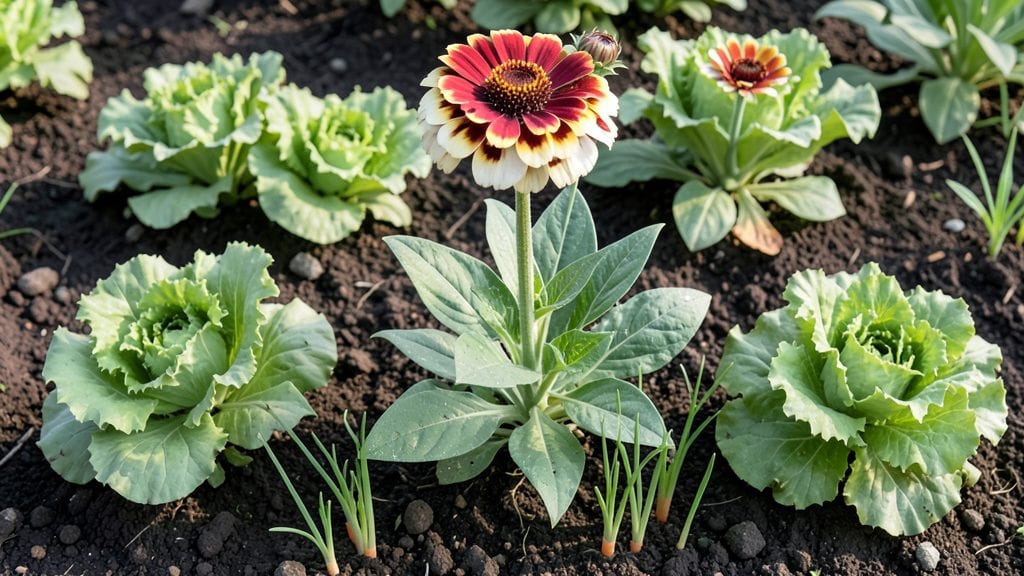
A mixed flower and vegetable garden isn’t just a dream—it’s a thriving ecosystem where beauty and bounty grow side by side. I spent years watching my veggies struggle with pests and poor pollination until I wove in marigolds, nasturtiums, and borage.
The difference? More tomatoes, happier bees, and a garden that feels alive all season long.
Here’s the magic: flowers attract pollinators that boost vegetable yields, while certain pairings naturally repel pests. You’ll need a sunny spot with well-draining soil, but no fancy tools—just a shovel, some compost, and a little planning.
Start small: a 4x8-foot bed can produce enough for salads, snacks, and bouquets. The best part? Every harvest feels like a reward for the pollinators working hard alongside you.
Imagine crisp lettuce under towering sunflowers, basil blooming near your tomato plants, and zucchini vines tangled with fragrant alyssum. This isn’t just gardening—it’s creating a living tapestry where every plant has a purpose.
By the time summer peaks, your garden will be a buzzing, blooming, producing powerhouse that neighbors will envy.
Whether you’re working with a raised bed, in-ground plot, or containers, the principles stay the same. The key is balance: fast-growing flowers for early pollinators, mid-season blooms to keep bees fed, and late-season flowers to extend the harvest.
Let’s turn your space into a garden that works as hard as you do.
📚 In This Guide
- What you need
- Instructions
- Tips and common mistakes
- Wrapping up and next steps
What you need
- ● Garden plot: 4’ x 8’ (or larger) raised bed, in-ground plot, or container (minimum depth: 12 inches for roots).
- ● Soil: 2–3 cubic yards of high-quality, well-draining garden soil (mix organic compost for fertility).
- ● Seeds/seedlings: Vegetables: 5–10 plants (e.g., tomatoes, peppers, lettuce, carrots, beans).
- ● Flowers: 10–15 pollinator-friendly plants (e.g., marigolds, zinnias, lavender, sunflowers).
- ● Mulch: 2–3 bags of straw or wood chips (to retain moisture and suppress weeds).
- ● Basic tools: Garden trowel (for planting small seeds).
- ● Hand fork or garden fork (for soil aeration).
- ● Pruners (for trimming flowers/vegetables).
- ● Watering can or hose with adjustable nozzle.
- ● Compost bin: For ongoing soil enrichment.
- ● Drip irrigation system: Saves time and water.
- ● Trellis or stakes: For climbing plants (e.g., beans, cucumbers).
- ● Pollinator hotel: A small structure to attract bees and butterflies.
- ● Garden journal: To track planting dates and progress.
Step-by-Step instructions for designing a pollinator-powered mixed garden
Here's how to create a thriving, self-sustaining garden where flowers and vegetables support each other—and the pollinators that make it all possible.
Plan Your Layout for Companion Planting
Start by sketching a rough map of your 4-foot-wide beds (the ideal width for easy maintenance). Group vegetables with their natural pollinator-attracting companions: plant basil near tomatoes, marigolds around peppers, and alyssum in between rows of carrots. This arrangement maximizes cross-pollination while minimizing pest pressure. I always dedicate one full row per bed to flowers like sunflowers, coneflowers, or borage—they'll draw bees and butterflies directly to your vegetables.
Use permanent markers to outline planting zones directly on the soil before digging. This prevents accidental overlaps and helps you visualize the mature plant sizes. For example, sunflowers need 18-24 inches of space, while lettuce can tuck into the gaps. I label each section with a wooden stake to track what's planted where—especially important when some plants like dill self-seed aggressively.
Prepare Soil for Both Flowers and Vegetables
Test your soil's pH and amend it to a neutral 6.0-7.0 range—most vegetables and pollinator flowers thrive here. Work in 2-3 inches of compost mixed into the top 6 inches of soil, then top with 1 inch of aged manure for slow-release nutrients. I use a broadfork to loosen the soil without disturbing the natural microbial structure, which is critical for root health.
For beds where you'll plant heavy feeders like tomatoes or sunflowers, add a 5-10-10 fertilizer at 1 pound per 100 square feet. Sprinkle it evenly and work it into the top 4 inches of soil. Avoid over-fertilizing flowering plants—they prefer leaner soil to encourage blooming rather than leafy growth. Water the amended soil deeply to help everything settle before planting.
Plant Vegetables and Flowers in Strategic Layers
Begin by planting your largest vegetables first—like tomatoes or squash—spaced according to their mature size. Then fill the gaps with mid-height companions such as bush beans or nasturtiums, which deter pests. Finally, add low-growing flowers like clover or thyme between rows. This layered approach mimics natural ecosystems and creates microclimates that attract a wider variety of pollinators.
When planting seeds, follow the depth guidelines on the packet—usually 2-3 times the seed diameter—but never deeper than ½ inch. For transplants, dig holes just deep enough to bury the root ball without burying the stem. Water each new plant deeply at the base immediately after planting to encourage root establishment. I always plant flowers along the edges of beds to create a "pollinator highway" that guides bees directly to the vegetable crops.
Implement Watering and Mulching for Pollinator Health
Install a drip irrigation system on the edges of your beds to deliver water 1 inch per week directly to the soil, avoiding wet foliage which can spread disease. Position emitters near the base of plants, especially flowers, to encourage deep root growth. I set my system on a timer for early morning to reduce evaporation and fungal risks.
After watering, apply 2-3 inches of organic mulch—like straw or wood chips—around all plants, keeping it 2 inches away from stems to prevent rot. Mulch conserves moisture, regulates soil temperature, and provides habitat for beneficial insects. For extra pollinator appeal, leave some bare soil in sunny spots where native bees can nest. Avoid synthetic mulches, as they don't support soil life or pollinators.
Maintain the Garden for Continuous Pollinator Support
Every 2-3 weeks, deadhead spent blooms from flowers like marigolds or zinnias to encourage continuous flowering—this means a steady food source for pollinators. Remove only wilted flowers, leaving seed heads for birds and overwintering insects. For vegetables, harvest regularly to prevent overcrowding and disease. I always pick early in the morning when produce is crispest and pollinators are least active.
Monitor for pests like aphids or squash bugs, but avoid broad-spectrum pesticides—they harm pollinators too. Instead, introduce beneficial insects like ladybugs or lacewings, or spray neem oil as a last resort. Keep a small notebook to track which flowers attract the most pollinators; you'll likely find that native plants outperform hybrids. By mid-summer, your garden should buzz with activity, ensuring both your vegetables and flowers thrive together.
Tips & tricks for perfect pollinator-powered mixed gardens
Creating a thriving pollinator-powered garden isn't just about planting—it's about designing an ecosystem that works in harmony. These insights will help you maximize both beauty and productivity while keeping your garden buzzing with life.
Design for Diversity: In Step 1, when planning your 4-foot-wide beds, prioritize a mix of flower shapes and sizes to attract different pollinators. Tall sunflowers (18-24 inches) create landing platforms for bumblebees, while low-growing alyssum provides easy access for honeybees. I always include at least three different flower types per bed to ensure continuous blooms throughout the season. This diversity isn't just aesthetic—it creates a safety net when some plants finish blooming.
Soil Preparation Secrets: The 6.0-7.0 pH range mentioned in Step 2 is crucial, but don't stop there. For heavy feeders like tomatoes, I recommend adding a handful of wood ash (from untreated wood) to the planting hole—it raises pH slightly and provides potassium. For flowering plants, mix in a bit of sand to improve drainage, which prevents root rot. The key is creating two distinct soil profiles: nutrient-rich for vegetables and well-draining for flowers, all within the same bed.
Layering Like a Pro: When implementing the strategic layers in Step 3, think vertically as well as horizontally. Plant fast-growing radishes or lettuce in the early season gaps, then replace them with slower-growing kale or chard as they mature. This creates an ever-changing landscape that keeps pollinators interested. I also recommend adding a few climbing plants like nasturtiums along trellises—they attract pollinators while keeping them away from lower-growing vegetables.
Watering Wisdom: The 1-inch-per-week watering guideline in Step 4 is perfect, but timing matters just as much. I've found that watering in the early morning (as suggested) works best, but if you must water in the evening, do it before 6pm to prevent fungal issues. For new transplants, I increase watering to 1½ inches per week for the first two weeks to help roots establish. And here's a pro tip: water the soil, not the leaves—this prevents fungal diseases while keeping pollinators dry and active.
Pro Tips for Mixed Flower And Vegetable Garden
- Creating a thriving pollinator-powered garden isn't just about planting—it's about designing an ecosystem that works in harmony.
- Design for Diversity: In Step 1, when planning your 4-foot-wide beds, prioritize a mix of flower shapes and sizes to attract different pollinators.
- Soil Preparation Secrets: The 6.0-7.0 pH range mentioned in Step 2 is crucial, but don't stop there.
Frequently asked questions
Got questions about blending flowers and veggies in your garden? You’re not alone! Here are answers to the most common curiosities to help you grow confidently.
Can I really grow flowers and vegetables together without competition?
A well-planned mixed garden thrives on synergy. Fast-growing flowers like marigolds deter pests, while deep-rooted veggies (e.g., carrots) won’t outcompete shallow-rooted herbs or lettuce. Just group plants with similar water and sun needs. Pro tip: Use the “Three Sisters” method (corn, beans, squash) as a blueprint!
When’s the best time to plant flowers alongside vegetables?
Timing depends on your climate, but here’s a general rule: Start with cool-season flowers (e.g., alyssum, calendula) in early spring, then add heat-lovers (e.g., zinnias, sunflowers) after frost. For veggies, plant flowers 2–4 weeks before or after your main crops to avoid crowding. Succession planting works wonders!
Will flowers attract too many pests that harm my vegetables?
Not if you choose pollinator-friendly flowers! Opt for native species (e.g., bee balm, coneflowers) that draw beneficial insects like ladybugs and lacewings, which eat garden pests. Avoid heavy bloomers like sweet peas—they can attract aphids. Balance is key!
What are the easiest flowers to pair with vegetables for beginners?
Start simple with these low-maintenance, high-reward combos:
- Marigolds + Tomatoes/Peppers: Repel nematodes and aphids.
- Nasturtiums + Cucumbers/Squash: Trap pests and add color.
- Basil + Peppers: (Yes, basil’s a flower-ish herb!) Boosts flavor and deters flies.
- Calendula + Lettuce/Carrots: Deters slugs and attracts pollinators.
All thrive in similar conditions and are beginner-approved!
What if my garden looks messy or overgrown?
Messy = productive! But if you prefer tidiness, try these tricks:
- Use vertical space: Train vines (e.g., beans, nasturtiums) up trellises.
- Interplant low-growing flowers (e.g., clover, thyme) between rows.
- Let some flowers self-seed—they’ll return next year with less effort.
Embrace the “wild” vibe or edit strategically. Both work!
Wrapping up and next steps
A mixed flower and vegetable garden isn’t just a trend—it’s a game-changer for sustainability, beauty, and harvest! By blending pollinator-friendly blooms with edible crops, you create a thriving ecosystem that boosts yields, reduces pests, and delights the senses.
Whether you’re a seasoned gardener or just starting, this approach makes growing easier, more rewarding, and deeply connected to nature.
Ready to dive in? Start small—pick a sunny spot, gather your tools, and let your garden bloom with purpose. Plant your first seeds or bulbs this weekend, and watch your space transform into a vibrant, productive haven! 🌸🥕