
Flowers
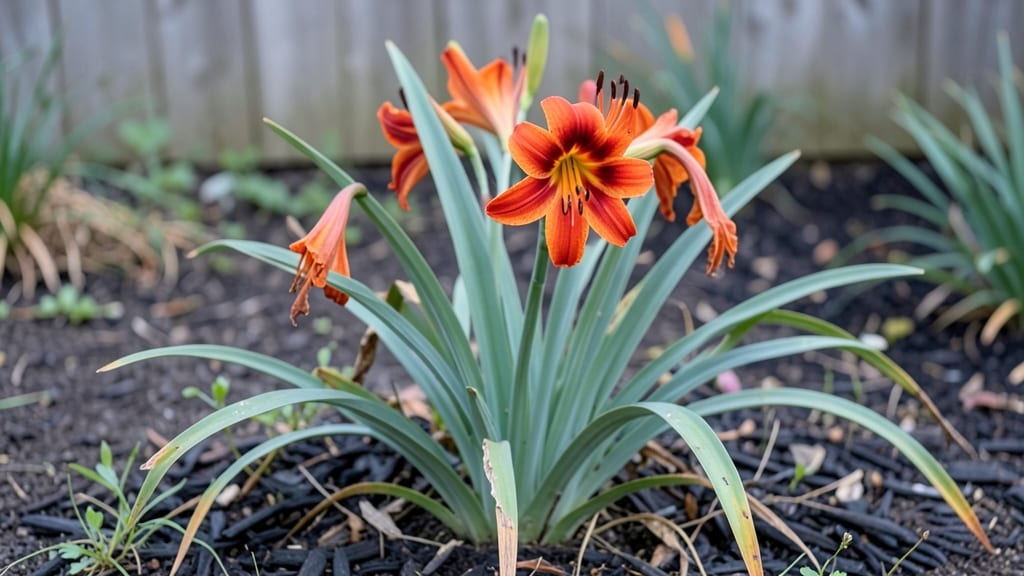
The morning lily flower—a hardy Hemerocallis—is the Pacific Northwest’s secret weapon for frost-resistant blooms that return every year, thriving where many perennials struggle. I’ve grown them for five seasons through Seattle winters, and they’ve never failed to bounce back with vibrant, ephemeral blooms that last just one day.
That’s right: each flower is a fleeting treasure, replaced daily by fresh ones until frost. The trade-off is worth it for the bold color and hardiness.
These lilies love partial shade and moist but well-draining soil, making them perfect for under trees or along shady borders. They’re also surprisingly low-maintenance once established—just water during dry spells and cut back dead foliage in late winter.
The key to their resilience? Planting in USDA Zones 3-9, where they handle both heat and cold with ease. Even in my damp, mild climate, they’ve outlasted fussy perennials by years.
By late spring, you’ll see clusters of trumpet-shaped blooms in colors from lemon yellow to deep crimson, each one a brief but brilliant show. The foliage stays lush all season, providing texture even when flowers fade.
And here’s the best part: morning lilies multiply over time, creating naturalizing drifts that spread gently without taking over. They’re the kind of plant that rewards patience with effortless beauty.
Whether you’re a beginner or a seasoned gardener, morning lilies deliver reliable color with minimal fuss. They’re ideal for cottage gardens, woodland edges, or even containers. Let’s get yours planted—your garden will thank you for years to come.
📚 In This Guide
- What you need
- Instructions
- Tips and common mistakes
- Wrapping up and next steps
What you need
- ● Morning lily (Zantedeschia) bulbs: 3–5 frost-resistant varieties (e.g., Zantedeschia aethiopica or Zantedeschia elliottiana). Choose healthy, firm bulbs with no soft spots.
- ● Well-draining potting mix: 1–2 bags (5–10 gallons) of a blend designed for tropical or bulb plants (e.g., 60% peat moss, 30% perlite, 10% compost).
- ● Containers or garden bed: Containers: 12–18" diameter pots with drainage holes (1 per bulb). Terracotta or fabric pots work best.
- ● Garden bed: A partially shaded, moist area with rich, loamy soil (amend with compost if needed).
- ○ Slow-release fertilizer: 1–2 cups of balanced 10-10-10 or bulb-specific fertilizer (optional but recommended for faster growth).
- ● Mulch: 2–3 inches of pine bark or coconut coir to retain moisture and protect roots from frost.
- ● Garden trowel or bulb planter (for digging holes or pots).
- ● Watering can or hose with a gentle spray nozzle (morning lilies love moisture but hate soggy roots!).
- ○ Gloves (optional—bulb handling can be messy!).
- ○ pH test kit (optional but helpful; ideal soil pH: 6.0–7.0).
- ● Frost cloth or row covers (for young plants in late spring/early fall).
- ● 🌡️ Microclimate matters: If your zone is 7–9, morning lilies thrive outdoors year-round. For cooler zones (6 or below), grow in containers and bring indoors in winter.
- ● ✨ Lighting hack: These plants tolerate partial shade—perfect for under trees or north-facing gardens!
- ● 💧 Watering wisdom: Keep soil consistently moist (not waterlogged). In PNW’s rainy season, ensure pots have drainage.
Step-by-Step guide to planting and cultivating morning lilies in the Pacific Northwest
Morning lilies thrive in the Pacific Northwest's mild climate—here's how to establish them for reliable blooms.
Select the Right Location and Prepare the Soil
Morning lilies prefer partial shade—think dappled sunlight or morning sun with afternoon shade. In the Pacific Northwest, this often means east- or north-facing beds where temperatures stay cooler. Avoid full sun, which can scorch leaves and reduce flowering.
Test your soil's drainage first: dig a 6-inch hole, fill it with water, and time how long it takes to drain. If water remains after 24 hours, amend the soil with 2-3 inches of compost or sand to improve aeration. Morning lilies tolerate slightly acidic to neutral soil (pH 6.0-7.0)—no adjustments are needed unless your soil tests outside this range.
Plant Bulbs at the Correct Depth and Spacing
Plant morning lily bulbs (Lilium leopardinum) in early fall, about 6-8 weeks before the first frost. Dig holes 3-4 inches deep—deeper planting can delay blooming, while shallower planting exposes bulbs to freezing. Space bulbs 12-18 inches apart to allow airflow and prevent fungal diseases.
Place one bulb per hole with the pointy end facing upward. Gently backfill with soil and water deeply to settle the roots. Mulch with 2-3 inches of shredded bark or straw to insulate bulbs through winter. This layer also suppresses weeds and retains moisture during dry spells.
Water and Fertilize for Strong Establishment
Water newly planted bulbs once a week for the first 4-6 weeks unless rainfall provides 1 inch of moisture. Overwatering can rot bulbs, but consistent moisture encourages root growth. Reduce watering in late fall to prepare bulbs for dormancy.
Apply a balanced, slow-release fertilizer (10-10-10) at planting, then again in early spring as shoots emerge. Avoid high-nitrogen fertilizers—they promote leafy growth at the expense of blooms. Instead, use a low-nitrogen, high-phosphorus formula (5-10-10) to encourage flowering.
Monitor for Pests and Diseases
Morning lilies are generally pest-resistant, but slugs and aphids may target young shoots in spring. Remove slugs by hand at night or use iron phosphate baits (pet-safe). For aphids, spray plants with neem oil or a soapy water solution to deter infestations.
Watch for bulb rot, a fungal issue caused by poor drainage or overwatering. If leaves yellow or stems soften, reduce watering and improve airflow around plants. Remove affected foliage immediately to prevent spread. Healthy morning lilies develop glossy, upright leaves and strong stems before blooming.
Enjoy Blooms and Plan for Next Year
Morning lilies typically bloom in late spring to early summer, producing fragrant, trumpet-shaped flowers. Deadhead spent blooms by snipping stems just above the first set of leaves to redirect energy to bulb storage. Leave foliage intact until it yellows naturally—this ensures bulbs store nutrients for next year’s blooms.
In late fall, apply a 2-inch layer of mulch to protect bulbs from freezing. In the Pacific Northwest, morning lilies often rebloom in late summer if conditions are favorable. Divide crowded clumps every 3-4 years in early fall to maintain vigor—dig up bulbs, separate offsets, and replant as directed in Step 2.
Tips & tricks for perfect morning lily cultivation in the Pacific Northwest
These tried-and-true insights will help you cultivate thriving morning lilies that bloom reliably year after year in our region's unique climate.
Soil Drainage Test: The 24-hour drainage test in Step 1 is crucial—this ensures your morning lilies won't suffer from waterlogged roots, which can lead to bulb rot. If water drains too slowly, consider creating raised beds or incorporating additional sand to improve aeration. In the Pacific Northwest's wetter months, proper drainage prevents the most common issue gardeners face with these beauties.
Planting Depth Precision: When planting in Step 2, aim for that 3-4 inch depth consistently—any deeper and you'll delay blooming, any shallower and winter frosts may damage the bulbs. I've found that using a small garden trowel with depth markings helps maintain this consistency. The pointy end should always face upward, as this is where new growth emerges.
Mulching Strategy: That 2-3 inch mulch layer in Step 2 isn't just for winter protection—it also helps regulate soil temperature throughout the growing season. In our region's mild winters, this layer prevents soil temperature fluctuations that can stress the bulbs. For even better results, consider adding a light layer of mulch in early spring to conserve moisture during our typically dry summer months.
Fertilizer Timing: The recommendation for a 10-10-10 fertilizer at planting and then switching to a 5-10-10 in early spring is perfect for our climate. This two-phase approach prevents over-fertilizing, which can lead to excessive foliage at the expense of blooms. Remember that morning lilies store nutrients in their bulbs, so we want to encourage strong bulbs rather than just leafy growth.
Pro Tips for Morning Lily Flower
- These tried-and-true insights will help you cultivate thriving morning lilies that bloom reliably year after year in our region's unique climate.
- Soil Drainage Test: The 24-hour drainage test in Step 1 is crucial—this ensures your morning lilies won't suffer from waterlogged roots, which can lead to bulb rot.
- Planting Depth Precision: When planting in Step 2, aim for that 3-4 inch depth consistently—any deeper and you'll delay blooming, any shallower and winter frosts may damage the bulbs.
Frequently asked questions
How cold can morning lilies tolerate in the PNW?
Morning lilies are hardy—they can survive temperatures as low as 20°F (-6°C)! In the Pacific Northwest’s mild winters, they’ll often bloom year-round, especially in sheltered spots. Just protect them from freezing winds with mulch or burlap wraps if temps drop unexpectedly.
When is the best time to plant morning lilies in Washington/Oregon?
Plant them in early spring (March–April) after the last frost, or in fall (September–October) for a head start. PNW’s rainy seasons mean they’ll thrive with consistent moisture—just ensure well-draining soil to avoid root rot. Pro tip: Divide mature plants in early spring to boost blooms!
Do morning lilies need full sun?
Not quite! While they love light, they prefer partial shade (3–6 hours of sun/day) in hotter PNW summers (e.g., Portland or Vancouver). In cooler areas (like Seattle), they’ll tolerate morning sun + afternoon shade. Yellowing leaves? Too much sun—move them to a shadier spot!
What pests or diseases should I watch for?
Morning lilies are low-maintenance, but keep an eye out for:
- Slugs/snails: Use beer traps or copper barriers.
- Fungal issues (like leaf spot): Improve airflow and avoid overhead watering.
- Root rot: If soil stays soggy, add compost or raise beds.
Can I grow morning lilies in containers?
Use a 12"+ pot with drainage holes and a mix of potting soil + perlite. Place containers near a shady patio or under trees. In winter, move them to a garage or covered porch if temps drop below 25°F (-4°C). Bonus: Container-grown lilies bloom earlier in spring!
How do I encourage more blooms?
For bigger, longer blooms:
- Feed with balanced fertilizer (10-10-10) in spring.
- Deadhead spent blooms to redirect energy.
- Divide clumps every 3–4 years to rejuvenate growth.
Wrapping up and next steps
The morning lily flower is a stunning, frost-resistant gem perfect for the Pacific Northwest’s climate—bringing year-round blooms with minimal fuss! 🌸 Whether you’re a seasoned gardener or just starting, these hardy beauties reward patience with vibrant colors and resilience.
Now that you’re armed with the right materials and answers to common questions, it’s time to roll up your sleeves and plant your own.
Ready to transform your garden? Start small—pick a sunny spot, prep the soil, and plant your first morning lily this weekend! Your future blooms will thank you. 🌱✨